John Kerry in Moscow: The Syria Chemical Weapons Saga and the Israeli Air Strikes

0
moscow

Russian condemnation of Israeli air strikes preceded Kerry’s arrival. Moscow’s Foreign Ministry called them “a threat to regional stability.”

It wants politicizing chemical weapons use stopped. On May 6, Russian Security Council head Nikolai Patrushev said “no one has reliable information about the use of chemical weapons in Syria.”

“If anyone does, we would like them to show their evidence that such weapons have indeed been used.”

On May 5, UN Commission of Inquiry on Syria (COI) investigators said testimonial evidence indicates “rebel forces” used sarin. A day later they reported “no conclusive findings” of their use.

On June 3, they’ll comment further. Don’t expect confirmation of their first assessment.

According to Press TV, Kerry came “to press top Russian officials against backing the Syrian government amid the recent US-backed Israeli aggression against the nation.”

Russia wants diplomatic conflict resolution. It opposes US-led NATO intervention. It fears it’s coming. Obama’s incrementally heading toward doing so.

Assad’s more victim than villain. Wrongfully accusing him of Western-backed insurgent crimes advances the ball for war. On Monday, Senate Foreign Relations Chairman Robert Menendez (D. NJ) introduced legislation to arm opposition forces.

It’s been ongoing covertly all along. Menendez and likeminded congressional members want it done officially. They claim they’re only for “vetted rebel groups.”

On the one hand, Al Qaeda and its al-Nusra affiliate are called foreign terrorist organizations. On the other, they’re actively recruited, armed, funded, trained and directed. They’re de facto US-led NATO ground forces. Obama heads closer to giving them air support.

Kerry met with Russian Foreign Minister Sergei Lavrov and President Vladimir Putin. He and Lavrov announced convening an international conference aimed at ending conflict. They’ll urge both sides to attend.

According to Kerry, Washington wants it “as soon as possible, possibly, hopefully as soon as the end of this month.”

America and Russia have conflicting interests. Obama wants Assad ousted. All options are open to do so. Russia wants its strategic regional interests protected. Lavrov explained this way:

“I would like to emphasize we do not, we are not interested in the fate of certain persons. We are interested in the fate of the Syrian people.”

Moscow wants Syrians to decide who’ll lead them. Foreign intervention is rejected. It doesn’t want another allied regional government toppled. Doing so leaves others more vulnerable. It gives Washington greater control. It harms Russia’s strategic interests.

Convening another conference reflects the latest exercise in futility. It won’t

This article originally appeared on : Global Research

Homeland Insecurity

0

http://www.truthdig.com/report/item/homeland_insecurity_20130509/

Posted on May 9, 2013

Homeland Insecurity

0
Email this item

Homeland Insecurity

Email   Print this item Print   Share this item... Share
Posted on May 9, 2013
TMAB2003 (CC BY-ND 2.0)

By Peter, Van Buren, TomDispatch

This piece first appeared at TomDispatch. Read Tom Engelhardt’s introduction here.

What do words mean in a post-9/11 world? Apart from the now clichéd Orwellian twists that turn brutal torture into mere enhanced interrogation, the devil is in the details. Robert MacLean is a former air marshal fired for an act of whistleblowing. He has continued to fight over seven long years for what once would have passed as simple justice: getting his job back. His is an all-too-twenty-first-century story of the extraordinary lengths to which the U.S. government is willing to go to thwart whistleblowers.

First, the government retroactively classified a previously unclassified text message to justify firing MacLean. Then it invoked arcane civil service procedures, including an “interlocutory appeal” to thwart him and, in the process, enjoyed the approval of various courts and bureaucratic boards apparently willing to stamp as “legal” anything the government could make up in its own interest.

And yet here’s the miracle at the heart of this tale: MacLean refused to quit, when ordinary mortals would have thrown in the towel. Now, with a recent semi-victory, he may not only have given himself a shot at getting his old job back, but also create a precedent for future federal whistleblowers. In the post-9/11 world, people like Robert MacLean show us how deep the Washington rabbit hole really goes.

The Whistle Is Blown

MacLean joined the Federal Air Marshal Service (FAMS) in 2001 after stints with the Air Force and the Border Patrol. In July 2003, all marshals received a briefing about a possible hijacking plot. Soon after, the Transportation Safety Administration (TSA), which oversees FAMS, sent an unencrypted, open-air text message to the cell phones of the marshals cancelling several months of missions for cost-cutting reasons. MacLean became concerned that cancelling missions during a hijacking alert might create a dangerous situation for the flying public. He complained to his supervisor and to the Department of Homeland Security’s inspector general, but each responded that nothing could be done.

It was then that he decided to blow the whistle,

This article originally appeared on : TruthDig

Malaysia: Failure of U.S. to Subvert the Elections and Install a “Proxy Regime”

0

Image: Despite the US mobilizing the summation of its media power and pouring millions of dollars into the opposition party, including the creation and perpetuation of fake-NGOs such as Bersih and the Merdeka Center, Malaysian Prime Minister Najib Razak sailed to a comfortable victory in this year’s general elections. The cheap veneer has begun peeling away from America’s “democracy promotion” racket, leaving its proxies exposed and frantic, and America’s hegemonic ambitions across Asia in serious question. 

The BBC in its article, “Malaysia election sees record turnout,” lays out the well-rehearsed cries of “stolen elections” used by the West to undermine the legitimacy of polls it fears its proxy candidates may lose — with the US-funded Merdeka Center cited in attempts to bolster these claims. Their foreign funding and compromised objectivity is never mentioned (emphasis added) :

Allegations of election fraud surfaced before the election. Some of those who voted in advance told BBC News that indelible ink — supposed to last for days — easily washed off.

“The indelible ink can be washed off easily, with just water, in a few seconds,” one voter, Lo, told BBC News from Skudai.

Another voter wrote: “Marked with “indelible ink” and voted at 10:00. Have already cleaned off the ink by 12:00. If I was also registered under a different name and ID number at a neighbouring constituency, I would be able to vote again before 17:00!”

The opposition has also accused the government of funding flights for supporters to key states, which the government denies.

Independent pollster Merdeka Center has received unconfirmed reports of foreign nationals being given IDs and allowed to vote.

However, an election monitoring organization funded by a foreign government which openly seeks to remove the current ruling party from Malaysia in favor of long-time Wall Street servant Anwar Ibrahim is most certainly not “independent.”

The ties between Anwar Ibrahim’s “People’s Alliance” and the US State Department don’t end with the Merdeka Center, but continue into the opposition’s street movement, “Bersih.” Claiming to fight for “clean and fair” elections, Bersih in reality is a vehicle designed to mobilize street protests on behalf of Anwar’s opposition party. Bersih’s alleged leader, Ambiga Sreenevasan, has admitted herself that her organization has received cash directly from the United States via the National Endowment for Democracy’s National Democratic Institute (NDI), and convicted criminal George Soros’ Open Society.

The Malaysian Insider reported

This article originally appeared on : Global Research

‘US firms keep profits in tax shelters’

0

The average American taxpayer would have to pay an extra USD 1,026 in taxes to make up for the lost revenue of offshore tax havens by corporations and wealthy individuals. (File photo)

US companies have avoided paying their fair portion of taxes by keeping more of their profits in overseas tax shelters, a new report reveals.

According to a new study by Audit Analytics, large US companies have boosted their overseas earnings by 15 percent last year to a record USD 1.9 trillion, while keeping their profits abroad to avoid paying taxes under the tax deferral law, Reuters said Thursday.

This is while offshore earnings have climbed by 70 percent over the past five years, the report added.

Meanwhile, corporations have been lobbying Congress to allow them to bring foreign profits home with little or no tax expenses.

Under the tax law, US-based companies are allowed to withhold paying taxes on foreign earnings as long as the earnings do not enter the United States.

Opponents of the law have argued against tax breaks for corporations who park profits offshore, though this proposal has fell short in Washington.

“It would probably be nice to have this money in our country being used in our economy, but at the moment we see it growing elsewhere,” said Don Whalen, with the research department at Audit Analytics.

Foreign tax havens cost the USD 150 billion per year in the form of lost tax revenues, according to the US Public Interest Research Group.

The average American taxpayer would have to pay an extra USD 1,026 in taxes to make up for the lost revenue of offshore tax havens by corporations and wealthy individuals.

GMA/SS

This article originally appeared on : Press TV

Obama in Plunderland: Down the Corporate Rabbit Hole

0
Barack Obama

The president’s new choices for Commerce secretary and FCC chair underscore how far down the rabbit hole his populist conceits have tumbled. Yet the Obama rhetoric about standing up for working people against “special interests” is as profuse as ever. Would you care for a spot of Kool-Aid at the Mad Hatter’s tea party?

Of course the Republican economic program is worse, and President Romney’s policies would have been even more corporate-driven. That doesn’t in the slightest make acceptable what Obama is doing. His latest high-level appointments – boosting corporate power and shafting the public – are despicable.

To nominate Penny Pritzker for secretary of Commerce is to throw in the towel for any pretense of integrity that could pass a laugh test. Pritzker is “a longtime political supporter and heavyweight fundraiser,” the Chicago Tribune reported with notable understatement last week, adding: “She is on the board of Hyatt Hotels Corp., which was founded by her family and has had rocky relations with labor unions, and she could face questions about the failure of a bank partly owned by her family. With a personal fortune estimated at $1.85 billion, Pritzker is listed by Forbes magazine among the 300 wealthiest Americans.”

A more blunt assessment came from journalist Dennis Bernstein: “Her pioneering sub-prime operations, out of Superior Bank in Chicago, specifically targeted poor and working class people of color across the country. She ended up crashing Superior for a billion-dollar cost to taxpayers, and creating a personal tragedy for the 1,400 people who lost their savings when the bank failed.” Pritzker, whose family controls Hyatt Regency Hotels, has a vile anti-union record.

Commerce Secretary Penny Pritzker? What’s next? Labor Secretary Donald Trump? SEC Chairman Bernie Madoff?

The choice of Penny Pritzker to run the Commerce Department is a matched set with the simultaneous pick of Tom Wheeler – another mega-fundraiser for candidate Obama – to chair the Federal Communications Commission.

With crucial decisions on the near horizon at the FCC, the president’s nomination of Wheeler has dire implications for the future of the Internet, digital communications and democracy. For analysis, my colleagues at the Institute for Public Accuracy turned to the progressive former FCC commissioner Nicholas Johnson, who called the choice “bizarre.”

“There is no single independent regulatory commission that comes close to the impact of the FCC on every American’s life,” Johnson said. “That’s why Congress, in creating it, characterized its mission as serving ‘the public interest’ – an expression used throughout the Act.”

But with

This article originally appeared on : Global Research

Civil Liberties and CCTV Camera Surveillance. Landmark Court Decision in Australia

0
camera

This sign is under surveillance
Image by lonely radio

Last week (2nd May), in the midst of Privacy Awareness Week [1], an Australian campaigner, Adam Bonner won a landmark decision against CCTV cameras in New South Wales [2]. The decision did not rule that the cameras in the town of Nowra should be switched off, but instead ordered the local council to stop breaching the Information Protection Principles of the Privacy and Personal Information Protection Act. Remedies were suggested by the Privacy Commissioner but suffice to say Shoalhaven council has switched the cameras off whilst deciding its next move.

The decision of the Administrative Decisions Tribunal New South Wales ordered that:

1. The Council is to refrain from any conduct or action in contravention of an information protection principle or a privacy code of practice;

2. The Council is to render a written apology to the Applicant for the breaches, and advise him of the steps to be taken by the Council to remove the possibility of similar breaches in the future.
[SF v Shoalhaven City Council [2013] NSWADT 94, Orders]

The court victory is evidence once again that CCTV is a local issue which can be defeated when local people take action. In this case a single campaigner took on his local council, and won.

The Road to Victory

Back in late 2009, Mr Bonner saw an article in a local newspaper detailing Shoalhaven City Council’s plans to install 18 CCTV cameras in the Nowra Central Business District (CBD). Mr Bonner felt uneasy, he didn’t think it was right for CCTV cameras to watch and record him and others when they visited Nowra city centre to go about their lawful business. But he didn’t just wait for someone else to do something, he took action himself to defend his and other residents’ freedoms.

Over and above his instinctive reaction to the cameras, Mr Bonner found the many studies that show CCTV is not an effective crime fighting tool [3]. He asked the local council to conduct an internal review of conduct under the Privacy and Personal Information Act 1998 (PPIP Act) and he called on other residents to contact Shoalhaven council pointing out to them the many flaws of the CCTV scheme — he wrote:

There is also something very unsavoury about a society that puts more value on seeking retribution and

This article originally appeared on : Global Research

US demands Assad's removal

0

US Secretary of State John Kerry (L) with a US-backed Syrian opposition figure Moaz al-Khatib (file photo)

In a bullying gesture further hinting a direct US interference in Syrian domestic affairs, top American diplomat has demanded that Syrian President Bashar al-Assad must step down as part of any political solution to the nation’s foreign-sponsored crisis.

US Secretary of State John Kerry insisted in Rome on Thursday that President Assad cannot be part of a transitional government in the continuing efforts by a US-led coalition of governments to find a political solution to the Syrian unrest, AFP reported.

Speaking just before a meeting with his Jordanian counterpart Nasser Judeh, Kerry claimed that all sides were working to “effect a transition government by mutual consent of both sides, which clearly means that in our judgment President Assad will not be a component of that transitional government.”

Kerry’s intrusive remarks came just days after his discussions with top Russian officials in Moscow as part of an intensifying campaign by Washington to stage a potential overthrow of the Syrian government, a major regional foe of its Israeli ally.

This is while Russian officials have reportedly reiterated their opposition to the growing effort by the US and its European and regional allies to further intervene in Syria’s internal affairs with the stated objective of removing President Assad from power.

Kerry also claimed that he had spoken with most of the foreign ministers from American allies involved in the anti-Damascus bid and that there is a “very positive response and a very strong desire to move to this conference and to try to find, at least exhaust the possibilities of finding, a political way forward.”

The development comes just days after Washington’s prime ally in the region, the Tel Aviv regime, attacked Syria twice in an act of aggression condemned by the UN and numerous other countries.

The Israeli attack was widely viewed as a move on behalf of foreign-backed insurgents in Syria to weaken the government and potentially pave the way for advancements by the rebels that include al-Qaeda-linked terrorist elements.

Kerry further announced that US Ambassador to Syria Robert Ford had also met with Syrian opposition figures in Istanbul on Wednesday to “discuss the way forward,” the report added.

He also officially unveiled USD100 million (76 million euros) in additional US aid for “Syrian refugees,” almost half of which will go to help Jordan, which is struggling to cope with a

This article originally appeared on : Press TV

US plans $100mn aid to ‘Syria refugees’

0

The US plans to provide an additional 100 million dollars in aid to “Syrian refugees” that have fled the nation to camps in neighboring Jordan, Turkey and Lebanon following a foreign-backed insurgency bid in the country.

US Secretary of State John Kerry plans to announce the new aid during a visit to Italy’s capital of Rome on Thursday to “help support 1.4 million civilians trapped by violence within Syria’s borders” in addition to those in the refugee camps, The Los Angeles Times reports on Thursday.

The additional aid, the report underlines, is part of an effort by the Obama administration to “deflect criticism that it is not doing enough to deal with a conflict that… threatens to engulf the broader Mideast region.”

Citing unnamed US officials that spoke on condition of anonymity, the report further claims that the aid “is not linked” to Washington discussions over whether it should send weapons and ammunition to the foreign-backed militant gangs in Syria in a major attempt to remove President Bashar al-Assad from power.

While some pro-Israeli senior US lawmakers are pushing for a direct US military intervention in Syria to “hasten” the ouster of President Assad, Obama administration officials have expressed fears that arming the insurgents may end up boosting the power of al-Qaeda-linked terrorists known to be among the militants fighting against the Damascus government.

According to the report, the additional American funds “will be administered by United Nations agencies” involved in running the refugee camps and “will include some cash payments to ‘civilians’ in Syria.”

It did not, however, elaborate on what kind of ‘civilians’ inside Syria would receive the cash payments and how.

The Syria crisis began in March 2011, and many people, including large numbers of soldiers and security personnel, have been killed in the violence.

The Syrian government says the chaos is being orchestrated from outside the country, and there are reports that a very large number of the militants are foreign nationals.

MFB/MFB

This article originally appeared on : Press TV

US govt behind nation’s wage disparity

0

The US government plays a major role in wage disparity in the country by contracting out federal jobs to private contractors that pay their handsomely for hiring workers at low wages and few benefits, Press TV reports from Washington.

In a new report released by public policy organization Demos, there are nearly 2 million low-paying government funded jobs across the United States through federal contracts granted to private companies.

“We know that inequality is a tremendous problem in America. We know that low-wage work is a tremendous problem in America. We have working people that can’t afford to raise their families; can’t afford to put a roof over their head… even though they go to work every day. And we’re finding here that in some way we, the American people, are their employers; they’re working for us,” said Amy Traub, senior policy analyst at Demos.

According to the organization, hundreds of billions of dollars in federal contracts, grants, loans, concession agreements and property leases go to private companies that pay low wages, provide few benefits, and offer their employees “little opportunity to work their way into the middle class.”

This is while many of these US government contractors are rewarding their executives with inflated compensation, it notes.

Demos further cites a 2009 study by the Economic Policy Institute, which concludes that “employees of federal contractors are far more likely to earn poverty-level wages than workers employed directly by the federal government.”

In response to such findings, a new organization dedicated to low wage workers’ rights called Good Jobs Nation has been launched in Washington, DC, which is reportedly most affected by the trend since it is home to many federal agencies.

Many low wage workers hope that Good Jobs Nation will be a first step into earning them living wages and better quality jobs.

However, low wages do not appear to be the only problem. Government contracting jobs can reach salaries in hundreds of thousands of dollars, prompting concerns that the federal government effectively contributes to the persisting wealth inequality in the United States.

A Congressional hearing is due to be held in upcoming weeks in a bid to address the problem low wage jobs that are funded by American tax payers.

MFB/MFB

This article originally appeared on : Press TV

Pentagon accuses China of cyber attacks

0


By John Chan
9 May 2013

In a marked escalation of Washington’s propaganda against China, the US Defence Department has the first time named the Chinese government and the People’s Liberation Army (PLA) as being responsible for major cyber attacks on Western corporations and the US government.

The 2013 annual Pentagon report on the Chinese military depicts China as an aggressor threatening global cyber security and regional stability in the Asia-Pacific. The purpose is to justify the ongoing American buildup of naval, air, space and cyberspace warfare capacities against China–all part of the Obama administration’s “pivot” to Asia.

The report declared: “The US government continued to be targeted for (cyber) instructions, some of which appear to be attributable directly to the Chinese government and military.” The paper claimed that China was using the information it gathered for the purposes of “building a picture of US defence networks, logistics, and related military capabilities that could be exploited during a crisis.”

The Pentagon further alleged that the Chinese government was engaged in massive espionage operations to obtain advanced US technology in order to support China’s military modernisation.

These accusations provoked angry reactions from Beijing. Chinese foreign ministry spokeswoman Hua Chungying said the Pentagon report “made irresponsible comments about China’s normal and justified defence buildup and hyped up the so-called China military threat.” She described the accusations of Chinese hacking activity as “groundless criticism and hype” that would “harm bilateral efforts at cooperation and dialogue.”

A People’s Daily commentary yesterday by Zhong Sheng–a pen name used by the Beijing leadership–said the real “hacking empire” was the United States, which was engaged in “espionage against not only against enemies but allies.” It said the US had a “cyber army” of 50,000 personnel, with 2,000 types of “cyber weapons.” Moreover, in 2011 Russia and China had proposed an “International Code of Conduct for Information Security” to the UN to prevent a “cyber arms race and war,” but the US alone had consistently opposed and blocked it.

A Global Times editorial yesterday advocated that China should respond in kind to the Pentagon accusations. “For instance, if the United States announced the formation of cyber war units, with stopping Chinese cyber attacks as the main justification, then China should pick a time to announce her own cyber war forces. The Americans should be let known that, it is they who had driven China to build a cyber army.”

The issue emerged three months

This article originally appeared on : World Socialist Web Site

Walled Lake, Michigan school bus drivers hold sickout

0


By Bryan Dyne
9 May 2013

One-quarter of the bus drivers for the suburban Detroit area Walled Lake Consolidated School District (WLCSD) in Michigan called in sick Wednesday morning to protest the planned turnover of the school district’s bus transportation services to a private contractor, Dean Transportation.

As 11,000 of the roughly 15,600 students that attend WLCSD rely on school buses for transportation, the district, which serves Walled Lake and eight other surrounding cities and townships, was forced to close for the day. All-day child care for those in before- and after-school child care programs was offered by the district, and advance placement testing was relocated.

According to a union representative, the decision of the drivers to call in sick was made independently. The union made no further comment on the sickout.

In an attempt to vilify the bus drivers, WLCSD superintendent Kenneth Gutman stated, “Our kids will not be used as pawns.” This is similar to what was done during the New York City school bus strike, when billionaire mayor Michael Bloomberg accused striking school bus drivers of attacking the children, when in fact it was his administration carrying out massive attacks on public education in the city.

The sickout was in response to the Walled Lake School Board of Education unanimously voting in favor of opening a contract with Dean Transportation. Gutman says that privatizing the school buses will save the district more than $1.4 million annually over the next three years, what he says is a necessary step to reduce the school district’s $10 million budget deficit. The district recently settled a contract with its 900 teachers, cutting their budget by $2 million, another part of this process.

Bids to privatize transportation were requested in February and reviewed over a 30-day period. Then, on April 22, WLCSD gave the transportation workers 10 days to come up with almost $1.5 million in concessions, or face privatization.

The privatization would force immediate layoffs for the more than 100 bus drivers and paraprofessionals that ride with children, who all work only part-time and currently only make an average of $18,000 a year. While the district has indicated that Dean will rehire 75 percent of the current drivers, it is not guaranteed. Moreover, while the district has told drivers that the pay, benefits and seniority of rehires will be protected, this is an unsubstantiated promise.

One requirement for being rehired is that the current WLCSD employees be

This article originally appeared on : World Socialist Web Site

US surpasses other industrialized countries in infant death rate

0


By Naomi Spencer
9 May 2013

A new report on motherhood paints a devastating portrait of social conditions for poor women and their babies around the world. In both developing and industrialized countries, the first month of birth is the most dangerous of an infant’s life.

“State of the World’s Mothers,” a report from the humanitarian organization Save the Children, released May 7, finds more than three million babies die within the first month of their birth. A staggering one million infants die on the day they are born.

The US has by far the highest first-day death rate in the industrialized world. The report states, “An estimated 11,300 newborn babies die each year in the United States on the day they are born. This is 50 percent more first-day deaths than all other industrialized countries combined.” The 33 other industrialized countries for which data was collected recorded a combined total of 7,500 first-day deaths each year.

The report, done in conjunction with the London School of Hygiene & Tropical Medicine, is the first global analysis of newborn day-of-death data. Its findings are an indictment of social inequality created by the capitalist system worldwide. Because the report analyzes 2011 statistics, it is likely that the ensuing year and a half have seen a worsening of these indices.

Within wealthy countries, a widening section of the working class are subject to poor living standards and extreme disparities in health care. Millions of Americans as a result fare little better–and in some aspects worse–than their counterparts in some of the poorest countries in the world.

Some US counties, clustered in the deep south, Indian reservations, and in Appalachia, as well as distressed urban centers such as Detroit and Cleveland, have mortality rates equivalent to those in “developing” countries, where 98 percent of all first-day deaths occur.

India recorded the largest number of first-day deaths: more than 300,000 per year. Nearly 90,000 Nigerian babies die the day they are born. Somalia registered the highest first-day death rate at 18 per 1,000 live births.

Save the Children estimated that an investment in four simple medical products costing between 13 cents and $6 each could save one million newborns every year. These products, including resuscitation devices and antiseptics, have been on the market for decades and would cost next to nothing to provide worldwide. That such investments have not been made is an exposure of the indifference of governments and global

This article originally appeared on : World Socialist Web Site

The 15,000 Dow

0


9 May 2013

On Tuesday, Wall Street celebrated a new milestone. The Dow Jones Industrial Average crashed through the 15,000 plateau, setting yet another record in a dizzying climb that has seen the benchmark index rise by almost 15 percent since the beginning of the year.

It took just two months after recovering all of its losses from the financial crash of September 2008 for the Dow to breach the 15,000 barrier. It rose 1,000 points from the 14,000 level in just 66 days.

The Standard & Poor’s 500 stock index also hit a new record Tuesday, having gained 199 points since January. The Nasdaq Composite index closed at its highest point since November of 2000. The manic rise in US stocks is part of a global phenomenon. The FTSE All-World equity index on Tuesday rose to its highest level since June 2008.

The current explosion of stock prices expresses two essential tendencies. First, the disconnect between the process of wealth accumulation by the corporate-financial elite and the creation of real value through the production of goods has reached unprecedented heights. A financial aristocracy is concentrating ever more obscene levels of personal wealth in its hands entirely on the basis of financial speculation and manipulation, while the real economy continues to stagnate and decline.

The stock and bond markets are themselves mechanisms for economic parasitism and the further transfer of social wealth from the bottom to the top.

Second, the fundamental drive of capitalism, as Marx explained 146 years ago, to pile up wealth at one pole of society and poverty, misery and degradation at the other, is operating almost without restraint. The current stock bonanza reflects an explosive intensification of class tensions.

In the midst of the worst economic crisis since the Great Depression of the 1930s, the Dow has gained over 8,500 points, surging nearly 130 percent since it bottomed at 6,547 on March 9, 2009. That period of three years and two months has been an unmitigated disaster for the bulk of humanity, including the broad mass of working people in the United States.

The social disaster has worsened this year even as stock markets in the US and around the world continued their manic rise. Economic growth and job creation in the US have slowed from their already anemic pace, condemning millions of workers and youth to permanent unemployment or sweatshop jobs at poverty-level wages.

Unemployment in Europe, already at postwar record highs,

This article originally appeared on : World Socialist Web Site

Obama administration to back wiretap law for social media

0


By Andre Damon
9 May 2013

The Obama administration is close to announcing its support for a law that would force Google, Facebook and other Internet communications companies to build back doors for government wiretaps, according to an article in the New York Times Wednesday.

Such a measure would allow intelligence agencies, particularly the FBI, to monitor a vast array of communications, including Facebook messages, chats, and email using services such as Gmail.

The move comes as the National Security Agency’s sprawling new data center in Utah prepares to come online in September of this year. The facility is rumored to store data on the scale of trillions of terabytes, meaning that it can easily house the contents of every personal computer in the world.

Under the terms of the 1994 Communications Assistance for Law Enforcement Act, known as CALEA, hardware used to facilitate Internet and voice communications–the networks through which data is transmitted–must have the technical means to allow the government to conduct wiretaps.

The spying capabilities created in the context of this earlier law made possible the massive illegal domestic spying programs conducted under the Bush administration, and tens of thousands of ongoing secret court-approved wiretaps conducted under Obama. Under Bush, reports emerged that the government was essentially given full access to transmission systems by many Internet Service Providers (ISPs), such as AT&T.

US intelligence agencies were satisfied with these capabilities up until around 2010, when, in response to a series of security breaches, services such as Gmail and Facebook enabled encryption by default.

As a result of this move, communications using these services became inaccessible to conventional wiretapping, which relied on intercepting the (now encrypted) data traveling between users and routed by ISPs.

To offset the effects of encryption, the FBI has sought to force companies to create back doors for surveillance, with varying degrees of success. Following its purchase by Microsoft, Skype, the online chat and voice service, last year voluntarily reengineered its architecture to allow the US and other governments to monitor chat communications.

The FBI claims that, under current laws, Internet communications companies can effectively refuse to comply with a court-ordered wiretap by claiming that there is no practical way for them to allow the government to spy on their users’ communications.

The proposed law would force social networks and other communications companies to provide government access or face fines that, according to the Washington Post, would multiply exponentially and threaten companies

This article originally appeared on : World Socialist Web Site

Michigan school district shuts down for lack of funds

0


By Zac Corrigan
9 May 2013

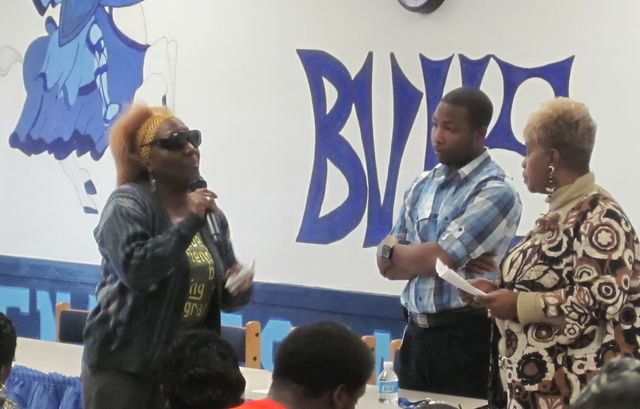
Buena Vista, a small community adjacent to Saginaw, Michigan, saw its school district suddenly shut down indefinitely on Tuesday. The closure followed the announcement by the school board Monday night that it could no longer make payroll for its 27 teachers and had laid off all of them and terminated their benefit plans. Many questions remain unanswered as school superintendent Deborah Hunter-Harvill held closed-door meetings with state and local officials on Wednesday.

An emergency public meeting was held Tuesday night which drew about 100 parents, teachers and students who expressed immense anger and mistrust toward the school and state officials implementing the shutdown. Superintendent Hunter-Harvill and school board president Randy Jackson addressed the meeting, distributing a list of “common questions” and answers, and refusing to answer any questions not on the list, citing “legal auspices” that prevented them from saying anything that would “hurt the district”.

The audience at Tuesday’s public meeting

The line from the board is that Buena Vista School District (BVSD) was mistakenly provided more than $500,000 from the state of Michigan to run a juvenile detention education program, but the program no longer exists. The state is now withholding all of the district’s funding for the months of April, May and June and part of July in order to recoup.

Among the questions that could not be answered: “Will high school seniors be able to graduate this year?”, “Why did the board spend the money meant for [juvenile detention program] Wolverine Center when it no longer existed?”, “who are you working with at the state level?”, “Will the district exist next year?”…

A parent of five schoolchildren was told her questions could not be answered

After several parents demanded to know what the money had been spent on, Jackson replied that it had been used to pay taxes to Buena Vista Township and Saginaw County. He also told the audience that the recoupment was not the result of an audit, but that in February of this year, “we [the school board] informed the state. We went to Lansing and met with them. They said they were going to come back and get it.” It is clear that state and local officials have been–and continue to be–working hand in glove.

A parent accused Jackson and Hunter-Harvill of giving the community a run-around

A May 1 posting on the BVSD web site

This article originally appeared on : World Socialist Web Site

Large opposition rally against Malaysian election result

0


By John Roberts
9 May 2013

The opposition People’s Alliance (PR) in Malaysia launched a campaign yesterday to challenge the result of Sunday’s election, denouncing it as fraudulent. Opposition leader Anwar Ibrahim vowed on Tuesday to lead a “fierce movement to clean this country from election malpractices and fraud.”

Between 50,000 and 80,000 people, many dressed in black, defied police threats of arrest to attend the first opposition rally last night at the Kelana Jaya stadium, just outside the capital Kuala Lumpur. Anwar told supporters: “This is the beginning of a battle between the people and an illegitimate, corrupt and arrogant government.”

Police banned the rally, saying the PR had not applied for a permit. The opposition insisted that permission was not required for a rally at a “designated place of assembly.” In the event, the government, which has a long history of violent crackdowns on protests, backed away from an immediate confrontation.

There is widespread anger among opposition supporters over the election result. The ruling Barisan Nasional (BN) coalition secured only 47 percent of the overall vote, yet won 133 seats–57 percent of seats in the 222-seat national parliament. The opposition gained just over 50 percent of the vote, but only 89 seats.

The election outcome is a product of a systematic gerrymander in favour of the rural ethnic Malay base of the United Malays National Organisation (UMNO), the main BN partner. Over half the seats won by BN came from only three of the country’s 13 states, the largely rural Sabah and Sarawak in Borneo, and Johor near Singapore.

Opposition support was strong in urban areas, particularly among sections of the middle class. Ethnic Chinese and Indians, who comprise about 40 percent of the population, also deserted the government in droves. UMNO-led governments have systematically discriminated against the country’s minorities in favour of ethnic Malays, including in government jobs, education and business.

The opposition has alleged that the government was involved in widespread vote buying, ballot stuffing and the transporting of voters to key marginal electorates. After more than half a century in power, UMNO also has a stranglehold over the main media and the state apparatus.

Prime Minister Najib Razak has flatly denied any electoral malpractice and disputed the findings of two Malaysian think tanks that the election was “only partially free and not fair.” The think tanks’ timid report was co-funded by the Election Commission, the British and Canadian High Commissions in

This article originally appeared on : World Socialist Web Site

Yuan Dynasty: The ‘sexy’ Chinese growth story and China’s convertibility plan

0
AFP Photo

The ‘Chinese dream’ has been made clear: the yuan will begin convertibility measures in 2013: the People’s Republic will lower interest rates, deregulate foreign investment quotas, and loosen controls on stock and bond markets.

China’s goal for 2013 is economic reform, the State Council
announced Tuesday. But, the state will have to ‘split the economic
baby’ — find a balance between exposure to the free market and
state discipline.

China has signaled it will allow its currency to be bought,
sold, and traded without any state intervention or restriction.

The growth restructure will redefine the global economic
monetary system, as the closed-capital pariah ‘people’s currency’
makes its debut as ‘free’.

The yuan reflects China’s complicated (love-hate) relationship
with capitalism and the global markets, and Margaret Bogenrief, a
co-founder of the financial advisory ACM Partners, deems the
transition inevitable, but doesn’t anticipate it’s going to be
smooth.

The yuan is an economic reflection of China’s perceived
political, socio-economic, and demographic reality and future of
China. Bogenrief describes it as a ‘financial manifestation’ of the
Chinese government’s grand scheme. It is the key to unlock
global markets and the opportunities that come with exposure to the
global markets.

“The yuan will inevitably continue to reflect China’s
struggle to both maximize exposure to open/free markets and the
Chinese government’s push to control China’s people, politics, and
economy,”
Bogenrief told RT.

A catch exists. As China tests the waters of capitalism, it is
left at a crosswords. Either the government will turn inward,
continuing its ‘hermit’ status and exert greater control over
markets, or, the yuan will be ‘released’ into the global economy
and traded openly like most other power currencies- the pound,
euro, dollar, and yen.

“China finds itself in an increasingly difficult and
unsustainable economic place, straddling both Communist and
capitalist worlds and ideals. Frankly, China can’t continue to have
it both ways: either the government will be forced to completely
open the economy, thereby unleashing pent up political and economic
frustration and rebellion across the country, or seal and
(somewhat) shut its financial and economic borders, slowing growth
and retreating inward. Whether the Chinese government wants to keep
the yuan as a “hermit” currency or not, the global economy will
eventually force the country to choose one way or another,”

said Bogenrief.

Most economic experts are predicting the yuan will be a
fully convertible currency within the next five years, but
Bogenreif sees vulnerability in the aftershock the transition will
send through the country.

“The process and the aftermath will most likely be an
ugly one for China,”
said Bogenrief.

China’s economy, and the yuan, and been driven by the last
30 year export boom.

This article originally appeared on : RT

Who Is Profiting From Charters? The Big Bucks Behind Charter School Secrecy, Financial Scandal and Corruption

0

Photo Credit: Shutterstock.com/Viorel Sima

May 8, 2013
 |

Like this article?

Join our email list:

Stay up to date with the latest headlines via email.

This article is part of a two-part series that looks at mass school closings targeting America’s inner cities and the promise of charter schools as a magic solution to alleged “failing schools.” Part I explained how the charter school movement cynically appropriates civil rights rhetoric, but often leaves the most vulnerable students worse off than before. In Part II, AlterNet looks at a more likely motivation for the “reforms”: Profit.

Studies shows that

This article originally appeared on : AlterNet

Addressing the Epidemic of Military Sexual Assault

0

http://www.truthdig.com/report/item/addressing_the_epidemic_of_military_sexual_assault_20130508/

Posted on May 8, 2013

Addressing the Epidemic of Military Sexual Assault

0
Email this item

Addressing the Epidemic of Military Sexual Assault

Email   Print this item Print   Share this item... Share
Posted on May 8, 2013

By Amy Goodman

Rape is center stage this week after the dramatic rescue of three women from close to a decade of imprisonment in a house on a quiet street in Cleveland. The suspect, Ariel Castro, has been charged with kidnap and rape. These horrific allegations have shocked the nation, and demand a full investigation and a vigorous prosecution.

Also this week, the Pentagon released a shocking new report on rape and sexual assault in the U.S. military. According to the latest available figures, an estimated average of 70 sexual assaults are committed daily within the U.S. military, or 26,000 per year. The number of actually reported sexual assaults for the Pentagon’s fiscal year 2012 was 3,374. Of that number, only 190 were sent to a court-martial proceeding.

There is a growing epidemic of rape and sexual assault in the U.S. military, perpetrated against both women and men with almost complete impunity.

The situation blew up this week when the head of the U.S. Air Force’s Sexual Assault Prevention and Response Office was himself arrested for sexual assault. Lt. Col. Jeff Krusinski, 41, was accused of sexually assaulting a woman in a parking lot outside an Arlington, Va., strip club. This comes after a recent case where a senior military officer overturned the sexual assault court-martial conviction of an officer under his command. Air Force Lt. Col. James Wilkerson was accused of sexually assaulting Kimberly Hanks at the Aviano Air Base in Italy. He was found guilty by a military jury, and sentenced to one year in jail and dismissal from military service. His conviction was overturned by Lt. Gen. Craig A. Franklin. Adding insult to the reversal, Wilkerson was transferred to an Air Force base in Tucson, Ariz., where many of Hanks’ family members live. They were joined by close to 50 people outside the base, protesting the overturning of his conviction and his transfer to their town. They are asking for his sentence and dismissal to be reinstated, and for Franklin to be fired.

President Barack Obama addressed the rape epidemic at a press conference this week, saying: “If

This article originally appeared on : TruthDig

US man charged with rape, kidnapping

0
No Operation

The requested page was not found.
Please visit the PressTV homepage Here

© Copyright 2010 Press TV. All rights reserved.

This article originally appeared on : Press TV

Early Prison Release for Enron’s Skilling, Trump Hits New Low, and More

0
Email this item

Early Prison Release for Enron’s Skilling, Trump Hits New Low, and More

Email   Print this item Print   Share this item... Share
Posted on May 8, 2013

Hearing Things: The House on Wednesday began its GOP-led probe of September’s deadly assault on the U.S. Consulate in Benghazi, Libya, with the testimony of three whistle-blowers who have challenged the Obama administration’s explanation of events in the aftermath of the attack. The trio–Gregory Hicks, the deputy chief of mission in Libya at the time, Mark Thompson, acting deputy assistant secretary for counterterrorism, and Eric Nordstrom, a former regional security officer in Libya–all expressed frustration over the government’s response. Hicks testified that he was “stunned” and “embarrassed” about the administration’s initial reaction to the attacks, which U.N. Ambassador Susan Rice initially characterized as related to protests over an anti-Islam video that had been posted on YouTube. He added that at no time did he and others suspect the incident was tied to the demonstrations. (Read more)

Cell Out: Big time corporate crook Jeffrey Skilling, the former CEO of Enron, has negotiated an early release from prison with the government. In 2006, Skilling was sentenced to 24 years in prison for his involvement in the Enron scandal, the largest case of corporate fraud ever. Among the things Skilling was convicted of: fraud, conspiracy, lying to auditors and insider trading. But the U.S. government is soft on its corporate criminals, and the deal Skilling struck could allow him to leave prison almost a decade early. “Today’s agreement will put an end to the legal battles surrounding this case,” Justice Department spokesman David Carr said. “This agreement ensures that Mr. Skilling will be appropriately punished for his crimes and that victims will finally receive the restitution they deserve.” (Read more) 

School for Scandal: Michele Bachmann is reportedly in talks to settle a lawsuit stemming from her failed 2012 presidential campaign, according to the Minneapolis StarTribune. The suit alleges that senior members of Bachmann’s campaign staff stole an email list of home-school families from an Iowa campaign staffer. The report says Bachmann went to Des Moines on Monday and met with attorneys for the woman who sued the campaign. Bachmann’s camp has

This article originally appeared on : TruthDig

Is Climate Change Fueling a Deadly Disease in California and Other Parched States?

0

Photo Credit: Rob Hainer/ Shutterstock.com

May 8, 2013
 |

Like this article?

Join our email list:

Stay up to date with the latest headlines via email.

If you haven’t heard of valley fever, you’re not alone. Although cases in states like California are rising, public awareness is low and misdiagnoses from doctors are sadly high. The AP reported an 850 percent spike in cases across the country from 1998 to 2011, with California and Arizona being the

This article originally appeared on : AlterNet

US removes 17 nuclear missile officers

0

The file photo shows the inside of the deactivated Delta Nine Launch Facility near Wall, S.D.

The US Air Force has stripped 17 officers of their authority for the control and launch of nuclear missiles after a string of unpublicized failings, a military official says.

The decision to suspend the officers was taken in April, after a March inspection of the 91st Missile Wing at Minot Air Force Base, North Dakota that resulted in a “D” grade for the team, The Associated Press Reported on Wednesday.

The team was tested on its mastery of the Minuteman III missile launch operations system.

The Air Force had publicly described the inspection as a “success.”

The 17 officers were removed from duty of 24-hour shifts of watching over nuclear missiles that can strike targets across the globe.

“We are, in fact, in a crisis right now,” the group’s commander, Lieutenant Colonel Jay Folds, wrote in an internal email that was obtained by the Associated Press and confirmed by the Air Force.

The 17 officers represent almost 5 percent of the 91st Missile Wing’s missile launch staff and will now have to undergo 60 to 90 days of intensive refresher training on how to do their jobs.

The base has come under scrutiny for other incidents in recent years that raised questions about its security and oversight.

In August 2007, six cruise missiles loaded with W80-1 nuclear warheads were flown from Minot to Barksdale Air Force Base in Louisiana before authorities discovered that the warheads hadn’t been removed for safety, as required.

Then Defense Secretary Robert Gates sacked the Air Force’s top military officer and civilian boss for the incident.

In a review of the incident in February 2008, the Defense Advisory Board blamed “process and systemic problems” that had “developed over more than a decade and have the potential for much more serious consequences.”

In July 2008, just five months after the blistering report was issued, three Air Force officers fell asleep at the controls of a component that contained old launch codes for nuclear intercontinental ballistic missiles.

The Minot base houses 150 nuclear-tipped Minuteman intercontinental ballistic missiles, a third of the US force of ground-based intercontinental missiles.

MN/AS

This article originally appeared on : Press TV

Markets Rise to Record Highs

0
Email this item

Markets Rise to Record Highs

Email   Print this item Print   Share this item... Share
Posted on May 8, 2013

Patrick Chappatte, Cagle Cartoons, Le Temps, Switzerland

Click to see more Truthdig Cartoons

Campus Carry

Missing Women

Fighting Tyranny

More Below the Ad

New and Improved Comments

If you have trouble leaving a comment, review this help page. Still having problems? Let us know. If you find yourself moderated, take a moment to review our comment policy.

Please enable JavaScript to view the comments powered by Disqus.

This article originally appeared on : TruthDig

Austerity and Debt Conspire to Wreck the Lives of Working American Families

0

Photo Credit: Shutterstock.com/Carlos Caetano

May 8, 2013
 |

Like this article?

Join our email list:

Stay up to date with the latest headlines via email.

The following is an excerpt from from Debtors’ Prison by Robert Kuttner (Knopf 2013).

In this, the fifth year of a prolonged downturn triggered by a financial crash, the prevailing view is that we all must pay for yesterday’s excess. This case is made in both economic and moral terms. Nations and households ran

This article originally appeared on : AlterNet

Radio Advertisers Seeking to ‘Exclude Rush and Hannity’ Shows, Report Says

0
Email this item

Top Radio Advertisers Said to Be Excluding Limbaugh and Hannity Shows

Email   Print this item Print   Share this item... Share
Posted on May 8, 2013
Rush
youtube.com

An advertising boycott enacted in the wake of Rush Limbaugh’s controversial “slut” comment about Sandra Fluke last year appears to be working. In the midst of a battle between Limbaugh and Cumulus Radio, the media company that carries Limbaugh’s popular program on dozens of its stations, an article Wednesday details just how bad the conservative commentator’s advertising troubles are. But more than that, it also shows for the first time that the movement is extending beyond Limbaugh to another influential conservative radio show talker–Sean Hannity. 

According to Radio Ink magazine, “Forty-eight of the top 50 network advertisers have excluded Rush and Hannity orders. Every major national ad agency has the same dictate.”

Clear Channel’s Premiere Radio Network, the distributor for both shows, has flat out denied the claim, calling the figure “completely inaccurate.” However, Cumulus Radio’s CEO stated this week that his company has lost “a couple million” dollars worth of advertising revenue in the first quarter and “a couple million” more in the second one because of the boycott.

Mediaite:

While its unclear how many advertised with the shows in the past, this revelation is significant because it is the first time Limbaugh’s #2 competitor Sean Hannity has been brought into this conversation about advertiser aversion; and because, if true, a 48 out of 50 (96%) rate of top advertisers wanting nothing to do with the shows represents a rather striking figure.

Limbaugh’s camp has made it clear in recent days that they are unhappy with Cumulus CEO Lew Dickey‘s blaming of any revenue shortfalls on his show; and, again, it’s unclear how many of these 48 companies advertised with Limbaugh and Hannity in the past. But these industry sources seem to indicate that perhaps Dickey’s accusations are credible.

Read more

–Posted by Tracy Bloom.

More Below the Ad

Get truth delivered to
your inbox every week.

Previous item: Obama May Separate Facebook and the Fourth Amendment


<br

This article originally appeared on : TruthDig

Relax, Relax at the Dying of the Light

0

http://www.truthdig.com/report/item/relax_relax_at_the_dying_of_the_light_20130508/

Posted on May 8, 2013

Relax, Relax at the Dying of the Light

0
Email this item

Relax, Relax at the Dying of the Light

Email   Print this item Print   Share this item... Share
Posted on May 8, 2013
Shutterstock photo of old people.

By Thomas Hedges, Center for Study of Responsive Law

Welsh poet Dylan Thomas told his ailing father that he should fight encroaching death, not in the hope of evading it, but as something to which he would refuse to bow down. “Old age should burn and rave at close of day,” Thomas wrote in his famous poem. “Do not go gentle into that good night,” he urged. “Rage, rage against the dying of the light.”

Sixty years later we live at odds with Thomas. There is little rage and vigor that comes after retirement. Usually it’s bingo. We play it in a sequestered nursing home or on a cruise ship during vacations that might as well be anywhere in the world. Either way, we don’t really care what’s going on outside. We’re old.

We move down to Florida if we can afford it. We can play golf every day and live in gated communities where real life is kept out. We can walk slowly on the beach and read lifestyle magazines that reduce living to health, happiness and saving money.

Indeed these are the tenets of AARP magazine, which is geared toward people ages 50 and up and boasts the largest circulation of any periodical in the world with 35 million readers, according to its Facebook page.

Every issue features a stream of celebrity gossip and self-help advice. The magazine divides people into two groups: those written about and those who worship them. Either way the message is the same: Life is good and success is about being happy.

If you’re angry at the way things are, there’s something wrong with you, the magazine seems to say. If you’re an activist past the age of 50, don’t be, it suggests. Relax and forget about the world.

The magazine wasn’t always so cynical. Eleven years ago, its articles were longer and focused on social issues. It avoided celebrity culture for the most part. The magazine addressed injustice, something it now calls “negativity.”

Look at the March/April 2000 issue,

This article originally appeared on : TruthDig

How Your Tax Dollars Fund Bad, Low-Wage Jobs and Help Fuel Inequality

0

We all have a responsibility to ensure that our tax dollars do not exacerbate economic disparity.

May 8, 2013  |  

Like this article?

Join our email list:

Stay up to date with the latest headlines via email.

The vacuous, cheerful expression of the Walmart smiley face has long been associated with the paradoxically dark reality of low-wage work. With the recent fast-food worker walkouts in New York, the golden arches may go down, too, in the annals of class-war symbology. But a report released Wednesday by the public policy organization Demos, reveals that there is one employer responsible for creating more low-wage jobs than Walmart and McDonald’s combined: Us.

According to “Underwriting Bad Jobs: How Our Tax Dollars are Funding Low-Wage Work and Fueling Inequality,” taxpayers subsidize nearly 2 million low-wage jobs through federal contracts, Medicare and Medicaid spending, Small Business Administration loans, federal infrastructure funds, and other areas of government spending.

Low-wage workers in these sectors include apparel manufacturers, construction laborers, retail workers, security guards, janitors, and home health aides, to name a few. The vast majority of these workers are paid less than $12 per hour, and depending on the sector, wages are often much lower than that. The struggle to live and raise families on low wages is made even more difficult by the lack of benefits and job security that are typically part and parcel of these jobs.

Home health aide, for example, is among the fastest growing occupations in the country. By 2020, home health aide and personal care aide jobs are expected to grow by 70% to employ 3.2 million Americans. Despite the demand for the important services home health workers provide in caring for the sick, elderly and disabled, the median wage for home health aides is $9.82 per hour. According to the Demos study, two thirds of the home health industry is supported by tax dollars funding Medicare and Medicaid.

However, not all federally funded jobs are underpaid. The report explains that while the government limits the amount of federal funding that contracting executives can receive, the cap is indexed to the compensation levels of private sector executives. So, as CEOs in the private sector have seen their incomes skyrocket, the maximum compensation for a federally contracted executive has risen to over $700,000.

Amy Traub, one of the authors of “Underwriting Bad Jobs,”

This article originally appeared on : AlterNet

How Hollywood Learned to Stop Worrying and Love the Atomic Bomb

0

Photo Credit: Shutterstock.com/Emin Ozkan

May 8, 2013
 |

Like this article?

Join our email list:

Stay up to date with the latest headlines via email.

The following is an excerpt from Hollywood Bomb: Harry S. Truman and the Unmaking of ‘The Most Important’ Movie Ever Made (Sinclair Books).

In September 1945, just weeks after the U.S. atomic attacks on Hiroshima and Nagasaki, the

This article originally appeared on : AlterNet

Students as Important as Banks, Elizabeth Warren Says in Bill Introduction

0
Email this item

Students as Important as Banks, Elizabeth Warren Says in Bill Introduction

Email   Print this item Print   Share this item... Share
Posted on May 8, 2013
Screenshot

Sen. Elizabeth Warren, D-Mass., proposed her first piece of stand-alone legislation Wednesday, the Bank on Students Loan Fairness Act. The bill is aimed at giving students who take out federally subsidized loans the same interest rate the big banks get when they borrow from the government.

Currently, student loan interest rates are 3.4 percent, but they are set to double July 1 to 6.8 percent unless Congress takes action. Meantime, the big banks responsible for plunging the economy into a recession a few short years ago pay just 0.75 percent.

“The federal government is going to charge students interest rates that are nine times higher than the rates for the biggest banks–the same banks that destroyed millions of jobs and nearly broke this economy,” Warren said on the Senate floor in introducing the measure. “That isn’t right.”

She continued, “It doesn’t reflect our values. We shouldn’t be profiting from our students who are drowning in debt while we’re giving great deals to big banks. We should be investing in our young people so they can get good jobs and grow this economy, so let’s give them the same great deal the banks get.”

According to Warren, college graduates in this country collectively carry more than $1 trillion in debt. To put that figure in perspective, that’s even more than the entire combined outstanding credit card debt in the U.S.

“Unlike the big banks, students don’t have armies of lobbyists and lawyers,” she concluded. “They have only their voices. And they call on us to do what is right.”

(h/t Americablog)

–Posted by Tracy Bloom.

Get truth delivered to
your inbox every week.

Previous item: Listen: Chris Hedges Interviews Julian Assange


New and Improved Comments

If you have trouble leaving a comment, review this help page. Still having problems? Let us know. If you find yourself moderated, take a moment to review our comment policy.

Please enable JavaScript to view the comments powered by Disqus.

This article originally appeared on : TruthDig

7 Financial Facts That Will Blow Your Mind

0

The growing cost of dying, and other mind-benders.

Photo Credit: Shutterstock.com

May 8, 2013  |  

Like this article?

Join our email list:

Stay up to date with the latest headlines via email.

What does it cost to kick the bucket? What’s the best tax scam if you want to avoid jail? Here are a few financial facts that may surprise you.

1. How much does it cost to die? Dying is a pricey proposition. A paper by Samuel Marshall, Kathleen M. McGarry and Jonathan S. Skinner examined how much people spend on out-of-pocket healthcare costs in the last year of their lives. Average bill? $11,618. For the top one percent, who get top-of-line care, the figure is $94,310.

And we haven’t even gotten to your actual death, which comes with funeral and other expenses. If you add in these, dying costs the average senior a whopping $50,000. With an oligopoly in health insurance and Uncle Sam barred from negotiating better prices for pharmaceuticals, the cost of dying is steadily going up, threatening family savings and adding untold stress to what is already a generally stressful experience.

2. Big banks are getting even bigger. As Bloomberg reports, the biggest U.S. banks have gotten even bigger since their risky and criminal behavior helped spark the financial crisis. The number of too-big-to-fail banks is projected to increase by 40 percent over the next 15 years. And consider this: When big banks get help from you and me, they behave worse. According to USA Today, banks that received federal assistance during the financial crisis “reduced lending more aggressively and gave bigger pay raises to employees than institutions that didn’t get aid.” Megabanks are undermining democracy, subverting the rule of law, rigging the world’s largest markets, and doing untold damage to the economy.

The vast majority of Americans, regardless of political affiliation, thinks banks are too big. Half think the 12 largest banks should be broken up. A growing number of economists and financial experts — among them former Fed chairman Alan Greenspan and former Citi CEO Sandy Weill — warn that unless the big banks are broken up, the economy can’t recover. President Obama is pretending that Dodd-Frank has ended too-big-to-fail, a position the Washington Post calls “ startlingly and dangerously naïve.” As

This article originally appeared on : AlterNet

Socialism or “Castles in the Air”?

0


It’s hardly a secret that the US left is barely alive. While left-wing movements in the US have hardly shaken the foundations of power in my life time, they have known moments of modest success, reshaping the political landscape in significant and irreversible ways. Since World War II, left activism has stirred and nourished important movements like the struggles for African American equality and against US aggression in Vietnam. The left has also played important roles in fueling struggles for women’s and gay rights and for strengthening environmental protection. While 1960s talk of revolution and radical alternatives were more hyperbole than real, the ferment of those days was real.

Unfortunately, little of the US left’s modest success penetrated the labor movement, a social force defanged and declawed by anti-Communism early in the Cold War. And little of the left’s wave of vitality challenged the two-party system in any serious way. As the risings of the sixties recede further and further in our collective memory, the quantity and quality of popular struggle diminishes as well.
It’s not just the number of actions or the size of the crowds that are shrinking, but also the ideological understanding that purports to animate our US left. That is, the ideas embraced by various elements of the left have grown more and more murky and superficial.
What Ails the Left?
There are many symptoms and causes of the relative decline of the US left.
But always looming in the shadows of struggles for social justice is the demon of anti-Communism. Other peoples have suffered periods of hysterical, paranoid anti-Communism, but few countries outside of the US have elevated it to a state religion. While fear of Islam may have currently replaced Cold War fears as the national obsession, anti-Communism remains deeply embedded in the national psyche. Recent movies featuring West Coast and East Coast invasions of the US by forces from the tiny Democratic People’s Republic of Korea only underscore the persistence of this demon.
Of course the US left is neither immune from nor unwelcoming to Red-baiting. From the fifties, “leftists” could earn respectability and credibility with the public ritual of denouncing Communism. It was from this period that critical financial umbilical chords from the most prominent, most influential left and liberal formations to wealthy donors, foundations, and, in some nefarious cases, the security services were established. Any independent organizations deriving grass roots funding from workers’ organizations or the nationally oppressed were routinely looked at suspiciously for Red ties.
By the early sixties, the purge of everything Red or even Pink was largely completed. Everything–words, ideas, associations–even vaguely linked to Communism had disappeared from the mainstream. And the rise of a “new” left reflected the weight of that legacy. Both opportunism and ignorance led most of the left’s new leadership to establish a political camp to the right or left of Communism, demonstrably distant from Communism: radical democracy and social democracy to the right; Maoism and anarchism to the left.
Arguably this failure to establish an honest, objective encounter with Communism, this Cold War attitude of framing all politics as a counterweight to Communism, contributed mightily to the decline of the left in the next decade. The student base and alienation from working people demonstrated the shallowness of New Left ideology. Most leaders and activists turned to careers, the Democratic Party, the social service bureaucracy, or retreated to the universities.
Anti-Communism continued and continues as a blind faith. The fall of Soviet and Eastern European socialism added a new dimension to the anti-Communist canon: Not only was Communism evil, but it didn’t work.
Without the foil of real existing socialism, the US left drifted aimlessly. Some found an ideological anchor in “market socialism,” especially with the rise of Market-Leninism in the Peoples’ Republic of China. Others found romantic answers in Comandante Zero, a pipe-smoking, inscrutable poet/revolutionary diminutive caricature of Che Guevera. Still others attempted to restore life to the New Left of the sixties. One cannot but be reminded of the situation of Russian revolutionaries after the suppressed 1905 uprising as described by Lenin:
The years of reaction (1907-10). Tsarism was victorious. All the revolutionary and opposition parties were smashed. Depression, demoralisation, splits, discord, defection, and pornography took the place of politics. There was an ever greater drift towards philosophical idealism; mysticism became the garb of counter-revolutionary sentiments. (Left Wing Communism: An Infantile Disorder)
Where most European Communists degenerated into social democrats in this period, US leftists, scarred by anti-Communism and with no similar tradition, found hope in narrow-issue activism, cult-like formations, or the unlikely revival of the New Deal Democratic Party.
Obama and the Left
The candidacy of Barack Obama proved to be a disaster for the US left. Anti-war and social justice activists put aside their signs and plans and flocked to the Obama campaign. Grandiose expectations were conjured out of thin air; a candidate associated in the past with conservative Democrats and a professed admirer of Ronald Reagan was imagined to be the second coming of Franklin Delano Roosevelt; and even cautious measures of critical support were overwhelmed by wild-eyed enthusiasm.
After the election, most of the US left kept faith with Obama, a faith that has produced very little of the anticipated change, but succeeded in disarming the left. The big loser was the historically most progressive element in US politics: the African American community. Understandably, African Americans rallied to support the first African American president, but his administration has neither represented African Americans nor lifted a finger to relieve the sinking material conditions of life for that community. In fact, often more has been done for African Americans under Republican presidents when the left is actively and vocally pressuring and Democrats are in opposition! As an example, no Republican president would get away with so few African American appointees or nominees in an administration as has the current President!
The US ruling class has successfully and opportunistically gauged the hard won level of racial tolerance of US voters. The new face of US policy and diplomacy presented by Obama was welcomed everywhere–at home and abroad–over the failed Bush regime. A byproduct of this tactic is the disarming of the left and the silencing of African American leaders. Tragically, the US left has accepted the shallow symbolism of an African American president at the expense of the African American masses.
The Crisis and the Left
For the left in the US and internationally, the profound economic crisis beginning in 2008 and continuing today offers a great opportunity to mount an anti-capitalist offensive and project a clear alternative. For over a century and a half that alternative was socialism. The vision articulated over that period differed from time to time, but shared some straightforward features: the theoretical primacy of class relations, public ownership of productive assets, an end to exploitation, a new democracy based upon the rule of the working majority, and social and economic planning. Each feature clearly addresses a glaring, unacceptable shortcoming of capitalism.
But in the US, our left will not address the devastation wrought by capitalism and embrace these features or even discuss them honestly. One of the most prominent and respected national leaders of the anti-war movement recently said: “I used to think I was a socialist… But I also think that people should have the right to be individually enterprising. I have yet to see the society that I would like to live in but I see pieces of it, bits and pieces of it here and there.” This is hardly encouragement for the 11.7 million US citizens looking for a job, the nearly 8 million who would prefer a full-time job over their part-time employment, or the tens of millions who still lack health insurance, all benefits once guaranteed and delivered by real, existing socialism.
Another prominent left pundit, in reviewing another left oracle’s “new economy” manifesto, remarks that the author’s assumptions are “…that socialism, as we have known it in the 20th century did not work.” He blithely concedes that the book’s author “spends little time critiquing 20th century socialism.” Not deterred by the lack of argument, the reviewer affirms that “I was persuaded… that a glimpse into the future is critical largely due to reality of the failure of 20th century socialism, or more accurately, what is better described as the crisis of socialism.” “…did not work, “failure,” “crisis” are the unexamined, easy assumptions of our floundering left.
So what do they offer as an alternative?
Anything but the socialism associated with Communism. They take us back to the foolishness that Marx and Engels called “utopian socialism,” the schemes concocted by Fourier and Owen in the early 19th century. In the Communist Manifesto they conclude that utopians “…therefore, endeavor, and that consistently, to deaden the class struggle and to reconcile the class antagonisms. They still dream of experimental realization of their social utopias, of founding isolated phalansteres, of establishing ‘Home Colonies,’ or setting up a ‘Little Icaria”–pocket editions of the New Jerusalem–and to realize all these castles in the air, and they are compelled to appeal to the feeling and purses of the bourgeois… They, therefore, violently oppose all political action on the part of the working class; such action, according to them, can only result from blind unbelief in the new gospel.”
We find a modern incarnation of utopianism in the “New Economy” movement, the US left’s current flavor of the day. Back in late 2011, Professor Gar Alperovitz reached for the golden ring of utopia with his America Beyond Capitalism: Reclaiming our Wealth, our Liberty, and our Democracy, a book that promised to take the disenfranchised in the US from peasants to lords. Alperovitz, like his utopian predecessors, believes that ideas generously given from a fount of wisdom will, if only embraced by those below, lead to “democratizing capital.” Alperovitz’s magical ideas are the spawning of “thousands of co-ops, worker-owned businesses, land trusts, and municipal enterprises” that will, with time, “democratize the deep structure of the American economic system.” A more romantic version of Marx and Engel’s derisive “new gospel” I cannot imagine.
The very notion of “democratizing” something, let us say “capital,” that doesn’t wish to be “democratized” is mind-boggling. Will capital be embarrassed into sharing the wealth? Will the success of co-ops demonstrate to Exxon that energy should be free to all and produced in an environmentally sound manner? Will the 17-trillion-dollar US-based multinational corporate behemoth shudder in the face of worker-owned enterprises and co-ops, surrendering control of the boards of directors to the people?
I don’t think so.
Alperovitz points to existing self-styled alternative ownership models like ESOPs (Employee Stock Ownership Programs), community development corporations, co-ops, etc. as the way forward (he concedes that ESOPs have a dubious record). As such, they would offer a relatively painless “evolutionary” road different “from traditional theories of ‘revolution’.” Many “businessmen, bankers, and others, in fact, commonly support the idea [of co-ops] on practical and moral grounds,” Alperovitz proclaims. Of course they do; they see no challenge to capitalism and a possible opportunity to cash in!
The fact that “castles in the air” ideas like Alperovitz’s actually gain traction demonstrates the sad state of the US left. The fact that opinion polls show a decided increase in interest in socialism is encouraging; however, the fact that those new to the idea must taste through the unappealing, non-nourishing gruel currently favored by so many on the left is disappointing. 
For more than a century and a half, socialism–the public and democratic ownership of the essential means of production under a majority peoples’ democracy–continues to be the only ultimate answer to a tenuous and destructive capitalist system.
Zoltan Zigedy
zoltanzigedy@gmail.com

Obama May Separate Facebook and the Fourth Amendment

0
Email this item

Obama May Separate Facebook and the Fourth Amendment

Email   Print this item Print   Share this item... Share
Posted on May 8, 2013
Poster Boy NYC (CC BY 2.0)

The Obama administration is on the verge of backing an FBI plan that would require websites that receive a wiretap order to comply by building surveillance capabilities into their communication services, officials say. Fines for those targeted companies that fail to add such functions would start at $25,000 a day. 

Critics of the proposal contend it runs afoul of the Fourth Amendment’s protection against unreasonable search and seizures.

Both the public and Congress reacted with protest when after the 9/11 attacks the Bush administration revealed a mass surveillance plan known as Total Information Awareness. Congress defunded the program in 2003, but as prescient critics noted at the time, officials who wanted to closely monitor Americans would eventually acquire the means to do so by breaking up surveillance practices into numerous different offices. The White House-backed FBI plan is the latest iteration of that effort.

–Posted by Alexander Reed Kelly.

The New York Times:

The F.B.I. director, Robert S. Mueller III, has argued that the bureau’s ability to carry out court-approved eavesdropping on suspects is “going dark” as communications technology evolves, and since 2010 has pushed for a legal mandate requiring companies like Facebook and Google to build into their instant-messaging and other such systems a capacity to comply with wiretap orders.

Read more

More Below the Ad

Get truth delivered to
your inbox every week.

Previous item: Fraud No Impediment to Foreclosure, Florida Lawmakers Decide


New and Improved Comments

If you have trouble leaving a comment, review this help page. Still having problems? Let us know. If you find yourself moderated, take a moment to review our comment policy.

Please enable JavaScript to view the comments powered by Disqus.

This article originally appeared on : TruthDig

Obama Makes Black Liberation Speech an Act of Terrorism

0
Assata-Shakur-2

The announcement that the FBI added Assat Shakur to the list of most wanted terrorists was initially mystifying, a real life example of the shock doctrine. Shakur has been a fugitive ever since 1979 and was granted asylum by Cuba in 1984. It seemed inexplicable that the government would reinitiate searching for a 65-year old woman who had already been at large for more than thirty years. Yet the FBI made a grand show of the announcement, complete with a black agent at the podium and a phalanx of New Jersey state troopers. Not only was Shaukur added to the most wanted terrorist list but the government added $1 million to the $1 million bounty already in place.

Because of Barack Obama, Assata Shakur now faces the possibility of being kidnapped or murdered by the United States government. She may be held indefinitely without being charged or tried. Not only is she in danger, but because of Obama anyone who does as little as publicly defend her may potentially face the same fate.

It is the terrorist label which puts her and her supporters at greatest risk. The Patriot Act made giving “material support to terror” a federal offense which not only is punished very harshly, but is so amorphous as to mean anything the government chooses it to mean. In the Supreme Court decision which began the material support onslaught, a group attempting to teach peaceful activism was found nonetheless guilty because they had contact with the group designated as terrorist. The justices ruled that their intentions were of no consequence.

The only people safe in speaking of or contacting Shakur are those who mean her harm, and a bounty of $2 million will increase the number of persons who fall into that category. Not only is it important to resist the government and defend Shakur but also to name the villain in this story and that person is none other than Barack Obama.

One cannot be separated from the other. It is sad to see the continued effort to excuse Obama’s crimes and let him off the hook on so many occasions, but in the case of Assata Shakur the disingenuousness is particularly dangerous. Barack Obama has made manifest his predecessor’s desire to create a truly fascist machinery in this country. He resurrected the all but dead espionage act to prosecute whistle blowers and at a rate unknown under previous administrations. George

This article originally appeared on : Global Research

Fraud No Impediment to Foreclosure, Florida Lawmakers Decide

0
Email this item

Fraud No Impediment to Foreclosure, Florida Lawmakers Decide

Email   Print this item Print   Share this item... Share
Posted on May 8, 2013
Richard Elzey (CC BY 2.0)

A foreclosed home in Spring Hill, Fla.

Legislation passed Friday in Florida “prevents a homeowner who loses a foreclosure case from recovering the property, even if the bank’s actions are later determined to be fraudulent,” the Sarasota Herald-Tribune reports.

An estimated 352,890 foreclosures are languishing in the court system statewide.

Republican state Sen. Nancy Detert has little sympathy for homeowners caught in the fraudulent robo-signing scandal. Although banks committed wrongs in falsifying foreclosure documents, she says, they did so only in cases in which homeowners were already behind on their mortgage payments.

“People are victims of fraud, the fraud was the bank robo signing, but those people were already in default on their loans so they had not made their payments,” Detert said. There was no indication in the article published by the Herald-Tribune that Detert believed banks should be punished for fraud.

The state Senate approved the bill 26-13, largely on a party line vote.

The measure was passed in the context of a housing market that many experts allege is improving nationally. But recent reporting showed the real estate comeback is largely attributable to banks (rather than consumers) buying up homes and selectively stalling foreclosures.

–Posted by Alexander Reed Kelly.

More Below the Ad

Get truth delivered to
your inbox every week.

Previous item: Horrific Details Emerge in Cleveland Kidnapping Case


New and Improved Comments

If you have trouble leaving a comment, review this help page. Still having problems? Let us know. If you find yourself moderated, take a moment to review our comment policy.

Please enable JavaScript to view the comments powered by Disqus.

This article originally appeared on : TruthDig

Top General's Unbelievably Idiotic Comment About Rape in the Middle of Military Rape Epidemic

0

A Pentagon report revealed that sexual assault had jumped 35% in just 2 years. The military continues being clueless.

May 8, 2013  |  

Like this article?

Join our email list:

Stay up to date with the latest headlines via email.

This has not been a great PR week for the military. On Sunday a serviceman was  arrested for sexual assault. And in what sounds like an Onion headline, the sexual assaulter really was the chief of the Air Force’s sexual assault prevention unit. Tuesday, a Pentagon  report revealed that sexual assault had jumped from 19,000 cases in 2010 to 26,000 in 2012. That’s an increase of 35%! Another highlight of Tuesday was testimony from the Air Force’s top commander, Gen. Mark A. Welsh III, before the  Senate Armed Services Committee. Welsh managed to trivialize sexual assault both by emphasizing how common it was in society outside of the military and comparing it to consensual sexual interactions. Welsh  noted that 20% of women report they had been sexually assaulted,

“before they came into the military…. So they come in from a society where this occurs…. Some of it is the hookup mentality of junior high even and high school students now, which my children can tell you about from watching their friends and being frustrated by it.”

Wow. Welsh is a true renaissance man. A general and a social scientist who studies sexual behavior. Somehow, however, he fails to grasp that really subtle distinction between sex between consenting adults and rape. In all fairness, he’s doing a great job representing the military, which is unable to recognize or respond to sexual assault and rape.

Sexual assault in the military is systemic and rampant, not an isolated incident. In fact, a woman serving in Iraq or Afghanistan is more likely to be raped by a fellow service member than to be killed in the line of fire. Since 2006, more than 95,000 service members have been sexually assaulted in the U.S. military. More than 86% of service members do not report their assault. Less than five percent of all sexual assaults are prosecuted, and less than a third of those cases result in imprisonment. There are an estimated

This article originally appeared on : AlterNet

Why Cops Bust Down Doors of Medical Pot Growers, But Ignore Men Who Keep Naked Girls on Leashes

0

Thanks to the drug war, police have much more incentive to go after drug crimes than more heinous crimes.

May 8, 2013  |  

Like this article?

Join our email list:

Stay up to date with the latest headlines via email.

Earlier this year, men wearing black ski masks whipped out their guns and raided the home of 62-year-old Cathy Jordan, a medical marijuana patient and activist. They seized 23 of her plants, two of which were mature enough to be used for her medicine. Police officers with the Manatee County Sheriff’s Department, the team of armed men, made no arrests, but later charged Jordan and her husband with marijuana cultivation. A district attorney later dropped the case.

In Colorado this year, a 13-person SWAT raid on two medical marijuana users began with a kicked-in door and a flash bang grenade.

“They acted like they were coming for a big terrorist,” Chuck Ball, one of the patients, told KRDO. “They came in here, drug me across the kitchen floor and handcuffed me,” he said. “They kept telling me to shut up.”

According to KRDO, “Ball said the raid was prompted by tips to investigators from his roommate’s estranged ex who told police that there was an illegal number of medical marijuana plants in the house.”

No charges were filed because the patients were growing a legal amount of medical marijuana.

Strange, isn’t it, that hunches and vague tips about potential marijuana growing (in a state that recently legalized the drug!) is motivation enough to send a SWAT team busting down a door? Compare that to recent reports that police in Cleveland, Ohio ignored years of tips and calls about strange things going on in the home of the three Cleveland men suspected of holding captive, brutally raping and beating three women for nearly a decade.

Before the big break on Monday, neighbors say they knew something was up and claim that they repeatedly called the cops. The police did not appear concerned; they certainly lacked the enthusiasm many law enforcement officers display when going after drug crimes (and non-crimes):

USA Today:

Elsie Cintron, who lives three houses away, said her daughter once saw a naked woman crawling on her hands and knees in the backyard several years ago and called police. “But they didn’t take it

This article originally appeared on : AlterNet

Mark Sanford’s Appalachian Spring

0

http://www.truthdig.com/report/item/mark_sanfords_appalachian_spring_20130508/

Posted on May 8, 2013

Mark Sanford’s Appalachian Spring

0
Email this item

Mark Sanford’s Appalachian Spring

Email   Print this item Print   Share this item... Share
Posted on May 8, 2013
AP/Mic Smith

By E.J. Dionne, Jr.

WASHINGTON–“I want to publicly acknowledge God’s role in all of this,” declared a victorious Mark Sanford as he celebrated an unlikely political rebirth Tuesday night with a sermon praising the Supreme Being and the many “angels” who helped the once-disgraced former governor along the way.

Perhaps the Almighty did inspire those who drew the boundaries of South Carolina’s 1st Congressional District. They packed it with so many Republicans that Sanford was able to engineer a comeback in the polls by debating a flat piece of cardboard bearing the image of House Minority Leader Nancy Pelosi.

Voters in the Lowcountry may have been weary of a man who made a national spectacle of himself by covering up an affair when he was chief executive and then hanging around in office. But when called to arms against liberals and spending and big government, they were prepared to forget Sanford’s hike on the Appalachian Trail, the one that never happened but was his attempt at a false alibi for being in Argentina to see his lover-now-fiancee.

His Democratic opponent, Elizabeth Colbert Busch, tried everything she could to shove party and philosophy out of the voters’ minds and keep them focused on the man they had once loathed and laughed at.

She made herself relatively scarce when it came to campaign appearances and her advertising was out of a Chamber of Commerce promotion. “Elizabeth knows jobs” was the opener on a spot that touted her as a “Charleston businesswoman” and spoke of the importance of math and science–hard to argue with that. She closed by telling voters: “I’m running for Congress to create jobs in South Carolina. That’s what I know.”

What she and her handlers did not know, or hoped wasn’t true, was how deep our regional and partisan divisions are. You can run from ideology but you can’t hide. Ironically, it is Colbert Busch’s brother Stephen Colbert who became one of the era’s most entertaining and astute political satirists by understanding the power of ideology. You might say that Sanford’s whole campaign was drawn from a Stephen Colbert sketch.

And, yes, this was

This article originally appeared on : TruthDig

Fear, Paranoia and Loathing: Inside the NRA's 2013 Convention

0

To swing the door on a National Rifle Association annual meeting is to enter a world where Freedom comes from a gun.

National Rifle Association chief executive Wayne LaPierre speaks during the 2013 NRA Annual Meeting on May 3, 2013 in Houston, Texas.
Photo Credit: AFP

May 8, 2013  |  

Like this article?

Join our email list:

Stay up to date with the latest headlines via email.

HOUSTON — To swing the door on a National Rifle Association annual meeting is to enter a world where Freedom comes from a gun. The gun’s purpose is not important. It doesn’t have to be American made. It can be any number of shapes, so long as it has a grip, a trigger, and a barrel. But only from a gun barrel can Freedom flow. In the words of multiple NRA members who confronted protestors this past weekend, “The Second Amendment is the one thing protecting the First.”

Last May in St. Louis, NRA leaders pounded away at this idea in a torrent of Apocalyptic warnings about the consequences of failure in the November elections. A year later, gathering two weeks after helping defeat the biggest effort to strengthen gun laws in a generation, the same men delivered the NRA’s Second Amendment gospel with a newfound swagger. Unchanged was the primacy of guns and gun rights in the NRA’s understanding of the world and everything in it. In his opening speech, Executive Vice President Wayne LaPierre described the gun enthusiasts before him as “Freedom’s biggest army, greatest hope, and brightest future.” The group’s chief lobbyist-strategist, the boyish Tennessean Chris Cox, celebrated the convention as “the biggest celebration ever of American values,” whose 86,000-plus attendees embodied “the essence of participation in American democracy.”

NRA summits involve leadership votes and platform debates, but NRA-style democracy isn’t about those things alone. It’s also about the guns that make it possible. Which is why NRA conventions feature an exhibition hall packed with hundreds of booths displaying Freedom’s latest fashions — what the group calls “the most spectacular displays of firearms, shooting and hunting accessories in the world.”

The big story on the floor this year was the post-election sales bounce following Sandy Hook and a revitalized gun violence debate. Companies that had reduced production to normal post-election levels in November were blindsided by

This article originally appeared on : AlterNet

A Handful of Giant Food Companies Are Winning the Fight to Control Your Dinner Plate

0

Photo Credit: © koko-tewan/ Shutterstock.com

May 8, 2013
 |

Like this article?

Join our email list:

Stay up to date with the latest headlines via email.

My new book is called Foodopoly. It’s about the corporate control of every aspect of our food system, from how what we eat is labeled to the pesticides we’re exposed to.

We, the people, must reclaim our democracy. We must reestablish strong antitrust laws to begin the work of fixing our broken, corporate-controlled

This article originally appeared on : AlterNet

And Then There Was One

0

http://www.truthdig.com/report/item/and_then_there_was_one_20130508/

Posted on May 8, 2013

And Then There Was One

0
Email this item

And Then There Was One

Email   Print this item Print   Share this item... Share
Posted on May 8, 2013
1968 Dodge Charger R/T | Scott Crawford (CC BY-ND 2.0)

By Tom Engelhardt, TomDispatch

This piece first appeared at TomDispatch.

It stretched from the Caspian to the Baltic Sea, from the middle of Europe to the Kurile Islands in the Pacific, from Siberia to Central Asia. Its nuclear arsenal held 45,000 warheads, and its military had five million troops under arms. There had been nothing like it in Eurasia since the Mongols conquered China, took parts of Central Asia and the Iranian plateau, and rode into the Middle East, looting Baghdad. Yet when the Soviet Union collapsed in December 1991, by far the poorer, weaker imperial power disappeared.

And then there was one. There had never been such a moment: a single nation astride the globe without a competitor in sight. There wasn’t even a name for such a state (or state of mind). “Superpower” had already been used when there were two of them. “Hyperpower” was tried briefly but didn’t stick. “Sole superpower” stood in for a while but didn’t satisfy. “Great Power,” once the zenith of appellations, was by then a lesser phrase, left over from the centuries when various European nations and Japan were expanding their empires. Some started speaking about a “unipolar” world in which all roads led… well, to Washington.

To this day, we’ve never quite taken in that moment when Soviet imperial rot unexpectedly– above all, to Washington–became imperial crash-and-burn. Left standing, the Cold War’s victor seemed, then, like an empire of everything under the sun. It was as if humanity had always been traveling toward this spot. It seemed like the end of the line.

The Last Empire?

After the rise and fall of the Assyrians and the Romans, the Persians, the Chinese, the Mongols, the Spanish, the Portuguese, the Dutch, the French, the English, the Germans, and the Japanese, some process seemed over. The United States was dominant in a previously unimaginable way–except in Hollywood films where villains cackled about their evil plans to dominate the world.

As a start, the U.S. was an empire

This article originally appeared on : TruthDig

US removes 17 nuclear missile officers

0

The US Department of Defense has relieved 17 Air Force officers of their responsibilities for the control and launch of intercontinental ballistic nuclear missiles, a military official says.

GMA/SS

This article originally appeared on : Press TV

Did Make-Up Give My Wife Breast Cancer? The Ugly Truth Hidden by the Cosmetics Industry

0

The virtually unregulated beauty industry puts potential carcinogens in their products. Then they shower us with “pink ribbons” to broadcast their support for a cure.

May 8, 2013  |  

Like this article?

Join our email list:

Stay up to date with the latest headlines via email.

When Kathleen felt a lump in her right breast she began a journey that millions have experienced–or, sadly, will experience. After a painful biopsy and other tests confirmed it was cancer, my wife was thrown into a cauldron of tears, doubt, and fear for herself and her loved ones. Our two daughters were then just eight and twelve.

Like many cancer patients, Kathleen also experienced a stranglehold of guilt. Was it something she did or didn’t do that fed the tumor? Was it the meat in our diet? Our water? The air? Her genes? I assured her that we couldn’t be at fault. We had banned soda pop and anything with high-fructose corn syrup from our house more than a decade before. We tried to eat organic food, we were transitioning to more vegetarian fare, and she did yoga and took regular walks. We didn’t even have cable.

After a test showed that Kathleen didn’t have the BRCA breast cancer gene, her surgeon, Dr. Sonya Sharpless, suggested that environmental factors might be implicated. But what could they be? Kathleen had already thrown out a bevy of household cleaning products and plastic containers.

Then she discovered the work of the Breast Cancer Fund, a San Francisco-based advocacy group that for the last ten years has been focusing on cancer-causing agents in personal care products. Through a coalition of health and environmental groups called the Campaign for Safe Cosmetics (of which the Breast Cancer Fund is the principal sponsor), the organization has been drawing attention to the fact that known carcinogens–substances like formaldehyde–are used as preservatives in everything from suntan oil to makeup. Kathleen frantically threw out her all her expensive Clinique and Shiseido cosmetics.

Did a lifetime of using cosmetics cause or contribute to Kathleen’s breast cancer? We don’t know. But here are some facts that every American woman and her loved ones should absorb. The European Union bans nearly 1,400 chemicals from personal care products because they are carcinogenic, mutagenic, or toxic to reproduction. But in the United States, the Food and Drug Administration entrusts

This article originally appeared on : AlterNet

Pentagon Contractors Have Trained the Terrorists in the Use of Chemical Weapons in Syria

0
Chossudovsky1

CNN just a couple of months ago confirmed that contractors hired by the Pentagon were in fact training the terrorists in the use of chemical weapons.

And now we have a statement by a United Nations Independent Commission, which has confirmed unequivocally — and it was revealed on the same day — that the terrorists who are backed by the United States and its allies, they are in possession of deadly sarin nerve gas, which they are using against the civilian population.”

Press TV has conducted an interview with Michael Chossudovsky, Center for Research on Globalization, Montreal about the statement made by Syrian President Bashar al-Assad that Syria is able to face Israel.

The following is an approximate transcript of the interview.Press TV:Bashar al-Assad has said Syria is capable of facing Israel. Just how much do you think there will be a military confrontation between Damascus and Tel Aviv and which do you think can overcome the other?Chossudovsky:

Let me first address the statement of Secretary of State John Kerry. The United States was involved in the decision to bomb Syria. This was not strictly an act of aggression on the part of Israel acting on its own. It was an act of aggression, which was approved by the United States, namely the Pentagon as well as NATO. It is an act of aggression and a violation of international law.

When Secretary of State John Kerry says we need to reach a solution and presents himself as a mediator, we are in effect in a dead alley because “an aggressor” presenting himself as “a mediator” is a non-sequitur.

You can’t on the one hand support an armed insurrection of terrorists against the Syrian government — and incidentally provide chemical weapons to these al-Qaeda terrorists; give them funding and at the same time present yourself as a mediator.

In fact, CNN just a couple of months ago confirmed that contractors hired by the Pentagon were in fact training the terrorists in the use of chemical weapons.

And now we have a statement by a United Nations Independent Commission, which has confirmed unequivocally — and it was revealed on the same day — that the terrorists who are backed by the United States and its allies, are in possession of deadly sarin nerve gas, which they are using against the civilian population.So, we can talk about reaching a peaceful solution, but the issue is about those who are

This article originally appeared on : Global Research

7 Weirdest Conspiracy Theories Now Taken Seriously by GOP

0

Right-wing fear peddlers are now advising elected representatives to initiate investigations and draft bills addressing non-existent threats.

May 8, 2013  |  

Like this article?

Join our email list:

Stay up to date with the latest headlines via email.

Once upon a time, the most outlandish fantasies of fringe political fabulists were confined to a narrow spectrum on the AM radio dial. They concocted delusional narratives that ranged from murderous first ladies to galactic alliances with Martians. It was an entertaining world of fiction and a guilty pleasure for some, even as the true believers were convinced of the frightening fate that was unfolding.

Today, however, the boundaries between rational political discourse and raving madness have been erased. The extremist peddlers of nightmare scenarios who were once thought to be charmingly eccentric at 1am are now advising elected representatives of the people to initiate investigations and draft bills addressing these non-existent threats. Here are just a few of the urban legends that are circulating in the halls of state and federal legislative bodies courtesy of the whack job broadcasting set.

1. The UN Arms Treaty and US Sovereignty
The United Nations recently passed an initiative to address the proliferation of “illegal” arms trading amongst terrorists and rogue nations. As expected, the right-wing Chicken Little Brigade immediately began protesting that this was another attempt to dilute national sovereignty and bring about a one-world government. Of course, there is nothing in the proposal that would infringe on the rights of any nation to set their own standards for gun ownership. The actual resolution explicitly states that countries will “exclusively” maintain the right within their borders to, “regulate internal transfers of arms and national ownership, including through national constitutional protections on private ownerships.“

This perfectly reasonable attempt to disarm criminals and tyrants was opposed initially by Alex Jones and similar fringe broadcasters. But eventually their outrage bubbled up to singe Republicans in congress who managed to prevent the treaty’s ratification. The GOP opposition was notable for the fact that it concurred with the only three UN nations that also opposed it: Syria, Iran and North Korea.

2. Commies?
This may seem like a throwback to the 1950s and the Red Scare promulgated by Sen. Joseph McCarthy and others. But make no mistake, this is all too current. Commie

This article originally appeared on : AlterNet

Why the "Sexually Pure Good Girl" Is a BS Myth That Screws Both Women and Men

0

Why the idea that there are two kinds of women – “good girls” and everyone else?

Photo Credit: Shutterstock.com/Valeriy Lebedev

May 8, 2013  |  

Like this article?

Join our email list:

Stay up to date with the latest headlines via email.

Everyone else on earth is as annoyed with “purity” as I am, right? The idea that there are two kinds of women–”good girls” and everyone else, and one of them is good for fucking and the other one is good for marriage and never the twain shall meet and zzzzzzzzzzzzzzzzz? How is this fulfilling for anyone? Enough.

I came across two things this week that hurt to read. The first was a dumb collection of dumb shit written by a dummy, entitled ” Why Good Girls Have Become As Extinct As Unicorns” (NSFW). In it, the anonymous male author explains that modern women are disgusting sluts who deserve to be taken advantage of, so if you manage to find a “good girl” (ideally by grooming her from kindergarten onward), you should legally cleave to her and imprison her in your bungalow posthaste before some other dude snatches up “your” prize. You can always cheat on her later when she gets “boring,” which she definitely will, because she’s not a person, she’s just a vagina. This is “the mindset of men in the 21st century.” Deal with it, ladies.

The second painful thing I read today–an utterly gutting counterpoint to the first–was a speech by kidnapping and rape survivor Elizabeth Smart. Speaking at a Johns Hopkins human trafficking forum, Smart explained why she didn’t try to run from her captors, or even cry for help when they took her out in public:

Smart said she “felt so dirty and so filthy” after she was raped by her captor, and she understands why someone wouldn’t run “because of that alone.”

Smart spoke at a Johns Hopkins human trafficking forum, saying she was raised in a religious household and recalled a school teacher who spoke once about abstinence and compared sex to chewing gum.

“I thought, ‘Oh, my gosh, I’m that chewed up piece of gum, nobody re-chews a piece of gum, you throw it away.’ And that’s how easy it is to feel like you know longer have worth, you know longer have value,”

This article originally appeared on : AlterNet

‘US agents kill Mexicans across border’

0

File photo shows a US Border Patrol official firing a rifle.

US border agents have been found shooting firearms across the Mexican border, killing at least six Mexicans on their native land, a report reveals.

Over the past five years, US agents have shot their guns across the border at least 10 times while killing six natives on Mexican land, a report published this month by the Washington Monthly has found.

“The picture that emerges from this investigation is of an agency operating with thousands of poorly trained rookies and failing to provide the kind of transparency, accountability, and clear rules of engagement that Americans routinely expect of law enforcement agencies,” said investigative reporter John Carlos Frey.

The comment came as Washington debates aspects of the immigration reform, including steps to citizenship for undocumented immigrants, expands visas for highly skilled immigrants and creates measures to strengthen border security.

Rights groups and activists, however, expressed concerns that the reform plan will bring new pressures on illegal immigrants.

“If we increase the Border Patrol force by thousands more, as you say, increase militarization at the border, I think we’re going to have more incidents here. We’re talking about dealing with immigration or immigrants in a militaristic way, as opposed to in a human way. And what we’re seeing now is the result of using guns instead of diplomacy,” said Frey.

Public support for immigration reform has been steadily mounting, with protest rallies routinely held up in major cities across the United States.

On any given day, there are 33,000 people detained by the US Immigration and Customs Enforcement (ICE), who spend an average of 26.5 days behind bars. In 2011, ICE deported nearly 400,000 people, with an annual cost of USD 1.7 billion to hold immigrants.

GMA/KA

This article originally appeared on : Press TV

Horrific Details Emerge in Cleveland Kidnapping Case

0
Email this item

Horrific Details Emerge in Cleveland Kidnapping Case

Email   Print this item Print   Share this item... Share
Posted on May 8, 2013
AP/Tony Dejak

Sheriff deputies stand outside the Cleveland home where three women who vanished a decade ago were found.

The three women who were kidnapped and held captive in a Cleveland home for a decade were raped, beaten mercilessly while pregnant, kept in ropes and chains and forced to crawl around on their hands and knees naked in the backyard by their captors, according to reports.

Michelle Knight, Amanda Berry and Gina DeJesus–who had been separately reported as missing–were discovered alive Monday. Police have arrested three brothers in the case, Ariel Castro–who owned the home–Pedro Castro and Onil Castro. Formal charges are expected to be filed against them soon.

Cleveland Police Chief Michael McGrath described some of the gruesome conditions the three victims were forced to face during an appearance on NBC’s “Today” show on Wednesday morning.

“We have confirmation that they were bound and there was chains and ropes in the home,” McGrath said. He added that they were very rarely permitted outside. McGrath offered few other details, although he said authorities would know more once the interviews with the women were completed.

WKYC, the NBC affiliate in Cleveland, has also reported that the women were raped and may have been pregnant as many as five times. While with child, WKYC reported, the women were subjected to horrific beatings, and one of the women may have had three miscarriages. The only child known to have survived is a 6-year-old who Berry has said is her daughter.

Neighbors also reported calling police on numerous occasions, including after witnessing naked women on dog leashes being forced to crawl around the backyard of the home, but evidently police did not take action.

USA Today:

Elsie Cintron, who lives three houses away, said her daughter once saw a naked woman crawling on her hands and knees in the backyard several years ago and called police. “But they didn’t take it seriously,” she said.

Another neighbor, Israel Lugo, said he heard pounding on some of the doors of Castro’s house, which had plastic bags on the windows, in November 2011. Lugo said

This article originally appeared on : TruthDig

Americans Across the Land Say NO to Austerity: Local Struggles against Budget Cuts

0
FINANCIAL MANIPULATION: Unrestrained Stimulus and Draconian Economic Austerity: Two Sides of the Same Coin

Between sequestration, with its damaging impact on workers and the economy, and the billions of dollars in cuts to Social Security, Medicare and other necessary social programs that President Obama is pushing, it is evident that the economic policies of both major parties are not intended to promote a recovery for working people.

You cannot lift up a nation’s economy while slashing away at its consumers’ pocketbooks. In order to justify their defiance of this elementary law, both Republicans and Democrats start talking the language of “austerity,” that is, the notion that economic policy must be guided by reducing budgetary deficits first and foremost, and that workers exclusively must be made to pay the cost.

Policies associated with austerity include the cutting of public programs, privatizing existing government assets, mass layoffs of public workers and wage freezes for those who remain, union busting in the public sector and the revising of labor laws to further enhance the power of employers at the expense of employees.

Enforcing these policies during a recession prevents a recovery. Economic theory predicts this and history demonstrates it. Why, then, would the politicians promote austerity? Because these policies assure that the 1% will be let off the hook from paying their fair share of taxes that help subsidize the social safety net, and will have vast pools of public capital opened up for their private investment.

Why worry about the overall economy when the real power brokers from the corporations and banks are making out just fine with austerity? The message seems clear: As long as Wall Street is enjoying the “recovery,” no one else gets to. Wall Street has used its vast wealth to lobby politicians for policies that are in its interests. In order for working people to climb out of the recession, they will have to organize in order to create their own power base.

Local Struggles

As already noted, austerity is being enforced on a national scale. Below the radar of news headlines, for the most part, the policies of austerity are spreading on a local level as well with even more devastating immediate impact. Along with this, there has been a growing grassroots opposition to austerity starting locally.

This is most visibly the case in Chicago where Mayor Rahm Emanuel plans to sacrifice 54 public schools on the alter of austerity and Obama’s “Race to the Top.” Thirty thousand students from primarily low-income black and Latino neighborhoods will

This article originally appeared on : Global Research

Israel Supports Al Qaeda Operatives in Syria

0
israeli fighter jet

This is the third attack recently. Now nobody can say Israel stands aside. The conflict in Syria spills over the national borders to encompass other international actors.

Israeli aviation hit a target in the North-West of Damascus. 300 are killed and wounded as a result; dozens of military warehouses are destroyed. Overall 43 military targets are struck, including the headquarters of 43 the army division, underground bunkers storing Scud missiles, the positions of 104th and 105th brigades (where Iranian advisors were located), and a military research facility. 18 aircraft are reported to take part in the operation. Magnitude 5.4-strong earthquake shook the area after the most powerful explosion.

The fact that Israel sides with the forces of terror appears to be something out of ordinary. It’s a long time since Israel started to use terrorist methods against Palestinians, but there have been no reports on their cooperation with Al Qaeda as yet… Israel is second to none fighting terrorists; nobody can match its HUMINT capabilities.

And now, they strike from flanks in support of militants terrorizing Syria’s population. What goal is pursued? Eliminating Syrian Scud missiles with chemical (sarin gas) warheads, capable to strike Israeli territory? But Syria had no intention to attack the neighboring state being itself plunged into the quagmire of terrorists-led insurgency.

So what is behind the Israeli aggression? Israel understands Damascus will abstain from retaliation as long as it can. It’s not the right time for combat beyond the national borders. It realizes it and strikes without mercy. It even ignores the fact that Carla Ponte, a leading member of the UN Independent International Commission of Inquiry on Syria, said says there are «strong concrete suspicions but not yet incontrovertible proof that Syrian rebels have used the nerve agent sarin».

Israel is on the way of taking the axe of war and there are quite different reasons for that.

The following reports are noteworthy: the Pentagon has come up with a number of action plans to intervene into the Syrian conflict… Obama says he has no intention to take a military action while there is no evidence that Syria uses chemical weapons, but still he has issued a «serious warning» to Syrian leadership.

So, what are the options offered by the Pentagon?

1. Expansion of arms supplies to the rebels.

But they get arms from different sources and it has not turned the tide of war. True, the United States may start deliveries of up-to-date anti-tank, portable air defense and communication

This article originally appeared on : Global Research

5 Shocking Revelations From the Cleveland Kidnapping

0

New details from the decade-long nightmare reveal a true house of horrors and puzzling police incompetence.

Photo Credit: Artem Furman/Shutterstock.com

May 8, 2013  |  

Like this article?

Join our email list:

Stay up to date with the latest headlines via email.

After nearly a decade of imprisonment, Amanda Berry, Gina DeJesus and Michelle Knight were finally rescued on Monday from their alleged captors, Ariel Castro and his two brothers, Pedro and Onil, in Cleveland, Ohio. The horrifying case has shocked Americans and set off a frenzied search for answers and information. Now, the gruesome details their captivity– as well as failed opportunities to rescue them sooner — are now becoming apparent. Here are five stunning things we know about the case so far:

1. Merciless Abuse 

Amanda Berry, Gina DeJesus, and Michelle Knight endured almost a decade of astounding physical and sexual abuse at the hands of the Castros, who appear to have forced the girls into years of sex slavery in a nightmarish dungeon in Ariel Castro’s home. Police Chief Michael McGrath told NBC’s Today show that they had been bound, and that  “there were chains and ropes in the hall.” Raped repeatedly, the women reportedly endured up to five pregnancies, during which they were also beaten. The fetuses did not survive, with one woman reportedly suffering three miscarriages at the hands of her attackers. It appears, however, that one of the brothers fathered Berry’s six-year-old girl, who was found, terrified, in the home.  

2. Missed Opportunities

Neighbors of Castro say they told police about horrific evidence of abuse — naked women crawling on leashes, banging on windows for help — years before the rescue came. Elsie Cintron, who lives three doors down, told USA Today her daughter once saw a naked woman crawling on her hands and knees in the backyard, prompting her to call police. “But they didn’t take it seriously,” she said. Clintron also said she once saw a little girl gazing out of the attic window.

According to USA Today, another neighbor, Israel Lugo called police about two years ago after his sister told him she heard a woman who seemed to need help banging on a window at Castro’s home. “When his sister looked up, she saw a woman and a baby standing in a window half

This article originally appeared on : AlterNet

Willie Manning Execution Postponed

0
Email this item

Willie Manning Execution Postponed

Email   Print this item Print   Share this item... Share
Posted on May 8, 2013
AP/Mississippi Department of Corrections

Just hours before he was scheduled to die Tuesday, Willie Manning–who had been convicted of two murders and was recently denied a DNA test that could exonerate him–had his execution stayed by the Mississippi Supreme Court. That’s the very same court that, by a 5-4 decision last month, refused to require the testing.

The justices’ order did not cite their reasons for postponing the execution. However, the development comes after the FBI recently admitted that its original analysis of evidence used to convict Manning contained errors.

The Atlantic:

Manning, who is black, was convicted in 1994 for the murder of two white university students in 1992. He has maintained his innocence ever since, amid troublesome (and growing) questions about the accuracy and reliability of the evidence on which his conviction and death sentence are based. Manning’s long-ago trial was marked by racial bias in jury selection, for example, and a jailhouse informant, who incriminated Manning in 1994, has since sought to recant his trial testimony.

… As a matter of law, the absence of this testing from a shaky case like this was likely enough to warrant a stay of Manning’s execution. But the state’s refusal to test its DNA evidence was made even more pronounced over the past few days by the intervention of federal officials. Since May 2, the Justice Department has sent three letters to the attorneys in the case announcing that the feds now are backing away from the “ballistics” and “hair fiber” testimony their so-called “expert” testified about at Manning’s trial. State prosecutors heavily relied on that now-discredited evidence at trial–as have state court judges ever since–as proof that Manning’s conviction was secure enough to warrant his execution.

The state came within four hours of executing Manning despite the conceded inaccuracy and unreliability of the scientific evidence against him, despite the willingness of a jailhouse informant to recant, despite racial bias in jury selection. It came within hours of executing the man, even though the scientific evidence that could exonerate him was never tested. No matter what happens now–and

This article originally appeared on : TruthDig

Work Will Kill How Many Americans Today?

0
Email this item

Work Will Kill How Many Americans Today?

Email   Print this item Print   Share this item... Share
Posted on May 8, 2013
Rohit Rath (CC BY-ND 2..0)

Roughly 150 Americans die on a daily basis as a result of their jobs, a new study from the AFL-CIO has discovered.

In addition to the 50,000 workers that the Bureau of Labor Statistics estimates die a year from work-related disease, the union found that about 4,700 workers were killed on the job in 2011. Those numbers combined produce the 150 deaths per day tally.

Last month, an op-ed in The Washington Post reported that Americans are 271 times more likely to die from a workplace accident than a terrorist attack.

Additionally, the government estimates about 3.8 million Americans suffer work-related injuries and diseases each year. Experts cited by the AFL-CIO estimate that underreporting may put that number closer to 11 million.

–Posted by Alexander Reed Kelly.

The Huffington Post:

The recent industrial disasters in West, Texas, and across the globe in Bangladesh have brought the issue of workplace safety into sharp focus. The fertilizer plant explosion in Texas killed 15 and injured hundreds, while the collapse of a garment factory in Bangladesh last month claimed the lives of more than 700.

In the case of the West plant explosion, regulators missed potential hazards in the lead-up to the blast, indicating that both the government and the company could have done more to protect workers.

The AFL-CIO report noted that the agency charged with monitoring workplace safety in the U.S., the Occupational Safety and Health Administration, is chronically understaffed. At current staffing levels, OSHA could check the country’s 8 million workplaces once every 113 years, according to the report.

Read more

More Below the Ad

Get truth delivered to
your inbox every week.

Previous item: Printed Weapons? Not In My State

Next item: Willie Manning Execution Postponed


New and Improved Comments

If you have trouble leaving a comment, review this help page. Still having problems? Let us know. If you find yourself moderated, take

This article originally appeared on : TruthDig

3-year-old boy kills self in Florida

0

File photo of a child holding a 9mm gun.

Police say a three-year-old boy has shot and killed himself after finding a gun in his uncle’s backpack in the US city of Tampa Bay.

Jadarrius Speights died on Tuesday after accidentally shooting himself with a 9mm gun in an apartment complex in the US state of Florida, local authorities said.

Police arrested 29-year-old Jeffrey Walker and charged him with culpable negligence, though only the toddler’s parents were present in the bedroom at the time of the shooting.

The incident was the fourth fatal shooting involving kids in the United States in the past month.

On April 30, a 5-year-old boy shot dead 2-year-old Caroline Sparks with a gun marketed as “My First Rifle” in the US state of Kentucky.

Authorities said on April 9 that six-year-old Brandon Holt died after being shot in the head by his four-year-old playmate in the US state of New Jersey.

On April 8, a four-year-old boy in the state of Tennessee shot and killed the wife of a sheriff’s deputy, using one of the loaded guns that he was showing off to a friend at his home.

The United States has for many years been engaged in shooting incidents, many of them in schools and universities. The country has been debating gun-control laws following a series of tragic shootings in the past months.

On December 14, 2012, 20-year-old Adam Lanza fatally shot twenty children and six adult staff members in a mass murder at Sandy Hook Elementary School in Newtown, Connecticut. Before driving to the school, Lanza had shot and killed his mother at their Newtown home.

GMA/KA

This article originally appeared on : Press TV

Media Theatrics and the Syria Chemical Weapons Saga

0

tv lies

Last August, Barack Obama told reporters at the White House:

‘We have been very clear to the Assad regime… that a red line for us is we start seeing a whole bunch of chemical weapons moving around or being utilised.

‘That would change my calculus; that would change my equation.’

This was a clear threat to repeat the 2011 Nato assault which resulted in the overthrow and murder of Libyan leader Muammar Gaddafi.

So what is the evidence that Assad recently chose to do the one thing most likely to trigger a Western attack and similar fate?

On April 25, the White House claimed that US intelligence assessed ‘with varying degrees of confidence’ that ‘the Syrian regime has used chemical weapons on a small scale in Syria, specifically the chemical agent sarin’.

Having offered this caveated assertion, US Secretary of Defense Chuck Hagel added:

‘We cannot confirm the origin of these weapons… but we do believe that any use of chemical weapons in Syria would very likely have originated with the Assad regime.’

He concluded:

‘As I’ve said, this is serious business — we need all the facts.’

A sceptical Alex Thomson, chief correspondent at Channel 4 News, commented:

‘WMD, the Middle East, and here we go again… Already a British prime minister is talking about a “war crime” whilst offering the British people no detailed evidence.’

Evidence included video footage said to show victims of chemical weapons foaming at the mouth.

Thomson offered a link to a detailed report of the 1995 sarin attack in Tokyo, noting: ‘am advised there’s no mention of any prominent bright, white foam at mouths’.

Thomson also asked, reasonably: ‘Why doesn’t any medic in the film wipe away the white foam on patients’ mouths — the basic paramedic fundamental to preserve an airway?’

On GlobalPost, Tracey Shelton and Peter Gelling questioned whether the filmed symptoms matched claims that sarin had been used:

‘In recent years, in other countries in the Middle East where security forces used tear gas on protesters, witnesses reported seeing victims foam at the mouth, convulse and twitch – the same symptoms seen in the Syrian victims.

‘The tell-tale sign of a sarin gas attack is myosis, or constricting of the pupils, and… tremors. While GlobalPost confirmed that some of the victims in the April 13 attack suffered from tremors, it was unable to confirm any of them had myosis.

‘Moreover, experts say an attack by sarin gas would cause virtually anyone who had come into contact with the toxin to immediately feel its effects. Exposure to even a very small amount of sarin could be lethal. While there were casualties in the Aleppo attack, most of the victims survived, which would not likely be the outcome of a sarin attack in a confined environment.’

Crucially, the White House accepted that: ‘The chain of custody is not clear.’ Middle East analyst Sharmine Narwanicommented:

‘That is the single most important phrase in this whole exercise. It is the only phrase that journalists need consider — everything else is conjecture of WMDs-in-Iraq proportions.

‘I asked a State Department spokesperson the following: “Does it mean you don’t know who has had access to the sample before it reached you? Or that the sample has not been contaminated along the way?”

‘He responded: “It could mean both.”‘

Alastair Hay, a toxicologist at the University of Leeds, cautioned:

‘To make a legal case — whether it’s against the Syrian government or opposition group — you need an ironclad chain of custody.

‘You need to be able to have somebody swear, if you like, that the material was in their custody at all times, whoever it is with before it gets to a laboratory.’

Narwani also questioned the claim that only the Syrian government has access to sarin:

‘In 2004, an IED roadside bomb — a common insurgent tactic — containing the nerve agent was detonated in Iraq. There are no guarantees whatsoever that chemical munitions have not found their way into the hands of rogue elements — or in fact that they are not producing them in small quantities themselves.’

A report in the Los Angeles Times offered other explanations:

‘Releases of poison gas could have occurred when soldiers loyal to the regime, which has been trying to secure and consolidate its dozens of chemical weapons sites, moved part of its stockpile, a U.S. Defense official said. Another possibility is that disloyal Syrian weapons scientists supplied chemicals to rebel fighters.

‘”The intel folks are taking a hard look at this, and they’re not certain,’ the Defense official said, speaking anonymously to discuss intelligence matters. “There’s no definite indication this was used against the opposition.”‘

Alex Thomson asked another sensible question:

‘Why did just a few people die — surely a large number of people would have died in a chemical attack, as in Halabja and Iran/Iraq war?’

In fact the quantities of chemicals said to be involved have been described as ‘microscopic’.

Dr. Jeffrey Lewis of the Monterey Institute of International Studies, also founder of Arms Control Wonk, a nuclear arms control and non-proliferation blog, wrote:

‘[T]he constant references to the “small scale” use becomes more clear – we don’t have multiple victims in a single use, as might be expected if the Syrians gassed a military unit or a local community. At most, we have two events in which only one person was exposed.

‘For all we know, these two poor souls stumbled into sarin canisters while ransacking a liberated Syrian military sites. I don’t say that to be callous, but rather because strange things happen on the battlefield. Remember, in 1991, U.S. troops detonated a pit of munitions at Khamisiyah in Iraq only to discover that the munitions contained sarin.’

Two events in which only one person was exposed! This reminds strongly of the moment when 11 empty artillery shells were found in an Iraqi bunker in January 2003. An ITN expert declared:

‘The real smoking gun of course would be if one of those shells was still found to contain a chemical mixture.’ (ITV Lunchtime News, January 17, 2003)

The remarkable suggestion, in 2003, was that a massive attack by 200,000 troops would be justified by the discovery of a single 122mm artillery shell with a range of four miles.

Other questions arise. Why would the Syrian government use the one weapon likely to trigger Western intervention when its use of highly destructive conventional weaponry appears to be reversing rebel gains, as indicated here and here? Writing for Foreign Policy in December, Charles Blair commented:

‘The regime would risk losing Russian and Chinese support, legitimising foreign military intervention, and, ultimately, hastening its own end. As one Syrian official said, “We would not commit suicide.”‘

It is easy to appreciate Robert Fisk’s view in the Independent that the claims are ‘theatre’, ‘a retold drama riddled with plot-holes’. If the media stage managers appeared to be offering some kind of informed consensus, it was for a reason:

‘Walk into a TV studio and they’re all reading newspapers. Walk into a newspaper office and they’re all watching television. It’s osmotic. And the headlines are all the same: Syria uses chemical weapons. That’s how the theatre works.’

Fisk added:

‘In two Canadian TV studios, I am approached by producers brandishing the same headline. I tell them that on air I shall trash the “evidence” — and suddenly the story is deleted from both programmes. Not because they don’t want to use it — they will later — but because they don’t want anyone suggesting it might be a load of old cobblers.’

The scepticism from Thomson, Fisk and others has been welcome indeed. Wider scepticism has doubtless been encouraged by the mixed messages from US officials. Corporate media performance has nevertheless been shocking.

In a leading article, ‘Stop him,’ the Sun told its readers on April 27:

‘After the carnage and slaughter in war-torn Syria comes a chilling new tactic from bloodthirsty tyrant Bashar al-Assad.

‘Chemical weapon attacks on his own people.

‘Evidence smuggled out of the divided nation confirms monster Assad’s regime has used nerve gas sarin.

‘Horrifying footage shows victims frothing at the mouth after the barbaric attacks.

‘Now, after months of rhetoric from statesmen and diplomats, momentum is growing for tough action.’ (Leading article, the Sun, April 27, 2013)

The Sun’s opinion does matter; its monthly combined reach in print and online is nearly 18 million. Its editors also quoted Cameron:

‘This should form for the international community a red line for us to do more.’

The tabloid responded:

‘Quite right, Prime Minister. Do nothing and the world is letting savage Assad evade justice — and condemning countless innocent Syrians to death.

‘This madman must be stopped.’

We can dismiss this as right-wing raving, if we like. But at what is supposed to be the opposite end of the media ‘spectrum’, the Guardian’s Ian Black wrote:

‘Syria illustrates a sort of Middle Eastern Murphy’s law — anything that can make things worse invariably happens: massacres, refugees fleeing to Jordan, tensions in Lebanon and Iraq, the use of chemical weapons…’

Black noted ‘the flurry over chemical weapons, leaving the impression that US “red lines” can be surprisingly flexible’.

As discussed, Obama’s ‘red line’ warning was of course directed at Assad. The Guardian’s Middle East editor was thus asserting that the Syrian government had used chemical weapons based on evidence which, as we have seen, is frankly risible.

In considering this same evidence, a Guardian leader observed:

‘Yet this week has also been marked by further claims that Syria’s Bashar al-Assad has been doing precisely the thing that Mr Bush said so confidently, but so wrongly, was at imminent risk of being done by Saddam Hussein 10 years ago.’

In fact, no-one had warned that the Iraq government might use chemical weapons against its own people. The alleged threat was of an attack on the West ‘within 45 minutes of the order being given’, or via Iraq’s al Qaeda contacts which, like the WMD, did not exist. The Guardian continued:

‘The use of chemical weapons is a war crime. It is a war crime even if it is committed by a state which, like Syria (or North Korea), is not a signatory to the international chemical weapons convention. The evidence for the use of chemical weapons is clearly suggestive, if the recent reports are reliable and substantiated, but it is also patchy and not yet fully contextualised.’

This weasel wording managed to point a finger of blame while simultaneously recognising the paucity of evidence.

How readily the Guardian referred to a possible Syrian ‘war crime’, while referring in the same editorial to Bush and Blair’s merely ‘mismanaged and hugely damaging invasion of Iraq in 2003′.

Criminals are usually not criticised for ‘mismanaging’ their crimes. Would the Guardian refer to al Qaeda’s ‘mismanaged’ attacks of September 11, 2001, or to Iraq’s ‘mismanaged’ 1990 invasion of Kuwait? The reference to a ‘mismanaged’ invasion implies that the Guardian does not view the war of 2003 as the supreme war crime it very clearly was.

The Guardian’s Dan Roberts noted that ‘initial samples and evidence trails have degraded’. The result:

‘Britain and the US are likely to have to wait for fresh evidence from further attacks before deciding whether to take a military response against the Assad government.’

This again affirmed that the Syrian government had probably used chemical weapons. Obviously it is for Britain and the US — the world’s designated police force by virtue of their spotless legal and moral records — to decide whether to attack yet one more nation. Bombing other countries is as normal as the air we breathe.

On May 2, the BBC commented:

‘The pressure to act has intensified in recent days after emerging evidence that Syria has used chemical weapons such as the nerve gas sarin.’

This, even though ‘existing evidence of alleged chemical weapon was not sufficient to trigger an international response’.

The Times, of course, had no doubts:

‘Reports of chemical attacks suggest a new terror against a captive people. Since protests against his rule erupted more than two years ago, President Assad has created a desert and called it peace…

‘There are now credible claims that the regime has used chemical weapons against civilians. Western nations ought much earlier in this crisis to have provided heavy weaponry for Syrian rebels to defend themselves. They should do so now.’ (Leader, ‘Assad’s Victims Need Arming,’ The Times, April 24, 2003)

The Times described the evidence as ‘harrowing and highly plausible’, particularly ‘photographs of victims foaming at the mouth. The symptoms would be consistent with poisoning by sarin.’ Not quite.

Returning to the other end of the media ‘spectrum’ (a short trip), an Independent leader commented:

‘Recent days have provided persuasive evidence that chemical weapons are being used in Syria… A widespread conclusion is that the regime of President Bashar al-Assad is resorting to the use of such weapons against its own people.’

As we have seen, the ‘widespread conclusion’ is anything but.

Hopping back to the hard-right, the Daily Telegraph’s deputy editor, Benedict Brogan, responded to the sarin story with an article entitled, ‘A wary, weary West is leaving Syria in the butchers’ hands; Obama may talk of red lines, but the US and its allies simply don’t have the will to intervene.’

If that was not clear enough, Brogan added: ‘the CIA has endorsed the conclusions of MI6 and other intelligence agencies that chemical weapons probably were used’. (Brogan, Daily Telegraph, April 30, 2013)

That, of course, does not remotely justify the title. Nor does the next sentence:

‘Quite how, and by whom, remains a point of argument. Whether Assad himself ordered their deployment, or whether they were being tested in improvised form by a local commander, is unclear.’

These were the thinkable options. Other possibilities — that some agency other than the Syrian government might have used chemical weapons, or that they weren’t used at all — were presumably too outlandish to mention.

The Telegraph’s own analysis made a nonsense of Brogan’s response, noting that Senator John McCain, the leading American proponent of intervention, had ‘admitted that the chemical weapons evidence “may not be airtight”.’ It also quoted Hamish de Bretton Gordon, a former commanding officer of the Army’s chemical weapons unit who now runs consultancy SecureBio: ‘even if any sarin found was from a regime shell — the nerve agent could have been deployed accidentally or by a rogue squad’.

The Telegraph’s editors had previously commented:

‘President Bashar al-Assad’s use of nerve gas presents the British and Americans with an agonising dilemma.’

The editors sighed:

‘it was perhaps inevitable that, one day, credible evidence would implicate this amoral dictator in gassing his enemies’.

And, again, compare this damning verdict with the immediately following observation that the evidence is ‘persuasive but not conclusive’ and is not ‘as compelling as it might seem’.

This really is astonishing, in the strange world of media propaganda, news reports contradict editorials and headlines contradict content. The guiding ethic: ‘I want to believe!’ It is impossible to avoid the conclusion that media performance is shaped by state-corporate forces that are deeply invested in decades of war and the spoils that go with it.

The absurdity of the media rush to the required conclusion was emphasised 10 days later. On May 6, former Swiss attorney-general Carla Del Ponte, speaking for the United Nations independent commission of inquiry on Syria, ruffled many feathers when she said, ‘there are strong, concrete suspicions but not yet incontrovertible proof of the use of sarin gas, from the way the victims were treated. This was use on the part of the opposition, the rebels, not by the government authorities’.

Del Ponte added:

‘We have no indication at all that the Syrian government have used chemical weapons.’

Although the UN quickly rowed back and the US demurred, this was impossible to ignore. Even the BBC, after a delay, posted the story half-way, then at the top, of its news homepage. This made a jarring contrast to the BBC’s usual propaganda performance on Syria. As Craig Murray, formerly Britain’s Ambassador to Uzbekistan, noted, corporate media are supplying ‘an extraordinary barrage of distorted propaganda to fool western populations over the course and meaning of events’.

This article originally appeared on : Global Research

Printed Weapons? Not In My State

0
Email this item

Printed Weapons? Not In My State

Email   Print this item Print   Share this item... Share
Posted on May 8, 2013
avatar-1 (CC BY-SA 2.0)

California state Sen. Leland Yee.

Guns produced using 3-D printers have found an opponent in state Sen. Leland Yee, who plans to introduce legislation that would ban in California the use of the do-it-yourself technology to create firearms.

Yee’s proposal comes a few days after University of Texas student Cody Wilson was reported to have fired the world’s first fully functional gun made with 3-D printing technology.

“We must be proactive in seeking solutions to this new threat rather than wait for the inevitable tragedies this will make possible,” Yee said in a press release.

–Posted by Alexander Reed Kelly.

San Francisco Examiner:

Senator Chuck Schumer (D-New York) and Congressman Steve Israel (D-New York) are also pushing for legislation in Congress to outlaw guns made with 3-D printers.

The first 3-D printed gun, known as “the Liberator”, was recently test-fired and the files to construct it are available for download through a non-profit group, Defense Distributed.

The gun can be assembled with 15 pieces of ABS plastic printed through 3-D-printing technology. The only non-printed material needed to fire the device is a nail, which serves as a firing pin.

Read more

More Below the Ad

New and Improved Comments

If you have trouble leaving a comment, review this help page. Still having problems? Let us know. If you find yourself moderated, take a moment to review our comment policy.

Please enable JavaScript to view the comments powered by Disqus.

This article originally appeared on : TruthDig

It Ain’t Easy Being Green … Nor Does It Matter Much

0
Email this item

It Ain’t Easy Being Green … Nor Does It Matter Much

Email   Print this item Print   Share this item... Share
Posted on May 8, 2013

Despite many efforts on a personal level to maintain “green” lifestyles, fossil fuels are ingrained in the global energy system; psychiatry is undergoing revolutionary changes since the National Institute of Mental Health denounced the field’s canonical manual of mental disorders; and, newsflash, President Obama’s re-election has not changed his ways, as evidenced by his recent Cabinet choices. These discoveries and more below.

On a regular basis, Truthdig brings you the news items and odds and ends that have found their way to Larry Gross, director of the USC Annenberg School for Communication. A specialist in media and culture, art and communication, visual communication and media portrayals of minorities, Gross helped found the field of gay and lesbian studies.

Why Your ‘Green Lifestyle’ Choices Don’t Really Matter
Fossil fuels don’t care which brand of paper towel you use.

Oz and Us
At Wannabe U, a research university that I have been observing for years, the provost and president have announced that it is time to create a new academic plan.

Penny Pritzker’s Commerce (Part One)
For those who’ve been waiting for Barack Obama, unfettered from the constraints of re-election, to emerge from his chrysalis and take wing as the true liberal they have always known he was, well, here we are: a proposal to cut Social Security benefits via a cost-of-living adjustments (candidate Obama in 2008 said John McCain suggests “the best answer for the growing pressures on Social Security might be cost-of-living adjustments or raise the retirement age. Let me be clear: I will not do either.”)

The Potential Perils of Rapid-Fire Urbanization
Former mayor of Barcelona Joan Clos has an easy manner and tousled white hair, like an amiable uncle.

The Uncertain Future of Public Roads
A few weeks ago, the Colorado Department of Transportation reached a 50-year deal with a private investment group to handle the improvement, maintenance, and operation of US 36 between

This article originally appeared on : TruthDig

Right-Wing Media Myths about Benghazi

0

Fox and others just keep dredging up lies about embassy attack in time for today’s hearings.

Photo Credit: fotostory/Shutterstock.com

May 8, 2013  |  

Like this article?

Join our email list:

Stay up to date with the latest headlines via email.

Right-wing media are using a congressional hearing to push new myths about the Obama administration’s response to the September 11, 2012 attacks on a U.S. diplomatic facility in Benghazi, Libya. In fact, these myths are discredited by previous congressional reports and testimony, which show that the politicized nature of the hearings come from right-wing media and Congressional Republicans, that the military could not have rescued personnel from the second attack, that the administration was in constant communication at all levels during the attacks, and that the intelligence community believed there was a link to an anti-Islam video at the time of the attacks.

MYTH: Latest Benghazi Hearing Is Apolitical

Fox News’ Brian Kilmeade Attacks The Claim That Benghazi Hearings Are “Politically Driven.” On Fox & Friends, co-host Brian Kilmeade claimed that because self-identified whistleblowers are testifying at congressional hearings on Benghazi at a time that elections are not being held, the hearings can’t be politically driven, saying “politics is out, and whistleblowers are in”:

KILMEADE: [A]nyone who says this is politically driven, or it’s against the president, that’s out the window. Because if there’s a non-political season in this world in American politics, it’s now. The mid-terms aren’t close —

STEVE DOOCY [co-host]: Sure.

KILMEADE: And the president is not running. [Fox News, Fox & Friends, 5/7/13, via Media Matters]

FACT: Right-Wing Media And Congressional Republicans Have Politicized The Hearings

Fox News’ John Bolton: “I Hope [Benghazi] Is A Cover Up … If It Was Merely A Political Cover-Up Then There Can Be A Political Cost To Pay.” On Your World, Fox News contributor John Bolton said he hoped the hearings found that despite all evidence to the contrary, the Obama administration had engaged in a “political cover up” by altering CIA talking points to suggest that the attacks came in response to an anti-Islam video:

BOLTON: I’d have to say for the good of the country, I hope it is a cover up rather than the alternative, which is the Obama administration was so blind to the reality of the threat of Islamic terrorism, the continued threat from Al Qaeda… If that’s the problem there’s no cure for it. If it was merely a political

This article originally appeared on : AlterNet

3 brothers blamed for US abductions

0

Three brothers have been arrested in connection with the kidnapping of three women who were reported missing about a decade ago in the US city of Cleveland.

Brothers Ariel Castro, Pedro, and Onil were arrested on Monday in the abduction cases of Amanda Berry, 27, Gina DeJesus, 23, and Michelle Knight, 32, in the US state of Ohio between 2002 and 2004, authorities said on Wednesday.

The three women were rescued from the working-class Cleveland home also on Monday, after one of them managed to alert a neighbor, who broke down the door to free her and a six-year-old daughter – apparently born while she was in captivity.

The women were taken to a local hospital before being released to their families, as sources revealed that the women were raped and impregnated a combined five times with one of the victims having two or three miscarriages.

Meanwhile, neighbors criticized authorities for failing to take notice of suspected foul play as well as follow-ups on police visitations to the house between 2004 and 2011.

In 2012, four elderly women reported seeing women treated like animals. A little girl was also reported to have been constantly looking out of a basement window, though police failed to appear on those accounts.

Cleveland authorities also visited the home in 2011 after a neighbor saw a girl holding a baby and crying for help. The police knocked on the door several times but no one answered.

“I think once you get inside that home there’s going to be a lot of customization – hidden rooms, hidden doorways,” said former FBI profiler Mary Ellen O’Toole, adding that the suspect is a “sexual sadist…a very unusual individual motivated by keeping their victims for days, weeks, months and years.”

GMA/KA

This article originally appeared on : Press TV

What the Heck Is Happening?

0


 Standard Podcast Hide Player | Play in Popup | Download


Alex Jones talks to Lew Rockwell about American fascism and the power of peace.

Syrian army regains control of strategic town in south

0

syriakurd438

The Syrian Army has regained control of a strategic town in southern Syria following heavy clashes with foreign-backed militants operating inside Syria.

Reports say the Syrian forces have released the town of Khirbet Ghazaleh on Wednesday from the militants after about two months of clashes. The town is situated near the Jordanian border.

According to the opposition sources, some 1,000 militants withdrew from the town after they lost hope that aids would come from Jordan.

The sources also said that the Syrian Army’s success in the area has raised resentment among militants over what they consider as lack of support from Jordan in their fight against the Syrian government forces.
Syrian soldiers shout slogans in support of President Bashar al-Assad near the town of Jisr al-Shughour. (File photo)

Syrian soldiers shout slogans in support of President Bashar al-Assad near the town of Jisr al-Shughour. (File photo)

On May 4, the Syrian troops drove out militants from towns of Aziza and Tall Assan, located near the northwestern city of Aleppo.The army also discovered tunnels dug by the militants in Aziza, and secured a strategic bridge that linked several towns in the Aleppo countryside.

Earlier in the day, the Syrian forces regained control over two key areas in Ghouta, near the capital Damascus, where a large number of militants were killed in the operations.

The Syria crisis began in March 2011, and many people, including large numbers of soldiers and security personnel, have been killed in the violence.

The Syrian government says the chaos is being orchestrated from outside the country, and there are reports that a very large number of the militants are foreign nationals.

Disclaimer: The contents of this article are of sole responsibility of the author(s). The Centre for Research on Globalization will not be responsible for any inaccurate or incorrect statement in this article. The Center of Research on Globalization grants permission to cross-post original Global Research articles on community internet sites as long as the text & title are not modified. The source and the author’s copyright must be displayed. For publication of Global Research articles in print or other forms including commercial internet sites, contact: publications@globalresearch.ca

www.globalresearch.ca contains copyrighted material the use of which has not always been specifically authorized by the copyright owner. We are making such material available to our readers under the provisions of “fair use” in an effort to advance a better understanding of political, economic and social issues. The material on this site is distributed without profit to those who have expressed a prior interest in receiving it for research and educational purposes. If you wish to use copyrighted material for purposes other than “fair use” you must request permission from the copyright owner.

For media inquiries: publications@globalresearch.ca

This article originally appeared on : Global Research

Washington’s Presumption. Obama: “In Satan We Follow”

0

The new president of Venezuela, Nicolas Maduro, is cast in Chavez’s mold.

On May 4, he called US president Obama the “grand chief of devils.”

Obama, who has betrayed democracy in America, unleashing execution on American citizens without due process of law and war without the consent of Congress, provoked Maduro’s response by suggesting that Maduro’s newly elected government might be fraudulent. Obviously, Obama is piqued that the millions of dollars his administration spent trying to elect an American puppet instead of Maduro failed to do the job.

If anyone has accurately summed up Washington, it is the Venezuelans.

Who can forget Chevez standing at the podium of the UN General Assembly in New York City speaking of George W. Bush? Quoting from memory: “Right here, yesterday, at this very podium stood Satan himself, speaking as if he owned the world. You can still smell the sulphur.”

Hegemonic Washington threw countless amounts of money into the last Venezuelan election, doing its best to deliver the governance of that country to a Washington puppet called Henrique Capriles, in my opinion a traitor to Venezuela. Why isn’t this American puppet arrested for treason? Why are not the Washington operatives against an independent country—the US ambassador, the counsels, the USAID/CIA personnel, the Washington funded NGOs—ordered to leave Venezuela immediately or arrested and tried for spying and high treason? Why allow any presence of Washington in Venezuela when it is clear that Washington’s intention is to make Venezuela a puppet state like the UK, Germany, Canada, Australia, Turkey, Japan, and on and on.

There was a time, such as in the Allende-Pinochet era, when the American left-wing and a no longer extant liberal media would have been all over Washington for its illegal interference in the internal affairs of an independent country. But no more. As CounterPunch’s Jeffrey St. Clair has recently made clear, the American left-wing remains “insensate to the moral and constitutional transgressions being committed by their champion”—the first black, or half-black, US president—leaving “Rand Paul to offer official denunciations against [Washington’s] malignant operations” against independent countries.

Against the Obama regime’s acts of international and domestic violence, “the professional Left, from the progressive caucus to the robotic minions of Moveon.org, lodge no objections and launch no protests.”

St. Clair has written a powerful article. Read it for yourself: http://www.counterpunch.org/2013/05/03/the-game-of-drones/print

I think the American left-wing lost its confidence when the Soviet Union collapsed and the Chinese communists and Indian socialists turned capitalist. Everyone misread the situation, especially the “end of history” idiots. The consequence is a world without strong protests of Washington’s and its puppet states’ war criminal military aggressions, murder, destruction of civil liberty and human rights, and transparent propaganda: “Last night Polish forces crossed the frontier and attacked Germany,” or so declared Adolf Hitler. Washington’s charges of “weapons of mass destruction” are even more transparent lies.

But hardly any care. The Western governments and Japan are all paid off and bought, and those that are not bought are begging to be bought because they want the money too. Truth, integrity, these are all dead-letter words. No one any longer knows what they mean.

The moronic George W. Bush said, in Orwellian double-speak, they hate us for our freedom and democracy. They don’t hate us because we bomb them, invade them, kill them, destroy their way of life, culture, and infrastructure. They hate us because we are so good. How stupid does a person have to be to believe this BS?

Washington and Israel present the world with unmistakable evil. I don’t need to stand at the UN podium after Bush or Obama. I can smell Washington’s evil as far away as Florida. Jeffrey St. Clair can smell it in Oregon. Nicolas Maduro can smell it in Venezuela. Evo Morales can smell it in Bolivia from where he cast out CIA-infiltrated USAID. Putin can smell it in Russia, although he still permits the treasonous “Russian opposition” funded by US money to operate against Russia’s government. The Iranians can smell it in the Persian Gulf. The Chinese can smell it as far away as Beijing.

Homeland Security, a gestapo institution, has “crisis actors” to help it deceive the public in its false flag operations.

http://www.governamerica.com/black-ops/boston-bombings/110-fema-hiring-actors-to-run-live-terror-drills

The Obama regime has drones with which to silence American citizens without due process of law.

http://www.salem-news.com/articles/may042013/drones-boston-wh.php

Homeland Security has more than a billion rounds of ammunition, tanks, a para-military force. Detention camps have been built.

Are Americans so completely stupid that they believe this is all for “terrorists” whose sparse numbers require the FBI to manufacture “terrorists” in so-called “sting operations” in order to justify the FBI’s $3 billion special fund from Congress to combat domestic terrorism?

Congress has taxpayers paying the FBI to frame up innocents and send them to prison.

This is the kind of country American has become. This is the kind of “security” agencies it has, filling their pockets by destroying the lives of the innocent and downtrodden.

“In God we trust,” reads the coinage. It should read: “In Satan we follow.”

This article originally appeared on : Global Research

Turning “Mirage Recovery” into a Real Economic Recovery

0

economy

Recently, news reporters have been sounding almost giddy, saying that unemployment is dropping, housing prices are rising and the stock market is growing to new highs. But, these reports do not ring true with what people see around them. When you look beyond the sunny headlines, the sad reality is mirage recovery.

The economy is limping along with unemployment and underemployment remaining at high levels while the number of new jobs is still way too low. This is especially true for US youth, many of whom will soon be graduating. Increased housing prices represent Wall Street taking advantage of cheap loans from the Fed and profiting from the collapse by buying up real estate. It is another massive transfer of wealth to the wealthiest.

What economists have been emphasizing throughout the collapse remains true today — until the job market strengthens dramatically there will be no real recovery. Here is the latest on jobs, housing, health care and Obama’s appointments. The bottom line is that recovery will come from grassroots efforts to build local sustainable economies and put real pressure on those in power.

First, let’s look at jobs. Robert Reich points out that the jobs report really was not good news: “The Labor Department reports that 165,000 new jobs were created in April — below the average gains of 183,000 in the previous three months.” And, making the inadequate number of jobs worse is that “most of the new jobs now being created pay less than the ones that were lost.”

Heidi Shierholtz of the Economic Policy Institute puts things in perspective, noting the “unemployment rate hardly budged, moving just six-hundredths of a percentage point, from 7.57 percent to 7.51 percent” and describing this as “an ongoing disaster. We need 8.7 million jobs to get back to a healthy labor market.” She adds “it will take more than five years to return to the prerecession unemployment rate,” and points out that wages dropped substantially at a 4.8 percent annualized rate.

The former Assistant Secretary of the Treasury for President Reagan, Paul Craig Roberts, reviewed each category of jobs in the report and calls it fictitious. He notes the decline in construction jobs, the zero increase in manufacturing jobs, the minimal increase in energy jobs (despite all the hype about fracking and the US now being the number one oil producer in the world) and estimates that the real unemployment is 23% and that the government is exaggerating job growth by two-fold.

Economist Dean Baker of the Center for Economic Policy Research looks at the not so bright future writing: “Furthermore there are good reasons that job growth may prove slower going forward. Excluding inventory fluctuations the economy grew at just a 1.5 percent annual rate in the fourth quarter. It has grown at less than a 1.8 percent rate over the last year. This is well below the pace that would ordinarily be needed to keep the unemployment rate from rising.” Further, the impact of federal spending cutbacks are just beginning to be felt, so that there is not “enough momentum to make any substantial dent in unemployment in the foreseeable future.”

If we focus on youth, the job picture is even worse. High school and college seniors will be graduating into a dismal labor market, with college students deeply in debt. A summary of youth unemployment includes The New York Times reporting “The US has gone from having the highest share of employed 25- to 34-year-olds among large, wealthy economies to having among the lowest.” Also, young workers now have wages that are lower than in 2000.

The Economic Policy Institute released a detailed report on youth unemployment which they describe as “decimated job prospects and earnings for young workers.” They summarize:

“For young high school graduates, the unemployment rate is 29.9 percent, compared with 17.5 percent in 2007, and the underemployment rate is 51.5 percent, compared with 29.4 percent in 2007. For college graduates, the unemployment rate is 8.8 percent, compared with 5.7 percent in 2007, and the underemployment rate is 18.3 percent, compared with 9.9 percent in 2007.”

On top of this, wages have been in steep decline: “between 2000 and 2012, the wages of young high school graduates declined 12.7 percent, and the wages of young college graduates decreased 8.5 percent.” The report predicts a decade of struggle and low wages for this group.

Let’s look at housing next. Corporate media was hyper in their reporting of big gains in prices for housing. But, what is really going on?  Big investors are taking advantage of low interest rates thanks to the Federal Reserve and are buying up houses at low prices. They often buy at foreclosure or before houses go on the market and are crowding out people who want to buy a home to live in. Investors are purchasing homes to rent because the poor job market is making it hard for individuals to afford to own a home. In a few years, the investors will sell at a big profit, taking more from working families.

The housing market continues to have some important problems. “There are around 4.9 million loans that are either in the foreclosure process or that aren’t making their payments.” though banks have learned how handle this by “modifying loans or approving short sales.” So, the real losers are the home owners whose lifetime investment is destroyed.

And, in health care, economist Gerald Friedman describes how treating health care as a commodity has resulted in dramatically increased costs in premiums and co-pays. One of the big costs of health care are exaggerated pharmaceutical prices due to “evergreening” of patents that lengthen patent protection. One hundred prominent experts in leukemia point out, in an editorial in American Society of Hematology, that this practice is harming patients. When the government of India revolted against this practice, President Obama made it clear — profits for Big Pharma were more important than saving lives.

The bad economy for the vast majority of Americans is showing itself in many ways. One distressing report this week was the rapid rise in suicides among middle-aged Americans. The Centers for Disease Control and Prevention reports a rapid 28 percent increase in suicides among middle-aged Americans. More Americans died from suicides than automobile accidents for the first time starting in 2010.

This week we saw more examples that the economy and government are rigged in favor of the wealthiest. Apple avoided paying taxes by borrowing the largest corporate bond ever, $17 billion, at Fed-created low interest rates to buy back shares, increase its stock dividend and avoid paying US taxes. This was done despite the fact that Apple had $145 billion in cash and securities.  It’s a scam, but legal under laws rigged for the wealthiest. Apple might look cool in its advertisements but people should think “corporate criminal” when they see the Apple symbol.

Gary Rivlan writing in The Nation did a detailed review of how the banks undermined the already too weak, Dodd-Frank financial regulation. The banks had 3,000 lobbyists swarming the Capitol, six lobbyists for every member of Congress, before Dodd-Frank, but they did not stop when the bill passed. After passage they battled every stage of implementation by federal agencies. Annette Nazareth, a former top official at the Securities and Exchange Commission, and Eugene Scalia, the son of the right-wing Supreme Court justice, led the fight with a particular focus on derivatives, Dodd-Frank and the Consumer Financial Protection Agency. Big finance spent one billion on lobbying before the bill passed, and they spent even more after it passed on the lobbyists, lawyers, PR firms and think tanks shilling for them. That is how it is done in DC.

While big business is able to game the system, small business is being destroyed by it. The Economic Collapse Blog reports “the percentage of Americans that are working for themselves has never been lower in the history of the United States.” The decline in the number of startup jobs per 1000 Americans has dropped from 11.3 under the first President Bush, to 7.8 under President Obama. They report “the percentage of “new entrepreneurs and business owners” dropped by a staggering 53 percent between 1977 and 2010.” Entrepreneurs, who take risks, innovate and, when they succeed, hire people, seem to be being killed off in the US economy. It does not portend well for the future.

Les Leopold describes the size of the corrupt economy’s impact, the “top 7% gained a whopping $5.6 trillion in net worth . . . while the rest of lost $669 billion. Their wealth went up by 28% while ours went down by 4%.” This transfer of wealth to the richest happened because of specific government policies.

This brings us to President Obama’s recent appointments which Jill Stein describes as a betrayal of the American people. In fact, they couldn’t be much worse for the public interest. He has been appointing campaign donors and big-time finance bundlers. At Commerce, Penny Pritzker will become the first female Secretary of Commerce. While we support female leadership, did he have to pick someone who cashed in on the housing bubble, crashing a bank after ripping off working class people? She’s actually a two-fer, not only a bankster, but a race-to-the bottom employer who mistreats workers at her family-owned Hyatt hotels.

And, then there is the US Trade Representative, who will finish the negotiations on the disastrous Trans-Pacific Partnership. Michael Forman, a former Citigroup executive from 1999 to 2008, was part of the team that ran the bank into the ground with risky investments and rip-offs of consumers. It is no surprise that he left as the bank was bailed out by the federal government to work for Obama.

The final appointee spent decades as a lobbyist in Washington, DC as a representative of big business and as a venture capitalist. Tom Wheeler was nominated to chair the Federal Communications Commission. It is hard to imagine Wheeler acting in the public interest with his background, so consumers can expect higher cable bills and more concentration of industry in the future.

It should be evident to all now that since President Obama no longer has to answer to voters, he is not promoting policies for the people. His administration has become even more plutocratic. He still needs to raise money for the Obama Presidential Center, so a cabinet of millionaires and now billionaires, will certainly be good for fundraising.

Despite the bad news, it does not have to be this way. The solutions are evident. As Dean Baker points out “There are many more ways to spend money that will put people back to work, but the key is to get such spending back on the political agenda.” What to spend on, Heidi Shierholtz recommends: “fiscal relief to states and substantial additional investment in infrastructure.”  Robert Reich says the time to focus “on jobs and inequality, it’s now. But don’t hold your breath.” The political agenda in Washington, DC shows no sign of even considering sensible policies. It is not going to get better unless there is a revolt from the American people who say “NO MORE.”

The future can be defined by the people; we must have the confidence that we can create it. We have no doubt — we can and we must. Look for our article on alternative currencies and economies on May 8 in TruthOut. There is a lot we can do now to opt out of Wall Street. An important finding is that shifting spending from big box stores to independent businesses by just 10% in Michigan was extrapolated to “generate an annual economic impact of nearly $200,000,000 and create 1300 jobs with over $70,000,000 in payroll.” The power to create recovery is in our hands and communities.

This article is based on a weekly newsletter for ItsOurEconomy.us. To sign up for the free newsletter, click here.

Kevin Zeese JD and Margaret Flowers MD co-direct It’s Our Economy and are organizers of the Occupation of Washington, DC.  They co-host Clearing the FOG on We Act Radio 1480 AM Washington, DC and on Economic Democracy Media. Their twitters are @KBZeese and @MFlowers8.

This article originally appeared on : Global Research

US Presses for War on Syria, Dismisses Al Qaeda Rebels Use of Chemical Weapons

0

unclesam

US officials continued to press for war against Syria yesterday, dismissing United Nations investigator Carla del Ponte’s statement that Western-backed opposition forces, not the Syrian regime of President Bashar al-Assad, had used chemical weapons.

Del Ponte’s comment, based on an investigation including extensive interviews by UN officials, tore to shreds the lie with which Washington has tried to justify its drive to war–namely, that it is attacking Syria to protect the people from Assad’s use of chemical weapons. (See also: “UN says US-backed opposition, not Syrian regime, used poison gas”).

 There is every reason to believe, in fact, that the opposition has used chemical weapons, as it has apparently received training on such weapons from the US or allied forces. According to a CNN report in December, the US has dispatched contractors and mercenaries for the purpose of training the rebels to “secure stockpiles and handle [chemical] weapons sites and materials.”

Opposition forces have received numerous shipments of weapons and equipment overseen by the United States and allied regimes such as Qatar, Turkey and Saudi Arabia. Last December, opposition fighters posted a video on YouTube showing them testing chemical weapons and declaring their readiness to use them.

Taking their lead from Carney, US lawmakers issued calls for a full-scale attack on Syria. Senate Foreign Relations Committee Chairman Robert Menendez (Democrat of New Jersey) submitted legislation that would officially authorize the Obama administration to arm the so-called “rebels.”

“The Assad regime has crossed a red line that forces us to consider all options,” Menendez said in a written statement, treating as fact the completely unsubstantiated claim, refuted by del Ponte, that the Syrian regime has used chemical weapons against the opposition.

Over the weekend, Senator John McCain (Republican of Arizona) asserted that Obama’s “red line” on chemical weapons use has been crossed and that the time had come for a “game-changing” escalation against Syria.

Senator Bob Casey (Democrat of Pennsylvania) asserted the existence of a “broad consensus” in favor of the US and its allies creating a “safe zone” inside Syria. This would involve large-scale air strikes against Syrian air defenses and the carving out of a significant portion of Syrian territory under the control of the imperialist powers.

Senator Robert Corker (Republican of Tennessee), a senior member of the Foreign Relations Committee, stated on Tuesday: “I do think we’ll be arming the opposition shortly.” Corker went on to say that “we do have to change the equation… The moderate opposition groups we support are not as good at fighting.”

The senators’ calls for war come amid stepped-up military planning against Syria. On Monday, the New York Times reported that the US, Britain and France are secretly discussing coordinated air strikes for the purpose of imposing a no-fly zone over Syria. The newspaper also reported that the US military, which has been working out plans to attack Syria for months, has been told by the Obama administration to step up its planning and coordinate it with key American allies.

The braying for war from Congress and the media follows Israeli air strikes against Syria last Thursday and Sunday. There are reports that 42 Syrian soldiers were killed by Israeli strikes near Damascus.

A Hezbollah representative claimed that the Israeli attacks were launched in support of the opposition groups: “This shelling is an attempt at giving a morale boost to the terrorists and takfiris [extremists] and all those who are fighting to destroy Syria from within,” he said.

One purpose of the Israeli strikes was to test Syria’s air defense capacities amid preparations for massive air strikes by the US, France and Britain. According to Anthony Cordesman of the Center for Strategic and International Studies, “Israel’s success does indicate that the purely military risks in enforcing some form of no-fly or no-move zone are now more limited than when the fighting in Syria began.”

Cordesman made clear that imposing a so-called “no-fly zone” would involve large-scale war: “It would take a massive US air and cruise missile attack… difficult for even two carrier groups to carry out and sustain.”

A May 7 editorial in the Wall Street Journal, “The Non-Intervention War,” made the case for a major war against Syria. The Journal wrote, “The US could still steer this conflict toward a better outcome if Mr. Obama has the will. At this stage this would require more than arming some rebels. It probably means imposing a no-fly zone and air strikes against Assad’s forces. We would also not rule out the use of American and other ground troops to secure the chemical weapons.

“The immediate goal would be to limit the proliferation of WMD, but the most important strategic goal continues to be to defeat Iran, our main adversary in the region. The risks of a jihadist victory in Damascus are real, at least in the short term, but they are containable by Turkey and Israel.”

The US is preparing for yet another imperialist war on the scale of the 2003 invasion of Iraq. Though cynically advertised to the American public as an extension of the so-called “war on terror” against Al Qaeda, the goal of such a war will be to consolidate US imperialism’s control over the entire Middle East and its vast energy resources. The US ruling elite is not concerned about defeating “the terrorists,” who are in fact its allies.

The ease with which the Obama administration dismissed reports of Al Qaeda-linked opposition forces mounting attacks with chemical weapons is particularly significant, especially as lies about Al Qaeda acquiring WMD were a major pretext for invading Iraq. This underlies the long-running and continuing alliance between US imperialism and the most reactionary Islamist forces.

Starting in the late 1970s and throughout the 1980s, during the Soviet-Afghan war, US intelligence oversaw the arming of Islamist forces, including Osama bin Laden, who went on to fight as shock troops in US-backed wars in the Balkans and the Caucasus in the 1990s. While certain elements of Al Qaeda were targeted by the US after the September 11 attacks, Washington’s political connections with these forces were maintained during the 2000s.

For its 2011 Libyan war and now in Syria, the US mobilized Al Qaeda-linked forces of the Libyan Islamic Fighting Group and, in Syria, the Al-Nusra Front.

Secretary of State John Kerry traveled to Moscow on Tuesday, attempting to gain Russian support for US regime-change efforts in Syria. Together with China, Russia has vetoed three separate UN resolutions condemning Assad for his government’s crackdown on the US-backed “rebel” groups.

“The United States believes that we share some very significant common interests with respect to Syria–stability in the region, not having extremists creating problems throughout the region and elsewhere,” Kerry declared.

The United States and Russia reportedly agreed to organize a conference on the war that both the Assad regime and the opposition would attend.

Nevertheless, Kerry received a chilly welcome from Putin, who kept him waiting for hours and reportedly fiddled with his pen distractedly while Kerry spoke. The Russian Foreign Ministry released a statement, implicitly critical of US policy, that declared: “The further escalation of armed confrontation sharply increases the risk of creating new areas of tension and the destabilization of the so-far relatively calm atmosphere on the Lebanese-Israeli border.”

This article originally appeared on : Global Research

Global Corporations and the Bangladesh Building Collapse

0

india2

As of yesterday, the official death toll had reached 705, with hundreds more injured, making the collapse the worst industrial disaster in country’s history and one of the worst ever in the world. Rana Plaza is typical of the thousands of shoddily built, unsafe sweatshops in Bangladesh employing workers at $38 a month to churn out orders for some of the world’s largest corporations.

A well rehearsed media operation swung into action as soon as news of the April 24 disaster began to emerge. The well-resourced PR departments of the corporations directly or indirectly involved immediately issued statements expressing their “shock” and “sadness” over the loss of life. Most attempted to deny any involvement with the five garment factories housed in the building, no doubt advised by their equally well-resourced legal departments. A few acknowledged their connection to the Rana Plaza suppliers.

The crocodile tears and declarations of “shock” are completely hypocritical. The very reason some of the best known international brands source their goods in Bangladesh is that the country has the lowest costs–not only low wages, but low overheads due to the lack of regulation. Safety and building standards exist largely on paper, as the government employs very few inspectors to enforce the codes in a country that is notorious for corruption and bribery.

Many corporations maintain a façade of concern by setting guidelines for their suppliers backed by a system of “audits”, supposedly to ensure that standards are met. Auditing for safety and working conditions has become an industry in itself, in which non-government organisations (NGOs) are involved. The guidelines are ignored and orders are commonly subcontracted to smaller sweatshops. The audits are little more than occasional nuisances as manufacturers cut costs to meet the price demanded.

One monitoring group, the Business Social Compliance Initiative, based in Brussels, has admitted that its auditors approved two of the garment factories inside Rana Plaza on behalf of their clients. The structural soundness of the building was simply not on the check list.

The sheer scale of the Rana Plaza disaster, which has horrified people around the world, has compelled the retail giants to consider moving their business elsewhere. The New York Times highlighted the fact last week that the Walt Disney Company, the world’s largest licenser with annual sales of nearly $40 billion, had issued a directive in March ordering an end to the production of branded merchandise in Bangladesh and several other countries. Disney products had been found in the ruins of the Tazreen Fashion factory that was gutted by fire last November, killing 112 workers.

At the time, the fire was the country’s worst industrial disaster. However, Disney’s directive to pull out was a purely commercial decision. The cost to its corporate image simply outweighed the relatively small impact on its profits, as only a tiny proportion of its products are produced in Bangladesh. In its statement, Disney announced that production would be phased out over a year. It left the door open to returning if factories began cooperating with the Better Work program jointly run by the International Labour Organisation (ILO) and the International Finance Corporation, connected to the World Bank.

Corporations that are in no position financially to withdraw have called on the services of the ILO, the trade unions and various NGOs to pressure the Bangladeshi government and manufacturers to make cosmetic changes to safety and building standards. Last week, the Bangladesh Garment Manufactures & Exporters Association (BGMEA), which is desperate to retain its global customers, met with representatives of 40 buyers, including H&M, JC Penny, Gap, Nike, Li & Fung and Tesco. It promised to carry out building inspections of all its members.

Some corporations, such as Primark, are promising to pay compensation of around $1,200 to each of the families of the victims of the Rana Plaza disaster. Walmart, which was directly implicated in the Tazreen Fashion disaster, has refused to pay what amounts to hush money, but has donated $1.6 million towards a token fire safety training program in Bangladesh. The amounts are a pittance, undoubtedly calculated through the methods of cost-benefit analysis used by Disney to reach its decision.

The European Union, acting on behalf of Europe’s retailers, issued a statement last week threatening to withdraw preferential trade access to EU markets for Bangladesh. Foreign policy chief Catherine Ashton and trade commissioner Karel De Gucht declared that the EU was considering “appropriate action” to “incentivise responsible management of supply chains involving developing countries.” Some 60 percent of Bangladesh’s garment exports go to Europe.

The EU posturing has nothing to do with improving the lot of Bangladeshi workers. EU officials told the Financial Times that the withdrawal of trade preferences would be “an extreme measure” which was “unlikely” to take place. As one European Commission official told the newspaper, the statement directed at Bangladeshi authorities was only to “put a fire under their feet a little bit.”

If trade preferences were withdrawn, or major corporations followed Disney’s example, the impact on the Bangladesh economy would be devastating. Garments constitute about 80 percent of the country’s exports and more than 3 million workers are directly employed in the industry. Many would lose their jobs, compounding the widespread poverty that already afflicts the Bangladeshi masses.

Moreover, any corporate exits from Bangladesh would only be to another cheap-labour platform, possibly with even lower costs. Burma (Myanmar) is being touted as a possible alternative, where the military-dominated regime would ensure a docile workforce with few safety regulations. The rush to meet the new demand would ensure that buildings were flung up in a similar haphazard and shoddy fashion. Other possibilities include Pakistan, where nearly 300 workers died in a Karachi garment factory fire last September, or the sweatshops in countries such as Sri Lanka, Cambodia and Haiti.

Far from improving safety standards and working conditions, the corporate giants are engaged in a dog-eat-dog competition against their rivals that is intensifying amid the global breakdown of capitalism. The relentless drive for profits is undermining the health, safety and living standards not only of workers in the developing countries, but also in the economically advanced nations. The only means for ending the tragic loss of life and limb is a unified -struggle by workers throughout Asia, Europe, the US and the world to put an end to the outmoded capitalist system.

This article originally appeared on : Global Research

Syrian Government Likely Did Not Use Chemical Weapons: Who Should You Believe … The UN Investigator or the U.S.?

0

un2

Haaretz reported on March 24th, “Jihadists, not Assad, apparently behind reported chemical attack in Syria“.

 UN investigator Carla Del Ponte said that there is strong evidence that the rebels used chemical weapons, but that there is not evidence that the government used such weapons:

But the U.S. is blaming the Syrian government for the attacks in Syria.

So who’s right?

The Global Post reported on April 30th:

A closer analysis, however, raises doubts and highlights the challenge of confirming whether the Syrian government—or anyone else—is using chemical weapons…. Looking at video and photos obtained by GlobalPost at the scene, experts say the spent canister found in Younes’ [a victim’s] house and the symptoms displayed by the victims are inconsistent with a chemical weapon such as sarin gas, which is known to be in Syria’s arsenal.

 Here’s a picture of the spent canister:

Syria chemical weapons attack 1 Kurdish police and members of a Kurdish militia gather the remains of a device witnesses say was dropped by a helicopter onto the courtyard staircase of a family home in Sheikh Maqsoud, a neighborhood in Aleppo, Syria. Syrians suspect the device is some kind of chemical weapon. But experts have their doubts. — [Rojhat Azad/Courtesy]

The GlobalPost continues:

Looking at video and photos obtained by GlobalPost at the scene, experts say the spent canister found in Younes’ house and the symptoms displayed by the victims are inconsistent with a chemical weapon such as sarin gas, which is known to be in Syria’s arsenal. Sarin is typically delivered using artillery shells or spray tanks, not in the grenade-like device found in this Aleppo attack and in other similar attacks reported in recent days.

***

Watch the full, unedited video here

While analysts have not been able to identify the canister, they said tear gas, some kind of generated smoke, as well as any number of chemicals found in military munitions and devices, could also have been responsible. Chemicals used for riot control are not prohibited by the 1993 Chemical Weapons Convention.

***

Experts say an attack by sarin gas would cause virtually anyone who had come into contact with the toxin to immediately feel its effects. Exposure to even a very small amount of sarin could be lethal. While there were casualities in the Aleppo attack, most of the victims survived, which would not likely be the outcome of a sarin attack in a confined environment.

The Washington Post reported yesterday:

Adding to the doubts, some analysts are now wondering if the attack might have actually involved chlorine, which is also a chemical weapon but can be bought over-the-counter. A March Reuters story described a possible chemical attack in the northern town of Khan al-Assal, near Aleppo, after which residents said they could smell chlorine. The Telegraph reported at the time that Syrian regime forces accused rebels of using a homemade chlorine solution in the attack.

***

Perhaps adding some credibility to fears that Syrian rebels could potentially use chlorine, militants in neighboring Iraq used chlorine bombs several times in 2007. Some Syrian fighters with the Islamist rebel group Jabhat al-Nusra are believed to have ties to Iraqi extremists.

CNN notes:

Al Qaeda in Iraq detonated a series of crude chlorine bombs in Iraq from late 2006 through mid-2007.

***

Charles Faddis, who headed the CIA’s operations against al Qaeda in Iraq’s chlorine bomb network, told me in 2010: “[T]he attacks are not being particularly successful. The people are dying in the blast, but fortunately nobody is dying from chlorine.”

The GlobalPost reported on May 5th:

Doctors in Turkey say initial tests of blood samples from victims of a suspected chemical weapons attack in Syria last month are negative for sarin gas.

***

It could have been tear gas or some other kind of generated smoke, normally used for riot control, some weapons experts said.

In other words, those who question the claim that it was the Syrian government which used chemical weapons have photographic and other evidence on their side.

Rebels Have More Motive than Government …

The Washington Post reported yesterday:

As Foreign Policy’s Blake Hounshell points out, Khan al-Assal was a regime-controlled area at the time, which suggests that if anyone were to attack it, it would probably be rebels. (Hat tip to Hounshell for resurfacing these March articles.)

Similarly, Tony Cartalucci points out that the Syrian government has no motivation to use chemical weapons. And Lew Rockwell argues:

Of course anyone whose brain fired on more than one cylinder should have questioned why in the hell the Syrian government would use in such a limited and militarily insignificant way the one weapon it knew would likely bring on a US and NATO Libya-style intervention. It made no sense at all for the Syrian government to use “just a little” sarin – not enough to do more than kill a few people, nothing to alter the course of the war – knowing about “red lines” and a US/Saudi/Qatari/Israeli/Turk bloodlust to invade.

On the other hand, it made all the sense in the world for the insurgents to release some sarin here and there, make some videos of the victims, and email the links to some very willing Israeli generals and McCainian rabid warhawks in the US and their absurd poodles in the UK and France.

CNN points out that the Syrian rebels have had chemical weapons training.

Neoconservatives planned regime change in Syria — and throughout the Middle East and North Africa — 20 years ago.  And carrying out acts of violence and blaming it on the Syrian government as an excuse for regime change — i.e. false flag terror — was discussed over 50 years ago by British and American leaders.

A top Bush administration official says it’s hard to say who used chemical weapons — if anyone — and that the chemical weapons attack may have been an Israeli false flag attack.

And the American government has previously falsely blamed its enemies for chemical weapons attacks. For example, the American government gave chemical weapons to Saddam Hussein … which he then used on Iran and on his own Kurdish population. The American government attempted to blame Iran for the chemical weapons attack on Iraq’s Kurds … just as the U.S. is trying to blame the Syrian government for the attacks in Syria.

And see this.

And the “rebels” in Syria that the U.S. has been arming and otherwise supporting are Al Qaeda and Muslim Brotherhood. Indeed, the New York Times reported last week that virtually all of the rebel fighters are Al Qaeda terrorist.

But the war-hungry mainstream media — just as in Iraq — is pushing half-truths and bogus claims.

This article originally appeared on : Global Research

Fannie and Freddie in Good Hands with Mel Watt

0

homemortgage

On May 1, Obama nominated Watt to head the Federal Housing Finance Agency (FHFA).

It replaced the Federal Housing Finance Board (FHFB), the Office of Federal Housing Enterprise Oversight (OFHEO), and the Department of Housing and Urban Development (DHUD).

It did so following their statutory merger. FHFB regulates Fannie Mae, Freddie Mac, and 12 Federal Home Loan Banks.

If approved, Watt will replace Edward DeMarco. Since August 2009, he’s been acting director. Change.org called him the “single biggest obstacle to meaningful economic recovery.”

He blocked reducing the burden of underwater homeowners. Fire DeMarco, urged Change.org.

In January 2013, Public Citizen headlined “Bank of America Settlement Needs Another Look,” saying:

It should be investigated to assure proper oversight. It questioned DeMarko’s $3.5 billion FHFA settlement. He claimed it’s “in the best interest of taxpayers.”

It’s “restitution for bad loans leading up to the financial crisis.” It represents “a quarter of a percent of the $1.4 trillion original value of the loans.”

According to Public Citizen’s financial policy advocate Bartlett Naylor:

“Obviously there is a huge disconnect between the amount Bank of America is paying as part of the settlement and the financial harm caused to taxpayers by the bad mortgages the bank was selling.”

“The deal needs closer scrutiny so we can be sure we don’t just create an incentive for banks to engage in the same kind of bad behavior in the future.”

On July 31, 2012, Paul Krugman called for DeMarko’s firing. He “just rejected a request from the Treasury Department (to) offer debt relief to troubled homeowners.”

“(D)eciding whether debt relief if a good policy for the nation as a whole is not (his) job….This guy needs to go.”

In March 2012, Naked Capitalism called DeMarko a convenient scapegoat. It was to divert attention from the “abject failure” of Obama and key Democrats “to come up with remotely adequate solutions to the housing mess.”

Complicit with congressional Republicans, they refused to get tough on banks. Failure prevents recovery. If Obama wanted to help underwater homeowners, he “could have used the hundreds of billions of dollars available under TARP to do so.”

No congressional authorization is required. Instead of doing the right thing, he yielded to monied interests. He’s done so throughout his tenure.

He consistently threw troubled homeowners under the bus. If he’s approved, they’ll remain there with Watt. Naked Capitalism calls him “a prototypical bank-friendly Democrat.”

For over a decade, Goldman Sachs lobbyist Joyce Brayboy was his chief of staff. His former legislative Counsel, Hilary West, now lobbies for JPMorgan Chase. Watt was absent during its “London Whale” hearings.

On June 27, 2012, the Charlotte Observer headlined “Mel Watt lies low on banking, finance issues; ‘they are not listening.’ ”

“Since Dodd-Frank, all quiet on finance front for Charlotte Democrat.” As other House Financial Services Committee members questioned JP Morgan Chase CEO Jamie Dimon, Watt attended another meeting.

When he arrived, it was too late. “He left early, without speaking”. At a time when banks have found themselves in political firestorms, Watt has made fewer floor speeches on banking  and introduced fewer bills on the subject.”

“And he hasn’t issued a single public statement on banking in the two years since Dodd-Frank passed.”

Commercial banks are among his largest donors. On May 2, the Center for Public Integrity headlined “Mel Watt enjoys close ties to financial industries,” saying:

He “has plenty of friends in the financial services industry.” He’s gotten “more campaign money from financial interests than any other industry or special interest.”

Since entering Congress in 1992, he got “$1.33 million in campaign contributions from the finance, real estate and insurance industries.”

Commercial banks are his biggest donors. Among others they include Bank of America, Goldman Sachs and Wells Fargo.

Fannie Mae and Freddie Mac buy and securitize about 90% of all new mortgages. They guarantee these loans. They’re a crucial part of the housing market. They’re vital to banks’ profitability.

Fannie and Freddie contributed to Watt’s campaigns from 2004 until they collapsed in 2008. According to Public Citizen’s Bartlett Naylor:

Watt’s “neither a champion nor a source of frustration. He is not somebody that we can count on to lead the charge” for responsible reform.

He “represents thousands of constituents who work for Bank of America. And that complicates his responsibility to ensure that Bank of America does not jeopardize the health of the nation….”

Appointing Watt may replace one Wall Street favorite with another. He helped get Dodd-Frank legislation passed. Wall Street lobbyists wrote the bill. It masqueraded as reform. It was business as usual.

Bill Black called it “notable for its incoherence and complexity.” It’s easy for clever lawyers to undercut reform. Doing so “further weakens an Act that begins weak.”

America experiences “recurrent intensifying financial crises.” It shows past lessons aren’t learned. Policies adopted “produced even more criminogenic environments.”

Real financial reform “could have been written in three pages.” One sentence could restore Glass-Steagall. Another could abolish the 2000 Commodities Futures Modernization Act.

It legitimized swap agreements and other hybrid instruments. Doing so opened a pandora’s box of trouble. It prevented regulatory oversight of derivatives and leveraging. It turned Wall Street sharks loose on unwary investors. Until it collapsed, it let Enron fleece investors.

It sailed through the House and Senate. Clinton signed it into law. He did so a month before leaving office.

Dodd-Frank fell far short of reform. Banks and other financial enterprises operate like before. Watt helped facilitate business as usual.

On October 30, 2009, Bloomberg headlined “Federal Reserve Policy Audit Legislation ‘Gutted,’ Paul says.”

Ron Paul introduced legislation several times to abolish the Fed. On February 26, 2009, he sponsored HR 1207: Federal Reserve Transparency Act of 2009.

Despite 320 co-sponsors, it died in committee. Paul was a House Financial Services Committee member. Watt chaired a domestic monetary policy and technology subcommittee panel.

Paul said he eliminated “just about everything” while preparing legislation for formal consideration. At the time, his spokesman didn’t comment. He said Watt wasn’t available to be interviewed.

He represents North Carolina’s 12th district. It includes Charlotte. It’s Bank of America’s headquarters. It’s the “biggest US lender,” said Bloomberg.

Naked Capitalism believes House Republicans will block his nomination. “And given that (he’d) be highly unlikely to do more than make symbolic policy changes and would likely trade meaningful putback settlements for that, we should count ourselves lucky.”

On May 5, Charles Johnson headlined “Housing nominee Mel Watt helped create the subprime crisis,” saying:

He helped “borrowers with poor credit buy homes with no down payment.”

In 2002, Watt, Freddie Mac, Fannie Mae, BB&T, and UJAMMA “announce(d) Pathways to Homeownership.” Doing so downplayed risks. They should have been highlighted.

Watt’s role in deregulating Fannie and Freddie came after they “spent billions in his congressional district.” In 2002, an estimated 82,000 Charlotte-area residents got risky loans.

They and others nationwide “led to the housing bubble and financial crisis.” Charlotte was one of the hardest hit cities.

In 2001, Watt helped initiate “With Ownership, Weath (WOW).” It “sought to add one million black households to the ranks of America’s homeowners by 2005.”

It set low standards to obtain mortgages. It let recipients buy homes they couldn’t afford. In July 2012, Bloomberg said over 1.5 million Americans aged 50 or older lost homes since the housing market collapse. So did many younger ones.

Many others teeter on foreclosure. The housing crisis is far from over. Low-income households are hardest hit. They remain most vulnerable. Instead of avoiding a irresponsible policy maker, Obama wants him as Federal Housing Finance Agency head.

In announcing his nomination, he said:

“Mel has led efforts to rein in unscrupulous mortgage lenders. He’s helped protect consumers from the kind of reckless risk-taking that led to the financial crisis in the first place.”

“And he’s fought to give more Americans in low-income neighborhoods access to affordable housing.”

Others think Obama’s choice lets a fox guard the hen house. He’s beholden to financial interests that control him.

Whether the Senate accepts or rejects him remains to be seen. It may not matter. If rejected, Obama can install him by recess appointment.

Stephen Lendman lives in Chicago. He can be reached at lendmanstephen@sbcglobal.net.

His new book is titled “Banker Occupation: Waging Financial War on Humanity.”

http://www.claritypress.com/LendmanII.html

Visit his blog site at sjlendman.blogspot.com.

Listen to cutting-edge discussions with distinguished guests on the Progressive Radio News Hour on the Progressive Radio Network.

It airs Fridays at 10AM US Central time and Saturdays and Sundays at noon. All programs are archived for easy listening.

http://www.progressiveradionetwork.com/the-progressive-news-hour

http://www.dailycensored.com/fannie-and-freddie-in-good-hands-with-mel-watt/

This article originally appeared on : Global Research

Non-Aligned Movement urges UN Action against Israel for Syria Raids

0

syriadamscusdome

The Non-Aligned Movement (NAM) has strongly condemned Israel’s recent acts of aggression against Syria, calling on the UN Security Council to take action against the Tel Aviv regime.

In a Tuesday statement, the NAM Coordinating Bureau in New York said the Israeli strike on a Syrian research center was a “grave violation of the international law as it infringes upon Syrian sovereignty and constitutes a blatant violation of the purposes and principles of the Charter of the United Nations.”

On May 5, Syria said the Israeli regime had carried out an air attack targeting a research center in a suburb of Damascus, following heavy losses of al-Qaeda-affiliated groups inflicted by the Syrian army. According to Syrian media reports, Israeli rockets struck the Jamraya research center. The Jamraya facility had been targeted by another Israeli airstrike in January.

yasaman.hashemi20130508044134963

The latest airstrike was the Israeli regime’s second assault on Syria in three days.

The statement by the 120-member NAM further underlined that the Israeli air raid caused huge destruction to the country’s military and civilian areas, resulting in the deaths and injuries of scores of military personnel and civilians.

The movement called on the UN Security Council to shoulder its responsibilities by clearly condemning the Israeli aggression against Syria and take the necessary measures to prevent its recurrence.

The Israeli regime must be held “accountable for the aggression and its consequences in order to avoid the deterioration of the situation in the region, which might lead to a large-scale regional war that would threaten regional and international peace and security,” the statement further read.

On Monday, a senior Syrian official told Russia Today that the Israeli regime had used depleted uranium in its air raid on Syria.

The countries hostile to the Syrian government and nation, including Turkey and several Arab states in the region, have adopted a policy of silence toward Tel Aviv’s acts of aggression against Syria.

Disclaimer: The contents of this article are of sole responsibility of the author(s). The Centre for Research on Globalization will not be responsible for any inaccurate or incorrect statement in this article. The Center of Research on Globalization grants permission to cross-post original Global Research articles on community internet sites as long as the text & title are not modified. The source and the author’s copyright must be displayed. For publication of Global Research articles in print or other forms including commercial internet sites, contact: publications@globalresearch.ca

www.globalresearch.ca contains copyrighted material the use of which has not always been specifically authorized by the copyright owner. We are making such material available to our readers under the provisions of “fair use” in an effort to advance a better understanding of political, economic and social issues. The material on this site is distributed without profit to those who have expressed a prior interest in receiving it for research and educational purposes. If you wish to use copyrighted material for purposes other than “fair use” you must request permission from the copyright owner.

For media inquiries: publications@globalresearch.ca

This article originally appeared on : Global Research

NRA Convention Sells "Ex-Girlfriend" Target That Bleeds When You Shoot It

0

It’s every bit as disgusting as it sounds.

May 8, 2013  |  

Like this article?

Join our email list:

Stay up to date with the latest headlines via email.

At the National Rifle Association’s annual convention in Houston, Texas this weekend, a company that sells shooting targets “designed to help YOU prepare for the upcoming Zombie outbreak” displayed much of what is wrong with the pro-gun movement with its foul “Ex-Girlfriend” target that bleeds when you shoot it. The more you shoot the iconization of the woman you hate (a ‘slut’ with her large breasts bulging out of her tanktop) the more she bleeds and her body, once sexy, becomes mangled.  It is a startling reminder of the normalization of violence against women in America, and the latest in delegitimization of the pro-gun lobby’s claims that firearms are an equalizer for women.

Here she is, before you shoot her:

And after:

Zombie Industries (which also sold a life-sized target with an uncanny resemblance to President Obama, but pulled it from the convention following controversy) sells 15 different zombie targets, but only one — the ex-girlfriend — is female.  In another reminder that the company — and gun industry at large —  has little regard for how damaging its product is to women, its website says “To discriminate against Women by not having them represented in our product selection would be just plain sexist.”

Thanks but no thanks. News flash to Zombie Industries: Violence against women, particularly by intimate partners, is a huge problem in America. In fact, “Domestic violence is the leading cause of injury to women — more than car accidents, muggings, and rapes combined.”  In 2010, nearly six times more women were shot by and killed by husbands or intimate acquaintances than were killed by male strangers. It’s not surprising, considering a woman’s chances of being killed by her abuser multiply by more than seven if he has access to a firearm. 

In America, women are targets, especially when it comes to guns.

 As Elizabeth Plank writes in PolicyMic,

Gun violence is a gendered issue since it impacts women and men in very different ways. Because women are more vulnerable to violence within the home than men (and men are most often

This article originally appeared on : AlterNet

War and Moral Expediancy: US and Israel Support Salafist-Jihadist Terrorists in Syria

0

osama

Recent Israeli airstrikes on Damascus have once again shed light on a defining western-led policy when it comes to the Middle East: strategic moral expediency. Once again, the counterproductive, and age-old policy of: “the enemy of my enemy: is my friend,” crops up in the realm of western foreign policy in the Middle East.

What is so counterintuitive for most, or, what most of the western “news” media are subverting or pretending not to recognise: is the recent Israeli strikes prove outright that Israel, acting on behalf of the US, is fighting on the same side as Al Qaeda in Syria. Western efforts to bolster supposed ‘moderate rebels’ have clearly only bolstered what has always been the main demographic of the militant ‘opposition’: Salafi/Jihaddi inspired and fomented militias, that do not espouse anything close to democracy. Apart from the obvious clash of religious ideology, strategically speaking, actually ousting Assad is where the radical Islamic militants and Bibi may differ. Bibi and Co. would no doubt be more than happy to see a much weakened Assad Government stay in some sort of power, and allow the Syrian conflict to rumble on for twenty years. Ideally, for Israel and the US the aim is a ‘Balkanized’ array of weak statelets. What Israel and the US do not want, is a strong and stable Syria, or Levant, or Greater Middle East for that matter; unless those ‘strong’ states fall under the auspices of the USA. (eg: KSA, Qatar, Bahrain, UAE, Jordan, Turkey et al)

This is another blatant example of western Government’s moral expediency when it comes to strategic objectives. Let’s not forget, it was the CIA that enabled the creation of Al Qaeda: in US attempt’s to “give Russia its Vietnam” during the Soviet invasion of Afghanistan.

In this instance it has also been proven that the CIA, through mainly Saudi Arabia and the ISI, (Pakistani intelligence service) fomented, exploited and manipulated young, unemployed conservative Sunni muslim men from across the globe, to go and wage a holy war against the US’ number one enemy. This was not to enable any form of democracy or self-determination in Afghanistan, it was simply a war game: to bog down the Soviet Forces and ultimately bring about the end of the Soviet Union. Inevitably, the US and its clients enabling such radical anti-western ideologues to play as pawns in its geopolitical strategies, is where blowback comes into play, but is this ultimately a desired outcome? To create the perpetual enemy? One that is no real threat to ‘the homeland’, (or the elites that comfortably reside within) but can be exploited and manipulated to both leverage and attack US enemies. Or be used as a tool to suppress domestic populations and civil liberties, under the false guise of “National Security” and “the War on Terror”.

Long ago, the Bush administration made a concerted effort to consolidate, and expand on its economic and military ties with its predominantly autocratic Sunni leaders in the region. These are portrayed as attempts to curb the “Shiite crescent” or, realistically: pressure Iran into submission. This is not a new phenomenon, Since its UK-led inception, the West has enjoyed a “special relationship” with the brutal monarchy of Saudi Arabia. As empire crossed the Atlantic post WWII, so did these key relationships. (Though the UK still likes to pretend it is more than a Special Forces sub-contractor for the Pentagon.) This is both an economic necessity, and a strategic one for western powers. One crucial element we learn in Seymour Hersh’s enlightening piece “The Redirection”, is the Bush administrations willingness to use its Sunni allies in the region to fund, foment and propagate radical Islamic militants to subvert/leverage the Assad Government in Syria, Hezbollah in Lebanon and Iran’s resistance to US/Israeli/GCC hegemony. The sectarian division of Syria has been long-planned by these allies, one would be an utter fool to deny its now evident outcome.

Most Syria analysts with an ounce of honesty now fully admit the vast majority of supposed “rebels” are Salafi/Jihaddi inspired militants, or at least under the leadership and funding of such ideologues. Indeed, the US terrorist designated-militant jiahddi group linked directly to Al Qaeda: Jahbat al Nusra, have long been the prominent fighting force in Syria. This is no coincidence. While the US and its Gulf allies feign innocence, and claim the millions of dollars and thousands of tons of military aid they have provided has been allocated to ‘moderate rebels’: it is in fact the Salafi/Jihaddi groups that have risen and gained in quality and size of arsenal, recruitment, and success on the ground.

The military tide has most definitely changed in the SAA’s favour in recent weeks, the Syrian Army has routed the Salafi/Jihaddi militants in several key areas; this is the reasoning behind Israels recent raids on Damascus. It beggars belief that Assad, currently fighting for his life and his Governments stake in Syria, would move substantial quantities of sophisticated weapons out of Syria to Hezbollah in Lebanon.

The US and its allies (clients) are panicking, the “Redirection” has not gone precisely according to plan, (does US strategy ever go to plan?) and is currently reeling out of control. The extremist proxies Gulf autocrats have fomented and armed are a law unto themselves, and the ‘opposition in exile’ is as incoherent and incapable today, as it was on the day of its US/Qatari/Saudi creation. Whether the US has finally reneged on its proxies in Syria, and pulled the plug on its clients attempts to supply heavy weaponry remains to be seen. It is virtually impossible for the US to step up its overt military aid to jihaddi militants, so it must fall back on Israel. There are two key reasons for this. First, the Israel military is already an international pariah, with no credibility to lose in the middle east, the US is trying to hold on to what little credibility it has. Second, US jets using an Arab client’s airfield to launch strikes on a fellow Arab nation, would provide far too much domestic political backlash for the KSA, or any other client to allow it. Time and US perseverance may force someone into this role. But using Israel makes it irrelevant. The Jordanian Monarchy has already allowed Israeli drones to use its airspace, and as we know has been staging a huge multinational special forces base on Syria’s border, for quite some time.

One cannot honesty look at the current situation in Syria; the plethora of available evidence of Salafi/Jihaddist militants since the start of the conflict; the main donors and funders of supposed “freedom fighters”, and still deem it as anything other than a regional war. Instigated by the Bush administration and its GCC clients, and dutifully carried out by the Obama administration and the Neo-Con hawks that sway foreign policy in Washington. The ultimate goal was the swift overthrow of the Syrian Government, and leaving behind another failed state; incapable of resistance to US/Israeli/GCC hegemony in the region. That ship has sailed, the false democratic ‘revolution’ is long over. The SAA has regained in confidence and is winning its offensive, the media war on the Syrian Government seems also to be coming to a grinding standstill. Apart from the “massacre” and “chemical weapons” agitprop from Western and Gulf outlets, there is not much more they can throw at them. Much to the Wests chagrin, the Syrian government is still standing; it still has a strong and well equipped army that is winning its chosen battles; it still has popular support within its borders, and crucially, it still has the backing of international allies.

One cannot imagine if this were still being purported as a “grassroots democratic uprising,” that the US would be eager to use Israel and give the Assad regime such a propaganda coup. It is too late for falsehoods now, and desperate times call for desperate measures. What remains to be seen is whether the recent Israeli strikes were a precedent of more to come, an attempt to prolong the internal conflict and “level the playing field”, or simply, a provocation toward Iran.

Phil Greaves is a UK based writer/analyst, focusing on UK/US Foreign Policy and conflict analysis in the Middle East post WWII. http://notthemsmdotcom.wordpress.com/

This article originally appeared on : Global Research

Death Penalty Dying Out

0

law

Most of the world’s governments no longer use the death penalty. Among wealthy nations there is one exception remaining. The United States is among the top five killers in the world. Also in the top five: the recently “liberated” Iraq.

But most of the United States’ 50 states no longer use the death penalty. There are 18 states that have abolished it, including 6 in this new millennium, including Maryland this week. Thirty-one states haven’t used the death penalty in the past 5 years, 26 in the past 10 years, 17 in the past 40 years or more. A handful of Southern states – with Texas in the lead – do most of the killing.

The progress is slow and painful. Mississippi is right now having trouble deciding whether to spare a man just because he might be innocent. Maryland has perversely left five people waiting to be killed while banning the death penalty for any future cases. Next-door in Virginia we hold second place behind Texas and continue to kill.

Virginia electrocuted a man named Robert Gleason in January. Since then, Texas has killed four men, Ohio two, and Florida, Oklahoma, and Georgia one each – all by lethal injection. Since 1973, there have been 141 exonerations from death row nationwide, including an innocent Virginian who came within days of being killed.

If you’re convicted of killing a white person in Virginia, you’re over three times as likely to receive the death penalty as you would be if the victim had been black. The injustice and backwardness is staggering, but so is the lack of democracy. Only a third of Virginians tell pollsters they favor the death penalty.

The evil of the death penalty is not limited to the instances in which it is used – or to the corrosive influence it has on our culture. The death penalty primarily serves as a valuable chip in plea bargaining. Want someone to plead guilty, whether or not they actually are guilty? Threaten them with the death penalty. Who needs trials by jury (now used in under 2% of cases) when you have that kind of tool? And who has time for them when you’ve overloaded the system by treating drug use as a crime?

Remarkably, a former commonwealth’s attorney here in Charlottesville, Va., named Steve Deaton is campaigning for his old job with a commitment to never use or threaten to use the death penalty.

“I believe the death penalty is barbaric and has no place in modern Charlottesville courts,” Deaton says, reversing the electoral wisdom of many decades, which firmly holds that candidates must pretend to believe the death penalty is just and righteous and a deterrent to crime, even if the public thinks that’s nonsense.

“I am calling for a moratorium on death penalty prosecutions,” says Deaton. “During the past 20 years – that is, the term of the incumbent Commonwealth’s Attorney – a number of capital murder charges have been brought against some people, almost all of them poor.  Then the charge is often used as a bargaining chip to get the defendant to plead guilty to murder and accept a life sentence.  This practice of using the threat of death to plea bargain is legal, and under current ethical standards, considered ethical.  However, I find such a practice appalling. By engaging in this practice the prosecutor is tempting fate: what if their threat doesn’t work and the case goes to a jury?”

Many in Charlottesville oppose the death penalty. Deaton explains the very real possibility that it will nonetheless be employed here: “The notion that no Charlottesville jury will return a death sentence is misleading. In a capital murder case the jury has to be ‘death qualified,’ meaning that the jurors must believe in the death penalty.  Such a jury is not representative of the community!  Studies have shown that a ‘death qualified jury’ is also much more likely to convict.”

Deaton points out that prosecutors have a great deal of discretion: “A prosecutor does not have to bring a capital murder charge. They have the option of bringing a regular murder charge instead.”

If elected, Deaton intends to use the enormous discretion given to prosecutors to try to make punishments more reasonably fit crimes, including so-called drug crimes. While Charlottesville City Council failed by a vote of 3-2 in February to end jail time for possession of marijuana, Deaton intends to charge those possessing marijuana with a different charge: disorderly conduct. It’s technically a higher level charge – a Class 1 misdemeanor – but it does not carry the draconian punishments of loss of driver’s license, subjection to drug testing, ruined college acceptance and student loan prospects, immigration status, etc. “If a person makes a mistake, they should be punished. They shouldn’t have their lives ruined,” Deaton says.

Deaton aims to counter mass-incarceration, not add to it. “The state has built a new $100 million prison in Grayson County and there is talk of expanding our local jail,” he says. “All of this in spite of declining crime rates.  It is time to stop feeding the prison-industrial complex. I believe the goal of the justice system should be to empty out spaces in the jails and prisons – not to fill every available space!”

Of course, the system of mass incarceration creates a caste system by stamping the scarlet F of “Felon” on those released, no matter how many years of their lives are wasted in cages. Deaton favors restoring rights, including voting rights, for people convicted of nonviolent felonies.

Charlottesville has a chance to give the death penalty in Virginia a big push toward the door, which would help the United States and the world along that path. As Charlottesville only elects Democrats (and packs the full range of great to awful candidates into that one party) the election for Deaton is effectively the June 11th primary. Anyone in Charlottesville can vote in that primary, without swearing any loyalty to any party. And anyone else can help to spread the word or donate to the campaign.

David Swanson’s books include “War Is A Lie.” He blogs at http://davidswanson.org and http://warisacrime.org and works for http://rootsaction.org. He hosts Talk Nation Radio. Follow him on Twitter: @davidcnswanson and FaceBook. 

This article originally appeared on : Global Research

Old nun on trial for US nuclear breach

0

Sister Melissa Kirby (C) and peace activists Michael Walli (L) and Greg Boertje-Obed pose for photographers. (file photo)

An 83-year-old nun and two peace activists have been put on trial for breaching an enriched uranium complex in the United States, while protesting against nuclear weapons.

Sister Melissa Kirby, Michael Walli, and Greg Boertje-Obed have been charged with sabotage and destruction of federal property after they broke into the Y-12 National Security Complex in Oak Ridge, Tennessee last July, a federal official told court proceedings on Tuesday.

Authorities said the trio cut perimeter fences and walked through the complex for hours, spray-painting slogans and hammering on walls before they were finally caught.

The activists were protesting against “the criminality of this 70-year industry” including the making and refurbishing of “nuclear weapons at Y-12 [which] is both illegal under US and international law, and it is also immoral. Ultimately, we are required to follow the law of love and our consciences.”

“We spend more on nuclear arms than on the departments of education, health, transportation, disaster relief and a number of other government agencies that I can’t remember,” said the nun.

The incident exposed a major embarrassment for the US government, as they had to shut down operations for over two weeks at the nuclear sector’s equivalent of Fort Knox.

“It hurt our credibility and that credibility is tied to nuclear deterrence…It was an embarrassment for the Y-12 plant and the people who work there. It was an embarrassment for the NNSA (National Nuclear Security Agency) and the DOE (Department of Energy),” said Steven Erhart, manager of the nuclear site.

The Oak Ridge facility is the main site where enriched uranium is processed and stored during the production of nuclear weapons.

According to the United Nations, the US — which is the only country that has ever used nuclear weapons against human beings — has conducted over 1,000 nuclear tests since 1945.

GMA/KA

This article originally appeared on : Press TV

May 1945: “Operation Sunrise”, Nazi Germany Surrenders, But… on May 7, 8, or 9?

0

After the Casablanca Conference of January 1943, the Americans, British, and Soviets had agreed that there would be no separate negotiations with Nazi Germany with respect to its capitulation, and that the Germander surrender would have to be unconditional. In the early spring of 1945, Germany was as good as defeated and the Allies were getting ready to receive its capitulation. The expected unconditional German capitulation vis-à-vis all three Allies would have to be concluded somewhere, but where — on the Eastern Front, or on the Western Front? 


If only for reasons of prestige, the Western Allies preferred that this would happen on the Western Front. Secret talks with the Germans, which the British and Americans were holding at that time (i.e. in March 1945) in neutral Switzerland, code-named Operation Sunrise, were useful in that context, not only with an eye on a German surrender in Italy, which had actually led to the talks, but also in view of the coming general and supposedly unconditional German capitulation, of which intriguing details — such as the venue of the ceremony — might possibly be determined in advance and without input from the the Soviets. There were many possibilities in this respect, because the Germans themselves kept approaching the Americans and the British in the hope of concluding a separate armistice with the Western powers or, if that would prove impossible, of steering as many Wehrmacht units as possible into American or British captivity by means of “individual” or “local” surrenders, i.e. surrenders of larger or smaller units of the German army in restricted areas of the front.

The Great War of 1914-1918 had ended with a clear and unequivocal armistice, namely in the form of an unconditional German surrender, which everybody knows went into effect on the eleventh hour of the eleventh day of the eleventh month of 1918. The Second World War, on the other hand, was to grind to a halt, in Europe at least, amidst intrigue and confusion, so that even today there are many misconceptions regarding the time and place of the German capitulation. The Second World War was to end in the European theatre not with one, but with an entire string of German capitulations, with a veritable orgy of surrenders.

It started in Italy on April 29, 1945, with the capitulation of the combined German armies in southwestern Europe to the Allied forces led by Alexander, the British field marshal. Signatories on the German side included SS General Karl Wolff, who had conducted the negotiations with American secret agents in Switzerland about sensitive issues such as the neutralization of the kind of Italian anti-fascists for whom there was no room in the American-British post-war plans for their country. Stalin had expressed misgivings about the arrangement that was being worked out between the Western Allies and the Germans in Italy, but in the end he gave his blessing to this capitulation after all.

Many people in Great Britain firmly believe even today that the war against Germany ended with a German surrender in the headquarters of another British field marshal, namely Montgomery, on the Luneburg Heath in northern Germany. Yet this ceremony took place on May 4, 1945, that is, at least five days before the guns finally fell silent in Europe, and this capitulation applied only to German troops that had hitherto been battling Montgomery’s British-Canadian 21st Army Group in the Netherlands and in Northwest Germany. Just to be on the safe side, the Canadians actually accepted the capitulation of all German troops in Holland the next day, May 5, during a ceremony in the town of Wageningen, a town in the eastern Dutch province of Gelderland.[1]          In America and also in Western Europe the event on the Luneburg Heath is rightly viewed as a strictly local capitulation, even though it is recognized that it served as a kind of prelude to the definitive German capitulation and resulting ceasefire. As far as the Americans, French, Belgians, and others are concerned, this definitive German surrender took place in the headquarters of General Eisenhower, the supreme commander of all Allied forces on the Western Front, in a shabby school building in the city of Reims on May 7, 1945, in the early morning. But this armistice was to go into effect only on the next day, May 8, and only at 11:01 p.m. It is for this reason that even now, commemoration ceremonies in the United States and in Western Europe take place on May 8.


However, even the important event in Reims was not the final surrender ceremony. With the permission of Hitler’s successor, Admiral Dönitz, German spokesmen had come knocking on Eisenhower’s door in order to try once again to conclude an armistice only with the Western Allies or, failing that, to try to rescue more Wehrmacht units from the clutches of the Soviets by means of local surrenders on the Western Front. Eisenhower was personally no longer willing to consent to further local surrenders, let alone a general German capitulation to the Western Allies only. But he appreciated the potential advantages that would accrue to the Western side if somehow the bulk of the Wehrmacht would end up in British-American rather than Soviet captivity. And he also realized that this was a unique opportunity to induce the desperate Germans to sign in his headquarters the general and unconditional capitulation in the form of a document that would conform to inter-Allied agreements; this detail would obviously do much to enhance the prestige of the United States.

In Reims it thus came to a byzantine scenario. First, from Paris an obscure Soviet liaison officer, Major General Ivan Susloparov, was brought over in order to save the appearance of the required Allied collegiality. Second, while it was made clear to the Germans that there could be no question of a separate capitulation on the Western Front, a concession was made to them in the form of an agreement that the armistice would only go into effect after a delay of forty-five hours. This was done to accommodate the new German leaders’ desire to give as many Wehrmacht units as possible a last chance to surrender to the Americans or the British. This interval gave the Germans the opportunity to transfer troops from the East, where heavy fighting continued unabatedly, to the West, where after the signing rituals in Luneburg and then Reims hardly any shots were being fired anymore. The Germans, whose delegation was headed by General Jodl, signed the capitulation document at Eisenhower’s headquarters on May 7 at 2:41 a.m.; but as mentioned earlier, the guns were to fall silent only on May 8 at 11:01 p.m. Local American commanders would cease to allow fleeing Germans to escape behind their lines only after the German capitulation actually went into effect. It can be argued, then, that the deal concluded in the Champagne city did not constitute a totally unconditional capitulation.[2]


The document signed in Reims ( see image left) gave the Americans precisely what they wanted, namely, the prestige of a general German surrender on the Western Front in Eisenhower’s headquarters. The Germans also achieved the best they could hope for, since their dream of a capitulation to the Western Allies alone appeared to be out of the question: a “postponement of execution,” so to speak, of almost two days. During this time, the fighting continued virtually only on the Eastern Front, and countless German soldiers took advantage of this opportunity to disappear behind the British-American lines.[3]

However, the text of the surrender in Reims did not conform entirely to the wording of a general German capitulation agreed upon previously by the Americans and the British as well as the Soviets. It was also questionable whether the representative of the USSR, Susloparov, was really qualified to co-sign the document. Furthermore, it is understandable that the Soviets were far from pleased that the Germans were afforded the possibility to continue to battle the Red Army for almost two more days while on the Western Front the fighting had virtually come to an end. The impression was thus created that what had been signed in Reims was in fact a German surrender on the Western Front only, an arrangement that violated the inter-Allied agreements. In order to clear the air, it was decided to organize an ultimate capitulation ceremony, so that the German surrender in Reims retroactively revealed itself as a sort of prelude to the final surrender and/or as a purely military surrender, even though the Americans and the Western Europeans would continue to commemorate it as the true end to the war in Europe.[4]

General Keitel signs Germany’s unconditional surrender in Berlin (right)

It was in Berlin, in the headquarters of Marshal Zhukov, that the final and general, political as well as military, German capitulation was signed on May 8, 1945 or, put differently, that the German capitulation of the day before in Reims was properly ratified by all the Allies. The signatories for Germany, acting on the instructions of Admiral Dönitz, were the generals Keitel, von Friedeburg (who had also been present in Reims) and Stumpf. Since Zhukov had a lower military rank than Eisenhower, the latter had a perfect excuse for not attending the ceremony in the rubble of the German capital. He sent his rather low-profile British deputy, Marshal Tedder, to sign, and this of course took some luster away from the ceremony in Berlin in favour of the one in Reims.[5]

As far as the Soviets and the majority of Eastern Europeans were concerned, the Second World War in Europe ended with the ceremony in Berlin on May 8, 1945, which resulted in the arms being laid down the next day, on May 9. For the Americans, and for most Western Europeans, “the real thing” was and remains the surrender in Reims, signed on May 7 and effective on May 8. While the former always commemorate the end of the war on May 9, the latter invariably do so on May 8. (But the Dutch celebrate on May 5.) That one of the greatest dramas of world history could have such a confusing and unworthy end in Europe was a consequence, as Gabriel Kolko writes, of the way in which the Americans and the British sought to achieve all sorts of big and small advantages for themselves — to the disadvantage of the Soviets — from the inevitable German capitulation.[6]

The First World War had ended de facto with the armistice of November 11, 1918, and de jure with the signing of the Treaty of Versailles on June 28, 1919. The Second World War came to an end with an entire string of surrenders, but it never did come to a peace treaty à la versaillaise, at least not with respect to Germany. (Peace treaties were in due course concluded with Japan, Italy, and so on.) The reason for this is that the victors — the Western Allies on the one side and the Soviets on the other side — were unable to come to an agreement about Germany’s fate. Consequently, a few years after the war two German states emerged, which virtually precluded the possibility of a peace treaty reflecting an agreement acceptable to all parties involved. And so a peace treaty with Germany, that is, a final settlement of all issues that remained unresolved after the war, such as the question of Germany’s eastern border, became feasible only when the reunification of the two Germanies became a realistic proposition, namely, after the fall of the Berlin Wall.

That made the “Two-plus-Four” negotiations of the summer and fall of 1990 possible, negotiations whereby on the one hand the two German states found ways to reunify Germany, and whereby on the other hand the four great victors of the Second World War — the United States, Great Britain, France, and the Soviet Union — imposed their conditions on the German reunification and cleared up the status of the newly reunited country, taking into account not only their own interests but also the interests of other concerned European states such as Poland. The result of these negotiations was a convention that was signed in Moscow on September 12, 1990, and which, faute de mieux, can be viewed as the peace treaty that put an official end to the Second World War, at least with respect to Germany.[7]

Notes

[1] German surrenders in Italy and on Lüneburg Heath: Germany Surrenders 1945, Washington, DC, 1976, pp. 2-3.

[2] Germans want separate surrender or at least gain time: Herbert Kraus, “Karl Dönitz und das Ende des Dritten Reiches”»,in Hans-Erich Volkmann (ed.), Ende des Dritten Reiches- Ende des Zweiten Weltkriegs: Eine perspektivische Rückschau, Munich and Zürich, 1995, pp. 4-5, 12; Germany Surrenders 1945, p. 6; Klaus-Dietmar Henke, Die Amerikanische Besetzung Deutschlands, Munich, 1995, pp. 687, 965-67; Helene Keyssar and Vladimir Pozner, Remembering War: A U.S.-Soviet Dialogue, New York and Oxford, 1990, p. 233.

[3] Germans profit from delay: Henke, op. cit., pp. 967-68.

[4] Questionable procedures in Reims: Gabriel Kolko, The Politics of War: The World and United States Foreign Policy, 1943-1945, New York, 1968, p. 387; Germany Surrenders 1945, p. 8.

[5] Ceremony in Berlin: Germany Surrenders 1945, pp. 8-9.

[6] Kolko-quotation: Kolko, op. Cit., p. 388.

[7] “2+4 negotiations”: Ulrich Albrecht, Die Abwicklung der DDR: Die «2+4 Verhandlungen »: Ein Insider-Bericht, Opladen, 1991.

This article originally appeared on : Global Research

Redlines and Other Double Standards: “Israel has the Right to Defend itself”

0

According to the White House, Israel has the right to defend itself (1). I would argue that it doesn’t. Based on the theft of another people’s land and denial of their right to return to the homes from which they fled or were driven, Israel no more than any other thief has the right to defend itself.

Judging by its indulgent attitude to Israeli aggressions, Washington claims that Israel has the right to defend itself in any way it pleases: by unprovoked airstrikes across international borders; by meting out collective punishment; by carrying out extrajudicial assassinations; by invasions and occupations; and through other outrages against international law, sovereignty and humanity. In fact, by doing what the United States, itself, regularly does.

The White House says that the most recent Israeli aggression, airstrikes carried out over the last few days against Syrian military facilities, were intended to stop a shipment of advanced surface-to-surface missiles from Iran to the Lebanese resistance organization, Hezbollah. Striking a dissenting note, The New York Times reported that, “Some American officials are unsure whether the new shipment was intended for use by Hezbollah or by the Assad government.” (2) Which means the airstrikes may have nothing to do with Israel “defending itself” and everything to do with Tel Aviv helping Syria’s Sunni rebels in what is, in large measure, a sectarian war, inflamed by outside interference, against an Alawi-dominated state that has (from Washington’s perspective) the wrong attitude to US free enterprise and (from Israel’s) the wrong attitude to the dispossession of the Palestinians. Or it may be that the missiles were intended for the Syrian military, but the Israelis struck as a precaution, in case the missiles were indeed destined for Hezbollah.

While indulging Israel for its aggressions, Washington denies North Korea the right to develop nuclear weapons and ballistic missiles for self-defense, for the obvious reason that North Korea’s self-defense is self-defense against the United States. Likewise, the threat posed to Israel of Iranian-made Fateh-110 missiles in Hezbollah’s hands is that they bolster the resistance organization’s ability to defend both itself, and its benefactor, Iran, from Israeli attack. It’s no secret that Israel has been threatening war on Iran for some time on grounds that Iran’s civilian nuclear energy industry may, at some point, provide Tehran with the capability of developing what Israel already has in abundance: nuclear weapons.

What’s more, if Israel has the right to defend itself, why not Syria? It’s not as if the Assad government’s actions, in defense of secular pan-Arabism, have come anywhere close to matching the level of barbarity regularly visited by the Zionist regime on its opponents in defense of its settler ideology, or in helping to promote the imperial interests of its American benefactor and sponsor.

Earlier, the White House declared that Syria’s use of chemical weapons against terrorist insurgents would be a redline whose crossing would trigger a strong US response, presumably direct US military intervention in Syria’s civil war. Recent claims by Israel, France, Britain and one US intelligence agency of evidence that the Syrian government has used chemical weapons against rebel forces–evidence the White House says is inconclusive–touched off a controversy over whether the Obama administration had blundered in setting a redline, and whether failure to act on even weak evidence undermines US credibility.

Lost in the polemic is the telling reality that Washington has set no redline for the insurgents’ use of the same weapons.

And that can’t be because there are no grounds to believe rebel forces would use deadly gas against Syrian loyalists. The UN independent commission of inquiry on Syria says there are strong, concrete suspicions that the rebels have used sarin gas (but has no evidence the Syrian government has deployed chemical weapons against the rebels.) (3)

Okay, let’s assume that the UN’s strong and concrete suspicions do reflect the rebels’ actual use of sarin gas against loyalist forces.

The obvious question (unasked as far as I can tell by the mass media) is where did the rebels’ chemical weapons come from? Were they captured from the Syrian military, or procured through a supplier of the rebels’ other weapons–Saudi Arabia, Qatar or a NATO state?

And does the United States plan to act on the UN’s strong and concrete suspicions?

The answer to the first question is uncertain. As to the second, the US might intervene to secure the rebels’ chemical weapons if the weapons have been captured from the Syrian army by Jihadists acting independently of US control, but it would likely be done quietly, to avoid raising embarrassing questions about the rebellion putting dangerous weapons into the hands of Islamists who might use them later against US targets (including, if the Assad government falls, a US-client regime in Damascus.)

On the other hand, if the weapons have been used by US-controlled opposition factions, an intervention won’t occur, unless the weapons were used without US approval. If so, measures–again quiet ones–will likely to be taken to curb their use, or to use them only at Washington’s direction.

Another possibility is that Washington colluded in the weapons’ use.

Clearly, Washington’s chemical weapons standards are contigent (sic: contingent) and not absolute. The redline against the Syrian defense forces provides Washington with a pretext for direct and open military intervention against Damascus when and if intervention is feasible. Since no intervention against the rebel forces is desired–on the contrary, only intervention on their behalf is on the agenda–a rebel redline is unnecessary, and restrictive. It’s not the use of chemical weapons that Washington opposes, but their use by a government fighting for survival against US predations. Anyone else can use chemical weapons with impunity so long as it’s done in the service of US foreign policy goals.

Finally, we might ask whether the country that has the greatest store of weapons of mass destruction, is the world’s largest manufacturer of them, and has been the most ardent user of them, would act to stop their use by rebel forces it has backed against a pan-Arab nationalist regime it has for decades sought to overthrow? Again, subject to the condition the rebels were under US control, not likely.

The United States professed opposition to weapons of mass destruction is entirely one-sided. It is applied selectively to governments and organizations that it, itself, or its proxies, are opposed to, typically because they have the wrong attitude to US free enterprise, or the wrong attitude to their proxies’ plunder of the land, natural resources and markets of other people.

Notes

1. Sam Dagher, Nour Malas and Joshua Mitnick, “Strikes in Syria raise alarm”, The Wall Street Journal, May 5, 2013.
2. Anne Barnard, Michael R. Gordon and Jodi Rudoren, “Israel targeted Iranian missiles in Syria attack”, The New York Times, May 4, 2013.
3. “Syrian rebels may have used Sarin” Reuters, May 5, 2013: “UN: ‘Strong suspicions’ that Syrian rebels have used sarin nerve gas,” Euronews, May 6, 2013.

This article originally appeared on : Global Research

Multibillion Dollar War Budgets: Proponents of ‘First Strike’ Nuclear War against Iran Rob billions from their own Citizens

0

nuclear1

While the Pentagon’s modernization budget for the pre-emptive nuclear option is a modest ten billion dollars (excluding the outlay by NATO countries). the budget for upgrading the US arsenal of “strategic nuclear offensive forces” is a staggering $352 billion over ten years. (See Russell Rumbaugh and Nathan Cohn,“Resolving Ambiguity: Costing Nuclear Weapons,” Stimson Center Report, June 2012).

These multi-billion military outlays allocated to develop“bigger and better nuclear bombs” are financed by the massive economic austerity measures currently applied in US and NATO countries.

The war economy is largely funded by compressing all categories of civilian government expenditure. In the US, these refurbished state of the art nuclear bombs are largely funded by the dramatic cuts in Medicare, Medicaid and Social Security.

Humanity is at a dangerous crossroads. America is a “Killer State”. The gamut of economic austerity measures impoverish the American people while generously funding the “Killer State” through multi-billion dollar contracts with Lockheed Martin, Northrop Grumman, Raytheon et al.

War preparations to attack Iran are in “an advanced state of readiness”. Hi tech weapons systems including nuclear warheads are fully deployed.

At the height of an Economic Depression, “War is Good for Business”.

Escalation is part of the military agenda. While Iran, is the next target together with Syria and Lebanon, the US-NATO military agenda also threatens Russia, China and North Korea.

The Western media, the Washington Think Tanks, the scientists and politicians, in chorus, obfuscate the untold truth, namely that war using nuclear warheads threatens the future of humanity.

The real threat to global security emanates from the US-NATO-Israel alliance.

The main actors in the Iran pre-emptive nuclear warfare

Thermo-nuclear weapons are deployed by the three “official” Nuclear Weapons States (NWS) of the Atlantic Alliance, namely the US, the UK and France. The official NWS status is established under the terms of the Nuclear Non-Proliferation Treaty (NPT).

Five other NATO member countries (categorized under the NPT as“non-nuclear states”), namely Belgium, Germany, the Netherlands, Italy and Turkey, possess an arsenal of B61 tactical nuclear warheads or “mini-nukes” (Made in America) which are deployed under national military command and are targeted at Iran. The B61 can be delivered by a variety of different aircraft.

Are these five countries in violation of the Nuclear Proliferation Treaty of which they are signatories?

In relation to ongoing war plans, the US-NATO-Israel military alliance includes a total of nine countries which possess a nuclear weapons arsenal:

The three official NWS (US, UK, France) plus the five“Undeclared Nuclear States” (Belgium, Germany, Netherlands, Italy and Turkey) plus the State of Israel (Undeclared Nuclear State). With the exception of Israel, these countries are signatories of the NPT.

Pre-emptive Nuclear Warfare

While reports tend to depict the tactical B61 bombs as a relic of the Cold war, the mini nukes are the preferred weapons system for pre-emptive nuclear war. Were an attack directed against Iran to be launched involving the deployment of B61 bunker buster nuclear bombs, these five countries, with Turkey and Italy in the forefront, would play a major strategic role.

The involvement of these five “non nuclear states” as major actors in a US sponsored pre-emptive nuclear war raises the issue of definition and categorization of nuclear weapons states. In the words of Time Magazine:

“Is Italy capable of delivering a thermonuclear strike?…
Could the Belgians and the Dutch drop hydrogen bombs on enemy targets?…

Germany’s air force couldn’t possibly be training to deliver bombs 13 times more powerful than the one that destroyed Hiroshima, could it?…

Nuclear bombs are stored on air-force bases in Italy, Belgium, Germany and the Netherlands – and planes from each of those countries are capable of delivering them.” (“What to Do About Europe’s Secret Nukes.” Time Magazine, December 2, 2009)

The Time report is careful not to address the fundamental question. Are Turkey and Italy nuclear weapons states? The B61s are described as a leftover from the Cold War. The issue of post 9/11 pre-emptive warfare is not mentioned:

“These weapons are more than a historical oddity, says Time. They are a violation of the spirit of the Nuclear Non-Proliferation Treaty (NPT) … that provides a legal restraint to the nuclear ambitions of rogue states.” (Ibid).

While Iran does not possess nuclear weapons capabilities as confirmed by the latest US National Intelligence Estimate (NIE), the nuclear weapons potential of these five countries —including delivery procedures— are formally acknowledged.

These five countries possess WMDs, yet they do not constitute—in the eyes of public opinion— a threat to global security. Moreover, at no time have these five countries been designated as “rogue states” or “undeclared nuclear weapons states”.

US and NATO military documents attest to the fact that the B61 is the weapon of choice of pre-emptive nuclear war as opposed to the larger thermo-nuclear bombs of the Cold War era. Moreover, were military action to be launched against Iran, these five countries would play a key role in the delivery of B61 bunker buster bombs with nuclear warheads.

The US had originally supplied some 480 B61 thermonuclear bombs to these five “non-nuclear states”, as well as to the United Kingdom, which is categorized as a Nuclear Weapons State (NWS). (See map below)

Casually disregarded by the Vienna based UN Nuclear Watchdog (IAEA), the US has actively contributed to the proliferation of nuclear weapons in Western Europe and Turkey. While, some of these bombs were decommissioned as a result of political pressures, particularly in Belgium and Germany, the US —in liaison with NATO— has launched a multi-billion dollar modernisation program of its tactical nuclear weapons arsenal.

According to the National Resources Defense Council (August 2007), the number of B61 nuclear bombs in Europe has been reduced from 480 to 350, following the removal of 130 bombs from the Ramstein airbase in Germany.

As part of this European stockpiling and deployment, Turkey, which is a partner of the US-led coalition against Iran along with Israel, possesses some 90 thermonuclear B61 bunker buster bombs at the Incirlik air base. (National Resources Defense Council, Nuclear Weapons in Europe, February 2005). This is all the more significant in view of the “reconciliation” and renewed bilateral military cooperation between Ankara and Tel Aviv in the wake of President Obama’s March visit to Israel.

The stockpiling and deployment of tactical B61 (including the B61-11 earth penetrating warhead) in these five “non-nuclear states” are intended for targets in the Middle East. In accordance with “NATO strike plans”, these thermonuclear B61 bunker buster bombs (stockpiled by the“non-nuclear states”) could be launched against Iran, Syria and Russia:

“The approximately 480 nuclear bombs in Europe [350 according to 2007 estimate] are intended for use in accordance with NATO nuclear strike plans, the report asserts, against targets in Russia or countries in the Middle East such as Iran and Syria.

The report shows for the first time how many U.S. nuclear bombs are earmarked for delivery by non-nuclear NATO countries. In times of war, under certain circumstances, up to 180 of the 480 nuclear bombs would be handed over to Belgium, Germany, Italy, the Netherlands and Turkey for delivery by their national air forces. No other nuclear power or military alliance has nuclear weapons earmarked for delivery by non-nuclear countries.”

Does this mean that Iran or Russia, which are potential targets of a nuclear attack originating from one or other of these five so-called non-nuclear states should contemplate defensive pre-emptive nuclear attacks against Germany, Italy, Belgium, the Netherlands and Turkey? The answer is no, by any stretch of the imagination.

While these “undeclared nuclear states” casually accuse Tehran of developing nuclear weapons, without documentary evidence, they themselves have capabilities of delivering nuclear warheads, which are targeted at Iran. To say that this is a clear case of“double standards” by the IAEA and the “international community” is a understatement.

(Source: National Resources Defense Council, Nuclear Weapons in Europe , February 2005)

(Source: National Resources Defense Council, Nuclear Weapons in Europe , February 2005)

While political pressures have been exerted in recent years towards decommissioning the stockpile of tactical nuclear weapons, the arsenal of B61 bunker buster bombs with nuclear warheads remains fully operational. In the case of a conflict with Iran, mini nukes in the five non nuclear states would be actively deployed in liaison with NATO, which has fully endorsed the doctrine of nuclear pre-emption. According to the Pentagon:

… keeping these weapons in Europe is that they allow NATO members to participate in shaping alliance nuclear policy [i.e. pre-emptive nuclear doctrine]. In this view, transatlantic ties are strengthened when the risks and costs of deploying and securing nuclear weapons are shared between the US and the respective host nations. (Quoted in “Parting words: Gates and tactical nuclear weapons in Europe”. Bulletin of Atomic Scientists, 14 July 2011)

Modernising the Mini-Nukes Arsenal

The decommissioning of the B61 nukes stockpiled in Western Europe and Turkey is a smokescreen. The European tactical nuclear weapons project is not being phased out as some reports have suggested. Quite the opposite. In 2010, the US National Nuclear Security Administration initiated a program “to refurbish and extend the life of the B61 bomb” at an initial estimated cost of 4 billion dollars (Ibid). By 2012, the mini nukes refurbishing program had skyrocketed to $10 billion. (US Department of Defence, Case Independent Cost Assessment for B61 LEP, Washington, July 13, 2012)

Described by the Federation of American Scientists, as “a gold plated nuclear bomb project”, this initiative consists in modernizing the existing pre-emptive nuclear arsenal of B61 tactical nuclear weapons deployed in the five undeclared nuclear states. Moreover, a new version of the B61 bunker buster bomb is envisaged: the B61-12. The latter is to be developed for deployment in Western Europe and Turkey with the backing of NATO and the German government, (Federation of American Scientists, November 2012).

The Obama administration and Congress have pushed the program forward despite the enormous cost … of refurbishing such complex weapons … Advocates, including the Obama administration..

Germany: Nuclear Weapons Producer

Among the five “undeclared nuclear states”, “Germany remains the most heavily nuclearized country with three nuclear bases (two of which are fully operational) and may store as many as 150 [B61 bunker buster ] bombs” (National Resources Defense Council, Nuclear Weapons in Europe. In accordance with “NATO strike plans”, these tactical nuclear weapons are also targeted at the Middle East.

While Germany is not categorized officially as a nuclear weapons state, it produces nuclear warheads for the French Navy. It stockpiles tactical nuclear weapons (Made in America) and it has the capabilities of delivering nuclear weapons. Moreover, The European Aeronautic Defense and Space Company — EADS , a Franco-German-Spanish joint venture, controlled by the powerful Daimler Group is Europe’s second largest military producer, supplying France’s M51 nuclear missile.

Germany imports and deploys tactical nuclear weapons from the US. EADS produces nuclear warheads which are exported to France. Yet Germany is classified as a non-nuclear state.

Dangerous Cross Roads

The tactical nuclear weapons deployed by the five non declared nuclear states are under national command and could be used in a pre-emptive US-NATO sponsored nuclear attack against Iran.

Tactical nuclear weapons are also deployed by Israel.

While it is unlikely that nuclear weapons would be used at the outset of an attack, they could be envisaged as part of a scenario of military escalation.

It is, therefore, important that public opinion in Western Europe, Turkey and Israel be made aware of the consequences of pre-emptive warfare and that political pressures be exerted on the governments of these 5 countries, with a view to blocking the deployment of the B61 nuclear warheads in their respective military bases as well as withdrawing outright from ongoing US-NATO pre-emptive war plans directed against Iran.

Tactical nuclear weapons are in essence slated to be used against non-nuclear states in the middle East. Their use was contemplated in both the Iraq war in 2003 as well against Libya in 2011.

The focus on tactical nuclear weapons (mini-nukes) as part of the conventional war arsenal, does not mean that the the US and its allies have scrapped the idea of using their arsenal of larger strategic thermonuclear weapons. While the latter would not be used against a non-nuclear state in the Middle East, they are deployed and targeted against Russia, China and North Korea.

For those who believe the use of thermonuclear nuclear weapons belongs to a bygone era, think twice.

For further details on the dangers of Nuclear War, see the author’s most recent book: Towards a World War III Scenario:The Dangers of Nuclear War, Global Research, Montreal, 2011.

Originally published by RT-Edge. The statements, views and opinions expressed in this column are solely those of the author and do not necessarily represent those of RT.

This article originally appeared on : Global Research

11th US state passes gay marriage bill

0

The US state of Delaware has become the nation’s 11th state to legalize same-sex marriage in a largely political move led by President Barack Obama’s Democratic Party to establish the divinely-forbidden practice as a national norm.

Delaware State Senate approved the so-called marriage bill 12 to 9 on Tuesday, sending it to the states Democratic Governor Jack Markell, who signed it into law.

This is while homosexuality and same-sex marriage has clearly been condemned by all divine religions in the world as forbidden and widely regarded as contrary to human natural instincts.

The move was widely viewed by US observers as part of a rapid shift on the issue that is establishing same-sex marriage the norm in liberal parts of the nation that are largely governed by lawmakers from the Democratic Party in which Zionist Jews and homosexuals hold major influence.

The move in Delaware, combined with Rhode Island’s passage of a similar bill last week, means that same-sex marriage is currently legal in most of the Northeast United States, from Maine through Maryland, with the exceptions of Pennsylvania and New Jersey, where its Republican Governor Chris Christie has blocked a marriage bill passed by the Legislature.

Supporting same-sex marriage has become “almost a requirement for the Democratic Party’s elected officials, at least on the national level,” according to local media analysts, and the move toward legalization in Democratic-leaning states seems likely to continue.

So far, however, there has been little sign of a shift in more conservative, Republican-leaning states, suggesting a major divide across the US on the issue, which may persist for many years.

MFB/MFB

This article originally appeared on : Press TV

Online group vows anti-Gitmo protest bid

0

Activist group Anonymous has announced a major global protest effort on the ground and online to mark the 100th day of the hunger strike waged by captives held at US Guantanamo military prison to object to their indefinite detention without charges or trials.

“We stand in solidarity with the Guantanamo hunger strikers. We will shut down Guantanamo,” said an online statement posted by the activist group on Tuesday.

Describing the American military detention and torture facility as a “concentration camp” and “and ongoing war crime,” Anonymous further called on its supporters to join three days of massive protests from May 17 through 19 against the prison camp.

According to official figures by prison authorities, out of the 166 captives held at the US military base in Guantanamo, Cuba, over 100 have joined the hunger strike with at least 21 being forced-fed to prevent their demise, a move that rights groups have condemned as torture.

This is while inmate lawyers have put the number of hunger strikers at 130 or more. They further say that dozens of the detainees remain in captivity years after being cleared for release.

Anonymous did not elaborate on how it would go about prompting the shutdown of the notorious prison camp but vowed that “twitterstorms, email bombs and fax bombs” would be part of its anti-Guantanamo campaign this month.

It further posted phone numbers for the White House, US Southern Command and the Pentagon on its website, calling on supporters to “phonebomb” US authorities with calls against Guantanamo’s prison camp.

“Guantanamo Bay must be closed at once, and the prisoners should be either returned to their home countries or given a fair trial in a federal court. Guantanamo Bay is an ongoing war crime. Anonymous will no longer tolerate this atrocity,” their statement added.

The group also censured the Obama administration’s failure to deliver on his promise to close down the detention facility and further lashed out at military administrators of the camp for force-feeding some hunger strikers, a move that was dismissed by the UN as torture and in violation of international law.

The hunger strike by Guantanamo inmates initially began in early February over charges of mistreatment by prison guards, including the mishandling of copies of the Quran in possession of the detainees.

MFB/MFB

This article originally appeared on : Press TV

Sexual assaults in US military up 35%

0

Sexual assault cases among active-duty US soldiers has climbed by 35% since 2010, according to a Pentagon study.

The US Defense Department has released a survey study showing a 35 % climb in sexual assault cases in the military, just two days after an officer leading Air Force’s sexual assault prevention programs was himself detained and charged with sexual battery.

The Pentagon report, released on Tuesday, estimates that 26,000 American military service members were sexually assaulted in 2012, a major heap from 19,000 such cases reported during 2010.

In a separate report, also published on Tuesday, the US military further said that it recorded 3,374 sexual assault reports in 2012, up from 3,192 in the previous year, indicating that many sexual assault victims continue not to report the crimes out of fear of vengeance or lack of justice under the military’s system of prosecution.

This is while an Air Force Lt. General reversed a guilty verdict in late 2012 in a major sexual assault case involving a senior air force commander.

According to Pentagon officials, out of the 26,000 male and female soldiers that responded the sexual assault survey, 6.1 % of women and 1.2 percent of men said they had been subjected to sexual assault in the past year, ranging from rape to “unwanted sexual touching.”

Responding to the survey study and the arrest of the officer leading sexual assault prevention programs in the Air Force for sexually assaulting a woman while drunk, top US officials and congressional lawmakers expressed anger about the seemingly unstoppable sexual assault trend among the American armed forces.

“The bottom line is, I have no tolerance for this,” said President Barack Obama. “If we find out somebody’s engaging in this stuff, they’ve got to be held accountable, prosecuted, stripped of their positions, court-martialed, fired, dishonorably discharged. Period.”

Obama, however, did not at all protest the recent reversal of a guilty verdict of a top Air Force commander for persistently engaging in sexual assault offenses against female subordinates.

Female lawmakers at a Tuesday hearing of the US Senate Armed Services Committee, however, expressed outrage at testimonies offered by two senior Air Force officers, suggesting that they were making progress in “ending” the sexual assault problem in their branch.

“If the man in charge for the Air Force in preventing sexual assaults is being alleged to have committed a sexual assault this weekend,” said New York’s Democratic Senator Kirsten Gillibrand, “obviously there’s a failing in training and understanding of what sexual assault is, and how corrosive and damaging it is to good order and discipline.”

Gillibrand was referring to the arrest of the 41-year-old Air Force Lieutenant Colonel Jeff Krusinski for sexually handling a woman in parking lot of a restaurant in Arlington, Virginia.

Missouri Democratic Senator Claire McCaskill, meanwhile, announced at the same hearing that she was holding up the nomination of Lt. Gen. Susan Helms to become the vice commander of the Air Force’s Space Command due to her unexplained decision to reverse guilty verdict of the Air Force commander convicted of sexual assault.

McCaskill said she wanted more information about why General Helms overturned a jury conviction in the sexual assault case last year.

MFB/MFB

This article originally appeared on : Press TV

Should We Kill Dzhokhar Tsarnaev?

0

http://www.truthdig.com/report/item/should_we_kill_dzhokhar_tsarnaev_20130507/

Posted on May 7, 2013

Should We Kill Dzhokhar Tsarnaev?

0

Should We Kill Dzhokhar Tsarnaev?

Email this item Email   Print this item Print   Share this item... Share
Posted on May 7, 2013
AP

By Bill Blum

According to a recent Washington Post-ABC News poll, more than 70 percent of Americans support the death penalty for 19-year-old Dzhokhar Tsarnaev if he is found guilty of perpetrating the Boston Marathon bombing.

So, will the Obama administration and the Department of Justice, ever determined to stay tough in the war on terror and safeguard the nation’s security, give the people what they want? The answer, contrary to popular sentiment, is probably not.

Tsarnaev will be eligible for execution if convicted on federal charges of using a weapon of mass destruction and maliciously destroying property resulting in death. And the carnage wrought at the marathon–three people dead and more than 260 wounded, some badly burned, others requiring amputations–was horrific. Surely then the administration, which has ordered lethal drone strikes of dubious legality abroad, has no scruples about the morality of imposing capital punishment at home.

It doesn’t, but the Obama administration is nothing if not pragmatic. In the end, the White House and the DOJ will likely opt to avoid the risks inherent in taking the Tsarnaev case to trial and thereafter weathering a long and drawn-out appeal, and instead offer Tsarnaev a deal to plead guilty and be sentenced to life in prison in return for future cooperation in the government’s continuing investigation.

Despite all its bravado, the Obama administration–and the Bush one before it–entered into plea bargains in several high-profile terrorism prosecutions, including those of Richard Reid, the shoe bomber; Umar Farouk Abdulmutallab, the underwear bomber; and Faisal Shahzad, the Times Square bomber. And although none of those cases involved capital crimes, as no bombs were ignited and no one was killed, the most notable terror prosecution the DOJ actually sought the death penalty in–the 2006 case of 9/11 co-conspirator Zacarias Moussaoui–ended with a jury verdict recommending against it. Instead, Moussaoui was sentenced to life in prison without the possibility of parole.

In endorsing a plea with Tsarnaev, the administration would be following form and, above all, playing the odds. According to the Death Penalty Information Center, since the restoration of the federal death penalty in 1988, the government has tried a total of 190 such cases involving 281 defendants. Some of the cases were resolved before reaching a verdict, but in the instances in which juries were tasked with choosing between life and death, they imposed 143 life sentences and 72 death ones.

Jurors, as opposed to members of the public responding anonymously to opinion polls, have a hard time playing God and condemning other people to die. Yet that is exactly what the current system of capital punishment, in place both at the federal level and in the 32 states that retain the death penalty, calls upon them to do. It also helps explain the risks federal prosecutors face in pressing for the death penalty against Tsarnaev.

Under the rules of “guided discretion”–the name given to the version of capital punishment that the Supreme Court’s 1976 decision of Gregg v. Georgia ruled constitutional–juries must balance and weigh specified aggravating and mitigating factors relating to the charged offense, as well as the defendant’s background and character, to determine who should live and who should be executed. In the federal system, aggravating factors include a defendant’s prior felony convictions and whether the offense presently charged was committed in a “heinous, cruel, or depraved” manner. Mitigating factors include the absence of a prior criminal record and whether the defendant acted under duress, suffered from a severe mental or emotional disturbance or was a relatively minor participant in the charged crime.

Under the federal statutes that will apply to Tsarnaev, moreover, the government will be required to provide advance notice to the defense of the specific aggravating factors it will try to prove, and it will have the burden of proving those factors beyond a reasonable doubt. Tsarnaev, by contrast, will be required to prove mitigating circumstances only by a preponderance of the evidence, a far more lenient standard. 

It’s easy to see from the extensive news coverage of the bombings that Tsarnaev will have at least three mitigating factors he can bring up–his youth and clean prior criminal history, and the claim that he acted under the dominance of his older, more evil and now-deceased brother. He will also have at his disposal a group of very experienced lawyers from the federal public defender’s office as well as renowned San Diego attorney Judy Clarke, whose past clients have included Susan Smith, who was convicted of drowning her two children in South Carolina; the Unabomber, Ted Kaczynski; Atlanta Olympics bomber Eric Rudolph; and Gabrielle Giffords assailant Jared Loughner. All faced the death penalty and all, with Clarke’s guidance, avoided it.

Sparing Tsarnaev’s life–should that come to pass–will undoubtedly be welcomed by those who want to see capital punishment abolished as a barbaric relic of the past. Still, any comfort that abolitionists or progressives may take should be measured and brief. The erosion of civil liberties in the post 9/11 era will continue unabated, as will the use of capital punishment generally.

Since 1990, according to Amnesty International, an average of three countries each year have abolished the death penalty, and today more than two-thirds of the world’s nations have ended capital punishment in law or practice. The U.S. is not among them. Presently, there are 61 people awaiting execution in federal prisons, while more than 3,000 others are housed on death rows at the state level.

Even if Dzhokhar Tsarnaev doesn’t join them, a massive amount of work will remain to be done before this country joins the vast majority of the civilized world and outlaws the death penalty, not simply as cruel and unusual punishment, but as a phony and ineffective means of deterring deadly crime, even in the name of national security.

New and Improved Comments

If you have trouble leaving a comment, review this help page. Still having problems? Let us know. If you find yourself moderated, take a moment to review our comment policy.

Please enable JavaScript to view the comments powered by Disqus.

This article originally appeared on : TruthDig

Stephen Hawking Boycotts Israel

0

Stephen Hawking Boycotts Israel

Email this item Email   Print this item Print   Share this item... Share
Posted on May 7, 2013
s13n1 (CC-BY-SA)

Professor Stephen Hawking in the form of Lego.

Perhaps the most famous living scientist is backing out of a major conference in Jerusalem over Israel’s treatment of Palestinians. Hawking came under pressure from an international campaign, but says he made the decision after hearing from his contacts in Palestinian academia.

The Guardian explains:

Hawking, 71, the world-renowned theoretical physicist and Lucasian Professor of Mathematics at the University of Cambridge, had accepted an invitation to headline the fifth annual president’s conference, Facing Tomorrow, in June, which features major international personalities, attracts thousands of participants and this year will celebrate Peres’s 90th birthday.

Hawking is in very poor health, but last week he wrote a brief letter to the Israeli president to say he had changed his mind. He has not announced his decision publicly, but a statement published by the British Committee for the Universities of Palestine with Hawking’s approval described it as “his independent decision to respect the boycott, based upon his knowledge of Palestine, and on the unanimous advice of his own academic contacts there”.

According to the paper, Hawking has been to Israel four times previously, and after the 2008-2009 bombardment of Gaza, he compared the situation to “South Africa before 1990.”

–Posted by Peter Z. Scheer. Follow him on Twitter: @peesch.

More Below the Ad

New and Improved Comments

If you have trouble leaving a comment, review this help page. Still having problems? Let us know. If you find yourself moderated, take a moment to review our comment policy.

Please enable JavaScript to view the comments powered by Disqus.

This article originally appeared on : TruthDig

Marco Rubio

0
Most Read

The Death of Truth

Obama Did It for the Money

Mark Sanford Beats Stephen Colbert’s Sister in Congressional Race

Listen: Chris Hedges Interviews Julian Assange

Everything We Know About What’s Happened Under Sequestration

Most Comments

Most Emailed

The Children Are Our Future

Marco Rubio

Abstinence

Mark Sanford Beats Stephen Colbert’s Sister in Congressional Race

Reid Blasts ‘Schoolyard Bully’ Cruz, Stewart Recaps the NRA Convention, and More

Reports
 * NEW! * We Are Family
Ear to the Ground
A/V Booth
Arts & Culture
The Girls of Atomic City
Digs
Truthdig Bazaar

The Unknown Black Book

The Unknown Black Book

Edited by Joshua Rubenstein and Ilya Altman
$ 23.07

more items

Cartoons

Marco Rubio

Email this item Email   Print this item Print   Share this item... Share
Posted on May 7, 2013

By Mike Luckovich

Click to see more Truthdig Cartoons

Abstinence

Are We Intervening in Syria Yet?

Path to Citizenship

Hunger Strike in Guantanamo

More Below the Ad

New and Improved Comments

If you have trouble leaving a comment, review this help page. Still having problems? Let us know. If you find yourself moderated, take a moment to review our comment policy.

Please enable JavaScript to view the comments powered by Disqus.

This article originally appeared on : TruthDig

Australian military stages “anti-terrorist” exercise in Sydney

0


By Mike Head
8 May 2013

Australia’s military conducted a training exercise in Sydney’s central Martin Place at 1 a.m. last Thursday, involving about 50 heavily-armed Special Air Services (SAS) commandos. It was one of the most visible mobilisations of troops in a city centre during any of the frequent domestic exercises conducted since 2001 on the pretext of combatting potential terrorist threats.

Although staged on a far smaller scale, there were strong similarities to the martial law-style lockdown imposed on the US city of Boston two weeks earlier, which included curfews, house-to-house searches, roadblocks, and the shutdown of transport.

During the hour-long exercise, soldiers effectively sealed off the surrounding area, which houses major banks and finance houses. According to the Daily Telegraph, soldiers “kept guard at checkpoints”, “secured the area” and maintained “sentry positions.”

The Telegraph described the scene as follows: “[A] convoy of dark Toyota 4WDs, with their spotlights blazing, sped down Macquarie St and burst onto Martin Place to unload a team of highly specialised Australian Defence Force counter-terrorism soldiers.

“With rifles drawn, faces covered in balaclavas and gas masks, and night vision goggles perched on their helmets, about 50 camouflaged soldiers fanned out through Martin Place in near-perfect silence in search of mock terrorists that had overtaken the underground Martin Place train station.”

A media alert issued by the military two days earlier referred to “counter- terrorism training exercises,” justifying the operation in broad terms, saying it was “conducted to ensure that the Australian Defence Force has the highest level of capability to support Australia’s national interests.” This language raises many issues. Exactly what are these “national interests” and what other preparations are being made by the government and the military to protect them?

According to the media alert, the Martin Place operation was just one of a number to be conducted in and around Sydney between April 30 and May 10, some in conjunction with the state police. There was to be a “maritime training exercise” around the waters surrounding two Sydney Harbour naval bases, an exercise at Sydney Airport, and helicopter training around the Holsworthy army base, Parramatta gaol and the Sydney International Equestrian Centre.

“The soldiers involved in these exercises will be carrying weapons and tactical equipment, and will also use simulation ammunition and hand-held pyrotechnics as part of the training,” the alert stated, but “local residents and bystanders should not be alarmed if they notice an increased movement of vehicles, military personnel and helicopters.”

Defence Media Operations refused to answer a written list of questions from the W orld S ocialist W eb S ite about the exercises, including about which units were involved, when the operation was planned, whether the frequency of exercises would increase in the light of the Boston bombings, and what legal powers were invoked.

The defence media office would only confirm that exercises were conducted “in and around Sydney” and that “all relevant authorities were consulted.” Its email message concluded: “In order to protect operational techniques, tactics and procedures, Defence is unable to provide imagery or further detail regarding this activity.”

Wide legal powers do exist to deploy the military internally, along the lines seen in Boston. Military callout legislation was introduced, with no public debate, in 2000, on the pretext of protecting the Sydney Olympics, and expanded in 2006, in the name of shielding the Melbourne Commonwealth Games.

In an “emergency,” two government ministers or the armed forces chief can call out the military. Soldiers can then can seize buildings, places and means of transport, detain people, search premises and seize possessions. If the ministers declare a “general security area,” these powers expand to include personal searches, erection of barriers and stopping means of transport. If a “designated area” is declared within a general security zone, troops can control all movements of traffic and people, and issue directions to individuals.

Military personnel can also interrogate people and order the handing over of documents. No one has the legal right to refuse on the grounds of self-incrimination. Instead, they can be jailed for non-compliance.

These powers can be invoked in broad and vague circumstances–a supposed threat to “Commonwealth interests” or “critical infrastructure,” or the danger of undefined “domestic violence.” These terms could cover any eruption of major social unrest. They go well beyond combatting terrorism, which has also been defined in sweeping terms, with the potential to cover many traditional forms of political or industrial protest.

Since 2001, military-police operations have been conducted every year to accustom public opinion to the sight of heavily-armed troops in cities and suburbs. Far from scaling back these exercises, the Labor governments of Rudd and Gillard have widened their scope, beyond “counter-terrorism.”

In Canberra last July, for example, residents of suburban Belconnen were subjected to low-flying helicopter movements and simulated bomb explosions. That exercise was held, according to a military statement, to ensure that “the highest level of capability” existed for “times of civil emergency.”

Two weeks later, the army’s Special Operations Command conducted a fortnight of “maritime counter-terrorism and emergency response scenario training” around Melbourne’s Port Phillip Bay. The purpose was said to be wider than responding to a terrorist threat. Special Operations Commander Australia, Major General Gus Gilmore, said the military “provides support to civil authorities, should it be required in the event of a civil emergency.”

Over the past decade, the SAS has spearheaded the Australian involvement in the US-led invasions and occupations of Afghanistan and Iraq, specialising in night-time raids on homes, in which countless civilians have been killed. During the same period, two SAS contingents have been established for domestic interventions–Tactical Assault Group (TAG)-East, based in Sydney, and TAG-West, based in Perth.

The simultaneous deployment of the SAS at home and abroad underscores the close connection between the drive to war–with the Gillard government unconditionally backing Washington’s preparations for war against China–and plans to suppress popular resistance to the agenda of militarism and austerity.

Prime Minister Julia Gillard is acutely aware of the potential for political and social unrest. In 2011, she personally held a discussion with Australian Federal Police chief Tony Negus to review the measures that would be taken in response to riots like those that had just occurred in Britain (see: “In wake of British riots, Australian government preparing for youth unrest”).

The author also recommends:

After Boston bombing, Australian media escalates “war on terror”
[24 April 2013 ]

This article originally appeared on : World Socialist Web Site

Worldwide outrage as Guantanamo hunger strike enters fourth month

0


By Fred Mazelis
8 May 2013

The hunger strike involving more than 100 detainees at the Guantanamo prison camp entered its fourth month this past Monday.

Lawyers for the detainees, most of whom have been held without charges for more than 11 years, said that up to 130 of the 166 detainees remaining at Guantanamo have joined the strike, which began on February 6. US officials admitted that the number was more than 100, nearly two-thirds of the prisoners.

The detainees are being held indefinitely, without being charged or tried. Hope for eventual release is evaporating and their lawyers are unable, after years of fruitless appeals, to give them any reason for optimism.

President Barack Obama has done nothing to carry out his promise to close Guantanamo. The diplomatic office charged with resettling detainees who had been cleared for release was closed several months ago. Military authorities have requested $200 million for renovating the prison camp, preparing for its use far into the future.

Under these conditions, as US Army Captain Jason Wright, the attorney for several of the detainees, explained, “The hunger strike is a political protest.”

The current protest began to rapidly expand after events of February 6, when the authorities began a noticeably more punitive regime. Guards reportedly confiscated all “comfort items.” A four-page affidavit from one of the detainees, an Afghan, Obaidullah, declares, according to a report in the Miami Herald, “When the soldiers conducted their searches, I and other detainees saw US soldiers rifling through the pages of many Qurans and handling them roughly. This constitutes desecration. It has not been searched in five years.”

The British Independent newspaper, in its edition of May 5, provided an account, based on first-hand reports, of the actual conditions at Guantanamo, including the gruesome procedure of force-feeding.

“Twice a day, the 23 most weak are taken into a room,” the newspaper reported. “Their wrists, arms, stomach, legs and head are strapped to a chair and repeated attempts are made to force a tube down their noses to their stomachs. It is an ugly procedure as they gag and wretch, blood dripping from their nostrils.”

The US authorities claim the force-feeding is aimed at preventing suicides, which would deepen the political crisis already facing the US government over the brazen violations of international law that Guantanamo has come to symbolize all over the world.

These techniques are not motivated by the slightest concern for the detainees. Guantanamo inmates have reported that the feeding tubes, instead of being left in, are inserted twice daily for maximum pain and discomfort. These methods are a vindictive effort to punish those participating in the protest and discourage others from joining the hunger strike. In this respect, however, they have been a miserable failure, as the protest grows both in numbers and in worldwide impact.

It has become increasingly clear that many detainees are prepared to starve themselves to death. As one of them, British citizen Shaker Aamer, told his attorney, Clive Stafford Smith, “It is possible that I may die in here. I hope not, but if I do die, please tell my children that I loved them above all else, but that I had to stand up for the principle that they cannot just keep holding people without a trial, especially when they have been cleared for release.”

Jason Wright described his client Obaidullah as a 115-pound “bag of bones.” Obaidullah said he was “losing all hope… 11 years of my life have been taken from me.”

“When I walked into the room he was demonstrably changed,” said Wright. “He said, ‘They won’t treat us with dignity, they are treating us like dogs.’ There is an urgency. It is clear that if this hunger strike continues there will be deaths. These men are going to die in this prison for nothing. It is an absolute outrage.”

Another attorney, Omar Farrah, told Agence France-Presse that he was “stunned by how much my clients are resolved” to continue the hunger strike, even in the face of death. “They have nothing to lose,” he said. “They want to live, they want to live with freedom and dignity.”

Shaker Aamer was approved for release more than five years ago. He is among a total of 86 prisoners whom even US authorities admit they have no reason to hold, but who remain in Guantanamo for reasons that are themselves violations of international law and elementary human rights. The White House has refused to release more than 50 Yemeni detainees because of alleged Al Qaeda activity in that country.

A total of 779 detainees have passed through the Guantanamo camp since it opened in January 2002. Almost all of them are guilty of nothing but being in the wrong place at the wrong time.

As Stafford Smith explained, they were captured in Pakistan or Afghanistan and “sold to the Americans for a reward.” They are collateral damage in the effort of the Bush administration, supported by the Democrats and continued by Obama, to give human form to the enemy in the “war on terror.” The US government, both under Bush and Obama, continues to arrogate to itself the right to determine the fate of these men, in a method of imprisonment that recalls the Middle Ages.

Most prisoners are being held in solitary confinement in empty windowless cells, according to the Independent. They have been stripped of all possessions and the air conditioning has been turned all the way up to create maximum discomfort. Guards deliberately disturb prayer times and sleeping at night.

Moroccan detainee Younous Chekkouri spoke to his lawyers via telephone, describing sleeping on a concrete floor and using his shoes as a pillow. “Pain starts immediately when I’m on the floor,” he said. “Pain in my neck, pain in my chest. Finally, at night they gave us blankets. It was very cold. Water is now a privilege. They are treating us like animals.”

Many of the detainees have lost about one-third of their weight. Usually, once this figure reaches 40 percent of normal body weight, starvation sets it, with the body consuming muscles and vital organs.

The determination of the detainees has aroused the anger of millions around the world, while op-ed columns and other statements reflect the growing awareness of the political catastrophe that the prison camp has become for the US government. California Democrat Dianne Feinstein, who earlier had called for a ban on transfers of detainees to Yemen, has now changed her stance and called on Obama to expedite these shifts before the crisis gets any worse.

An online petition is being circulated by Colonel Morris Davis, former chief military prosecutor at Guantanamo. The petition, calling on Obama to either free the detainees or put them on trial, secured more than 137,000 signatures in a few days.

Newspaper editorialists, lawyers and others have called Guantanamo a stain on America’s global image. Whatever the White House and Congress do in the coming weeks and months, however, nothing will erase this stain. It is not against the American people, but against the US ruling class and its obedient servants in both political parties. History will record the barbarism of Guantanamo as a symptom of the economic decay and moral bankruptcy of American capitalism.

This article originally appeared on : World Socialist Web Site

US shrugs off Syrian opposition’s chemical weapons use, presses for war

0


By Thomas Gaist
8 May 2013

US officials continued to press for war against Syria yesterday, dismissing United Nations investigator Carla del Ponte’s statement that Western-backed opposition forces, not the Syrian regime of President Bashar al-Assad, had used chemical weapons.

Del Ponte’s comment, based on an investigation including extensive interviews by UN officials, tore to shreds the lie with which Washington has tried to justify its drive to war–namely, that it is attacking Syria to protect the people from Assad’s use of chemical weapons. (See also: “UN says US-backed opposition, not Syrian regime, used poison gas”).

White House Press Secretary Jay Carney summarily rejected del Ponte’s report without offering a shred of evidence to refute her statement. “We are highly skeptical of any suggestions that the opposition used chemical weapons. We find it highly likely that any chemical weapon use that has taken place in Syria was done by the Assad regime. And that remains our position,” Carney stated.

There is every reason to believe, in fact, that the opposition has used chemical weapons, as it has apparently received training on such weapons by the US or allied forces. According to a CNN report in December, the US has dispatched contractors and mercenaries for the purpose of training the rebels to “secure stockpiles and handle [chemical] weapons sites and materials.”

Opposition forces have received numerous shipments of weapons and equipment overseen by the United States and allied regimes such as Qatar, Turkey and Saudi Arabia. Last December, opposition fighters posted a video on YouTube showing them testing chemical weapons and declaring their readiness to use them.

Taking their lead from Carney, US lawmakers issued calls for a full-scale attack on Syria. Senate Foreign Relations Committee Chairman Robert Menendez (Democrat of New Jersey) submitted legislation that would officially authorize the Obama administration to arm the so-called “rebels.”

“The Assad regime has crossed a red line that forces us to consider all options,” Menendez said in a written statement, treating as fact the completely unsubstantiated claim, refuted by del Ponte, that the Syrian regime has used chemical weapons against the opposition.

Over the weekend, Senator John McCain (Republican of Arizona) asserted that Obama’s “red line” on chemical weapons use has been crossed and that the time had come for a “game-changing” escalation against Syria.

Senator Bob Casey (Democrat of Pennsylvania) asserted the existence of a “broad consensus” in favor of the US and its allies creating a “safe zone” inside Syria. This would involve large-scale air strikes against Syrian air defenses and the carving out of a significant portion of Syrian territory under the control of the imperialist powers.

Senator Robert Corker (Republican of Tennessee), a senior member of the Foreign Relations Committee, stated on Tuesday: “I do think we’ll be arming the opposition shortly.” Corker went on to say that “we do have to change the equation… The moderate opposition groups we support are not as good at fighting.”

The senators’ calls for war come amid stepped-up military planning against Syria. On Monday, the New York Times reported that the US, Britain and France are secretly discussing coordinated air strikes for the purpose of imposing a no-fly zone over Syria. The newspaper also reported that the US military, which has been working out plans to attack Syria for months, has been told by the Obama administration to step up its planning and coordinate it with key American allies.

The braying for war from Congress and the media follows Israeli air strikes against Syria last Thursday and Sunday. There are reports that 42 Syrian soldiers were killed by Israeli strikes near Damascus.

A Hezbollah representative claimed that the Israeli attacks were launched in support of the opposition groups: “This shelling is an attempt at giving a morale boost to the terrorists and takfiris [extremists] and all those who are fighting to destroy Syria from within,” he said.

On purpose of the Israeli strikes was to test Syria’s air defense capacities amid preparations for massive air strikes by the US, France and Britain. According to Anthony Cordesman of the Centre for Strategic and International Studies, “Israel’s success does indicate that the purely military risks in enforcing some form of no-fly or no-move zone are now more limited than when the fighting in Syria began.”

Cordesman made clear that imposing a so-called “no-fly zone” would involve large-scale war: “It would take a massive US air and cruise missile attack… difficult for even two carrier groups to carry out and sustain.”

A May 7 editorial in the Wall Street Journal, “The Non-Intervention War,” made the case for a major war against Syria. The Journal wrote, “The US could still steer this conflict toward a better outcome if Mr. Obama has the will. At this stage this would require more than arming some rebels. It probably means imposing a no-fly zone and air strikes against Assad’s forces. We would also not rule out the use of American and other ground troops to secure the chemical weapons.

“The immediate goal would be to limit the proliferation of WMD, but the most important strategic goal continues to be to defeat Iran, our main adversary in the region. The risks of a jihadist victory in Damascus are real, at least in the short term, but they are containable by Turkey and Israel.”

The US is preparing for yet another imperialist war on the scale of the 2003 invasion of Iraq. Though cynically advertised to the American public as an extension of the so-called “war on terror” against Al Qaeda, the goal of such a war will be to consolidate US imperialism’s control over the entire Middle East and its vast energy resources. The US ruling elite is not concerned about defeating “the terrorists,” who are in fact its allies.

The ease with which the Obama administration dismissed reports of Al Qaeda-linked opposition forces mounting attacks with chemical weapons is particularly significant, especially as lies about Al Qaeda acquiring WMD were a major pretext for invading Iraq. This underlies the long-running and continuing alliance between US imperialism and the most reactionary Islamist forces.

Starting in the late 1970s and throughout the 1980s, during the Soviet-Afghan war, US intelligence oversaw the arming of Islamist forces, including Osama bin Laden, who went on to fight as shock troops in US-backed wars in the Balkans and the Caucasus in the 1990s. While certain elements of Al Qaeda were targeted by the US after the September 11 attacks, Washington’s political connections with these forces were maintained during the 2000s.

For its 2011 Libyan war and now in Syria, the US mobilized Al Qaeda-linked forces of the Libyan Islamic Fighting Group and, in Syria, the Al-Nusra Front.

Secretary of State John Kerry traveled to Moscow on Tuesday, attempting to gain Russian support for US regime-change efforts in Syria. Together with China, Russia has vetoed three separate UN resolutions condemning Assad for his government’s crackdown on the US-backed “rebel” groups.

“The United States believes that we share some very significant common interests with respect to Syria–stability in the region, not having extremists creating problems throughout the region and elsewhere,” Kerry declared.

The United States and Russia reportedly agreed to organize a conference on the war that both the Assad regime and the opposition would attend.

Nevertheless, Kerry received a chilly welcome from Putin, who kept him waiting for hours and reportedly fiddled with his pen distractedly while Kerry spoke. The Russian Foreign Ministry released a statement, implicitly critical of US policy, that declared: “The further escalation of armed confrontation sharply increases the risk of creating new areas of tension and the destabilization of the so-far relatively calm atmosphere on the Lebanese-Israeli border.”

This article originally appeared on : World Socialist Web Site

Trial of neo-Nazi terrorist group begins in Munich

0


By Peter Schwarz
8 May 2013

The so-called NSU trial began on Monday at the Higher Regional Court (OLG) in Munich. The principal defendant, 38-year-old Beate Zschäpe, stands accused of forming the National Socialist Underground (NSU) together with Uwe Böhnhardt and Uwe Mundlos. She faces allegations of complicity in 10 murders and of particularly hazardous arson and attempted murder.

The trio, who lived for 13 years under false identities under the eyes of the German security agencies, are believed to have committed 10 murders, two bomb attacks and numerous bank robberies. Except for a female police officer, those murdered were exclusively immigrants who died as a result of racially motivated attacks.

Zschäpe herself has not been charged in any of the fatal shootings. But she is accused of sharing responsibility for all the NSU crimes due to her membership in the organisation. Following the death of Böhnhardt and Mundlos, who allegedly killed themselves after they were discovered by the police, she also set the trio’s flat on fire, seriously endangering the life of a neighbour.

Four men are on the dock along with Zschäpe.

The neo-Nazi and long-serving Thuringia National Democratic Party (the extreme right-wing NPD) functionary Ralf Wohlleben is indicted for aiding and abetting murder. He is said to have helped the NSU after it went underground and procured the weapon that was used in most of the murders. Wohlleben, like Zschäpe, has been remanded in custody.

Carsten S. is also accused of complicity in murder for passing the murder weapon on to the trio. The 33-year-old is alleged to have renounced neo-Nazi involvement years ago. He has made a formal confession of his role in the events.

André E. is answerable to abetting a robbery and a bomb attack. He and his wife, Susanne, are said to have been close friends with the NSU trio up until their detection.

Holger G. is believed to have helped the NSU procure identity documents and another weapon. Like Carsten S., he has submitted a detailed confession.

In addition to the federal prosecutor, approximately 80 plaintiffs–who are either associates of the murder victims or members of their families–are involved in the NSU proceedings. Seven of the attorneys of these plaintiffs gave a press conference in Munich last Sunday. They made it clear that they expect the proceedings to uncover the background to the NSU and its operations. According to a joint statement from the attorneys, it is very difficult to imagine that the NSU had consisted of only three dangerous right-wing extremists.

“It is not our aim to achieve maximum punishment for the accused in the shortest possible time. What we are most interested in achieving is the broadest possible clarification of how these crimes eventuated”, said attorney Angelika Lex, counsel for the widow of Theodore Boulgarides, who was murdered in Munich on June 15, 2005.

Lex stressed that her client wanted to know how her husband came to be selected and spied upon, and why he became a victim of the NSU. She also wanted to know what networks in contact with the killers were able to aid them and what the authorities knew about the murder.

Representing the daughter of Mehmet Kubasik, who was murdered in Dortmund, attorney Sebastian Scharmer said: “We are not concerned about securing a conviction of the five defendants as soon as possible. We intend making the failure of the state an issue in this trial”.

Scharmer is convinced that the NSU consisted of more than 100 people, among whom were undercover agents from the secret service. He wants to clarify why the three members of the NSU–who were known to the authorities–had not been arrested in 1998, who financed the NSU, and what role undercover agents played in the gang’s crimes.

“Since neither the investigating authorities nor any of the parliamentary inquiry committees have been able to fully explain the circumstances surrounding the offences, we will now endeavour to pursue this task”, Scharmer said. He criticised the federal prosecutor for excluding from the indictment any reference at all to the failure of the state investigative bodies.

Attorney Alexander Kienzle, representing the family of Halit Yozgat, who was murdered on April 6, 2006, said in an interview with the taz newspaper that the family expects that “in transparent constitutional proceedings the involvement and knowledge of state authorities will be clarified”.

He said the family members themselves had become the subject of an investigation immediately after the deed and were required to offer investigators transparency into the most private areas of their lives. “They now expect this transparency to be mirrored by that of the intelligence agencies and police authorities”, added Kienzle.

The Munich OLG and the office of the federal prosecution have made clear that they are not willing to meet the plaintiffs’ expectations of a comprehensive clearing up of the case. They will try to restrict proceedings to inquiry into the immediate circumstances surrounding the events and focus exclusively on the defendants.

Court president Karl Huber said the court would not be another inquiry committee. It would concentrate on “the core task”–i.e., it would “conduct proper criminal proceedings, that could not be challenged in an appeal court, and verify if the defendants were guilty according to criminal law”.

In advance of the proceedings, presiding judge Manfred Götzl had pointedly displayed his contempt for the concerns of victims and the public interest in the trial. Only 50 media representatives were allowed to attend the much too small courtroom, and these failed to include a single member of the Turkish media, although 8 of the 10 murder victims were of Turkish origin.

Only after a ruling by the Supreme Court did the Munich OLG reassign seating for the media–this time, through a lottery excluding major national media bodies that could have delegated legally trained journalists.

The federal prosecutor is planning a monumental trial lasting more than two years. It has compiled 600 folders with 280,000 pages of investigation files and will summon 600 witnesses. The indictment alone consists of 488 pages. But much of this detail–such as the brand of shampoo used by Zschäpe–is largely irrelevant to an assessment of the murders. The background to the crimes, however, remains in the dark.

At the press conference, the co-plaintiffs’ attorneys were confident they will be able to penetrate the obstructive stance of the federal prosecutor and the court.

Attorney Scharmer explained that they were intent on finding out more than what was mentioned in the indictment, and on making the background of the NSU a subject of the proceedings. “These questions cannot be suppressed. And we will ask them”, he said.

Representing the children of Enver Simsek, who was murdered in Nuremberg, attorney Stephen Lucas added that the plaintiffs had not only been victims of the murder of their family members; they were also victims of misguided official investigations, where “negligence or intent may well have played a role”.

This article originally appeared on : World Socialist Web Site

Seniors face eviction in Detroit gentrification plan

0


By a WSWS reporting team
8 May 2013

Retired workers living in a rent-subsidized senior housing building are facing eviction in downtown Detroit. New owners who recently took over their apartment building have given the elderly residents on fixed income a year to clear out so they can raise rents to “market rates.”

The evictions at the 127-unit, 12-story residential building on Griswold–which follows a similar action against more than 300 residents at the Henry Street apartments in nearby Cass Corridor–is part of the plans by real estate developers and the city’s emergency manager to gentrify the downtown and Midtown areas.

A new partnership called 1214 Griswold Apartments, created by the Broder & Sachse real estate firm in Birmingham, recently purchased the apartment building in the Capitol Park district downtown, according to the Detroit Free Press. On March 29, residents were given notice that the new owners would terminate the Section 8 contract with the Department of Housing and Urban Development and that HUD rent subsidies would expire on March 31, 2014. Giving seniors one year to move, the notice said the new owners “anticipate the asking market rent will exceed the rental subsidy available under the current HUD mobile voucher program.”

Griswold Apartments in downtown Detroit

Like the Henry Street residents, the retirees are being tossed out on the street and told to rely on HUD vouchers to find a place to live. “This time next year, I’ll be homeless,” Samuel, a 68-year-old retired factory worker who has lived at the apartments for 12 years, told the WSWS.

“What happens if the HUD vouchers aren’t accepted? A piece of paper isn’t a roof over your head. And they pass out the vouchers in December. That means that we have to search for apartments in the winter. None of us can go out then. It’s too cold.”

Samuel gave WSWS reporters a tour of his carpeted apartment, which is approximately 800 square feet in size and furnished with comfortable couches and chairs. The wall facing outside was covered by mostly one large window, allowing natural light to stream in.

“All my life I just wanted a stable place to live and peace of mind. This is a very nice place and this was supposed to be my resting place. The apartments are large enough to feel like a small home. There is a recreation room and social area on the third floor.

“I felt fortunate when I came here. I pay $150 a month and Section 8 and HUD pays the rest. Where else will I find a place that is as comfortable as here? I hate to leave. It’s the same with others, some have been here for 20 to 25 years.

“If we could get assistance to move, and if they had new houses ready for us, it would be alright. But all HUD has promised us is a voucher to relocate. Where can we go? There are a lot of places that don’t accept HUD vouchers. The average age here is 75, and most everyone is disabled.”

Another tenant commented about the changes taking place downtown, particularly the fact that Quicken Loans executive and multi-billionaire Dan Gilbert is buying up buildings across the city. “Gilbert doesn’t care about us, about the little man. To me, he acts like he wants to buy Detroit. He’s doing a damn good job of it. He’s bought all these buildings around us. Money talks and he’s got enough money to do it. And if you don’t have enough money, forget it.

“I’ve believe he’s been planning this a long time. People have been coming down here taking pictures, everyday, in the last few years. I knew something was going to jump off. It’s outrageous. We don’t have a place to go. Gilbert has his name everywhere.

“A lot of us thought this was going to be our last stop. We weren’t going to move out. We have tenants that are 90 years old. Many people have been here for thirty years. We love Griswold. We don’t want to move.”

Cleaster Snerling

Cleaster Snerling added, “The total rent is a little more than $800. The new owners want to charge $1600 after the renovations.”

Cleaster explained that the building was designed as low-income subsidized housing for seniors. “The rent goes according to your income. HUD pays the rest. You sign a lease for one year, and you get a voucher from the government that pays for most of it. A small amount is out of pocket. Since we only get the voucher once a year, we have to wait until December before we get a new one, before we can start looking for new homes. Even then, we don’t know what we’re going to do.”

The life-and-death concerns of Griswold residents are of no concern to the corporate and political establishment in Detroit, which is seeking to restructure the city, using the dictatorial powers of Emergency Manager Kevyn Orr, to benefit the wealthy bondholders and other corporate interests. Along with mass evictions, city workers are facing attacks on pensions and wages, while Orr eyes the city water system, Belle Isle recreation area and other public assets as targets for privatization.

“The landscape has changed dramatically in a short period of time,” Steve Morris, managing partner for the Mohr Partners real estate firm in Farmington Hills, told the Free Press. “Thousands of young people are in the area where they need to walk to work and to buy their staples. It’ll be a home run.”

In fact, the newer residents of the downtown area, many who work for moderate wages at Quicken Loans and other downtown businesses, will be forced to double and triple up to pay the exorbitant rents in local apartment buildings that have quickly been leased out. George W. Jackson Jr., president of the Detroit Economic Growth Corp., told the Free Press projects like the 1214 Griswold conversion are needed to grow the market for downtown living and to boost the city’s tax base. He said there was an “abundance” of other housing available for low-income residents. “Detroit probably has more affordable housing than any other major city in the country.”

While there are thousands of abandoned and rotting structures around the city, there is in fact an acute shortage of affordable housing. The number of renters has sharply increased as homeowners have been forced from their homes by foreclosures and the calamitous fall in home values.

In January, an estimated 5,000 people from the metropolitan Detroit area, including many homeless, single mothers or disabled workers, lined up overnight in nearby Taylor to get Section 8 housing vouchers. Police shut down the distribution after people in the line, which grew to a mile long, were told all 1,000 available vouchers had been given out.

This article originally appeared on : World Socialist Web Site

Global corporations and the Bangladesh building collapse

0


8 May 2013

Two weeks after the Rana Plaza building collapse, global retail giants that source their garments in Bangladesh such as Walmart, Primark, Benetton and others are engaged in a cynical public relations exercise to distance themselves from the tragedy and preserve their image and their profits.

As of yesterday, the official death toll had reached 705, with hundreds more injured, making the collapse the worst industrial disaster in country’s history and one of the worst ever in the world. Rana Plaza is typical of the thousands of shoddily built, unsafe sweatshops in Bangladesh employing workers at $38 a month to churn out orders for some of the world’s largest corporations.

A well rehearsed media operation swung into action as soon as news of the April 24 disaster began to emerge. The well-resourced PR departments of the corporations directly or indirectly involved immediately issued statements expressing their “shock” and “sadness” over the loss of life. Most attempted to deny any involvement with the five garment factories housed in the building, no doubt advised by their equally well-resourced legal departments. A few acknowledged their connection to the Rana Plaza suppliers.

The crocodile tears and declarations of “shock” are completely hypocritical. The very reason some of the best known international brands source their goods in Bangladesh is that the country has the lowest costs–not only low wages, but low overheads due to the lack of regulation. Safety and building standards exist largely on paper, as the government employs very few inspectors to enforce the codes in a country that is notorious for corruption and bribery.

Many corporations maintain a façade of concern by setting guidelines for their suppliers backed by a system of “audits”, supposedly to ensure that standards are met. Auditing for safety and working conditions has become an industry in itself, in which non-government organisations (NGOs) are involved. The guidelines are ignored and orders are commonly subcontracted to smaller sweatshops. The audits are little more than occasional nuisances as manufacturers cut costs to meet the price demanded.

One monitoring group, the Business Social Compliance Initiative, based in Brussels, has admitted that its auditors approved two of the garment factories inside Rana Plaza on behalf of their clients. The structural soundness of the building was simply not on the check list.

The sheer scale of the Rana Plaza disaster, which has horrified people around the world, has compelled the retail giants to consider moving their business elsewhere. The New York Times highlighted the fact last week that the Walt Disney Company, the world’s largest licenser with annual sales of nearly $40 billion, had issued a directive in March ordering an end to the production of branded merchandise in Bangladesh and several other countries. Disney products had been found in the ruins of the Tazreen Fashion factory that was gutted by fire last November, killing 112 workers.

At the time, the fire was the country’s worst industrial disaster. However, Disney’s directive to pull out was a purely commercial decision. The cost to its corporate image simply outweighed the relatively small impact on its profits, as only a tiny proportion of its products are produced in Bangladesh. In its statement, Disney announced that production would be phased out over a year. It left the door open to returning if factories began cooperating with the Better Work program jointly run by the International Labour Organisation (ILO) and the International Finance Corporation, connected to the World Bank.

Corporations that are in no position financially to withdraw have called on the services of the ILO, the trade unions and various NGOs to pressure the Bangladeshi government and manufacturers to make cosmetic changes to safety and building standards. Last week, the Bangladesh Garment Manufactures & Exporters Association (BGMEA), which is desperate to retain its global customers, met with representatives of 40 buyers, including H&M, JC Penny, Gap, Nike, Li & Fung and Tesco. It promised to carry out building inspections of all its members.

Some corporations, such as Primark, are promising to pay compensation of around $1,200 to each of the families of the victims of the Rana Plaza disaster. Walmart, which was directly implicated in the Tazreen Fashion disaster, has refused to pay what amounts to hush money, but has donated $1.6 million towards a token fire safety training program in Bangladesh. The amounts are a pittance, undoubtedly calculated through the methods of cost-benefit analysis used by Disney to reach its decision.

The European Union, acting on behalf of Europe’s retailers, issued a statement last week threatening to withdraw preferential trade access to EU markets for Bangladesh. Foreign policy chief Catherine Ashton and trade commissioner Karel De Gucht declared that the EU was considering “appropriate action” to “incentivise responsible management of supply chains involving developing countries.” Some 60 percent of Bangladesh’s garment exports go to Europe.

The EU posturing has nothing to do with improving the lot of Bangladeshi workers. EU officials told the Financial Times that the withdrawal of trade preferences would be “an extreme measure” which was “unlikely” to take place. As one European Commission official told the newspaper, the statement directed at Bangladeshi authorities was only to “put a fire under their feet a little bit.”

If trade preferences were withdrawn, or major corporations followed Disney’s example, the impact on the Bangladesh economy would be devastating. Garments constitute about 80 percent of the country’s exports and more than 3 million workers are directly employed in the industry. Many would lose their jobs, compounding the widespread poverty that already afflicts the Bangladeshi masses.

Moreover, any corporate exits from Bangladesh would only be to another cheap-labour platform, possibly with even lower costs. Burma (Myanmar) is being touted as a possible alternative, where the military-dominated regime would ensure a docile workforce with few safety regulations. The rush to meet the new demand would ensure that buildings were flung up in a similar haphazard and shoddy fashion. Other possibilities include Pakistan, where nearly 300 workers died in a Karachi garment factory fire last September, or the sweatshops in countries such as Sri Lanka, Cambodia and Haiti.

Far from improving safety standards and working conditions, the corporate giants are engaged in a dog-eat-dog competition against their rivals that is intensifying amid the global breakdown of capitalism. The relentless drive for profits is undermining the health, safety and living standards not only of workers in the developing countries, but also in the economically advanced nations. The only means for ending the tragic loss of life and limb is a unified -struggle by workers throughout Asia, Europe, the US and the world to put an end to the outmoded capitalist system and establish a rationally planned world socialist economy to meet the pressing needs of humanity.

Peter Symonds

This article originally appeared on : World Socialist Web Site

‘Colo. Shooter to enter insanity plea’

0

An undated photo of James Eagan Holmes, who killed 12 people and injured 70 others at a movie theater in a Denver suburb on July 20, 2012.

The man who killed 12 people and injured 70 others at a movie theater in a Denver suburb in the largest mass shooting in US history wants to plead not guilty by reason of insanity, his lawyers say.

According to documents filed by James Eagan Holmes’ attorneys in Arapahoe County District Court on Tuesday, the plea will be formally requested at a hearing scheduled for May 13.

Following objections from Holmes’ lawyers, who say the 25-year-old is mentally ill, a judge entered a not guilty plea in March, saying the former student could change his plea later.

Prosecutors in the trial said in April that they would pursue the death penalty.

If the new plea is accepted by the judge, Holmes will be taken to a psychiatric hospital in Colorado to be checked for insanity.

The trail, which is scheduled for February 2014, was initially planned for August, and it is not known whether the new plea will defer it further.

Holmes, who is also accused of booby-trapping his apartment in the town of Aurora, was studying neuroscience in a Ph.D. program at the University of Colorado-Denver graduate school, according to university spokeswoman Jacque Montgomery.

Armed with an assault rifle, a shotgun, and a pistol, he opened fire during a screening of the new Batman movie, The Dark Night Rises, in the Century Theater Cinema 16 in the town of Aurora, Colorado in the early hours of July 20, 2012.

He also hurled a gas canister into the theater before he began shooting.

Ten people were killed at the cinema and two others died after they were transferred to a nearby hospital.

The police arrested the masked gunman, who was wearing a bullet-proof vest, in the parking lot of the cinema.

According to a US Defense Department statement, three members of the US military were injured in the incident.

MHB/AS

This article originally appeared on : Press TV

Words That Replace Thought

0

by Thomas Sowell

Recently by Thomas Sowell: Is Thinking Obsolete?

If there is ever a contest for words that substitute for thought, “diversity” should be recognized as the undisputed world champion.

You don’t need a speck of evidence, or a single step of logic, when you rhapsodize about the supposed benefits of diversity. The very idea of testing this wonderful, magical word against something as ugly as reality seems almost sordid.

To ask whether institutions that promote diversity 24/7 end up with better or worse relations between the races than institutions that pay no attention to it is only to get yourself regarded as a bad person. To cite hard evidence that places obsessed with diversity have worse race relations is to risk getting yourself labeled an incorrigible racist. Free thinking is not free.

The Supreme Court of the United States has ruled that the government has a “compelling interest” in promoting diversity — apparently more compelling than the 14th Amendment’s requirement of “equal protection” of the law for everybody.

How does a racially homogeneous country like Japan manage to have high quality education, without the essential ingredient of diversity, for which there is supposedly a “compelling” need?

Conversely, why does India, one of the most diverse nations on Earth, have a record of intergroup intolerance and lethal violence today that is worse than that in the days of our Jim Crow South?

Even to ask such questions is to provoke charges of unworthy tactics, and motives too low to be dignified with an answer. Not that the true believers in diversity could answer anyway.

Among the candidates for runner-up to “diversity” as the top word for making thought obsolete is “fair.”

Apparently everyone is entitled to a “fair share” of a society’s prosperity, whether they worked 16-hour days to help create that prosperity or did nothing more than live off the taxpayers or depend on begging or crime to bring in a few bucks.

Apparently we owe them something just for gracing us with their presence, even if we feel that we could do without them quite well.

At the other end of the income scale, the rich are supposed to pay their “fair share” of taxes. But at neither end of the income scale is a “fair share” defined as a particular number or proportion, or in any other concrete way. It is just a political synonym for “more,” dressed up in moralistic-sounding rhetoric. What “fair” really means is more arbitrary power for government.

Another word that shuts down thought is “access.” People who fail to meet the standards for anything from college admission to a mortgage loan are often said to have been denied “access” or opportunity.

But equal access or equal opportunity is not the same as equal probability of success. Republicans are not denied an equal opportunity to vote in California, even though the chances of a Republican candidate actually getting elected in California are far less than the chances of a Democrat getting elected.

By the same token, if everyone is allowed to apply for college admission, or for a mortgage loan, and their applications are all judged by the same standards, then they have equal opportunity, even if the village idiot has a lower probability of getting into the Ivy League, and someone with a bad credit history is less likely to be lent money.

“Affordable” is another popular word that serves as a substitute for thought. To say that everyone is entitled to “affordable housing” is very different from saying that everyone should decide what kind of housing he or she can afford.

Government programs to promote “affordable housing” are programs to allow some people to decide what housing they want and force other people — taxpayers, landlords or whatever — to absorb a share of the cost of a decision that they had no voice in making.

More generally, making various things “affordable” in no way increases the amount of wealth in a society above what it would be when prices are “prohibitively expensive.” On the contrary, price controls reduce incentives to produce.

None of this is rocket science. But if you don’t stop and think, it doesn’t matter whether you are a genius or a moron. Words that stop people from thinking reduce even smart people to the same level as morons.

May 8, 2013

Thomas Sowell is a senior fellow at the Hoover Institution at Stanford University. His Web site is www.tsowell.com. To find out more about Thomas Sowell and read features by other Creators Syndicate columnists and cartoonists, visit the Creators Syndicate web page.

The Best of Thomas Sowell

Copyright © 2013 Creators Syndicate

This article originally appeared on : Lew Rockwell

What the Heck Is Happening?

0

Alex Jones talks to Lew Rockwell about American fascism and the power of peace.

This article originally appeared on : Lew Rockwell

What the Heck Is Happening?

0

Alex Jones talks to Lew Rockwell about American fascism and the power of peace.

This article originally appeared on : Lew Rockwell

Freedom in the 'Dark Ages'

0

by Jonathan Goodwin
Bionic Mosquito

Recently by Jonathan Goodwin: Germanic Roots

The Birth of Western Economy, Robert Latouche

Based on this book by Robert Latouche, I have previously written about the fall of Rome and the beginnings of medieval society. Latouche next moves on to various aspects of the decentralized monetary and economic system of Merovingian society (described as “anarchy” by Latouche), and the transition toward centralization attempted by Charlemagne — a transition that, fortunately for those who favor decentralization, did not last for long after his death.

This story is a shining light on a successful period of anarchy — not Rothbard’s anarchy, but certainly the absence of a centralized state acting as sovereign. This possibility was realized as Rome fell, and was reborn after the attempts toward centralization of Charlemagne and the Carolingian Empire.

Merovingian Decentralization

As previously noted, Latouche is favorable toward state-centralization — both regarding Rome and later Charlemagne. Although I disagree with his conclusions, I find his approach helpful; he has clearly distinguished periods of state-governance from decentralized governance. In any case, his factual observations of the economic landscape are priceless.

In the Merovingian period that came after Rome and that preceded Charlemagne, Latouche notes changes in the monetary systems. During this time, money for daily use moved from gold toward silver:

The theory that the Merovingians kept to the gold standard and that the Carolingians replaced it by an exclusively silver coinage is incorrect and altogether too flattering to the Merovingians. The reality was less simple.

It seems to me that the issue has nothing to do with flattery, but recognition of market forces at work in a less developed economy, as was the case after Rome. During Merovingian time, silver became more prominent as the money metal. Most important, this was not by decree of any king — the Merovingian currency was not controlled by public authorities. Latouche describes this lack of central control as negligence — in reality it was something more like an open market.

Through the negligence of the kings, coining in the Frankish kingdom became the monopoly of coiners.

There were multiple coiners; how could this be a monopoly? It is the fact that coinage was by non-state actors that concerns the author. Latouche recognizes no government authority outside of state authority. The Merovingian period was a time of individual and community governance, based on sacred oath and with the Church as a constant backdrop. There was government; it just wasn’t government by a state.

After listing the several areas where the Merovingian kings did not exercise sovereign authority, instead granting “the privilege of immunity” to “influential laymen,” the author laments…

Never in our history has the conception of the state known so complete an eclipse. Numerous churches obtained privileges of immunity; many enjoyed that of minting money….

That first sentence brings such a smile to my face! Latouche goes on to identify several churches that held such a privilege of immunity.

What is meant by “immunity”? Gary North recently wrote on this subject:

The issue is immunity from state sovereignty. A declaration of such immunity is a declaration of legitimate sovereignty.

North cites Robert Nisbet:

So-called diplomatic immunities are but the last manifestation of a larger complex of immunities which once involved a large number of internal religious, economic, and kinship authorities.

This was a normal feature of political life in the Middle Ages. Again, from North:

Which rights were protected by medieval institutions, and which were not? Remember, “rights” mean “legal immunities from governments.” It means the right of self-government.

The people of the Early Middle Ages before and after Charlemagne recognized and enjoyed such rights.

Returning to Latouche: he decries the varying weights and quality of the coinage produced by these multiple Churches — but isn’t this an expected and natural process of a market? Multiple producers compete on price and quality. Further, isn’t this to be expected in a market that, at the time, was quite local — with little need for commonality from region to region? Eventually, it seems to me, the market would move naturally toward commonality for the sake of efficiency as markets developed.

The author describes the evolution from gold coinage to silver that occurred under the Merovingians:

Under the Merovingians, silver was minted earlier and on a larger scale than has previously been thought; nor was it the shortage of gold which finally established its supremacy, but the preferences of the northern peoples and the requirements of internal trade.

Gold was hoarded. Given the relatively low value of the traded goods, this would seem to be reasonable. Silver sufficed for the trade of the time. It appears the transition was driven by the market.

This liking for silver coinage marks an evolution which was taking place during the late seventh century. The gold solidus and even the triens were on the way out.

Charlemagne and the Push Toward Centralization

Charlemagne, unlike his Merovingian predecessors, had a powerful desire to unite an empire. The author praises the centralizing and law-giving activities of the Carolingian kings.

Pepin the Short, then Charlemagne, and their counselors, must be given credit for their efforts to reform the economy at its roots by starting with a purification of the coinage. …the Carolingian monetary system…was monometallic, the silver denier, of good weight and alloy…. This reform was not empirical but systematic and the rulers imposed it on their peoples by a series of hard-hitting Capitularies.

The system was “imposed” by “hard-hitting Capitularies.” This seems rather coercive….

The basic and most vital feature of these reforms was the generalization of the silver standard which was made compulsory.

It is interesting to note: Charlemagne attempted to take advantage of the consolidation toward silver that was already occurring naturally in the marketplace. The market was moving in this direction anyway:

In actual fact things had been moving in that direction for more than a century past, for the percentage of gold in the solidus and the triens had become so insignificant that these coins were discredited and almost wholly supplanted in circulation by the Merovingian denier.

The state only took over what the market had previously created.

Charlemagne’s great merit lay in legalizing the existing situation and giving it his blessing….

The market seemed to be doing just fine, without the “blessing” of a usurper. What glory can be rightly claimed in a transition that was already occurring? The market was not developed sufficiently to require gold as money.

…it would have been absurd to put large quantities, or even quite a small amount, of gold into circulation to supply markets which were essentially agrarian and handled only modest transactions.

But of course the market figured this out already. Charlemagne’s coercion in the coin was not necessary, at least not for market reasons.

The Carolingians strove to maintain its legal weight and percentage of pure silver in order to prevent it from becoming a mere token money, a coinage of inflation, and took vigorous, even unpopular, steps to impose it on their subjects and encourage its circulation.

If the Carolingian coin was superior (not “mere token money”), why did Charlemagne have to “impose” this on the people? Why was the coinage unpopular? Is it possible that these people of the Middle Ages understood the danger of sovereign control over the coin?

Further Capitularies were issued in the period 794 to 864 (extending past Charlemagne’s reign); these forced subjects to accept payment in the state’s coinage — legal tender laws. However, offenders were numerous, as evidenced by the multitude of instructions given to the public in hope of breaking down the resistance to the coinage. Of course, state violence for violations was introduced:

If the offender was a free man, the fine was 15 solidi; the fine was a beating if the offender was a serf.

Nothing changes — the powerful get a slap on the wrist, the meek get many slaps.

This lamentable reversion [after the demise of the Carolingian Empire] to the mistakes of the Merovingian era were all the easier since both Charlemagne, with all his prestige, and also his immediate successors, had great difficulty in getting these currency reforms accepted. The unpopularity of the measures showed itself in an obdurate suspicion and refusal to accept the new coins put into circulation.

But if the measures were so great, why weren’t these embraced? Why would the people choose to revert to so-called “mistakes”? Were they merely ignorant barbarians? Or did they know to hide from the state?

Charlemagne was determined to keep the monopoly of coining exclusively for the Palace Mint and right up to his death persisted in his resolve…. He failed in his aim, and his successors were too weak to follow up his plan successfully.

A market-derived and accepted system will survive any one individual’s demise — the market is far greater than any one man. It does not require force. It does not require strong political leaders. It merely requires a market.

More Central Planning

Charlemagne’s attempts at control through coercion were not limited to the coin. In 789, Charlemagne published the Admonitia generalis, of which Clause 81 offers further economic controls:

It concerns the Sabbath rest and gives a list of menial tasks forbidden on Sundays….Nor are women to do any work connected with cloth….The list is significant….

He was determined to have an inventory of the assets owned by the many great estates (the better to tax you with, my dear):

On several occasions he ordered an inventory to be made of these estates, and the Capitulary known as the Brevium exempla, only a fragment of which has been preserved, shows us how personal property and real estate were to be catalogued.

Further centralization and control was attempted in other areas of economic life:

‘Throughout the whole of the realm’ [Charlemagne] wrote, ‘weights and measures must be identical and accurate.’

The aim was ambitious; different provinces had different measures. Why would uniformity across an entire empire be necessary in an agrarian, localized economy? The author provides his answer:

…the human reason which lay behind this decree [was] to prevent those who sold from cheating or robbing those who bought.

Is this really so? The economy was primarily local — everyone knew each other in the local trade, neighbor knew neighbor. If an individual cheated, sanction was sure to follow, up to and including expulsion from the community — tantamount to a death warrant in that society.

It is doubtful Charlemagne was concerned about cheating. It is more likely he wanted uniformity to make taxing easier. In any case, the people did not easily submit.

Wait, There is More

For those who call for a banning of interest, you will find in Charlemagne a hero:

Christian and even clerical inspiration are plainly discernible in the rigorous measures taken by Charlemagne and his successors to forbid the lending of money at interest. It had been practiced in the Merovingian period.

The banning of interest: one of many monetary crank theories only possible through the power of state coercion. The Biblical basis for the banning of interest was not (and most certainly is not) a settled matter; Gary North, to name the one person who has more thoroughly studied the Bible for economic principles, proposes no such ban (see chapter 7). The Bishop of Verdun, apparently, saw no problem with interest either:

This bishop regarded the payment of interest as the natural accomplishment of the loan, and as an ordinary transaction which was obviously fair and above-board.

The Church forbade clerics to engage in the practice, however Charlemagne was the first ruler to extend the practice to laymen. Such a change could only be implement by degrees: first that the ban should apply to laymen, but with no punishment attached; then, a short time later, and in a time of famine, the term usury was defined in significant detail, through the Capitulary of Nijmegen in 806; and further tightened the clauses in a famine of 809. Finally, in an undated Capitulary (presumably written after these others), a heavy fine is outlined:

‘We wish no one’, he declares, ‘to exact any further interest in any circumstance whatever. Anyone who does so will be made to pay the fine laid down for breaking the ban.’ This fine amounted to 60 salidi.

While not a good reason to disallow a private transaction for charging interest, it should be kept in mind that in the time of the Early Middle Ages, there was no heavy industry or large-scale trade — lending was not typically for the purpose of large capital formation. Primarily, lending occurred in the need of purchasing current foodstuffs — the borrower was starving and without alternatives for survival.

In addition to making illegal the means by which a starving man might be able to acquire foodstuffs, Charlemagne enacted price controls in an attempt to keep prices at lower levels (note, price controls came coincident with the issue of his new coins):

That was why, at the Synod of Frankfurt in 794, Charlemagne, who had just issued his new deniers, fixed in agreement with the Fathers of the Council the maximum retail price for the main corn crops.

These price controls covered crops such as oats, barley, rye, and wheat — eventually on bread as well. Charlemagne, in an act described as kindness and as setting a good example, sold his crop at prices even lower than the maximum price. Of course, another way to look at this is that he was bankrupting the competition, something he could afford to do given the control he had over the economy….

The price controls were in place both in ‘normal’ times and in times of famine. You can imagine the result.

On the pretense of ensuring that transactions were carried out in an honest manner, Charlemagne, in the Capitulary of 803…

…forbids the sale of gold vases, silver, slaves, pearls, horses, and other animals at night-time and insists on such purchases being made in public.

One might view this as an attempt to kill the black (night-time) market.

It’s ALWAYS About War

The author suggests the reason behind Charlemagne’s actions — the Church!

In the sphere of economics, as in all others, his line of conduct was determined by the Holy Scripture and of the Church Fathers…. It would therefore be pointless to look for an original economic or political programme in his Capitularies.

But would it be “pointless” to look beyond the Church for a reason behind Charlemagne’s actions? Well, no; it isn’t pointless. The author himself spills the beans, making irrelevant his comment about being pointless to look for a program:

Side by side with the requirements of Christian morality went military necessities.

Whoops! Did the author really mean to write this? Where’s Laurence Vance? The church and the military, side by side!

The Carolingian economy was a war economy. Each year of Charlemagne’s reign was marked by a campaign the preparations for which made heavy demands on the imperial economy…. It is interesting to note that many of the Capitularies were introduced in the Spring, obviously with an eye to the summer campaign, and they were intended partly to put the inhabitants of the Empire into a state of readiness.

North, quoting Nisbet:

If there is any single origin of the institutional State, it is in the circumstances and relationships of war. The connection between kinship and family, between religion and the Church, is no closer than that between war and the state in history.

War. It’s always about war.

After the Fall: The Return of Anarchy

This story comes with a happy ending. Carolingian control over markets died, thankfully, not long after Charlemagne died — his Empire broke up less than a half a century after its creation. The author lauds the intent and accomplishments of this Emperor:

The experiment was in fact an interesting one…a reorganization based on sound Christian morals and not altogether divorced from military considerations, an economy which was clerical in inspiration, a war economy from which capitalism was quite deliberately banished by the general veto on lending at interest.

Sound Christian morals in concert with military considerations. I really, really need to find Laurence Vance!

Latouche bemoans this anarchic quality of the period before and after Charlemagne. He describes the term “anarchy,” and explains his view of the time:

The word anarchy is here used in its strict etymological sense: absence of authority and the bankruptcy of the sovereign state. It was an evil which had been undermining Gaul and Western Europe ever since the Great Invasions, and which Charlemagne and the early Carolingians did not succeed in curing. The responsibility for it must be placed fairly and squarely on the Merovingian rulers.

As regards the bankruptcy of the sovereign state, Latouche is quite correct. However, is the sovereign state the only source for governance? Referring again to North:

Is civil government the only true government? Does it alone possess legitimate sovereignty? Defenders of the modern state insist that this is the case, and that it should be the case.

Latouche is one of these defenders, answering affirmatively. He does not recognize the sovereignty as exercised during the Merovingian period before and (through its close relative) after the fall of Charlemagne — a sovereignty exercised at decentralized levels of society, but not a sovereignty that would look completely familiar to advocates of free-market anarchy today. For example, there was little concern of individual rights. Again, from North:

Then what of individual rights? This was not a major concern in the medieval era. Why not? Because the individual’s rights were defended by institutions other than the civil government.

Then, quoting Nisbet:

In the medieval world there was relatively little concern with positive, discrete rights of individuals, largely because of the differences of political power and the reality of innumerable group authorities. But when the consolidation of national political power brought with it a destruction of many of the social bodies within which individuals had immemorially lived in taken refuge, when, in sum, law became a more centralized and impersonal structure, with the individual as its unit, the concern for positive, constitutionally guaranteed rights of individuals became urgent. European governments may have sought often, and successfully prolonged periods, to resist claims of individual right, but it is hard to miss the fact that states (England, for example) which became the most successful, economically as well as politically, had the earliest constitutional recognition of individual rights, especially property. In retrospect, however, we see that it was the sheer impact of the State upon medieval custom and tradition, with the consequent atomizing and liberating effects, that, more than anything else, precipitated the modern concern with positive individual rights.

Today we look back to the political philosophies underpinning written constitutions as liberating, when in fact these were the result of — and ensured the longevity of — the state as the sole sovereign entity to which man, on earth, could appeal. The Magna Carta is heralded as a milestone toward liberal society, when in fact it represented the loss of the limited sovereignty of other, competing institutions.

When there is only the individual against the state, individual rights become paramount. However, in an environment of multiple and competing sovereignties the need is not so great.

Latouche looks at the issue of immunities granted by the king — immunities that captured this diverse, decentralized sovereignty, represented by these competing institutions:

The practice of immunity, the essential aim of which was exemption from taxation, became widespread and this serious abdication of responsibility reached such vast proportions that it soon went far beyond the realm of finance. Vast tracts of the kingdom were completely outside the jurisdiction of the central authority, since the king expressly forbade his officials to enter the immunists’ domains for the purposes of carrying out their administrative duties.

Did the king grant immunity against his well-being? Not likely. In many ways, the king was equal to the nobles — the king had no higher position in the law than did the nobles. The basis for society was individual, based on sacred oath and grounded in the teaching of the Church. There was respect for property. Rights were defined and respected based on this. The king had no power to act outside of the old, good law. He was king of a decentralized society, one not governed solely by a state but by entities based on family, community, and Church.

Again, from North:

What is the meaning of sovereignty? It is the lawful, legitimate authority to invade all rival institutions, and to be immune to invasion by them. In modern thought, it is possessed only by the State. In this sense, the state possesses what in earlier eras in the West would have been identified with God. But God’s sovereignty was assumed to be delegated to legitimate institutions: the family and the church. It is also delegated to the individual. The state’s sovereignty is not delegated, except under stress.

The people of the Early Middle Ages, both before and after Charlemagne, understood this. They would cringe in horror at the barbarity of the modern state. From North again, citing Walter Lippmann, who wrote in 1929:

A state is absolute in the sense which I have in mind when it claims the right to a monopoly of all the force within the community, to make war, to make peace, to conscript life, to tax, to establish and disestablish property, to define crime, to punish disobedience, to control education, to supervise the family, to regulate personal habits, and to censor opinions. The modern state claims all of these powers, and, in the matter of theory, there is no real difference in the size of the claim between communists, fascists, and Democrats.

This definition, so true today, is completely alien to the world of the Middle Ages — the so-called Dark Ages. For those looking for an example in history where state sovereignty was minimal to non-existent, and where life functioned well and in many cases in a more classically-liberal fashion (including attitudes toward women and slavery) than in almost any period under state control, the Merovingians of the so-called Dark Ages and their post-Carolingian philosophical descendants offer a shining example.

Reprinted with permission from the Bionic Mosquito.

May 8, 2013

Copyright © 2013 Bionic Mosquito

The Best of Jonathan Goodwin

This article originally appeared on : Lew Rockwell

Fred Reed Ditched His PC for a Mac

0

by Fred Reed

Recently by Fred Reed: Terrorism in Boston

Every farm boy and columnist learns early on what not to step in. Some subjects are too sensitive to write about unless you have a hidden bunker in Patagonia. The two most explosive, oddly enough, are not race, feminism, or Israel. They are Star Trek, and the Macintosh computer. Play with these, and you play with death.

I used PCs more or less contentedly until my wife bought me a back-up computer with Windows 8, which I thought would be an upgrade of Win 7. No. It is a vile marketing platform aimed at illiterate adolescents with cell phones — malign, an affront to civilization, probably designed by misanthropic garden slugs.

Having paid for this monstrosity, I decided that there was nothing wrong with Microsoft Corp. that couldn’t be cured by blowing it up. If you think this extreme, try Windows 8.

In high dudgeon, and all intermediate altitudes of dudgeon, I bethought me of Apple. Extreme times call for extreme measures. Whatever crimes Cupertino might have committed, or not have committed, I was sure that it didn’t foist Windows 8 on the innocent.

I had no particular feelings about the Mac, for or against. I knew that people who had them also had a peculiar emotional attachment to them. It worried me, about the people, not the computer. I mean, a carpenter doesn’t bond with his claw hammer. A friend once described the MacIntosh as “a fashion accessory for the conforming nonconformist.” Well, yeah. On the other hand, Mac-heads were usually well on the bright side.

I was not interested in abnormal psychology, but in computers, so I resolved to ask practical-minded friends, not Mac-heads, about these fructiform machines. Actual Mac-users had the chill objectivity I associate with Salafi terrorists. I started with a buddy who does networking and database manage for medium-sized companies. I knew he had a MacBook Pro. Did he like it?

He said, “It’s cute, well-designed, and I’d buy another one, but when I have work to do, I need a PC.” Ah. Why? “Because the network analysis software I need doesn’t exist for the Mac, and their database and spreadsheet applications are toys.”

Hmmm. I didn’t want to analyze networks or fiddle with data bases, which left “cute and well-designed.” Nothing wrong with that.

Next I asked a friend who is webmaster for a major site. He had started with Apple and migrated to PCs “for practical reasons.” Well, he said, if you want to do really heavy-duty graphics or edit major films, the Mac is probably still better. And the operating system is more robust. Other than that, you pay a lot more for not much.

Hmmm. “A lot more” meant a few hundred green ones, which are getting cheaper fast. “Robust operating system” had its appeal. Windows 7 is a wonderful operating system, except that it doesn’t work very well. I wearied of getting “Internet Explorer has stopped working,” and “Edit add-ons to speed up browsing” messages that I couldn’t turn off. Further, when I used the otherwise admirable Magnifier, whenever I changed web pages the font often whooped up to pixilated enormousness for five seconds, dropped to normal size, then did it again. Did Bill Gates personally hate me? What had I done to him?

Meanwhile, I talked to a few more of the Salafi terrorists. It didn’t help. If you want intelligent thoughts regarding the Mac, it is better to talk to people who don’t have one. Attempts to probe the consciousness of Mac-heads usually went like this:

Mac-head: “Mac is better.” Me: OK, how is it better? “It just is.” Ah, I see. How is it just is? “It’s easier to use.” How is it easier to use? “It just is.” “How is it just is?” Round and round the mulberry bush.

They said things like “The Mac’s hardware is better than the PC´s.” At this point I realized that most Apple cultists didn’t know much about computers. For example, they didn’t understand that the Macintosh is a product, while PC is a specification. Only Apple can make a Mac. Anybody can make a PC. Thus on one hand you have manufacturers on a level with back-alley abortionists who use cheap power supplies that smoke like the audience at a Grateful Dead concert, and hard drives with a Mean Time Between Failure of five minutes or until next Wednesday, whichever comes first. On the other hand, you have solidly built PCs such as Dell’s Latitudes, serious boxes aimed at businessmen.

Ferret-like, I pursued the questions. I asked a retired computer guy, who now repairs people´s laptops as a hobby, where Macs stood in reliability. “A bit above mid-pack.” OK.

A question that came to mind was why, if Macs were as great as their parishioners held, why didn’t everybody use them? Big business, for example. IT guys at Fortune Five Hundred companies were gimlet-eyed cost-benefit types, sentimental as gallstones. There had to be a reason why they didn’t buy Macs.

There was. One fellow explained that Microsoft was not just Windows but a lot of heavy-duty, forty-weight software for servers and SQL and other things that commerce needs to rob the public efficiently. Apple didn´t have all this stuff. I resolved that if I wanted to link 10,000 computers in my house, I would definitely go Microsoft. Thing was, I didn’t.

He explained further that the earth crawls with Microsoft-certified techs who can fix Uncle Gates’ software. Not true of Apple.

Hmmm redux. I was beginning to think of the Mac as an intensely personal computer for smart people who didn’t want to know techno-wizzygobble about driver incompatibility and interrupt hierarchies: a computer, not a puzzle.
Nothing wrong with that. It was how I looked at my refrigerator: Shut up, stay cold, and keep your internal workings to yourself.

Meanwhile I had bought an iPad. It was, as we used to say in Alabama, slicker than snot on a cat´s ass. Cute, yes, and well-designed, oh yes. For someone who doesn’t see well, it was infinitely better than a Kindle, and intentionally so. So far it hasn’t done anything annoying. Absolutely a fine gadget.

It seemed to me that, aside from allegedly having an operating system that wouldn’t make me want to rip its guts out, the difference between Mac and PC is that Apple is a closed company, while PC isn’t. With PCs you have flexibility. There is a far wider range of hardware and software available. At my current stage of life, this is exactly what I don´t want.

With Apple it´s apparently a few sizes fit all, but what there is works well with the rest of what there is. Simple machines for technically simple people who, however intellectually demanding their actual work may be, want as little to do with computers as possible. Nothing wrong with that.

Them’s my thoughts, anyway. Now I gotta run. My flight leaves for Patagonia shortly.

May 8, 2013

Fred Reed is author of Nekkid in Austin: Drop Your Inner Child Down a Well, A Brass Pole in Bangkok: A Thing I Aspire to Be, Curmudgeing Through Paradise: Reports from a Fractal Dung Beetle, Au Phuc Dup and Nowhere to Go: The Only Really True Book About Viet Nam, and A Grand Adventure: Wisdom’s Price-Along with Bits and Pieces about Mexico. Visit his blog.

Copyright © 2013 Fred Reed

The Best of Fred Reed

This article originally appeared on : Lew Rockwell

Mark Sanford Beats Stephen Colbert’s Sister in Congressional Race

0

Mark Sanford Beats Stephen Colbert’s Sister in Congressional Race

Email this item Email   Print this item Print   Share this item... Share
Posted on May 7, 2013
AP/Rainier Ehrhardt

Former South Carolina Gov. Mark Sanford crosses the street after voting at a polling place in Charleston, S.C.

Yes, the same Mark Sanford who, as governor of South Carolina in 2009, blew off Fathers’ Day for a love jaunt to Argentina, just convinced the bible belt voters of South Carolina to give him another chance.

The AP has called South Carolina’s first congressional district for Sanford, who was running against Democrat Elizabeth Colbert Busch, sister of comedian Stephen Colbert. Mitt Romney won the district, which has not gone to the Democrats in three decades, by 18 points in the 2012 election.

Sex advice columnist and hypocrite watchdog Dan Savage tweeted the following in response to Sanford’s apparent victory:

Perhaps the comical endorsement of Hustler magazine founder Larry Flynt, who called Sanford a “sex pioneer,” put the former governor over the top.

–Posted by Peter Z. Scheer. Follow him on Twitter: @peesch.

More Below the Ad

New and Improved Comments

If you have trouble leaving a comment, review this help page. Still having problems? Let us know. If you find yourself moderated, take a moment to review our comment policy.

Please enable JavaScript to view the comments powered by Disqus.

This article originally appeared on : TruthDig

Reid Blasts ‘Schoolyard Bully’ Cruz, Stewart Recaps the NRA Convention, and More

0

Reid Blasts ‘Schoolyard Bully’ Cruz, Stewart Recaps the NRA Convention, and More

Email this item Email   Print this item Print   Share this item... Share
Posted on May 7, 2013

Class Warfare: Majority Leader Harry Reid took to the Senate floor to renounce Sen. Ted Cruz on Tuesday after the Texas Republican objected to Reid’s move to create a conference committee of Democrats and Republicans to work on the budget. “My friend from Texas is like the schoolyard bully,” an angry Reid began. “He pushes everybody around and is losing, and instead of playing the game according to the rules, he not only takes the ball home with him but changes the rules. That way no one wins except the bully who tries to indicate to people he has won.” Cruz responded, “I wasn’t aware we were in a schoolyard.” And things just got more heated from there. (Read more)

The Marrying Kind: Delaware became the 11th state to allow same-sex couples to wed after legalizing gay marriage Tuesday. The bill was passed by the state Senate on a 12-9 vote and was signed immediately after by Democratic Gov. Jack Markell. Under the new law, gay couples will be allowed to marry beginning July 1. As the L.A. Times noted, same-sex marriage is legal in virtually the entire northeast portion of the U.S. stretching from Maine to Maryland now, with the notable exceptions of Pennsylvania and New Jersey. (Read more)

Shedding Light: Chris Christie revealed Tuesday that he secretly underwent gastric band surgery this year in order to help him lose weight. The famously overweight governor of New Jersey insisted he did it for his family, and not for political reasons. “I know it sounds crazy to say that running for president is minor, but in the grand scheme of things, it was looking at Mary Pat and the kids and going, ‘I have to do this for them, even if I don’t give a crap about myself,’ ” he said at a news conference. Christie, who is up for re-election and favored to win, says he also didn’t want to become a role model for obese people. He added, “All I want to be is a role model for my children.” (Read more)

Under the Gun: In the wake of plummeting poll numbers after her vote against expanding background checks on firearm purchases, Sen. Kelly Ayotte is doing some serious political spinning. In an op-ed published Monday, the New Hampshire Republican writes that she actually does support gun checks. “Out of state special interests are running false ads attacking me and even lying about my efforts to prevent gun-related violence,” she insists. “I want to set the record straight: I support effective background checks and in fact voted recently to improve the National Instant Criminal Background Check System (NICS).” Of course, that still doesn’t change the fact that she voted against the bipartisan compromise put forth by Sens. Joe Manchin, D-W.V., and Pat Toomey, R-Pa., that would have expanded background checks to include the sales of weapons at gun shows and on the Internet. (Read more)

Video of the Day: Did you miss the National Rifle Association’s convention in Houston over the weekend? Not a problem. “The Daily Show” has you covered with its recap of the annual event in a segment called “The Good, The Bad & The Crazy.” Bonus: Some of Jon Stewart’s favorite comedic targets–including Sarah Palin and Glenn Beck–were among the convention’s featured speakers. Diehard “Daily Show” fans can already guess where this going.

–Posted by Tracy Bloom.

More Below the Ad

New and Improved Comments

If you have trouble leaving a comment, review this help page. Still having problems? Let us know. If you find yourself moderated, take a moment to review our comment policy.

Please enable JavaScript to view the comments powered by Disqus.

This article originally appeared on : TruthDig

We Are Avatars: Our Online Psyches Are Leaking into Meatspace

0
[…] People get involved when they watch sports, almost as though they’re experiencing those things themselves. But what about when we’re observing something we know isn’t “real”–virtual reality, for instance?

Anyone who’s played any kind of video game knows we feel some vicarious involvement when we’re playing. But researchers at the University of Michigan and Penn State have taken that notion a step further, illustrating just how little our brain distinguishes between what we’re experiencing and what’s on the screen.

According to a study released today, our assumptions about what our avatars are “feeling” may actually alter our perception of that virtual world–similar to the way our bodily experiences can affect perception in the real world.

Most of us are familiar with real life examples of how bodily experiences like emotion and physical strain can affect our perception. Legal anecdotes and ample research show that eyewitness testimony is famously unreliable, in part because memory can be distorted by emotion and prejudice.

A study published in 2009 suggested that people view heights as being significantly greater when viewed from above (the riskier view) than from below (the safer view). Likewise, previous studies suggest that the incline of a hill, for example, appears steeper when we’re wearing a heavy backpack than when we aren’t–a phenomenon known as “embodied perception.”

An avatar, as Michigan State University’s Frank Biocca argued in 1997, is “the representational medium for the mind.” Taking a cue from the kinds of virtual reality training undertaken in the military and by athletes, researchers for the new study guessed that the links between what’s going on in these outward representations of our minds would be intimately linked with this phenomenon of embodied perception.

Turns out they were right, but only under certain conditions. For example, a user wearing a backpack in real life was no more likely to view a virtual hill as steeper than someone not wearing one. Users whose randomly-assigned avatars were wearing virtual backpacks, likewise, did not perceive virtual hills as significantly steeper than users whose randomly-assigned avatars weren’t wearing them.

[…]

Read the full article at: motherboard.vice.com

This article originally appeared on : Red Ice Creations

Stunning Astronomical Alignment Found at Peru Pyramid

0

Stunning Astronomical Alignment Found at Peru Pyramid
2013 05 07

By Owen Jarus | LiveScience

An ancient astronomical alignment in southern Peru has been discovered by researchers between a pyramid, two stone lines and the setting sun during the winter solstice. During the solstice, hundreds of years ago, the three would have lined up to frame the pyramid in light.

The two stone lines, called geoglyphs, are located about 1.2 miles (2 kilometers) east-southeast from the pyramid. They run for about 1,640 feet (500 meters), and researchers say the lines were “positioned in such a way as to frame the pyramid as one descended down the valley from the highlands.”

Using astronomical software and 3D modeling, the researchers determined that a remarkable event would have occurred during the time of the winter solstice.

“When viewed in 3D models, these lines appear to converge at a point beyond the horizon and frame not only the site of Cerro del Gentil [where the pyramid is], but also the setting sun during the time of the winter solstice,” the research team wrote in a poster presentation given recently at the Society for American Archaeology annual meeting in Honolulu.


Archaeologists have discovered a pyramid in southern Peru, built between 600 B.C. and 50 B.C. ago, would have aligned with two stone lines and the setting sun during the winter solstice. Here, a 3D model shows the event that happened at the Cerro del Gentil pyramid during the winter solstice. The two stone lines frame the pyramid with the sun setting directly behind it. This alignment may have had cosmological significance for the people who lived there.

“Thus someone viewing the sunset from these lines during the winter solstice would have seen the sun setting directly behind, or sinking into, the adobe pyramid,” they write. “Thus the pyramid and the linear geoglyph constitute part of a single architectural complex, with potential cosmological significance, that ritualized the entire pampa landscape.” (The word “pampa” stands for plain.)

The flattop pyramid is 16 feet (5 m) high and was built sometime between 600 B.C. and 50 B.C., being reoccupied somewhere between A.D. 200 and 400. Finds near the pyramid include textiles, shells and ceramics. The stone lines were constructed at some point between 500 B.C. and A.D. 400.


Researchers have found about 50 of these stone lines, the longest of which runs close to nearly 1 mile (1,500 meters). Many of these lines point to nearby settlements and their pyramids. The lines date to somewhere between 500 B.C. and A.D. 400.

Lines, settlements and pyramids

But this discovery is just the tip of the proverbial iceberg. Researchers have found about 50 of these stone lines so far in a flat, dry area near the pyramid. The longest of the lines runs for nearly a mile (about 1,500 m). These lines are straight and made out of rock, unlike the Nazca Lines in southern Peru which were etched into the earth by removing the topsoil and include depictions of animals and plants.

Interspersed with these lines, researchers have also found more than 200 cairns (rock piles). The biggest of these cairns is about 50 feet (15 m) in diameter. Cairns can be found throughout the world and sometimes contain human burials, the examples found here, however, do not.

[…]

Read the full article at: livescience.com

Tune into Red Ice Radio:

Troy McLachlan & Theodore Holden – Hour 1 – Cosmos in Collision: Antique Solar System, Neanderthals & Modern Man

Maria Wheatley – Hour 1 – Geodetic System of Earth Energies and Ley Lines

Ross Hamilton, Jim Vieira & Hugh Newman – Hour 1 – Giants, Mound Builders & Etheric Energy

John Major Jenkins – Hour 1 – 2012 Galactic Alignment & The End of the Mayan Calendar

John Major Jenkins – Galactic Alignment 2012 & Mayan Cosmology

Michael Tellinger – Adam’s Calendar & Slave Species of God

Adrian Gilbert – The Orion Mystery & The Invisible College

Hugh Newman – The Olmecs & Megalithic Cultures

Josh Reeves – The Lost Secrets of Ancient America

Freddy Silva – Ancient Sacred Sites, Giants, Our Ancestors & Places of Power

Joseph P. Farrell – The Grid of the Gods

Helen Sewell – The Astrology of 2012, Influence of the Outer Planets: Uranus, Neptune & Pluto

Related Articles
Nazca lines ripped up by quarrying operations in Peru
Nazca Lines May Be a Labyrinth
Visible Only From Above, Mystifying ’Nazca Line’ Wheels Discovered in Mideast (2011)
Mysterious elk-shaped geoglyph discovered in Russia
Astronomical alignments were vital in Mesoamerica
Mayan ball court was celestial marker used to observe solstices
The Nazca Lines of Russia
Hundreds of strange metallic spheres found in ancient Mexican temple
Latest News from our Front Page

This article originally appeared on : Red Ice Creations

"March Against Monsanto" Planned for Over 30 Countries

0

“March Against Monsanto” Planned for Over 30 Countries
2013 05 07

From: Op Ed News

March Against Monsanto has announced that on May 25, tens of thousands of activists around the world will ” March Against Monsanto .” Currently, marches are being planned on six continents, in 36 countries, totaling events in over 250 cities, and in the US, events are slated to occur simultaneously at 11 a.m. Pacific in 47 states.

Tami Monroe Canal, lead organizer and creator of the now-viral Facebook page, says she was inspired to start the movement to protect her two daughters. “I feel Monsanto threatens their generation’s health, fertility and longevity. I couldn’t sit by idly, waiting for someone else to do something.” [The full March Against Monsanto mission statement can be read here.]

[…]

Read the full article at: opednews.com

Related Articles
Surprised? Monsanto Openly Wrote Own Monsanto Protection Act
Furor Growing Against Obama Over ’Monsanto Protection Act’
Monsanto Protection Act Proves Corporations More Powerful Than US Government
Latest News from our Front Page

“March Against Monsanto” Planned for Over 30 Countries
2013 05 07
March Against Monsanto has announced that on May 25, tens of thousands of activists around the world will ” March Against Monsanto .” Currently, marches are being planned on six continents, in 36 countries, totaling events in over 250 cities, and in the US, events are slated to occur simultaneously at 11 a.m. Pacific in 47 states. Tami Monroe Canal, lead …
We Are Avatars: Our Online Psyches Are Leaking into Meatspace
2013 05 07
[…] People get involved when they watch sports, almost as though they’re experiencing those things themselves. But what about when we’re observing something we know isn’t “real”–virtual reality, for instance? Anyone who’s played any kind of video game knows we feel some vicarious involvement when we’re playing. But researchers at the University of Michigan and Penn State have taken that …
Ocean Wave Breaking Stirs Up Atmosphere
2013 05 07
Simulations show that breaking ocean waves contribute most of their energy to the air, rather than the water, which could affect cloud formation and climate evolution. Ocean waves breaking far from land often stir up significant motion in the atmosphere, according to simulations published in Physical Review Letters. This finding, based on the most accurate and computationally intensive model to date, …
Backpedaling: UN commission downplays claim Syria rebels used sarin
2013 05 07
The UN Commission of Inquiry on Syria has sought to distance itself from comments made by one of its members that there was evidence of the nerve gas sarin being used by rebels. Carla Del Ponte said testimony from victims and doctors had given rise to “strong, concrete suspicions but not yet incontrovertible proof”. But the commission stressed that it had not …
Again!? FBI foils supposed “planned terror attack”
2013 05 07
Were it not so serious and have such weighty repercussions, all this FBI activity would be plain silly. How often are they going to ’foil’ non existent terror plans, or set up terror plots only to intercede at the last minute, saving the day? On Monday FBI officials say they disrupted a ’terrorist attack’ in Minnesota, but gave zero details about …
More News »  

This article originally appeared on : Red Ice Creations

Ocean Wave Breaking Stirs Up Atmosphere

0

Ocean Wave Breaking Stirs Up Atmosphere
2013 05 07

From: Physics

Simulations show that breaking ocean waves contribute most of their energy to the air, rather than the water, which could affect cloud formation and climate evolution.

Ocean waves breaking far from land often stir up significant motion in the atmosphere, according to simulations published in Physical Review Letters. This finding, based on the most accurate and computationally intensive model to date, contradicts the previous belief among experts, that most of the energy from breaking waves remains in the water. The results could help researchers improve wave forecasting models, which are a component of weather and climate modeling.

In the absence of storms, waves on the open ocean arise from wind blowing over the water. Through a process known as modulation instability, one of the waves in a group can begin stealing energy from its neighbors, eventually growing so steep that it breaks. This process may be responsible for a large fraction of all wave breaking, so researchers want an accurate picture of it, to understand the energy flow between the atmosphere and the ocean. But previous attempts to simulate such wave breaking have relied on relatively simple models that ignored potentially important effects, like the viscosity of water and interactions between water and air. One consequence of this lack of air-water interaction was that any energy released by wave breaking remained entirely in the water.

[…]


To their surprise, the researchers found that about three-quarters of the breaking wave’s energy ended up in the air. Much of this energy went into vortices, or pockets of rotating air, above the ocean surface. These vortices formed counter-rotating pairs known as vortex dipoles that were then launched to heights of up to 200 meters. Such vortices could transport tiny water droplets known as aerosols into the atmosphere, where they could seed clouds. Onorato finds this possibility “the most intriguing part” of his team’s results, because it could change weather forecasters’ understanding of cloud formation. And since clouds absorb incoming sunlight as well as thermal radiation from the Earth, the results may also affect climate modeling.

Read the full article at: physics.aps.org

Related Articles
Bizarre Star-Shaped Gravity Waves Created
Sonic Art — German Audio-Visual Artist Makes Pictures from Sound Waves
Pendulum Waves – Simple Harmonic (and non-harmonic) Motion
Giant ocean whirlpools puzzle scientists – 2011
Latest News from our Front Page

“March Against Monsanto” Planned for Over 30 Countries
2013 05 07
March Against Monsanto has announced that on May 25, tens of thousands of activists around the world will ” March Against Monsanto .” Currently, marches are being planned on six continents, in 36 countries, totaling events in over 250 cities, and in the US, events are slated to occur simultaneously at 11 a.m. Pacific in 47 states. Tami Monroe Canal, lead …
We Are Avatars: Our Online Psyches Are Leaking into Meatspace
2013 05 07
[…] People get involved when they watch sports, almost as though they’re experiencing those things themselves. But what about when we’re observing something we know isn’t “real”–virtual reality, for instance? Anyone who’s played any kind of video game knows we feel some vicarious involvement when we’re playing. But researchers at the University of Michigan and Penn State have taken that …
Ocean Wave Breaking Stirs Up Atmosphere
2013 05 07
Simulations show that breaking ocean waves contribute most of their energy to the air, rather than the water, which could affect cloud formation and climate evolution. Ocean waves breaking far from land often stir up significant motion in the atmosphere, according to simulations published in Physical Review Letters. This finding, based on the most accurate and computationally intensive model to date, …
Backpedaling: UN commission downplays claim Syria rebels used sarin
2013 05 07
The UN Commission of Inquiry on Syria has sought to distance itself from comments made by one of its members that there was evidence of the nerve gas sarin being used by rebels. Carla Del Ponte said testimony from victims and doctors had given rise to “strong, concrete suspicions but not yet incontrovertible proof”. But the commission stressed that it had not …
Again!? FBI foils supposed “planned terror attack”
2013 05 07
Were it not so serious and have such weighty repercussions, all this FBI activity would be plain silly. How often are they going to ’foil’ non existent terror plans, or set up terror plots only to intercede at the last minute, saving the day? On Monday FBI officials say they disrupted a ’terrorist attack’ in Minnesota, but gave zero details about …
More News »  

This article originally appeared on : Red Ice Creations

Backpedaling: UN commission downplays claim Syria rebels used sarin

0
The UN Commission of Inquiry on Syria has sought to distance itself from comments made by one of its members that there was evidence of the nerve gas sarin being used by rebels.

Carla Del Ponte said testimony from victims and doctors had given rise to “strong, concrete suspicions but not yet incontrovertible proof”.

But the commission stressed that it had not reached any “conclusive findings”.

The US said it had no information to suggest rebel fighters had used sarin.

In recent weeks, Western powers have said their own investigations have found evidence that government forces have used chemical weapons.
’Highly sceptical’

In an interview with Swiss-Italian TV on Sunday, Ms Del Ponte, who serves on the Independent International Commission of Inquiry on Syria, said: “Our investigators have been in neighbouring countries interviewing victims, doctors and field hospitals.

“According to their report of last week, which I have seen, there are strong, concrete suspicions but not yet incontrovertible proof of the use of sarin gas, from the way the victims were treated.”

Sarin, a colourless, odourless gas which can cause respiratory arrest and death, is classed as a weapon of mass destruction and is banned under international law.

[…]

US officials in Washington also played down Ms Del Ponte’s comments.

“The fact of the matter is – as we have said, and I have said many times – that we are highly sceptical of suggestions that the opposition could have or did use chemical weapons,” White House spokesman Jay Carney told reporters.

“We find it highly likely that any chemical weapon use that has taken place in Syria was done by the Assad regime. And that remains our position.”

Read the full article at: bbc.co.uk

This article originally appeared on : Red Ice Creations

Everything We Know About What’s Happened Under Sequestration

0

http://www.truthdig.com/report/item/everything_we_know_about_whats_happened_under_sequestration_20130507/

Posted on May 7, 2013

Everything We Know About What’s Happened Under Sequestration

0

Everything We Know About What’s Happened Under Sequestration

Email this item Email   Print this item Print   Share this item... Share
Posted on May 7, 2013
Shutterstock illustration of American candle burning.

By Theodoric Meyer, ProPublica

This article was originally published by ProPublica.

When the annual White House Easter Egg Hunt faced cancellation this year due to the package of mandatory budget cuts known as sequestration, the National Park Service kicked into high gear. It rescued the event 2014 held since 1878 2014 with money from “corporate sponsors and the sale of commemorative wooden eggs,” according to the Washington Post.

The nation’s airline passengers also caught a break last month when Congress passed (and President Obama quickly signed) a bill allowing the Federal Aviation Administration to shift some funds and halt the furloughs of air traffic controllers that had been blamed for long flight delays around the country.

But other programs haven’t been so lucky. Children in Indiana have been cut from the federally funded Head Start preschool program, and one Head Start program in Maine is being cut altogether. Furloughs have begun for employees of agencies from the U.S. Park Police to the Environmental Protection Agency. And cuts to Medicare have forced cancer clinics to turn away thousands of patients who are being treated with drugs the clinics can no longer afford.

We’ve taken a look at what’s actually happened in the two months since sequestration took effect.

Remind me, what is sequestration again?

Remember the clash over the debt ceiling back in 2011?

When Republicans and Obama struck a deal to raise it, they created a “super committee” of six Democrats and six Republicans and gave them three and a half months to hash out $1.2 trillion worth of cuts to the federal budget over the next decade. If they failed, a package of automatic cuts designed to slash funding to programs dear to both parties (military spending, in the Republicans’ case, and Medicare and other domestic programs in the Democrats’) would go into effect on Jan. 1, 2013.

Needless to say, the super committee failed, leading to the cuts we’re seeing now.

How does this fit in with the “fiscal cliff”?

Sequestration was one element of the so-called “fiscal cliff,” which also included a number of other spending cuts and tax increases. Congress passed a last-minute deal Jan. 1 to blunt the cliff’s impact, which included pushing back the effective date for sequestration to March 1. While Obama and members of Congress spoke out against sequestration in February 2014 Senate Democrats announced a plan to put it off for another 10 months 2014 those efforts failed to stop the cuts.

So what’s happened since March 1?

The indiscriminate cuts affected a wide range of federal programs and departments, making them difficult to track. (Even the White House struggled to explain exactly which programs they’d hit while it was denouncing them.) Jay Carney, the White House press secretary, told reporters Feb. 28 that sequestration would have “a rolling impact, an effect that will build and build and build.”

Congress passed a bill, signed by Obama on March 26, to spare a few programs from cuts this year, including an infant nutrition program, the nuclear weapons program and funding for security at U.S. embassies abroad 2014 a sensitive area since the attacks in Benghazi, Libya, last September. The bill also gave some agencies, including the Pentagon, more flexibility in carrying out the sequester. And last week, Congress quickly passed (and Obama signed) a bill allowing the F.A.A. to scrap its furloughs of air traffic controllers, which had been blamed for long flight delays. But neither bill reduced the total amount the government is required to cut 2014 $85 billion, or about 2.3 percent of the $3.6 trillion federal budget 2014 by the end of the fiscal year in October.

Gotcha. What has all this done to the economy?

The Congressional Budget Office estimates sequestration will cost around 750,000 jobs in total, and forecasters think it could reduce economic growth by half a percentage point this year. But two months into sequestration, the effects are difficult to see. The economy added a relatively respectable 165,000 jobs in April, the Labor Department reported (though the federal government shed 8,000 jobs during the same period). And defense contractors like Lockheed Martin and Northrop Grumman, which warned that the sequester would lead to layoffs, have seen only a slight decline in their business.

Indeed, there’s at least one slice of the workforce that seems to be benefitting from sequestration: Washington lawyers. Contractors short on cash have hired attorneys to help them restructure loan payments.

Do we know any more about what’s been affected?

Yes. Sequestration is still playing out, but here’s what we know has happened so far:

Congress:

While lawmakers’ salaries are exempt from cuts, sequestration hasn’t spared congressional offices, which have had to slash spending by 8.2 percent. “Magazine subscriptions have been canceled,” the Washington Post reported. “Constituents are getting e-mail instead of snail mail. Invoices are getting a second look.” Sequestration has also cut into funding for the overseas fact-finding trips lawmakers often take, known as “codels.” House Speaker John A. Boehner, a Republican, has banned his caucus from using military aircraft for codels.

The White House:

While the egg hunt was saved, the White House announced in March that it would stop giving tours due to sequestration. (Republicans criticized the decision, with Rep. James Lankford of Oklahoma calling it “a dramatic overreaction.”) The White House has also furloughed 480 Office of Management and Budget staffers, and the president will voluntarily return 5 percent of his salary. Sam Kass, the assistant White House chef, has said he is also being furloughed. But Roll Call reported that the White House 2014 which spent “more than a month of dodging questions” about the effects of sequestration on West Wing staffers 2014seems to have been spared from deep cuts.

Federal Agencies:

A few agencies, such as Department of Veterans Affairs, are mostly exempt from the sequester.

But the budget cuts have hit most others, sometimes with unpredictable consequences. After sequestration forced Yellowstone National Park to cut $1.75 million from its $35 million budget, the park 2014 run by the National Park Service 2014 trimmed its payroll and decided to cut back on snowplowing, which would delay the park’s opening. Plowing was saved only when the Cody and Jackson Hole, Wyo., chambers of commerce, fearing the economic impact of a late park opening, kicked in $170,000.

In Washington, agency after agency is planning to furlough its employees. “The Department of Housing and Urban Development,” the Washington Post reported, “will shut down for seven days starting in May, after concluding that staggering furloughs for 9,000 employees would create too much paperwork.” The Internal Revenue Service will also shut down almost entirely on furlough days. And Department of Labor employees have already started taking their furlough days, which they can do a half-day at a time.

(The Justice Department and the State Department, however, have managed to avoid furloughs.)

The Department of Labor is also planning to lay off 30 of the 74 lawyers it hired to work through a backlog of mine-safety citations that are under appeal. The department had hired the lawyers after a 2010 explosion at a mine run by a company that had received many such citations but fought them, preventing regulatory action against it. The move will save the Labor Department $2.1 million.

And while air traffic controllers won’t be furloughed, it’s unclear whether the FAA will follow through on its plans to close 149 airport control towers, most of them at rural airports. New Jersey officials, for instance, remain uncertain whether the Trenton, N.J., airport tower will be closed or receive a reprieve.

Meanwhile, IRS furloughs have the potential to be counterproductive. Treasury Secretary Jacob J. Lew told a House Appropriations subcommittee in April that the cuts would lead the IRS to answer fewer calls and take longer to respond to taxpayer questions.

“It will also lead to fewer enforcement actions and reduce revenue collection,” Lew said 2014 which could cost the government money rather than saving it.

New and Improved Comments

If you have trouble leaving a comment, review this help page. Still having problems? Let us know. If you find yourself moderated, take a moment to review our comment policy.

Please enable JavaScript to view the comments powered by Disqus.

This article originally appeared on : TruthDig

U.S. Weighs Syrian Intervention, Despite The Consequences

0

U.S. Weighs Syrian Intervention, Despite The Consequences

Email this item Email   Print this item Print   Share this item... Share
Posted on May 7, 2013
U.S. Navy/MC2 Edwin L. Wriston

A U.S. Soldier wears a mask to protect himself from a dust storm in Baghdad, Iraq, June 27, 2009.

By William Pfaff

The present debate in the United States over making policy for a Middle East that has been profoundly changed by the events of the past three years unhappily echoes past policies that failed. They were intended to promote democracy and usually took the form of military intervention.

The most important current argument is over intervention in the Syrian civil war. But to what American purpose? As always, democracy promotion, Washington says. Is this either politically or militarily feasible in Syria today? What contribution does intervention make to the question most on Americans’ minds today: what relevance has this to America’s domestic terrorist threat?

The civil war in Syria was originally an uprising against abuses by the predominantly Alawite government of President Bashar al-Assad, a family and sectarian dictatorship which has enjoyed support in the past of secular groups as well as Christians and Muslim minorities. The opposition is largely Sunni Muslim, including the Muslim Brotherhood and other jihadists, fighting the established government of a largely Shia population, supported by Iran, and currently by Russia and China. An American intervention would align Washington with groups which elsewhere it opposes. The logic of this is not apparent.

The Syrian war already offers signs of engaging groups in Lebanon, drawing the unfortunate Lebanese towards a conflict where they have nothing to gain. Israel envisages the possibility of getting at Iran by way of its Syrian ally. Again, enlargement of the war serves no visible American interest, which is restored stability in the region.

The undeclared war between Iran (and its client, the Hezbollah organization) and Israel, motivated by Iran’s contention (via its departing president) that Israel has no place in the Middle East, having been created as the result of an attempted genocide of the Jewish people by Nazi Germany, and therefore a European problem that should be settled in Europe and not at the expense of an Arab people. This, of course, is purely a propaganda provocation, although true enough.

Israel’s avowed motive in its confrontation with Iran is to defend its existence, believed threated by Iran’s presumed but unproven project to arm itself with nuclear weapons with which it would have the military means to attack Israel. This despite the logical certainty that Israel would preemptively or simultaneously use its large nuclear strike force to annihilate Iran.

As these are mutually absurd eventualities, it is evident to both sides, and to foreign observers, that this conflict will continue to be, as it is now, a non-nuclear struggle for regional influence and power by the two most important Middle Eastern states–unless Israel, losing patience, and with the consent if not collaboration of the United States, carries out a massive conventional attack on Iran to destroy, for the indefinite future, the latter’s military and industrial power and potential.

This undoubtedly would also be acknowledged in Washington as an allied contribution to continuation of the “war against terrorism, extremism and disorder,” currently being conducted by American drone attacks in Yemen and the Horn of Africa, with new facilities being developed for drone and other possible operations in West Africa, the Sahara and the Maghreb. Thus two new theaters seem under consideration in Washington.

This is while American and NATO forces continue the war in Afghanistan, which increasingly intrudes into Pakistan. The enemies there are Taliban, and elsewhere jihadists of various religious allegiances but united in their enmity toward the U.S. because of its past or present military or mercenary interventions in Lebanon, Iraq, Libya, Yemen, Somalia and elsewhere in East Africa.

This is seen by many of its victims as part of what now is widely believed by Muslims to be a “crusade” against Islam–an American “war of civilizations” as forecast by Professor Samuel Huntington and initiated by President George W. Bush under the influence of American neoconservatives allied with Israeli Zionists.

Meanwhile, Israel’s undeclared war of territorial expansion against the Palestinians is enlarging with the new settlements under construction near Jerusalem. This is land that was assigned to a Palestinian Arab state by the U.N. Security Council in 1948, when Mandate Palestine was partitioned.

U.S. Secretary of State John Kerry proposes new Arab-Israeli talks, and Prime Minister Netanyahu has politely offered a “pause” in the illegal construction. The Palestinians now have proclaimed themselves the (occupied) State of Palestine, so-recognized by the U.N. General Assembly and the overwhelming majority of General Assembly members, various U.N. agencies including UNESCO. However, it has not been recognized by the U.N. Security Council, due to an American veto. It has enraged the Israelis as well as AIPAC in Washington, again to no constructive purpose other than to the beleaguered Palestinians.

The negotiations Mr. Kerry wants resumed began in 1993, when the Palestine Liberation Organization was recognized by Israel as representative of the Palestinian people, and have intermittently and inconclusively continued ever since, to no purpose or avail, with no serious prospect of success. And behind the scenes, there remains the permanent possibility that things erupt into still another open struggle, as if another were needed.

Visit William Pfaff’s Web site for more on his latest book, “The Irony of Manifest Destiny: The Tragedy of America’s Foreign Policy” (Walker & Co., $25), at www.williampfaff.com.

© 2013 Tribune Media Services, Inc.


New and Improved Comments

If you have trouble leaving a comment, review this help page. Still having problems? Let us know. If you find yourself moderated, take a moment to review our comment policy.

Please enable JavaScript to view the comments powered by Disqus.

This article originally appeared on : TruthDig

Feelings of Powerlessness Likely Prevented Cleveland Captives from Attempting to Escape Sooner

0

Previous cases of long-term kidnapping indicate that low-self esteem is at the heart of what keeps victims from resisting captivity.

May 7, 2013  |  

Like this article?

Join our email list:

Stay up to date with the latest headlines via email.

As the FBI and Cleveland police try to figure out how three women and a six-year-old girl were kept captive in a house for more than a decade in a dense urban neighborhood, the answers might be found in remarks and anecdotes from other victims of similar horrors.

Elizabeth Smart was a 14-year-old girl who was abducted from her bedroom in Salt Lake City, Utah, in June 2002. She was spotted traveling with her kidnappers–a couple–nine months later, in March 2003. Though she did not comment about how she was treated at that time, she has been speaking out recently about how the daily sexual assaults she endured destroyed her self-esteem and left her with no willpower to try to escape.

Speaking at a recent conference on human trafficking at Johns Hopkins University, Smart said she “felt so dirty and so filthy” after being raped that she could understand why a woman in those circumstances wouldn’t try to escape “because of that alone.” She said that her deeply religious upbringing contributed to her shame and kept her in captivity.

Smart’s experience has echoes of what happened to Elisabeth Fritzl in Austria, who was freed in 2008 after a 24-year ordeal. Fritzl was held captive by her father in a cellar behind a series of locked doors and was sexually assaulted thousands of times, leading to the birth of seven children. Some of the children were kept in the basement prison, while others were raised by Fritzl’s father and his wife, who was told the children had been abandoned by Elisabeth after she ran away from home.

The U.K. Guardian’s followup report on the case describes how Elisabeth Fritzl was similarly paralyzed during her captivity and its aftermath by deep shame:

Soon after her release she started to develop an obsession with cleanliness, showering up to 10 times a day. Her children were traumatized in different ways. The cellar children found it hard to relate to their siblings who had led normal lives. What, they asked, was the reason? The upstairs children felt guilty for having been spared.  

Despite newspaper reports that both women have returned to some semblance of a “normal” life–with Smart working publicly against sexual trafficking and violence, and Fritzl living in a heavily guarded home with all of her children–it seems that whatever healing was possible came only after their assailants were held accountable in court and received lifetime prison sentences.

Psychiatrists such as Dr Adelheid Kästner say that Elisabeth’s… most significant catharsis occurred at her father’s trial almost exactly a year ago. The press and public were banned from the court to allow a videotaped recording of Elisabeth giving evidence to be played. Elisabeth crept into the court in person to witness her father’s reactions. Then Josef turned round and saw her for the first time since her escape. He broke down and wept. At that moment Elisabeth knew she had won.

In the Cleveland case where three women were held captive for more than a decade, three brothers–Ariel Castro, 52; Pedro Castro, 54; and Onil Castro, 50–have been identified by police as suspects, Deputy Chief Ed Tomba, has told the media. One of the women, Amanda Berry, is being called a “hero” after making a key 911 call.

According to press reports, Berry called the police and pleaded with them to show up “before he gets back,” revealing the depth of her fear and the power her kidnappers had over her. 

But as Elizabeth Smart told the Johns Hopkins audience, she had been so damaged by the sexual assaults and her loss of self-esteem, she did not even think about escaping for years. “Why would it even be worth screaming out?” she said. “Why would it even make a difference if you are rescued? Your life still has no value.”

This article originally appeared on : AlterNet

My Big Virginity Mistake

0

I took an abstinence pledge hoping it would ensure a strong marriage. Instead, it led to a quick divorce

May 7, 2013  |  

Like this article?

Join our email list:

Stay up to date with the latest headlines via email.

I was 14 years old when I married Jesus. Not Jesus, the Panamanian who worked at Six Flags. I mean Jesus Christ, the Lord. My parents sent me off to Baptist youth camp in Panama City Beach for the week, and I came home with a tan and a purity ring. I sat with my legs crossed, cramped in a theater with 200 sweaty, sobbing teens as our pastor described the unwavering bonds of sex and why it should only be experienced within the confines of marriage.

The lyrics echoed in the background as he shouted about STDs and unplanned pregnancy from the pulpit. Cause I am waiting for you, praying for you darling, wait for me too, wait for me as I wait for you. One by one we each placed a ring on our fourth finger and made vows to an apparently bi-curious Jesus who took teenage husbands and wives by the dozen that night.

I didn’t buy into a word of it. Jesus as my husband: Were they kidding? But that ring! Silver and engraved with entwined hearts — everyone I knew was wearing one and I’d finally been given the opportunity to get my hands on it. And it wasn’t just the ring. This was a movement with T-shirts and hats and the added bonus of superiority over kids in school who couldn’t keep their clothes on, those sinners. After an intense and very detailed sex talk with my mother , where she stuttered and I blushed and we both used the word “flower,” I was terrified of sex. That and the slide show in sex ed didn’t help one bit. So I scribbled Jesus + Jess on my Bible cover, and I casually mentioned my virginity in daily conversations. I committed to the idea hoping it would ensure a successful marriage. Instead, it led to my divorce.

I don’t know many people these days who married still a virgin. But going to high school in the furniture capital of North Carolina, it didn’t seem so strange that I wore an engagement ring at the age of 19. People admired my decision to marry my college sweetheart and were enthusiastic about my goal of waiting until marriage to have sex. (He actually wasn’t a virgin, but he was willing to wait for me.) Over time, I’d watched my brothers and sisters in Christ lose sight of their celibacy around the time they felt the pull of raging hormones combined with slots of unsupervised co-ed time. But I pressed on in stubbornness until finally, the time had come to replace Jesus as my other half. Twenty may sound early to get married, but tell that to the girl who had her knees locked since puberty and the boy who spent years trying to convince her that just the tip didn’t count.

The morning of my wedding day, I threw up. Everyone assumed that I was nervous about having sex. I wasn’t. But it dawned on me how much we hadn’t learned yet about one another. We had known each other for three years by this point, but there was so much unexplored territory. So what was I supposed to do when my “aha moment” came as a dress was heaved over my head by seven bridesmaids? Plus, my mother had mentioned no less than 400 times, this wedding was costing them a fortune; I was getting married, there was no way out.

“I’ll give you a five-minute head start if you want to run,” my dad said with a half-smile as we walked up the aisle. I held onto his arm tighter, afraid my legs might just take him up on that offer.

This article originally appeared on : AlterNet

We Are Family

0

We Are Family

Email this item Email   Print this item Print   Share this item... Share
Posted on May 7, 2013
Shutterstock illustration of man with flag.

By Richard Reeves

Just about 30 years ago, I wrote a “Reporter at Large” article for The New Yorker magazine about Mexicans and Mexican-Americans living, illegally and legally, in Southern California. The Mexican and Chicano population of Los Angeles was the second-largest Mexican city in the world, behind only Mexico City itself.

For a New Yorker, a stranger in a strange land, the reporting launched fireworks of new ideas and revelations. The first and most astounding thing to me was that white Angelenos were the only middle-class Americans I had seen who had servants–maids, nannies, gardeners, nurses and handymen–all Mexicans, some naturalized or second- and third-generation American citizens.

Whatever their immigration status, they were great workers and good people, usually raising their children as English-speaking, Americanized young people. Spanish accents were fading then. Now, most of my Mexican-American students at the University of Southern California sound just like any boys and girls from the San Fernando Valley and other points Angeleno. I haven’t seen their papers or documents, but they are as American as me or you.

Obviously, the people hiring for about half-price compared with other American workers loved them, even if they grumbled now and then about “foreigners” and “wetbacks,” a word used back then. The other thing that I learned, and something that has enormous political importance now, is that the “legals” and the “illegals,” the “documented” and the “undocumented” were related. They were family.

Mexican-Americans did not vote much then, but they were extremely sensitive to any political or governmental moves that denied American rights to the undocumented, their parents, uncles, brothers and sisters. They do vote now, as Republican candidates learned last year. Despite socially conservative views about everything from marriage to work, they are voting Democratic by large margins. And that is one reason Barack Obama won a second term as president and Antonio Villaraigosa has been the mayor of Los Angeles for the past eight years. They think Republicans hate them and hate any liberal governance aimed at helping working people or poor people. Perhaps this will change when there are Chicano hedge funds.

In sifting through the election returns of last year, some of the clueless Republicans and conservatives did get some clues. Losing focused their minds for a bit.

Last week, one of the stars of the “soft” right, David Brooks of The New York Times, wrote a wake-up column with implications for readers who not only do not much like dark-skinned immigration, but are also hostile to such kindling issues as gay marriage and abortion. They seem incapable of understanding, once more, that these are family issues. Gays and women who choose abortion are our relatives. They are in our families. We love them–even Republican senators with gay children love them–and we don’t like seeing them pushed around by our government. The Republicans like to talk about “family values,” but they certainly don’t appreciate some of them.

What Brooks wrote to his clueless friends included this:

“Immigration opponents are effectively trying to restrict the flow of conservatives into this country. In survey after survey, immigrants are found to have more traditional ideas about family structure and community than comparable Americans. They have lower incarceration rates. They place higher emphasis on career success. They have stronger work ethics. Immigrants go into poor neighborhoods and infuse them with traditional values….

“Immigration opponents are trying to restrict assimilation. The evidence about this is clear, too. Current immigrants enter this country because they want to realize the same dreams that inspired past waves. Study after study shows current Hispanic immigrants are picking up English at an impressive clip, roughly as quickly as earlier immigrant groups. They are making steady gains in homeownership rates, job status and social identity. By second generation, according to a Pew Research Center study released earlier this year, 61 percent of immigrants think of themselves as ‘typical Americans.’”

Soon they may be more typical than Republicans.

© 2013 UNIVERSAL UCLICK

Get truth delivered to
your inbox every week.

Previous item: There Are No More Corporate Criminals


New and Improved Comments

If you have trouble leaving a comment, review this help page. Still having problems? Let us know. If you find yourself moderated, take a moment to review our comment policy.

Please enable JavaScript to view the comments powered by Disqus.

This article originally appeared on : TruthDig

“A Lake of Blood and Destruction” — The Voices We Never Hear From America's Wars

0

[unable to retrieve full-text content]

Branfman's book “Voices From The Plain Of Jars: Life Under An Air War” brings us face to face with the almost unimaginable atrocities committed by the U.S. Military.


Voices From The Plain Of Jars: Life Under An Air War, “arguably the most important single book to emerge from the Vietnam war” according to historian Alfred McCoy, has just been reissued by University of Wisconsin press. The book is the only one of 30,000 Vietnam-era books written by Indochinese villagers, who comprised most of the population, suffered most, and were heard from least. But though unique, these voices also speak today for the countless unseen civilian victims of U.S. war-making in the Muslim World and beyond, and graphically describe the human consequences of U.S. Executive Secret war-making executed by Henry Kissinger from 1969 until 1975, and the dominant mode of U.S. warfare today.

Below please find excerpts from writings by Lao villagers from the Plain of Jars in northern Laos, who were bombed for 5 years from 1964 to 1969. The bombing,  which eradicated the 700 year old civilization and turned the survivors into penniless refugees, was quadrupled after a November 1968 U.S. bombing halt over North Vietnam. It leveled every village and burned, buried alive, maimed and drove underground tens of thousands of civilians, where they lived like animals until evacuated to refugee camps in the capital city of Vientiane where they wrote this material.

When asked to explain the U.S. bombing escalation, U.S. Deputy Chief of Mission Monteagle Stearns testified to the Senate Foreign Relations Committee, “well, we had all those planes sitting around and couldn’t just let them stay there with nothing to do.” (1)

N.Y. Times columnist Anthony Lewis has written, “the most appalling episode of lawless cruelty in American history (is) the bombing of Laos (and is) described without rancor–almost unbearably so–in a small book that will go down as a classic. It is “Voices From the Plain of Jars,” … in which the villagers of Laos themselves describe what the bombers did to their civilization. No American should be able to read that book without

This article originally appeared on : AlterNet

9/11 Analysis: Radar Loss on the Morning of September 11, 2001

0

Consensus 9/11 : rechercher la vérité, écarter les mensonges

The radar coverage of the United States airspace is nearly complete. In particular the northeastern area, where all four hijackings took place on 9/11, has no “gaps” whatsoever in radar coverage. Nonetheless there was radar loss on 9/11 with respect to the third hijacked plane, American Airlines Flight 77, which was reported to have hit the Pentagon.

American 77 took off at 8:20 a.m. EST and was hijacked more than half an hour later. It began to change its course at 8:54 and, while slowly turning to the left, its transponder was switched off at 8:56.1 Until then it had been displayed on the radar scopes of air traffic control via the Higby radar site. This was a “beacon-only” site, meaning a site that could only display transponder signals. When American 77´s transponder was turned off, the plane was no longer visible to Higby radar.2

Image 1: Higby Radar Coverage

Nonetheless the area was covered by additional radar sites.3 Several sites that were not “beacon-only” tracked American 77 after its transponder had been turned off. However the plane was lost to controllers because of the way computers processed the radar data — and because of an unexplained wide-ranging radar failure.

For the computer managing the incoming radar data, the airspace is divided into “radar sort boxes” (illustrated by the red grid in the map above). Each sort box is 16 nautical miles wide and each is assigned to a single radar site. Additionally each sort box is assigned to a second “supplemental” radar site for safety. If the first assigned site is declared to not work properly, for example because it is taken down for maintenance, the computer starts to display the data from the supplemental site on the controller´s scope. The data from all other radar sites covering the area of the sort box is rejected and not visible at all to air traffic controllers. This computer process is called “selective rejection”.4

Unfortunately, the exact assignments for the radar sort boxes crossed by American 77 during its flight are not publicly available. As former air traffic controller Tom Lusch, an expert on the problem of “selective rejection,” pointed out: “Missing is the information that informs us how the radar sort boxes were adapted.”5 It is also unclear if the 9/11 Commission ever obtained those specific records. However, the assignments can also be estimated from the distance of the nearest radar sites to the specific sort box if it is assumed that the nearest long range radar sites would always be assigned to a sort box.

The specific sort box that American 77 was crossing when the transponder was turned off was assigned to the Higby radar site. Supplemental to this was the Lynch radar site (see map below). This precise information is not an estimate but was reported by the FAA.6

Image 2: Lynch Radar Coverage

Thus, when the controller lost the transponder signal and switched to “primary radar” on his scope, the computer started displaying the radar data received from Lynch. The problem: Lynch operated poorly. For unknown reasons it did not “see” American 77 in the precise area where the transponder was turned off. That is why the plane got lost for about 8 minutes, exactly when it turned.

The problem with the Lynch radar site was known to air traffic controllers and managers at the Indianapolis Air Route Traffic Control Center (Indy Center) before 9/11, as interview notes by the 9/11 Commission reveal.7 However, the Commission apparently failed to investigate why Lynch operated so poorly and also why the FAA, being in charge of the radar sites, had allowed this.

In fact, planes do disappear temporarily from radar from time to time for a number of technical reasons. Yet the instance of turning off a transponder in a small zone, internally assigned to a supplemental radar site which is known to insiders to be faulty, appears suspicious.

American 77 reappeared on the scopes of Indy Center only at 9:04 via Lynch radar site. At 9:07, the plane apparently crossed into a sort box that was assigned to the Bedford radar site and was subsequently displayed via Bedford without a problem.8

It is also worth mentioning that Flight 77 did not turn off its autopilot while being hijacked. Instead the autopilot was functioning throughout the radical change in course back to Washington. It stayed on until approximately 9:08 when it was shut off for three minutes and turned on again.9

Now, what are the conclusions? Miles Kara, who investigated the issue for the 9/11 Commission, said that he was also intrigued by the location of the turn initially. However he is convinced that it was not more than a coincidence.10 Nonetheless, an important question is why the alleged hijackers waited for more than half an hour before they took over and turned the plane. One can only guess because there is no clear explanation for this behavior. One thing is very obvious, however: the earlier the plane would have been turned, the more likely the plot would have been successful. Why wait for more than 30 minutes, while flying away from the intended target? For example, American Airlines Flight 11 was apparently hijacked only 15 minutes after take-off.

On the other hand, it is clear from investigating the radar sort box programming that American 77 would have remained completely visible to air traffic control if it had turned 6 to 8 minutes before or even earlier.

Were the alleged al Qaeda hijackers aware of this? We do not know, but probably not. At least there is no evidence for any contact between al Qaeda operatives and insiders with knowledge of the Lynch radar gap. Could some planners outside al Qaeda have known? Yes, this is possible. As mentioned, the information was not public, but was available only to insiders before 9/11.

Therefore it all depends on a specific interpretation: Was the location of the turn a coincidence or not? Disappearing from radar screens actually was essential for the success of the terrorists’ mission. What would have happened if the plane had not become lost to controllers at 8:56?

First, air traffic control would have observed the full 180-degree turn of American 77. At 9:00 it was heading east. For the past five minutes controllers had tried to contact the plane via radio without success. So there was loss of communication and the plane was dramatically off course. Additionally the transponder signal had disappeared. Altogether, 9:00 a.m. would have been the appropriate time to alert the military and call for the scrambling of fighter jets. In reality this had not happened only because, without any radar signal, controllers had apparently thought that the plane had crashed.

If the military had received the call at 9:00, Langley Air Force Base would have been able to get fighters in the air at about 9:15. This was the case at Otis Air Force Base, where NEADS had received a call at 8:38 and the jets were in the air at 8:52. If the Langley jets had taken off at 9:15, they would have been vectored to American 77 and would have reached the plane then at approximately 9:27 — about 10 minutes before it crashed.

It is doubtful if a shoot-down order could have been issued by that time. But at least — and the following fact is constantly underestimated — the fighter pilots could have taken a deep look into the cockpit of the hijacked plane to see who was actually at the controls. This would have helped to confirm if it really was Hani Hanjour, the alleged pilot, who reportedly could not even fly a Cessna safely, and whose presumed boarding is not backed by any airline check-in data.11

But that did not happen because of the loss of radar precisely at the turning point of American 77.

Interview with author Paul Schreyer on GRTV

Paul Schreyer, born 1977, is a German author and journalist, writing for the online journals Global Research, Telepolis, and others. He is author of the book “Inside 9/11.” At the Journal of 9/11 Studies he previously published the paper “Anomalies of the air defense on 9/11,” in October 2012. His website is www.911-facts.info.

Notes

(1) 9/11 Commission Report, pp. 9, 25 http://govinfo.library.unt.edu/911/report/911Report.pdf

(2) FAA Memorandum “AAL 77 Flight Path Information,” 17.09.01 http://de.scribd.com/doc/13950396/T8-B3-FAA-Gl-Region-Fdr-AA-77-Radar-Info-Emails-Withdrawal-Notice-Memo-and-Questions

(3) Tom Lusch´s Website, June 2010 http://tomlusch.com/tomlusch/tomlusch/AAL77.html

(4) “Selective Rejection of Low Altitude Radar Data at Air Route Traffic Control Centers: An Unsatisfactory Compromise,” 26.09.1988, Thomas G. Lusch http://www.tomlusch.com/tomlusch/tomlusch/index_files/SelRej.pdf

(5) Email from Tom Lusch, 11.01.13

(6) FAA Memorandum „AAL 77 Flight Path Information“, 17.09.01 http://de.scribd.com/doc/13950396/T8-B3-FAA-Gl-Region-Fdr-AA-77-Radar-Info-Emails-Withdrawal-Notice-Memo-and-Questions

(7) Tom Lusch´s Website, see “May 7, 2012 update” http://tomlusch.com/tomlusch/tomlusch/AAL77.html

9/11 Commission, Interview notes Charles Thomas, 04.05.04 http://tomlusch.com/tomlusch/tomlusch/AAL77_files/NARA to Lusch 20090820.pdf

(8) Email from Tom Lusch, 15.01.13, information based on NTAP flight data for AAL 77

(9) NTSB, Office of Research and Engineering, Flight path study — American Airlines Flight 77, February 19, 2002 http://www.gwu.edu/~nsarchiv/NSAEBB/NSAEBB196/doc02.pdf

(10) Email from Miles Kara, 13.11.12, 9/11 Blogger, “Discussion with Miles Kara about 9/11 air defense,” 16.12.12 http://911blogger.com/news/2012-12-16/discussion-miles-kara-about-911-air-defense

(11) 9/11 Commission Report, p. 452, note 11 http://govinfo.library.unt.edu/911/report/911Report.pdf

9/11 Commission, Team 7, Box 18, “American Airlines´ response to the February 3, 2004 requests by the 9/11 Commission C&F Ref: DTB/CRC/28079,” 15.03.04, Desmond T. Barry / Condon & Forsyth LLP, on behalf of American Airlines, p. 96 http://www.911myths.com/images/7/71/Team7_Box18_AAL-QFR-Responses.pdf

This article originally appeared on : Global Research

NJ Mayor Suddenly Blames His Naked Photos On "Hispanic Girls" Doing "Filthy" Things

0

Why he chose to add to the unflattering story nine years later–or at all–begs questions about the mayor’s morals and mental stability

May 7, 2013  |  

Like this article?

Join our email list:

Stay up to date with the latest headlines via email.

In the final stretch of his campaign for re-election as mayor of Jersey City,  Jerramiah Healy revealed a bizarre twist to an already scandalous story from his 2004 campaign. Nine years ago, the NY Times reported on photographs showing Healy standing naked on his porch. At the time, Healy told the NY Times the shots were a result of “a night out drinking six to eight beers over a three-hour period,” though he did not recall how he ended up on the porch.

Now, in an apparent memory revival, Healy has embellished his tale with a few sexual and racially offensive details. 

He told Star-Ledger columnist Tom Moran last week that “three young women woke him by banging trash cans outside his house, so he rose from bed, wrapped a towel around himself, and went to investigate.”

According to the Star-Ledger article, Healy described the women as “Three Hispanic girls, young kids,” adding, “So I go out on the porch and they pulled the towel off me. Now I start laughing, and then they started doing other stuff. I said, ‘I’m old enough to be your grandfather.’ ”

Moran asked Healy “What other stuff?” and received the response, “It was filthy. …I chased them away, and I just sat down.” At that time, Healy says, a political enemy snapped the notorious photograph.

The Jersey City mayor is not new to strangeness. In 2007 he was convicted for a run-in with the police. However, given the election results following the 2004 incident, the public seems not to mind the man’s weird behavior. As Tom Moran puts it, “People like him.”

Moran acknowledges that Healy has a certain charm, but warns readers not to get too “warm and fuzzy” feeling about Healy and his quirks because his administration has been proved to be thoroughly corrupt.

“Healy is one of the few survivors in his inner circle who was not convicted in the famous 2009 FBI bust known as ‘Operation Bid Rig,'” Moran writes. 

Operation Bid Rig consisted mainly of “old school stuff” like cash in envelopes in return for needed permits. The list of Healy administration members convicted includes his deputy mayor, three city council members who ran on his ticket, his housing commissioner, two senior managers in his health department, the building inspector and a commissioner at the utilities authority. 

Regarding his recent scandalizing comments about the “Hispanic” women, Healy’s rival politician, Councilman Steven Fulop, told Star-Ledger, “It’s another embarrassment in a statewide newspaper courtesy of Jerry Healy and it’s sad that 10 years after the fact, he now decides to blame Hispanic women for his personal problems.”

Councilwoman Nidia Lopez said the Hispanic community deserves an apology, then added that she thinks the mayor needs psychological help. 

“For this mayor to degrade Hispanic women by creating this wild story eight years later … three young kids molested him, he’s laughing about it. How the hell did he know they were Hispanic?” She added, “When I ran in 2009, I asked him if that was really him on the stoop, and he said, ‘I don’t know baby. I was so drunk I don’t remember.’ Those were his exact words to me …. There is absolutely something wrong with this picture.”


April M. Short is a Bay Area journalist focusing on social justice reporting.

This article originally appeared on : AlterNet

Did the Authorities' Lockdown of Boston Give Us a Taste of the Police State Culture to Come?

0

The American public at large is immersed in fear and cruelty, and seemingly willing to surrender its rights at the first whiff of danger.

Photo Credit: Commons.wikimedia.org

May 7, 2013  |  

Like this article?

Join our email list:

Stay up to date with the latest headlines via email.

A tragedy of errors: nobody knows any more who is who. The smoke of the explosions forms part of the much larger curtain of smoke that prevents all of us from seeing clearly. From revenge to revenge, terrorism obliges us to walk to our graves. I saw a photo, recently published, of graffiti on a wall in NYC: ‘An eye for an eye makes the whole world blind.’ –Eduardo Galeano[i]

The American public rightfully expressed a collective sigh of relief and a demonstration of prodigious gratitude towards law enforcement authorities when the unprecedented manhunt for the Boston marathon bombers came to an end. The trauma and anxiety felt by the people of Boston and to some degree by the larger society over the gratuitously bloody and morally degenerate attacks on civilians was no doubt heightened given the legacy of 9/11.  Since the tragic events of that historical moment, the nation has been subjected to “a media spectacle of fear and unreason delivered via TV, news sites and other social media;”[ii] it has also been engulfed in a nationwide hysteria about Muslims. Moreover, the American public has been schizophrenically  immersed within a culture of fear and cruelty punctuated by a law-and-order driven promise for personal safety, certainty, and collective protection that amounted to a Faustian bargain with the devil, one in which Americans traded constitutional rights and numerous civil liberties for the ever expanding presence of a militarized security and surveillance state run by a government that has little regard for human rights or the principles of justice and democracy.[iii]

The collective expressions of relief, compassion, and adulation were reasonable and appropriate once the threat from the Boston marathon bombers had ended. But such feelings are short-lived in a country that infamously is losing its capacity to question itself, embracing instead a mode of historical amnesia “in which forgetting has become more important than learning.”[iv]  What is needed in the aftermath of this tragedy is a critical and thoughtful analysis about what the significance of locking down an entire city meant not simply for the present or the future of urban living, but for democracy itself.  Locking down Boston was generally left unquestioned by the mainstream media, though a number of progressive and left intellectuals raised serious questions about the use and implications of the tactic, particularly the abridging civil liberties, squelching dissent, and legitimating the spectacle of the war machine.  For example, Michael Schwalbe argues that he was troubled by what lockdown foreshadows with its connotation of authoritarian control, its expanding use, and its ongoing normalization in American society.  He writes:

“When I hear that authorities have locked down a school, a workplace, a transit system, a cell phone network, or a city, the subtext seems unmistakable: We are now in control.  Listen carefully and do as you are told.  What I hear is the warden saying that communication will flow in one direction only, and that silence and obedience are the only options.”[v]

Other critics suggested the lockdown represented a massive overreaction that was symptomatic of a larger social crisis.  Steven Rosenfeld argued that “beyond lingering questions of whether the government went too far by shutting down an entire city and whether that might encourage future terrorism, a deeper and darker question remains: why is America’s obsession with evil so selective?”[vi] This was an important point and was largely ignored by most commentators on the tragedy. Implicit in Rosenfeld’s question is why the notion of security and safety are limited to personal security and the fear of attacks by terrorists rather than the rise of a gun culture, the shredding of the safety net for millions of Americans, the imprisonment of one out of every 100 Americans, or the transformation of public schools into adjuncts of the punishing and surveillance state.

This article originally appeared on : AlterNet

There Are No More Corporate Criminals

1

There Are No More Corporate Criminals

Email this item Email   Print this item Print   Share this item... Share
Posted on May 7, 2013
Image via Shutterstock

By Thomas Hedges

This report first appeared on Policy Shop.

Panelists at the annual Corporate Crime Reporter Conference in Washington, D.C. Friday said they were concerned that the Justice Department is abandoning full criminal prosecutions of financial industries in favor of Deferred and Non Prosecution Agreements (DPAs and NPAs), which usually involve a fine and a set of conditions that must be followed. The company in exchange does not get prosecuted for criminal activity.

DPAs and NPAs exploded in the 2000s and have redefined the legal system in which financial corporations operate. Twenty years ago, the Justice Department had two choices, which it calls ‘up or down decisions’: it could prosecute a company or not. 

Now, agreements fill the space in between these two options and allow the Justice Department more flexibility in how it grapples with illegal activity in the financial sector.

Denis McInerney, a deputy assistant general for the Criminal Division and panelist at last week’s conference, is a defender of these agreements. The ‘up or down decisions,’ he says, do not involve compromise and reduce the Justice Department’s actions to two extremes. 

“You either indict or ignore companies,” he says. “There’s no middle ground.” DPAs and NPAs, he says, allows the Department to monitor and influence a company’s future actions. 

But these agreements, says David Uhlmann, another panelist and former chief of the Justice Department’s Environmental Crimes Section who is now a law professor at the University of Michigan, are now weak and act like a membership fee companies can pay to continue fraudulent behavior.

“If the Justice Department believes that a criminal prosecution is warranted,” he says, “it should bring charges. I’m not suggesting that there is no punishment [with DPAs and NPAs]. What I’m saying is that there is less deterrence, less punishment.”

Uhlmann points out that these settlements are unique to the Criminal Division. The divisions of Environment and Natural Resources, Tax and Antitrust, for example, issued fewer than 20 DPAs and NPAs between 1992 and 2013, according to figures that were compiled at the University of Virginia School of Law. The Criminal Division, on the other hand, entered into about 100. 

Many, Uhlmann says, are unwarranted. The USBC scandal from December of 2012 is the most recent illustration of how serious offenses, which were repeated many times over a period of five years in this case, are largely ignored. Media extolled the record fine of $1.9 billion that USBC had to pay as a part of its settlement. 

But that won’t bankrupt HSBC, a company that dealt directly with Mexican drug cartels in an effort to launder money it received from Iran. In fact, it doesn’t change much of anything in the company–HSBC’s chief executive Stuart Gulliver received a £2 million bonus in March. 

The exceptional treatment of crime on Wall Street, Uhlmann says, distorts what he calls the “expressive value” of law enforcement. 

“We send a very strong and important message when we label conduct as criminal,” he says. DPAs and NPAs offer “no guilty plea. There is no sentence. We take something essential away” from the justice system.

The agreements are fueled by the Securities and Exchange Commission’s Consent Decree, which allows financial corporations to “neither admit nor deny” wrongdoing in the settling of a case. The SEC, using its own discretion, can choose not to prosecute if it finds that the costs of litigation are too high and not worth its time. 

It’s a useful tool for minor offenses. But these decrees are now regularly used and shield financial companies from admitting to any alleged crimes. Many judges argue that if there is evidence pointing to illegal activity the SEC ought to be required to litigate. 

“Parties settle for a variety of reasons,” Judge Marrero said at a hearing in New York last month when he was asked to approve a $600 million settlement between the SEC and CR Intrinsic Investors, a unit of the hedge fund SAC Capital Advisors. “Among them to avoid undue expense, undue business exposure, to save the cost of approving culpability. A government agency may deem it appropriate to agree that the defendants not admit or deny allegations in the complaint.”

“But that too needs to be put into context,” he continued. “A defendant charged with, for example, wrongful conduct amounting to $10 may be prepared to settle for $3 if not allowed to admit or deny the allegations. At the same time, the agency may deem it appropriate to settle if it would cost $5 to litigate and there is a risk of losing. But there is something counterintuitive in a party agreeing to settle a case for $600 million that it might cost it let’s say $1 million to defend and litigate if it truly did nothing wrong.”

In other words it is suspicious that a company would settle for hundreds of millions of dollars when the purpose of the consent decree is to avoid prosecutions that are minor and not worth pursuing. A huge settlement like CR Intrinsic Investors means that there probably was wrongdoing, but in the end there is no formal charge and little media attention – a company “neither admitting nor denying” something is not very exciting. 

In the end, says panelist and president of Public Citizen Robert Weissman, “the approach is failing. Almost all of the pharmaceutical cases involve repeat players,” he says about companies that violated laws, paid fines and then violated the laws again without really changing the way they do business. “HSBC was a repeat player. Barclays was a repeat player. Not only is there no broad deterrent effect [with DPAs and NPAs], evidenced by massive corporate wrongdoing, but there’s not a specific deterrent effect because the same companies engage in the same kinds of misconduct.”

Get truth delivered to
your inbox every week.

Previous item: Obama Did It for the Money


New and Improved Comments

If you have trouble leaving a comment, review this help page. Still having problems? Let us know. If you find yourself moderated, take a moment to review our comment policy.

Please enable JavaScript to view the comments powered by Disqus.

This article originally appeared on : TruthDig

Air Force Sexual Assault Prevention Chief Charged With Sexual Battery

0

Air Force Sexual Assault Prevention Chief Charged With Sexual Battery

Email this item Email   Print this item Print   Share this item... Share
Posted on May 7, 2013
AP/Arlington County Police Department

Lt. Col. Jeffrey Krusinski.

Unbelievable. The officer who heads the Air Force’s Sexual Assault Prevention and Response unit has been accused of the very thing he’s been tasked with trying to stop. Lt. Col. Jeffrey Krusinski was arrested Sunday on suspicion of groping a woman in a parking lot and charged with misdemeanor sexual battery.

An Air Force spokeswoman said Krusinski was removed from his position–which he has held since February–after the sexual battery allegations.

The Washington Post:

A police report says that the 41-year-old Krusinski was drunk and grabbed a woman’s breast and buttocks. Police say the woman fought him off and called police.

Police spokesman Dustin Sternbeck says Krusinski did not know the woman involved.

Susie Doyle, spokeswoman for the Arlington County Sheriff’s Office, said Krusinski was released Sunday on a $5,000 personal recognizance bond. An arraignment is scheduled for Thursday.

Read more

The military has long had a problem with sexual assault, with the Pentagon estimating that there were 19,000 cases of sexual abuse in 2010 alone. But as New York Sen. (and former Truthdigger of the Week) Kirsten Gillibrand pointed out at a Senate hearing on the issue in March, only a few hundred of those cases even went to trial. Most don’t get reported out of fear.

Krusinski’s arrest thus serves as the latest sad and serious reminder of the need to act on the issue–now.

As Laura Beck writes at Jezebel, “Considering the Air Force has a cozy relationship with sex abuse scandals–and an awkward time actually confronting sexual assault–this is far from surprising. Still, wouldn’t it be an amazing opportunity for the United States Armed Forces to open up their fucking eyes and actually deal with the issue? There’s no shortage of people who are asking them to do and be better–maybe this will serve as a desperately belated wake-up call?”

–Posted by Tracy Bloom.

More Below the Ad

Get truth delivered to
your inbox every week.

Previous item: The Real Cost of Austerity


New and Improved Comments

If you have trouble leaving a comment, review this help page. Still having problems? Let us know. If you find yourself moderated, take a moment to review our comment policy.

Please enable JavaScript to view the comments powered by Disqus.

From: TruthDig

Obama Attacks Legitimacy of Venezuelan Government

0

obama mic

Mérida, 6 May 2013 (Venezuelanalysis.com) — The Venezuelan government hit back at a series of what it describes as “false and “interventionist” statements made by U.S. President Barack Obama over the weekend.

During his visit to Mexico on 3 May, Obama questioned whether “basic principles of human rights and democracy and freedom of press and freedom of assembly” were being observed in Venezuela.

“There are reports that they have not been fully observed post-election,” he concluded.

Obama then cited Mexico, Colombia, Chile and Peru as examples that Venezuela should follow.

“I think our only interest at this point is making sure that the people of Venezuela are able to determine their own destiny free from the kinds of practices that the entire hemisphere generally has moved away from,” he said.

In his visit to Costa Rica last week, Obama also said, “I think our general view has been that it’s up to the people of Venezuela to choose their leaders in legitimate elections”.

In an interview with Univision, he also said that his administration continues to monitor the “violence, the protests, the crackdowns on the opposition”, but refused to say whether Washington would recognise the results of the 14 April elections.

Venezuelan Response

On Saturday, Venezuelan Foreign Minister Elias Jaua read an official government communique, describing Obama’s comments as an “attack” on the “legitimate government of Venezuela”.

In the televised statement, Jaua criticised Obama for ignoring Venezuela’s democratic processes.

“President Obama attacks the legitimate Venezuelan government, which was elected on 14 April through a transparent electoral process, whose results were recognised by electoral accompaniments coming from the whole continent and other countries of the world; including the Electoral Mission of the Union of South American Nations (UNASUR) as well as by all the governments of Latin America and the Caribbean and other continents.”

Jaua then stated that Venezuela’s automated electoral system is subject to numerous audits “guaranteeing…the accuracy of the data”.

“President Obama, please get informed. The National Electoral Council has overcome those terrible practices that used to violate the people’s will, and that the U.S. supported in order to have governments that were obedient to its bidding.”

He then criticised Obama for showing “double standards” by not condemning what he described as the “violent record of…[Venezuelan] opposition groups”.

The statement also called on Obama to close “the illegal prison of Guantanamo”, describing the controversial site as “one of the most shameful chapters of human history”.

“You’ve gone against the promise you made in 2008 and 2012 to close this shameful place,” Jaua said.

Timothy Tracy

In an interview with Telemundo, Obama also reiterated his support for Timothy Tracy, a 35 year old Californian currently detained by Venezuelan authorities under charges of espionage, conspiring to commit an offence, using a false document and being an accomplice in a criminal act.

Obama described the charges as “ridiculous”.

On Sunday, Minister for Internal Affairs Miguel Rodriguez Torres told Venezuelan media that authorities are now convinced that Tracy’s occupation as a film-maker was “a guise”.

According to Torres, Venezuelan authorities have seized more than “500 videotapes” and other evidence including emails that allegedly show Tracy was involved in a conspiracy with “members of the far right…to cause violent actions on the streets and create a climate of chaos”.

Tracy’s family has maintained that he is innocent, according to Associated Press.

One of Tracy’s associates, Aengus James, told AP that the film-maker “literally has no political agenda. He is very sympathetic to all sides.”

“He’s telling stories about people and what their life is like there [in Venezuela]”.

The“big boss of the devils”

President Nicolas Maduro also weighed in over the weekend, criticising Obama for “financing” the opposition and “seeking to destroy Venezuela’s democracy”.

However, he reiterated previous calls to “sit down” with Obama, who he described as the “big boss of the devils”.

From: Global Research

Diabetic High School Girl Beaten by Police Officer and Arrested — For Falling Asleep in Class

0

Ashlynn Avery, who was arrested and beaten for falling asleep at school, has filed a lawsuit for civil rights violations.

Photo Credit: Shutterstock.com

May 7, 2013  |  

Like this article?

Join our email list:

Stay up to date with the latest headlines via email.

A student who was arrested and beaten for falling asleep at school is now suing an Alabama city, its police department and some school employees for civil rights violation, battery and negligent supervision and hiring. The Courthouse News Service reports that after the diabetic student fell asleep while in a room reserved for “in school suspensions,” a school police officer slammed her face into a cabinet and then arrested her. The incident occurred at a high school in Hoover, Alabama.

Ashlynn Avery, who has diabetes, asthma and sleep apnea, was suspended for cutting class, and had to sit in the in-school suspension room. While she was reading “Huckleberry Finn,” she dozed off. First, the in-school suspension supervisor walked over to her cubicle and struck it, which caused the cubicle to hit Avery’s head, according to the lawsuit. She woke up, but soon fell back asleep. The supervisor, Joshua Whited, then took the book from her and slammed it on on, which caused the book to hit the student in the chest.

Avery was then told to leave the room, according to the complaint, and police officer Christopher Bryant followed her. Bryant slapped her backpack, and then “proceeded to shove Ashlynn face first into a file cabinet and handcuff her,” the complaint states. While in the car, Avery vomited. She was taken to a hospital and had to wear a cast as a result of her injuries.

“Ashlynn required follow-up care to her shoulder, arm, and wrist, Ashlynn also required extended mental counseling for trauma caused by the defendants,” the lawsuit states. The Averys are seeking “compensatory and punitive damages for civil rights violations, battery and negligent supervision and hiring,” the Courthouse News Service reports.

The case is another example of abuses committed by school police officers. Activists have long decried the “school to prison pipeline” which disproportionately affects communities of color. A PBS factsheet, as the Courthouse News Service notes, states that “70 percent of students involved in ‘in-school’ arrests or referred to law enforcement are black or Latino.”

“When police (or ‘school resource officers’ as these sheriff’s deputies are often known) spend time in a school, they often deal with disorder like proper cops — by slapping cuffs on the little perps and dragging them to the precinct,” wrote Chase Madar for TomDispatch in the wake of the Newtown massacre. The school shooting in Connecticut has sparked more calls–from both Democrats and the National Rifle Association–for more police officers in schools.

Alex Kane is AlterNet’s New York-based World editor, and an assistant editor for Mondoweiss. Follow him on Twitter @alexbkane.

This article originally appeared on : AlterNet

The Real Cost of Austerity

0

The Real Cost of Austerity

Email this item Email   Print this item Print   Share this item... Share
Posted on May 7, 2013
Flickr/401(K) 2013

For those pushing austerity as the solution to America’s economic ills, here’s a reality check: According to a new study, austerity policies have cost the U.S. roughly 2.2 million jobs.

In the 46 months since the recession ended, federal, state and local governments have cut approximately half a million jobs, a study by Michael Greenstone and Adam Looney at the Brookings Institution found. After other recessions since 1970, the government typically hired about 1.7 million workers.

Reports such as this one show that it’s high time our elected officials started listening to the wisdom of economists like Nobel Prize winner Paul Krugman, who for months has been consistently warning us about the dangers of austerity. And once again, he’s been proved right.

The Huffington Post:

Given the size of the U.S. labor force, an extra 2.2 million jobs would mean the U.S. unemployment rate would be about 6.1 percent, instead of 7.5 percent. That would be below the 6.5 percent rate the Federal Reserve is targeting with its extraordinary bond-buying program known as quantitative easing. Worried about Fed-fueled financial bubbles? Thank austerity. In fact, the Fed recently called out tight fiscal policy in explaining why it’s keeping the economy’s gas pedal floored.

That 2.2 million jobs would also get the U.S. job market back to its peak level of employment, set in January 2008, in the early months of the recession. Right now, we’re about 2.6 million jobs shy of that peak, making this the slowest job-market recovery since World War II. The government has not helped at all–in fact, it has pulled in the other direction, firing people when it should be hiring.

That 2.2 million jobs would also help close another wide disconnect: Employers aren’t firing people any more, but they’re only barely hiring, leaving the economy about 4 million jobs short of where it should be, given current levels of unemployment benefits.

Read more

–Posted by Tracy Bloom.

More Below the Ad

New and Improved Comments

If you have trouble leaving a comment, review this help page. Still having problems? Let us know. If you find yourself moderated, take a moment to review our comment policy.

Please enable JavaScript to view the comments powered by Disqus.

From: TruthDig

U.S Empire and Disaster Capitalism: And Then There Was One

0

World Depression: Regional Wars and the Decline of the US Empire

It stretched from the Caspian to the Baltic Sea, from the middle of Europe to the Kurile Islands in the Pacific, from Siberia to Central Asia. Its nuclear arsenal held 45,000 warheads, and its military had five million troops under arms. There had been nothing like it in Eurasia since the Mongols conquered China, took parts of Central Asia and the Iranian plateau, and rode into the Middle East, looting Baghdad. Yet when the Soviet Union collapsed in December 1991, by far the poorer, weaker imperial power disappeared.

And then there was one. There had never been such a moment: a single nation astride the globe without a competitor in sight. There wasn’t even a name for such a state (or state of mind). “Superpower” had already been used when there were two of them. “Hyperpower” was tried briefly but didn’t stick. “Sole superpower” stood in for a while but didn’t satisfy. “Great Power,” once the zenith of appellations, was by then a lesser phrase, left over from the centuries when various European nations and Japan were expanding their empires. Some started speaking about a “unipolar” world in which all roads led… well, to Washington.

To this day, we’ve never quite taken in that moment when Soviet imperial rot unexpectedly — above all, to Washington – became imperial crash-and-burn. Left standing, the Cold War’s victor seemed, then, like an empire of everything under the sun. It was as if humanity had always been traveling toward this spot. It seemed like the end of the line.

The Last Empire?

After the rise and fall of the Assyrians and the Romans, the Persians, the Chinese, the Mongols, the Spanish, the Portuguese, the Dutch, the French, the English, the Germans, and the Japanese, some process seemed over. The United States was dominant in a previously unimaginable way – except in Hollywood films where villains cackled about their evil plans to dominate the world.

As a start, the U.S. was an empire of global capital. With the fall of Soviet-style communism (and the transformation of a communist regime in China into a crew of authoritarian “capitalist roaders”), there was no other model for how to do anything, economically speaking. There was Washington’s way – and that of the International Monetary Fund and the World Bank (both controlled by Washington) – or there was the highway, and the Soviet Union had already made it all too clear where that led: to obsolescence and ruin.

In addition, the U.S. had unprecedented military power. By the time the Soviet Union began to totter, America’s leaders had for nearly a decade been consciously using “the arms race” to spend its opponent into an early grave. And here was the curious thing after centuries of arms races: when there was no one left to race, the U.S. continued an arms race of one.

In the years that followed, it would outpace all other countries or combinations of countries in military spending by staggering amounts.  It housed the world’s most powerful weapons makers, was technologically light years ahead of any other state, and was continuing to develop future weaponry for 2020, 2040, 2060, even as it established a near monopoly on the global arms trade (and so, control over who would be well-armed and who wouldn’t).

It had an empire of bases abroad, more than 1,000 of them spanning the globe, also an unprecedented phenomenon. And it was culturally dominant, again in a way that made comparisons with other moments ludicrous. Like American weapons makers producing things that went boom in the night for an international audience, Hollywood’s action and fantasy films took the world by storm. From those movies to the golden arches, the swoosh, and the personal computer, there was no other culture that could come close to claiming such a global cachet.

The key non-U.S. economic powerhouses of the moment – Europe and Japan – maintained militaries dependent on Washington, had U.S. bases littering their territories, and continued to nestle under Washington’s “nuclear umbrella.” No wonder that, in the U.S., the post-Soviet moment was soon proclaimed “the end of history,” and the victory of “liberal democracy” or “freedom” was celebrated as if there really were no tomorrow, except more of what today had to offer.

No wonder that, in the new century, neocons and supporting pundits would begin to claim that the British and Roman empires had been second-raters by comparison. No wonder that key figures in and around the George W. Bush administration dreamed of establishing a Pax Americana in the Greater Middle East and possibly over the globe itself (as well as a Pax Republicana at home). They imagined that they might actually prevent another competitor or bloc of competitors from arising to challenge American power. Ever.

No wonder they had remarkably few hesitations about launching their incomparably powerful military on wars of choice in the Greater Middle East. What could possibly go wrong? What could stand in the way of the greatest power history had ever seen?

Assessing the Imperial Moment, Twenty-First-Century-Style

Almost a quarter of a century after the Soviet Union disappeared, what’s remarkable is how much – and how little – has changed.

On the how-much front: Washington’s dreams of military glory ran aground with remarkable speed in Afghanistan and Iraq. Then, in 2007, the transcendent empire of capital came close to imploding as well, as a unipolar financial disaster spread across the planet. It led people to begin to wonder whether the globe’s greatest power might not, in fact, be too big to fail, and we were suddenly – so everyone said – plunged into a “multipolar world.”

Meanwhile, the Greater Middle East descended into protest, rebellion, civil war, and chaos without a Pax Americana in sight, as a Washington-controlled Cold War system in the region shuddered without (yet) collapsing. The ability of Washington to impose its will on the planet looked ever more like the wildest of fantasies, while every sign, including the hemorrhaging of national treasure into losing trillion-dollar wars, reflected not ascendancy but possible decline.

And yet, in the how-little category: the Europeans and Japanese remained nestled under that American “umbrella,” their territories still filled with U.S. bases. In the Euro Zone, governmentscontinued to cut back on their investments in both NATO and their own militaries. Russia remained a country with a sizeable nuclear arsenal and a reduced but still large military. Yet it showed no signs of “superpower” pretensions. Other regional powers challenged unipolarity economically – Turkey and Brazil, to name two – but not militarily, and none showed an urge either singly or in blocs to compete in an imperial sense with the U.S.

Washington’s enemies in the world remained remarkably modest-sized (though blown to enormous proportions in the American media echo-chamber). They included a couple of rickety regional powers (Iran and North Korea), a minority insurgency or two, and relatively small groups of Islamist “terrorists.” Otherwise, as one gauge of power on the planet, no more than a handful of other countries had even a handful of military bases outside their territory.

Under the circumstances, nothing could have been stranger than this: in its moment of total ascendancy, the Earth’s sole superpower with a military of staggering destructive potential and technological sophistication couldn’t win a war against minimally armed guerillas. Even more strikingly, despite having no serious opponents anywhere, it seemed not on the rise but on the decline, its infrastructure rotting out, its populace economically depressed, its wealth ever more unequally divided, its Congress seemingly beyond repair, while the great sucking sound that could be heard was money and power heading toward the national security state. Sooner or later, all empires fall, but this moment was proving curious indeed.

And then, of course, there was China. On the planet that humanity has inhabited these last several thousand years, can there be any question that China would have been the obvious pick to challenge, sooner or later, the dominion of the reigning great power of the moment? Estimates are that it will surpass the U.S. as the globe’s number one economy by perhaps 2030.

Right now, the Obama administration seems to be working on just that assumption. With its well-publicized “pivot” (or “rebalancing”) to Asia, it has been moving to “contain” what it fears might be the next great power. However, while the Chinese are indeed expanding their military andchallenging their neighbors in the waters of the Pacific, there is no sign that the country’s leadership is ready to embark on anything like a global challenge to the U.S., nor that it could do so in any conceivable future. Its domestic problems, from pollution to unrest, remain staggering enough that it’s hard to imagine a China not absorbed with domestic issues through 2030 and beyond.

And Then There Was One (Planet)

Militarily, culturally, and even to some extent economically, the U.S. remains surprisingly alone on planet Earth in imperial terms, even if little has worked out as planned in Washington. The story of the years since the Soviet Union fell may prove to be a tale of how American domination and decline went hand-in-hand, with the decline part of the equation being strikingly self-generated.

And yet here’s a genuine, even confounding, possibility: that moment of “unipolarity” in the 1990s may really have been the end point of history as human beings had known it for millennia – the history, that is, of the rise and fall of empires. Could the United States actually be the last empire? Is it possible that there will be no successor because something has profoundly changed in the realm of empire building? One thing is increasingly clear: whatever the state of imperial America, something significantly more crucial to the fate of humanity (and of empires) is in decline. I’m talking, of course, about the planet itself.

The present capitalist model (the only one available) for a rising power, whether China, India, or Brazil, is also a model for planetary decline, possibly of a precipitous nature. The very definition of success – more middle-class consumers, more car owners, more shoppers, which means more energy used, more fossil fuels burned, more greenhouse gases entering the atmosphere – is also, as it never would have been before, the definition of failure. The greater the “success,” the more intense the droughts, the stronger the storms, the more extreme the weather, the higher the rise insea levels, the hotter the temperatures, the greater the chaos in low-lying or tropical lands, the more profound the failure. The question is: Will this put an end to the previous patterns of history, including the until-now-predictable rise of the next great power, the next empire? On a devolving planet, is it even possible to imagine the next stage in imperial gigantism?

Every factor that would normally lead toward “greatness” now also leads toward global decline. This process – which couldn’t be more unfair to countries having their industrial and consumer revolutions late – gives a new meaning to the phrase “disaster capitalism.”

Take the Chinese, whose leaders, on leaving the Maoist model behind, did the most natural thing in the world at the time: they patterned their future economy on the United States – on, that is, success as it was then defined. Despite both traditional and revolutionary communal traditions, for instance, they decided that to be a power in the world, you needed to make the car (which meant the individual driver) a pillar of any future state-capitalist China. If it worked for the U.S., it would work for them, and in the short run, it worked like a dream, a capitalist miracle – and China rose.

It was, however, also a formula for massive pollution, environmental degradation, and the pouring of ever more fossil fuels into the atmosphere in record amounts. And it’s not just China. It doesn’t matter whether you’re talking about that country’s ravenous energy use, including its possible future “carbon bombs,” or the potential for American decline to be halted by new extreme methods of producing energy (fracking, tar-sands extraction, deep-water drilling). Such methods, however much they hurt local environments, might indeed turn the U.S. into a “new Saudi Arabia.” Yet that, in turn, would only contribute further to the degradation of the planet, to decline on an ever-larger scale.

What if, in the twenty-first century, going up means declining? What if the unipolar moment turns out to be a planetary moment in which previously distinct imperial events – the rise and fall of empires – fuse into a single disastrous system?

What if the story of our times is this: And then there was one planet, and it was going down.

Tom Engelhardt, co-founder of the American Empire Project and author of The United States of Fear as well as a history of the Cold War, The End of Victory Culture, runs the Nation Institute’s TomDispatch.com. His latest book, co-authored with Nick Turse, is Terminator Planet: The First History of Drone Warfare, 2001-2050.

From: Global Research

More Babies Die in America on Their First Day Than Anywhere Else in Industrialized World

0

According to a new report, first-day mortality rates in the industrialized world are the highest in the United States.

May 7, 2013  |  

Like this article?

Join our email list:

Stay up to date with the latest headlines via email.

America has the highest death rate for newborns on their first day in the industrialized world, according to the annual “Surviving the First Day” report published by Save the Children, an international aid group. An estimated 11,300 babies don’t make it past their first day in the United States. “This is 50 percent more first-day deaths than all other industrialized countries combined,” write the authors of the report. 

A baby born in America is 4 times more likely to die on their first day than a child born in countries with the lowest rate of mortality. Iceland, Sweden, and Luxembourg have the lowest rate of first day mortality, while Canada and Switzerland rank as the second and third worst places to be a newborn, after the US. 

Why does the “richest country in the world” do so poorly by its children? Like many matters of life and death in America, the answer appears to lie in extreme wealth inequality: the well off are far more likely to have quality pre-natal care. The report notes that the number 1 cause of newborn death is premature birth, which is more likely to happen to teen mothers. Teen mothers are more likely to give premature birth in part because they get worse prenatal care, because they are more likely to be poor. 

The report points out that poor and minority women in general are more likely to have babies that are underweight and to give premature birth.  “Poverty, racism and stress are likely to be important contributing factors to first-day deaths in the United States and other industrialized countries,” they write. 

This article originally appeared on : AlterNet

Queen to miss Commonwealth meeting

0

Breaking news

The Queen will not be attending this year’s Commonwealth heads of government meeting in Sri Lanka, Buckingham Palace has said.

She will be represented by Prince Charles at the gathering in November.

The BBC’s royal correspondent Peter Hunt says the reason is the Queen’s age and the need to limit overseas travel.

The Queen, 87, is the head of the Commonwealth and every two years leaders meet for a few days to discuss global and Commonwealth issues.

Via: http://www.bbc.co.uk/news/uk-22431757#sa-ns_mchannel=rss&ns_source=PublicRSS20-sa

Kerry in Moscow to push US Syria bid

0

US Secretary of State John Kerry has arrived in Moscow in a high profile bid to press top Russian officials against backing the Syrian government amid the recent US-backed Israeli aggression against the nation.

Via: Kerry in Moscow to push US Syria bid

‘First Gitmo death a matter of time’

0

Attorneys and rights groups have condemned Washington’s treatment of the Guantanamo prison hunger strike, saying it is now just ‘a matter of time’ before the first hunger striker dies.

Via: ‘First Gitmo death a matter of time’

‘Many suicidal youth have guns at home’

0

About one in every five American children and teens at risk of committing suicide have said there are firearms in their home, a new study shows.

Via: ‘Many suicidal youth have guns at home’

IMF chief criticizes US budget policies

0

The chief of the International Monetary Fund (IMF) has criticized the United States’ budget policies, warning that they could lead to a contraction in the US economy.

Via: IMF chief criticizes US budget policies

'Beemageddon' threatens US with food disaster

0

Published time: May 07, 2013 15:51

Reuters/Stephane Mahe

US honey bees have been dying by the tens of millions, with annual death rates of about 30 percent. With fewer bees to pollinate fruits and vegetables each year, ‘beemageddon’ may soon cause the collapse of the agriculture industry.

Honey bees pollinate more than 100 US crops, including apples, zucchinis, avocados and plums, that are worth more than $200 billion a year. Since 2006, about 10 million bee hives at an average value of $200 each have been lost in what scientists call the Colony Collapse Disorder (CCD), according to a new report by the US Department of Agriculture.

There are currently about 2.5 million honey bee colonies in the US, which is a drastic decrease from the 6 million that existed in 1947 and the 3 million that existed in 1990. Last winter alone, the honey bee population declined by 31.1 percent, with some beekeepers reporting losses of 90 to 100 percent. In the previous two winters, beekeepers lost about 22 percent of their populations.

“Currently, the survivorship of honey bee colonies is too low for us to be confident in our ability to meet the pollination demands of US agricultural crops,” the USDA report states.

California’s almond crop, which blooms toward the end of winter, would suffer the most. About 80 percent of the global almond supply comes from the Golden State’s orchards, and 70 percent of the state’s crop is marketed overseas.

US beekeepers truck about 1.5 million out-of-state colonies to the almond orchards each year, which depend on the insect’s pollination. The colonies are tasked with pollinating about 760,000 acres of almond trees at the end of each winter. It takes 60 percent of all US bee colonies to pollinate the $4 billion crop.

Zac Browning, a beekeeper, told NPR that the almond orchards have become “ground zero in commercial beekeeping” and that many beekeepers drive over from their home base in the Midwest.

But with a bee shortage that gets worse every year, many of the almond orchards will never be pollinated, which could eventually cause a global almond shortage and economic consequences for the US.

The USDA knows how the agriculture industry will be affected by the large-scale bee die-offs, but does not know why exactly they are dying in such numbers. The report cites “multiple factors… including parasites and disease, genetics, poor nutrition and pesticide exposure”, while also citing last summer’s drought as a contributing factor.

“Undernourished or malnourished bees appear to be more susceptible to pathogens, parasites, and other stressors, including toxins,” the USDA report states.

During CCDs, surviving adult bees abandon their hives, leaving behind the queen bee, brood and food stores.

“Bees across the country are not in as good a shape as last year,” Eric Mussen, a University of California bee specialist, told the Christian Science Monitor. “When you stress them far enough, the bees just give in.”

After large-scale honey bee die-offs each winter, beekeepers try to restore their populations in the summer. But with the populations dropping so low, the economic ramifications are almost unavoidable.

The European Commission suspects that neonicotinoids, a class of insecticides chemically related to nicotine, might be responsible — at least partially — for the die-offs and the CCDs. Honey bees have also died off in unusually large numbers in Europe, prompting the commission to impose a two-year ban on neonicotinoids last month to give scientists time to review the chemicals’ impact on bee health.

But US officials have stated that they don’t have enough evidence to ban neonicotinoids. And with a drastically decreasing honey bee population, ‘beemageddon’ might be just around the corner.

“We are one poor weather event or high winter bee loss away from a pollination disaster,” Jeff Pettis, the USDA’s bee research leader, said in the report.

This entry passed through the Full-Text RSS service — if this is your content and you’re reading it on someone else’s site, please read the FAQ at fivefilters.org/content-only/faq.php#publishers. Five Filters recommends: Thatcher’s Tyrants – The Tanks, The Guns, The Christmas Cards.

Via: http://rt.com/usa/bee-pollination-disaster-food-959/

'Huge progress' rebuilding Somalia

0

Officers stand by the remains of a wrecked car at the scene of car bomb explosion in Mogadishu, Somalia (5 May 2013) Suicide bombs remain a constant threat in Somalia

UK Prime Minister David Cameron is to host an international conference in London to help Somalia end more than two decades of conflict.

The conference will focus on rebuilding its security forces and tackling rape – a largely taboo subject in Somalia.

Somalia is widely regarded as a failed state, hit by an Islamist insurgency, piracy and a famine from 2010 to 2012.

At least seven people were killed in a car bomb attack in the capital, Mogadishu, on Sunday.

Al-Shabab, which is part of al-Qaeda, said it carried out the attack.

Tuesday’s meeting – which Mr Cameron will co-host with Somalia’s President Hassan Sheikh Mohamud – follows similar conferences in London and the Turkish city of Istanbul last year, amid growing international concern that Somalia has turned into a haven for al-Qaeda-linked militants.

‘Dramatic change’

“I hope we can all get behind a long-term security plan – one that ends the Shabab’s reign of terror forever,” Mr Cameron said.

A year ago, Afgoye was under the control of Somalia’s Islamist militant group, al-Shabab, which held most of the countryside beyond Mogadishu.

But if they lack territory these days, al-Shabab can still cause trouble.

Minutes after I’d flown into Mogadishu, a car bomb exploded up the road at a busy roundabout, killing or injuring more than 30 people.

“I also hope we can improve transparency and accountability so people know where resources are going. We also need to continue the process of rebuilding the Somali state, with all the regions of Somalia around the table and the neighbouring countries too.”

BBC Somalia analyst Mary Harper says there has been a dramatic change in the country in the past year.

There is a new government – the first one in more than two decades to be recognised by the United States, the International Monetary Fund (IMF) and other key players, she says.

Al-Shabab has lost control of the major towns, pirate attacks off the Somali coast have fallen dramatically and the famine, which the United Nations estimates claimed nearly 260,000 lives, is over, she adds.

However, massive challenges remain, as al-Shabab still has the capacity to carry out attacks and the government depends on about 18,000 African Union (AU) troops for its security, our correspondent says.

Somalia is also divided into a patchwork of self-governing regions, many of them hostile to the central government.

The breakaway state of Somaliland and the semi-autonomous region of Puntland say they will boycott the conference.

The conference will address an issue that was until recently completely taboo in Somalia – rape, especially of women living in camps for displaced people, our correspondent says.

Somali aid worker Halima Ali Adan told the BBC the decision to tackle the issue at the conference was a big step forward.

“Sexual violence is something that was not ever spoken about in Somalia,” she said.

“The international community themselves have seen the importance of this issue to be addressed as soon as possible because it is actually overwhelming.”

Delegates from more than 50 countries and organisations are expected to attend the meeting.

On Monday, Qatar said Sunday’s suicide attack in Mogadishu had targeted its officials, Qatar’s official QNA news agency reported.

The four officials were travelling in armoured vehicles belonging to the Somali government when the convoy was attacked, it said.

None of the Qatari nationals were injured, QNA reported.

However, 10 other people were wounded in the attack, according to a BBC correspondent in Mogadishu.

Via: http://www.bbc.co.uk/news/world-africa-22426721#sa-ns_mchannel=rss&ns_source=PublicRSS20-sa

10 Reasons Austerity Is a Crock

0

Economist Stephanie Kelton breaks down the muddled thinking and counterproductive results of a very bad policy.

Photo Credit: Shutterstock.com

May 7, 2013  |  

Like this article?

Join our email list:

Stay up to date with the latest headlines via email.

Steve Kraske of The Kansas City Star recently interviewed me for a piece about austerity.  The story ran in today’s paper. It doesn’t provide much depth (unlike bloggers, journalists have strict space constraints!), so I followed up with a few comments on the Star’s website.  I thought I’d share them here, since I’m always trying to improve the way I communicate these ideas with non-economists.  So here’s my best effort to make the anti-austerity case in simple terms.

1. When we allow our economy to operate below full employment (as now), we are sacrificing trillions of dollars in lost output and income each year. We can never go back and recover it.  It is gone forever.  You’ve seen the debt clock?  Here’s the lost output clock.

2. Capitalism runs on sales. In survey after survey, we find that the Number One reason businesses are slow to hire and invest in new plant & equipment is a lack of demand for the things they produce.  Businesses hire and invest when they’re swamped with customers.  See this story in The Wall Street Journal.

3. The two decades after WWII certainly aren’t the only time that robust growth reduced the DEBT/GDP ratio.  During the late 1990s and early 2000s, the economy grew at an above average clip.  Unemployment fell to 3.7%.  Inflation remained modest.  There was a job vacancy for every job seeker in America – genuine full employment.  Because people were working, there was less spending to support the unemployed (food stamps, unemployment compensation, etc.) and more people paying income taxes. The deficit disappeared, and the national debt fell to around 40% of GDP.  So you do not need post-WWII conditions to support the argument that economic growth is the way to reduce the debt.

4. The debt/GDP ratio falls when the denominator grows faster than the numerator.  Right now, just about everyone is fixated on using austerity (raising taxes and slashing spending) to reduce the numerator (DEBT).  The problem, as Europe has kindly shown us for years, is that austerity “works” by crushing incomes, which in turn crush sales (or what we call GDP).  So instead of bringing the ratio down, austerity hampers growth, which causes deficits and debt loads to rise.

5. Although virtually no one bothers to mention it, the deficit is currently falling at its fastest pace since the end of WWII.  Yes, right now in America, even before the sequester, the deficit was plummeting at a scorching rate.  Why?  Because the economy was recovering from the Great Recession.  Unemployment was falling and growth picked up to around 2.5 percent.  When people get jobs, they earn wages/salaries, pay income taxes and stop collecting unemployment.   

6. Policymakers on both sides of the political aisle are moving us in the wrong direction. The fiscal cliff and the sequester both impose austerity (tax increases and spending cuts) at a time when there are vast unused resources (labor, raw materials, excess capacity in our factories) and inflation is running below the Federal Reserve’s target.  These are exactly the wrong policies and they will hurt the economy.

7.  Saying that austerity is bad policy ≠ saying government needs to spend more money.  Businesses need customers, but the government does not have to be the one doing the buying.  We have been advocating a full payroll tax holiday (extended to the employee and the employer) for 5 years now.  That amounts to a 6.2 percent across-the-board cut in the wage bill, and the addition of almost $300/month to the take-home pay of the average worker.  Businesses need customers, and customers can be created by leaving more money in the hands of those who work for a living.  

This article originally appeared on : AlterNet

'Happy April Jones got into vehicle'

0

April JonesApril Jones was playing close to her home in Machynlleth when she disappeared

The trial of a man accused of murdering five-year-old April Jones is due to hear evidence from a young friend she was playing with when she disappeared.

Mark Bridger, 47, of Ceinws, denies abducting and murdering April, who went missing near her home in Machynlleth, Powys, on 1 October last year.

The hearing is expected to resume later on Tuesday at Mold Crown Court with evidence about the alleged abduction.

Thee court was told on Friday of April’s parents’ last moments with her.

A statement from her mother read out in court said she had been allowed out to play after “a little bit of a tantrum”.

Coral Jones said that after 20 minutes it was getting dark and cold so she wanted her daughter to come back into the house.

She sent April’s brother to look for her and he came home in a “hysterical state” saying she had been seen getting into a car with a man.

Mrs Jones immediately called police before she and her husband Paul searched the Bryn-Y-Gog estate, where they live.

Mark BridgerMark Bridger is accused of killing April Jones in a sexually motivated attack

The court heard written evidence from April’s father who said he felt “so helpless” on the night his daughter went missing.

He had searched for April before coming home and “paced up and down waiting for news for about 24 hours”.

The jury also saw the last images of April before her disappearance when CCTV footage was shown of her visiting the town’s leisure centre.

On Thursday, the jury had travelled to Machynlleth and saw key locations relating to the trial, including Mr Bridger’s home near the town.

Prosecutors have told the court that the defendant killed April in a sexually motivated attack and traces of her blood were found at his cottage.

Prosecuting counsel Elwen Evans QC said the defendant burned evidence in his fire and used detergent as part of an “extensive clean-up”.

But blood stains found within the cottage matched the DNA of the five-year-old, she said.

The defendant told police during interviews he accidentally hit April with his car and “panicked,” the jury was told.

The accused man also denies intending to pervert the course of justice.

Via: http://www.bbc.co.uk/news/uk-wales-22403116#sa-ns_mchannel=rss&ns_source=PublicRSS20-sa

Police hail rescued women's bravery

0

Breaking news

Officials have praised the bravery of three women who have been found alive in a Cleveland, Ohio, home after vanishing about a decade ago.

Amanda Berry disappeared aged 16 in 2003, Gina DeJesus went missing aged 14 a year later, and Michelle Knight vanished in 2002 aged around 19.

A school bus driver and his two brothers have been arrested.

Police told a news conference that they had been called to the alleged captor’s home twice – in 2000 and 2004.

The three women were released from hospital on Tuesday morning.

In Tuesday’s news briefing, law enforcement officials said a six-year-old girl also rescued from the home was believed to be the daughter of Amanda Berry.

FBI Special Agent Stephen Anthony said: “These three young ladies have provided us with the ultimate definition of survival and perseverance. The healing can now begin.”

He vowed that prosecutors would “bring the full weight of justice” against their alleged captor.

School bus driver Ariel Castro, 52, and his two brothers, aged 50 and 54, have been taken into custody.

Via: http://www.bbc.co.uk/news/world-us-canada-22438417#sa-ns_mchannel=rss&ns_source=PublicRSS20-sa

Periodical cicadas back to bug US

0

The US East Coast is bracing for the invasion of red-eyed Brood II cicadas as the bugs crawl out of the earth after spending 17 years underground.

Via: http://www.presstv.ir/detail/2013/05/07/302315/periodical-cicadas-back-to-bug-us/

UK should quit EU, says Lord Lawson

0

Lord LawsonLord Lawson was former PM Margaret Thatcher’s chancellor for six years

The former chancellor of the exchequer, Lord Lawson, has called for the UK to leave the European Union.

Writing in the Times, he said British economic gains from an exit “would substantially outweigh the costs”.

He describes the EU as “a bureaucratic monstrosity” and added that after an association with Brussels of 40 years “the case for exit is clear”.

Prime Minister David Cameron is facing calls to bring forward a promised referendum on the UK’s EU membership.

He says he will hold a vote early in the next parliament, should the Conservatives win the next general election.

Lord Lawson believes that leaving the EU would prove to be a wake-up call for business leaders.

He said that too many of them were content to be in “the warm embrace of the European single market” when the great export opportunities lay in the developing world, particularly Asia.

“The heart of the matter is that the relevant economic context nowadays is not Europe but globalisation. I strongly suspect that there would be a positive economic advantage to the UK in leaving the single market.”

Voting ‘out’

He added that severing UK membership would save the City of London from a “frenzy of regulatory activism”.

“The heart of the matter is that the very nature of the European Union, and of this country’s relationship with it, has fundamentally changed after the coming into being of the European monetary union and the creation of the eurozone, of which – quite rightly – we are not a part.”

For these reasons, Lord Lawson says, having voted to stay in the European Common Market, as the EU was known in 1975, “I shall be voting “out” in 2017″.

“Not only do our interests increasingly differ from those of the eurozone members but, while never “at the heart of Europe” (as our political leaders have from time to time foolishly claimed), we are now becoming increasingly marginalised as we are doomed to being consistently outvoted by the eurozone bloc.”

The peer – who was Margaret Thatcher’s chancellor for six years – said the loss of the advantages of being within the single market were “marginal”.

“You do not need to be within the single market to be able to export to the European Union, as we see from the wide range of goods on our shelves every day. The statistics are eloquent.

“Over the past decade, UK exports to the EU have risen in cash terms by some 40%. Over the same period, exports to the EU from those outside it have risen by 75%.

“The heart of the matter is that the relevant economic context nowadays is not Europe but globalisation, including global free trade, with the World Trade Organisation as its monitor.”

He went on to say that he “strongly” suspects that there would be a “positive economic advantage to the UK in leaving the single market”.

Via: http://www.bbc.co.uk/news/uk-politics-22429790#sa-ns_mchannel=rss&ns_source=PublicRSS20-sa

Tia Sharp 'killed after sex attack'

0

Stuart HazellStuart Hazell denies murdering Tia Sharp

A man accused of murdering 12-year-old Tia Sharp has appeared at the Old Bailey to face trial.

Stuart Hazell, the former boyfriend of Tia’s grandmother Christine Sharp, is charged with killing the schoolgirl between August 2 and 10 last year.

Her body was found in the loft of Ms Sharp’s house in New Addington, south London, a week after she went missing.

Mr Hazell, 37, of New Addington, south London, denies murder. The trial is expected to last nearly three weeks.

Via: http://www.bbc.co.uk/news/uk-england-london-22433295#sa-ns_mchannel=rss&ns_source=PublicRSS20-sa

Is Japan Developing a Nuclear Weapons Program?

0

Plutonium_pellet

The Wall Street Journal published an article on May 1 entitled “Japan’s nuclear plan unsettles US.” It indicated concerns in Washington that the opening of a huge reprocessing plant could be used to stockpile plutonium for the future manufacture of nuclear weapons.

The Rokkasho reprocessing facility in northern Honshu can produce nine tonnes of weapons-grade plutonium annually, or enough to construct up to 2,000 bombs. While Japanese officials insist that the plutonium will be used solely to provide nuclear power, only two of the country’s 50 nuclear power reactors are currently operating.

The Journal article reported that Tatsujiro Suzuki, vice chairman of the Japan Atomic Energy Commission, discussed the issue last month with senior US officials, including Deputy Energy Secretary Daniel Poneman and Assistant Secretary of State Thomas Countryman.

Their message, as paraphrased by Suzuki, was: “Allowing Japan to acquire large amounts of plutonium without clear prospects for a plutonium-use plan is a bad example for the rest of the world.” In a separate article in the Japan Times, Suzuki declared: “It was an unprecedentedly severe reaction.”

According to the Wall Street Journal, Washington was concerned that other countries would follow suit. “US officials believe Japan’s neighbors, particularly China, South Korea and Taiwan, are closely monitoring Rokkasho and its possible commissioning to gauge whether they also should seek to develop their own nuclear-fuel technologies, or in Beijing’s case, expand them,” it stated.

The South Korean government is already pressing the US to alter the nuclear co-operation agreement between the two countries to allow plutonium reprocessing and uranium enrichment–technologies that can be used to produce fuel for power reactors or for nuclear weapons. While South Korean negotiators have assured Washington that Seoul is only seeking to manufacture fuel for its power reactors, senior figures inside the ruling right-wing Saenuri Party have publicly called for the country to build its own nuclear weapons to counter North Korea. Last month, South Korea acquiesced to US demands for a delay and prolonged the existing co-operation agreement for another two years.

As with South Korea, the Obama administration’s real concern over the Rokkasho reprocessing plant is that Japan is edging toward building its own nuclear arsenal. If either country did so, it would trigger a nuclear arms race in the region. A nuclear-armed Japan would dramatically alter relations in Asia, as it would be less dependent on the US militarily and more able to independently prosecute its economic and strategic interests.

Japanese Prime Minister Shinzo Abe, who took office in December, is a right-wing nationalist who has called for a “strong Japan” and a “strong military.” He has not openly supported the building of nuclear weapons, but has called for the restarting of Japan’s nuclear industry, which was largely shut down after the 2011 Fukushima nuclear disaster.

The Abe government is well aware of the deep-seated hostility in Japan, especially in the working class, to the construction of nuclear weapons. That opposition stems not only from the devastation of the cities of Hiroshima and Nagasaki by US atomic bombs in 1945, but also from the repression and crimes committed by Japan’s wartime militarist regime.

Within Japanese ruling circles, however, there has been a barely concealed ambition to have a nuclear arsenal. Japan’s extensive nuclear industry was established in part to ensure that the country had the capacity to build such weapons. Leading members of Abe’s Liberal Democratic Party (LDP) have on more than one occasion sought to open up a public debate on the issue.

Abe’s finance minister Taro Aso, a former prime minister, declared in 2006 that there was nothing wrong with discussing whether Japan should possess nuclear arms. A Japan Times article last month, entitled “Nuclear arms card for Japan,” noted that politicians who had advocated nuclear weapons, officially and unofficially, included former prime ministers–Nobusuke Kishi (Abe’s grandfather), Hayato Ikeda, Eisato Sato, Yasuo Fukuda and Aso.

During the election campaign last year, Shintaro Ishihara, who was an LDP member until last year and now leads the extreme nationalist Japan Restoration Party, declared: “It’s high time Japan made simulations of possessing nuclear arms,” saying that it would be a form of deterrent against China. He has previously insisted that Japan had to have nuclear weapons.

The same Japan Times article reported that the Japanese government in September 2006 compiled an internal report examining “the possibility of domestically producing nuclear weapons.” A Defence Ministry source told the newspaper that the secret document had been produced by the Foreign Ministry and had aroused serious concerns in the US State Department.

According to the article, the report found that it would take three to five years and 200 to 300 billion yen ($US2.2 to 3.3 billion) for Japan to manufacture nuclear weapons. A significant obstacle was the impurity of the plutonium produced in Japan’s commercial power reactors. The Rokkasho reprocessing facility, which has taken more than $US21 billion and two decades to build, would be able to provide weapons-grade plutonium. No date has been set for its start up but the Japan Atomic Energy Commission and the plant’s operator, Japan Nuclear Fuel, say it could be as early as October. However, the Nuclear Regulation Authority has indicated that safety guidelines will not be ready until December.

At present, it appears unlikely that the Japanese government has made a decision to build nuclear weapons. To do so would require ending international inspection of its nuclear facilities, withdrawing from the Nuclear Non-Proliferation Treaty and abrogating other nuclear agreements, including with the US. Yet, the issue is clearly being discussed in ruling circles and preparations are being made.

The Obama administration might not want a nuclear-armed Japan, but its aggressive “pivot to Asia” aimed at containing China, has encouraged right-wing, militarist sections of the ruling elite in countries throughout the region. Abe has already announced the first increase in the Japan’s defence budget in a decade and has declared his determination to counter, including militarily, any Chinese move to claim disputed islands in the East China Sea.

In March and April, Washington deliberately inflamed tensions on the Korean Peninsula, provocatively sending nuclear-capable strategic bombers to South Korea, supposedly to counter North Korean threats. The US sought to use the crisis to put pressure on China for economic and strategic concessions, including to rein in Pyongyang.

However, the Abe government also exploited the North Korean “threat” to deploy anti-missile systems in Japan, and establish a political climate of fear to justify military rearmament–including potentially with nuclear weapons. The US is directly responsible for creating the conditions for a nuclear arms race in Asia that would enormously heighten the danger of conflict and war.

From: Global Research

UN says US-backed Opposition, not Syrian Regime, used Poison Gas

0

UN

In a series of interviews, UN investigator Carla del Ponte said that sarin gas used in Syria was fired by the US-backed opposition, not the regime of President Bashar al-Assad.

Her account explodes the lies on which Washington and its European allies have based their campaign for war with Syria, according to which the US and its allies are preparing to attack Syria to protect its people from Assad’s chemical weapons. In fact, available evidence of sarin use implicates the Islamist-dominated “rebels” who are armed by US-allied Middle Eastern countries, under CIA supervision.

Del Ponte’s statements coincide with the flagrantly illegal Israeli air strikes on Syria, which have been endorsed by President Obama. These acts of war mark a major escalation of the US-instigated and supported sectarian war for regime-change in Syria, itself a preparation for attacks on the Syrian regime’s main ally in the region, Iran.

Del Ponte is a former Swiss attorney general who served on Western-backed international courts on Yugoslavia and Rwanda. She currently sits on a UN commission of inquiry on Syria. In an interview with Italian-Swiss broadcaster RSI on Sunday, she said, “According to the testimonies we have gathered, the rebels have used chemical weapons, making use of sarin gas.”

She explained, “Our investigators have been in neighboring countries interviewing victims, doctors, and field hospitals, and, according to their report of last week which I have seen, there are strong, concrete suspicions but not yet incontrovertible proof of the use of sarin gas, from the way the victims were treated. This was on the part of the opposition, the rebels, not by the government authorities.”

She added, “This is not surprising, since the opponents [i.e., the anti-Assad opposition] have been infiltrated by foreign fighters.”

In a video interview on the BBC yesterday, del Ponte said, “We collected some witness testimony that made it appear that some chemical weapons were used, in particular, nerve gas. What appeared to our investigation was that was used by the opponents, by the rebels. We have no, no indication at all that the government, the authorities of the Syrian government, had used chemical weapons.”

These statements expose the US campaign over chemical weapons in Syria as a series of lies, concocted to justify another war of aggression in the Middle East. The campaign began in late March, as the US military was announcing plans for stepped-up intervention in Syria, when the Assad regime charged that the opposition had fired a rocket with a chemical warhead at Khan al-Asal, near Aleppo. It killed 26 people, including 16 Syrian soldiers, according to opposition sources.

The opposition responded by alleging that it was the Assad regime that had fired the chemical rockets. This was highly implausible, as the rocket was aimed at pro-Assad forces.

Nonetheless, the US political and media establishment took opposition allegations as good coin, demanding stepped-up intervention in Syria based on Obama’s remarks in August of 2012 that use of chemical weapons by the Syrian government would be a “red line” prompting a US attack.

On April 26, the White House endorsed this campaign in a letter to Congress, declaring: “The US intelligence community assesses with some degree of varying confidence that the Syrian regime has used chemical weapons on a small scale in Syria.”

This statement had no basis in fact and was evidently fabricated by ignoring witness testimony gathered by the UN. Even after Del Ponte’s interviews, US officials continued to make inflammatory statements implying that Assad is using chemical weapons. An Obama administration advisor told the New York Times yesterday, “It’s become pretty clear to everyone that Assad is calculating whether those weapons might save him.”

The use of sarin by the US-backed Sunni Islamist opposition, which is tied to Al Qaeda and routinely carries out terror attacks inside Syria, also raises the question of how it obtained the poison gas. The US Council on Foreign Relations describes sarin as “very complex and dangerous to make,” though it can be made “by a trained chemist with publicly available chemicals.”

Whether the Islamists received sarin from their foreign backers, synthesized it themselves possibly under outside supervision, or stole it from Syrian stockpiles, its use makes clear the reckless and criminal character of US backing for the Islamist opposition.

Throughout the Syrian war, the American state and media have operated on the assumption that the public could be manipulated and fed the most outrageous lies. Whether these lies were even vaguely plausible did not matter, because the media could be relied upon to spin them to justify deepening the attack on Syria.

Time and again–in the Houla massacre of May 2012 and the murder of journalist Gilles Jacquier in January 2012–the media blamed atrocities perpetrated by the opposition on the Assad regime, then dropped the issue when it emerged that the opposition was responsible. Even the US government’s announcement last December that Al Qaeda-linked opposition forces had carried out hundreds of terror bombings in Syria did not dim media support for the war.

Now the US media are burying news of del Ponte’s interview, as Washington moves towards direct intervention in Syria. Her interview was not mentioned in any of the three major network evening news programs yesterday.

Instead, after the Israeli air strikes against Syrian targets on Thursday and Sunday, US officials and media pundits boasted that US forces could attack Syrian air defenses with few casualties. (See: “The Israeli strikes on Syria”).

Reprising the lies about weapons of mass destruction (WMD) used to justify the war against Iraq, the US ruling elite is placing chemical weapons at the center of its war propaganda on Syria. Yesterday, the Washington Post wrote: “Israeli strikes–following reports in recent weeks that Assad’s forces probably deployed chemical weapons in unknown quantities–appeared to bolster the case of those who have long favored direct US support for the rebels.”

The New York Times noted that Obama might use chemical weapons as pretext for war if he attacked without UN Security Council authorization. It wrote: “Russia would almost certainly veto any effort to obtain UN Security Council authorization to take military action. So far, Mr. Obama has avoided seeking such authorization, and that is one reason that past or future use of chemical weapons could serve as a legal argument for conducting strikes.”

The newspaper did not remark that, in such a case, Obama’s war against Syria would be just as illegal from the standpoint of international law as Bush’s invasion of Iraq ten years ago. That war, which cost over a million Iraqi lives and tens of thousands of US casualties, as well as trillions of dollars, is deeply hated in the American and international working class.

The American ruling elite’s need to downplay the war in Iraq as it prepares to launch a similar bloodbath in Syria underlay the New York Times column penned yesterday by the Times ’ former executive editor, Bill Keller, entitled “Syria Is Not Iraq.” Lamenting that the experience of the Iraq war–which he and the Times had promoted with false reports of Iraqi WMD–had left him “gun-shy,” Keller bluntly asserted, “getting Syria right starts with getting over Iraq.”

By “getting over Iraq,” Keller meant overcoming concerns about using military action and mass killing to crush opposition to US policy. He wrote that “in Syria, I fear prudence has become fatalism… our reluctance to arm the rebels or defend the civilians being slaughtered in their homes has convinced the Assad regime (and the world) that we are not serious.”

Claiming that Washington is preparing military plans “in the event that Assad’s use of chemical weapons forces our hand,” he pushed for rapid intervention, writing, “Why wait for the next atrocity?”

Keller’s warmongering column is a particularly clear example of how the media’s promotion of US imperialist policy is divorced from reality. The fact that there is no evidence that Assad has used chemical weapons, or that the next atrocity in Syria will likely be carried out by US-backed forces, is irrelevant to the Times. Its concern is to package the next US war, the facts be damned.

The collective intellectual and moral bankruptcy of the media and the ruling elite accounts for the fact that del Ponte’s explosive revelations can be buried without comment. Drunk on its own lying propaganda, desperate to erase the conclusions the population has drawn from Washington’s last bloody debacle, the American ruling class is tobogganing towards a new catastrophe.

From: Global Research

Collapse of an Empire: Why America Fell So Far … So Fast

0

empire

Thomas Edison said, “Dissent is the highest form of patriotism.”  And because I love my country, I frequently criticize America’s shortcomings in the hopes of making her better.

But the truth is that the United States is not unusual … it is just like all other empires which have hit their peak and then quickly crashed.

We noted in 2008:

Political insider and veteran reporter Kevin Phillips has documented that every major empire over the past several hundred years has undergone a predictable cycle of collapse, usually within 10 to 20 years of its peak power.

The indications are always the same:

– The financialization of the economy, moving from manufacturing to speculation;

– Very high levels of debt;

– Extreme economic inequality;

— And costly military overreaching.

We wrote in 2009:

In 2000, America was described as the sole remaining superpower — or even the world’s “hyperpower”. Now we’re in real trouble (at the very least, you have to admit that we’re losing power and wealth in comparison with China).

How did it happen so fast?

***

How Empires Fall

Paul Farrel provides a bigger-picture analysis, quoting Jared Diamond and Marc Faber.

Diamond’s book’s, Collapse: How Societies Choose to Fail or Succeed, studies the collapse of civilizations throughout history, and finds:

Civilizations share a sharp curve of decline. Indeed, a society’s demise may begin only a decade or two after it reaches its peak population, wealth and power…

One of the choices has depended on the courage to practice long-term thinking, and to make bold, courageous, anticipatory decisions at a time when problems have become perceptible but before they reach crisis proportions

And PhD economist Faber states:

How [am I] so sure about this final collapse?

Of all the questions I have about the future, this is the easiest one to answer. Once a society becomes successful it becomes arrogant, righteous, overconfident, corrupt, and decadent … overspends … costly wars … wealth inequity and social tensions increase; and society enters a secular decline.

[Quoting 18th century Scottish historian Alexander Fraser Tytler:] The average life span of the world’s greatest civilizations has been 200 years progressing from “bondage to spiritual faith … to great courage … to liberty … to abundance … to selfishness … to complacency … to apathy … to dependence and … back into bondage”

[Where is America in the cycle?] It is most unlikely that Western societies, and especially the U.S., will be an exception to this typical “society cycle.” … The U.S. is somewhere between the phase where it moves “from complacency to apathy” and “from apathy to dependence.”

In other words, America’s rapid fall is not really that novel after all.

How Consumers, Politicians and Wall Street All Contributed to the Fall

On the individual level, people became “fat and happy”, the abundance led to selfishness (“greed is good”), and then complacency, and then apathy.

Indeed, if you think back about tv and radio ads over the last couple of decades, you can trace the tone of voice of the characters from Gordon Gecko-like, to complacent, to apathetic and know-nothing.

On the political level, there was no courage in the White House or Congress “to practice long-term thinking, and to make bold, courageous, anticipatory decisions”. Of course, the bucket-loads of donations from Wall Street didn’t hurt, but there was also a religion of deregulation promoted by Greenspan, Rubin, Gensler and others which preached that the economy was self-stabilizing and self-sustaining. This type of false ideology only can spread during times of abundance and complacency, when an empire is at its peak and people can fool themselves into thinking “the empire has always been prosperous, we’ve solved all of the problems, and we will always prosper” (incidentally, this type of false thinking was also common in the 1920′s, when government and financial leaders said that the “modern banking system” — overseen by the Federal Reserve — had destroyed instability once and for all).

And as for Wall Street, the best possible time to pillage is when your victim is at the peak of wealth. With America in a huge bubble phase of wealth and power, the Wall Street looters sucked out vast sums through fraudulent subprime loans, derivatives and securitization schemes, Ponzi schemes and high frequency trading and dark pools and all of the rest.

Like the mugger who waits until his victim has made a withdrawal from the ATM, the white collar criminals pounced when America’s economy was booming (at least on paper).

Given that the people were in a contented stupor of consumption, and the politicians were flush with cash and feel-good platitudes, the job of the criminals became easier.

A study of the crash of the Roman — or almost any other — empire would show something very similar.

We pointed out in 2010 that more empires have fallen due to reckless finance than invasion. (Whichever side of the stimulus-austerity debate you agree with, spending walls of money on things which neither help people or stimulate the economy is idiotic.)

Inequality was — indeed — .  In fact, inequality in America today is twice as bad as in ancient Rome , worse than it was in in Tsarist Russia, Gilded Age America, modern Egypt, Tunisia or Yemen, many banana republics in Latin America, and worse than experienced by slaves in 1774 colonial America.

Finacialization? Yup, we’ve got that in spades … Economist Steve Keen has also shown that “a sustainable level of bank profits appears to be about 1% of GDP”, and that higher bank profits leads to a ponzi economy and a depression). But government policy has been encouraging the growth of the financial sector for decades:

http://2.bp.blogspot.com/-2DxXTVc4xnc/USfwvMBlO-I/AAAAAAAAB_Y/a1dyx_5U5Hs/s1600/financial+and+nonfinancial+sectors+-+compensation+Les+Leopold.jpg

Corruption? Check … the government and big banks are all wallowing in a pig sty of criminal fraud. The economy has been hollowed out due to looting and fraud. And our institutions are . They are so corrupt and oppressive that people are more afraid of the government than of terrorists.

The bigger the bubble, the bigger crash … and we’ve just come out of the biggest bubble in history.

Costly military overreaching? Definitely…

The war in Iraq — which will end up costing between $5 and $6 trillion dollars — was launched based upon false justifications. Indeed, the government apparently planned both the Afghanistan war (see this and this) and the Iraq war before 9/11.

It is ironic that our military is what made us a superpower, but our huge military is bankrupting us … thus destroying our status as an empire.

Empires which fight “one too many wars” always collapse.

From: Global Research

Are We Intervening in Syria Yet?

0

Are We Intervening in Syria Yet?

Email this item Email   Print this item Print   Share this item... Share
Posted on May 7, 2013

Daryl Cagle, CagleCartoons.com

Click to see more Truthdig Cartoons

Path to Citizenship

Hunger Strike in Guantanamo

Avian Flu in China

Free Press Endangered Species

More Below the Ad

New and Improved Comments

If you have trouble leaving a comment, review this help page. Still having problems? Let us know. If you find yourself moderated, take a moment to review our comment policy.

Please enable JavaScript to view the comments powered by Disqus.

From: TruthDig

Path to Citizenship

0
Most Read

The Death of Truth

Listen: Chris Hedges Interviews Julian Assange

Obama Did It for the Money

Former FBI Agent Confirms the Surveillance State Is Real

Burning Questions About Intervention in Syria

Most Comments

Most Emailed

The Children Are Our Future

Are We Intervening in Syria Yet?

Path to Citizenship

Hunger Strike in Guantanamo

Avian Flu in China

Reports
 * NEW! * Obama’s Wake-Up Call
Ear to the Ground
A/V Booth
Arts & Culture
The Girls of Atomic City
Digs
Truthdig Bazaar

Tuna: Love, Death, and Mercury

Tuna: Love, Death, and Mercury

By Richard Ellis
$10.88

more items

Cartoons

Path to Citizenship

Email this item Email   Print this item Print   Share this item... Share
Posted on May 7, 2013

Christopher Weyant, Cagle Cartoons, The Hill

Click to see more Truthdig Cartoons

Are We Intervening in Syria Yet?

Hunger Strike in Guantanamo

Avian Flu in China

Free Press Endangered Species

More Below the Ad

New and Improved Comments

If you have trouble leaving a comment, review this help page. Still having problems? Let us know. If you find yourself moderated, take a moment to review our comment policy.

Please enable JavaScript to view the comments powered by Disqus.

From: TruthDig

Hunger Strike in Guantanamo

0

Hunger Strike in Guantanamo

Email this item Email   Print this item Print   Share this item... Share
Posted on May 7, 2013

Patrick Chappatte, Cagle Cartoons, Le Temps, Switzerland

Click to see more Truthdig Cartoons

Are We Intervening in Syria Yet?

Path to Citizenship

Avian Flu in China

Free Press Endangered Species

More Below the Ad

New and Improved Comments

If you have trouble leaving a comment, review this help page. Still having problems? Let us know. If you find yourself moderated, take a moment to review our comment policy.

Please enable JavaScript to view the comments powered by Disqus.

From: TruthDig

US senator pushes aid to Syria rebels

0

Despite recent findings of a UN probe team that foreign-backed insurgents in Syria have used chemical agents in the country, a top US senator has introduced a bill requiring the Obama administration to supply lethal weapons to the anti-Damascus militant gangs.

Via: US senator pushes aid to Syria rebels

Roundup herbicide causes smorgasbord of fatal diseases, new study concludes

0

(NaturalNews) The immense dangers associated with exposure to Monsanto’s Roundup herbicide are becoming incontrovertible, with the latest indictment of this deadly chemical cocktail coming from a new paper published in the open access, peer-reviewed journal Entropy. A scientist from the Massachusetts Institute of Technology (MIT) and her colleague found that, contrary to industry claims, the active ingredient in Roundup, glyphosate, interferes with human digestion and the biosynthesis of nutrients, which can cause a host of fatal diseases.

Most of the chronic illnesses that plague Western society, in fact, are the same residual consequences that can arise due to exposure to Roundup. This stunning fact raises some serious questions about the safety of the general food supply, much of which is derived from or contains ingredients made from genetically-modified (GM) crops that are sprayed with Roundup. In other words, when the vast majority of today’s most prevalent diseases can be traced to the same long-term side effects brought about by exposure to Roundup, we have a very real public health crisis on our hands.

To arrive at this conclusion, independent scientist and consultant Anthony Samsel and MIT researcher Stephanie Seneff evaluated a plethora of scientific research on glyphosate, including data showing that the toxin disrupts microbial balance in the gut; impairs the transport of sulphate; and suppresses the normal activity of various members of the cytochrome P450 (CYP) family of enzymes, which are used by the body to break down toxins and produce blood. And in the process of their quest, these two inquiring minds determined that the negative effects of glyphosate on mammals, which includes humans, have been greatly underestimated.

“Glyphosate’s inhibition of cytochrome P450 (CYP) enzymes is an overlooked component of its toxicity to mammals,” write the authors in their abstract. “Residues are found in the main foods of the Western diet, comprised primarily of sugar, corn, soy and wheat … Consequences are most of the diseases and conditions associated with a Western diet, which include gastrointestinal disorders, obesity, diabetes, heart disease, depression, autism, infertility, cancer and Alzheimer’s disease.”

The discovery that glyphosate directly inhibits CYP enzyme activity is noteworthy, as this class of enzymes is responsible for regulating proper metabolism. When CYP enzymes are blocked from functioning as intended, in other words, a condition known as gut dysbiosis can result, which in turn can lead to inflammatory bowel disease and other chronic gastrointestinal disorders. Such disorders, as you may already know, are often linked to autism spectrum disorders and various other brain conditions.

Beyond this, glyphosate has also been shown to directly interfere with reproductive function. A known chelator, the spraying of Roundup on crops has been shown to not only deplete nutrients from crops, but also block their absorption from soil. When ingested, glyphosate and glyphosate residues can cause similar damage in humans, as it both depletes and decreases the bioavailability of important reproductive nutrients like cholesterol sulfate and zinc. Glyphosate has also been shown to cross the placental barrier and damage developing human life in mothers’ wombs.

“Contrary to the current widely-held misconception that glyphosate is relatively harmless to humans, the available evidence shows that glyphosate may rather be the most important factor in the development of multiple chronic diseases and conditions that have become prevalent in Westernized societies,” explain the authors in their discussion.

“While glyphosate is obviously not the only environmental toxin to contribute to these diseases and conditions, glyphosate’s ability to disrupt the gut bacteria, to impair serum transport of sulfate and phosphate, and to interfere with CYP enzymes, logically progresses to this multitude of diseased states, through well-established biological processes.”

You can read the study’s abstract here:
http://www.mdpi.com/1099-4300/15/4/1416

You can read the complete study here:
http://www.mdpi.com/1099-4300/15/4/1416/pdf

Sources for this article include:

http://www.mdpi.com/1099-4300/15/4/1416

http://www.mdpi.com/1099-4300/15/4/1416/pdf

http://www.huffingtonpost.com

Articles Related to This Article:

– Monsanto’s Roundup Triggers Over 40 Plant Diseases and Endangers Human and Animal Health

– Monsanto is secretly poisoning the population with Roundup

– Roundup herbicide can alter morphology of animals – new study

– The Hidden Dangers of Roundup

– Scientists reveal negative impact of Roundup Ready GM crops

– New report: Regulators knew Roundup caused birth defects

Related video from NaturalNews.TV

Your NaturalNews.TV video could be here.
Upload your own videos at NaturalNews.TV (FREE)

Have comments on this article? Post them here:

 people have commented on this article.

Related Articles:

– Monsanto’s Roundup Triggers Over 40 Plant Diseases and Endangers Human and Animal Health

– Monsanto is secretly poisoning the population with Roundup

– Roundup herbicide can alter morphology of animals – new study

– The Hidden Dangers of Roundup

– Scientists reveal negative impact of Roundup Ready GM crops

– New report: Regulators knew Roundup caused birth defects

Take Action: Support NaturalNews.com

Email this article to a friend

Permalink to this article:

Reprinting this article: Non-commercial use OK, cite NaturalNews.com with clickable link.

Embed article link: (copy HTML code below):

From: Natural News

Peaches, nectarines and berries lower breast cancer risk by 41 percent

0

(NaturalNews) Women consuming at last two servings weekly of peaches or nectarines saw a stunning 41 percent risk reduction for postmenopausal ER- breast cancer, while those eating at least one serving of blueberries weekly saw a 31 percent risk reduction, according to one of the largest and longest running studies ever made on women’s health as a function of diet.
Although only about 20 percent of breast cancers are estrogen receptor negative (ER-), they represent a disproportionately high share of breast cancer deaths due to their poorer prognosis compared to ER+ cancers (up to 50 percent greater mortality for Caucasian and 70 percent greater mortality for African American women). Paradoxically, ER- breast cancers may be easier to prevent with a healthy diet than are ER+ cancers. For example, one large study recently showed high vegetable consumers had 18 percent less ER- breast cancer but no protection from the ER+ variant. As a result, much work is being done to further clarify how diet may prevent ER- breast cancer.
In this new landmark study, researchers followed the diets of 75,929 postmenopausal women from the Nurses’ Health Study (NHS) cohort starting in 1984. Food frequency questionnaires were sent to participants every four years, yielding dietary data far more detailed and more reliable than what is available in most other similar studies. The results were somewhat surprising: even the women eating the highest amount of fruit and vegetables (nine servings daily in total) saw only marginal protection from ER- breast cancer. Fruit in general offered no protection, even at four servings daily. Vegetables showed a little more promise: Women eating the most (5.5 servings daily) experienced 19 percent less ER- breast cancer, but even this was not quite statistically significant.

But researchers have long suspected that there may be a few super foods which offer particularly strong protection from cancer (flaxseed is a good example), and that these protective effects can be lost in the statistics when the superfoods are lumped together with all other fruit or vegetables. With this in mind, the researchers in this study separately analyzed the effects of 17 different vegetables and 11 different fruits (or juices) on cancer risk.

The detailed analysis showed that women eating at least two servings of peaches or nectarines weekly had a 41 percent reduction in ER- breast cancer risk, while those eating at last two servings of berries had 25 percent less ER- breast cancer. The berries category was further subdivided into blueberries and strawberries only. Both were protective, but blueberries were far more potent, reducing risk by 31 percent with at least one serving weekly. For vegetables, only winter squash showed a protective effect (30 percent risk reduction at 2 servings weekly) but this was statistically marginal.

The mechanisms by which peaches, nectarines and berries protect against breast cancer are not fully understood. All are excellent sources of antioxidants. Peaches and nectarines also happen to be good sources of chlorogenic acid, which has been shown in lab studies to potently inhibit ER- breast cancer growth.

Further research will be carried out to uncover exactly how these super foods protect women against ER- breast cancer. But in the meantime, it’s good to know that some selective buying at the fruit section of your local grocery store could make a very meaningful difference in your risk for cancer.

Sources for this article include:

http://www.ncbi.nlm.nih.gov/pubmed/23532538

http://www.naturalnews.com

http://www.ncbi.nlm.nih.gov/pubmed/23349252

http://www.ncbi.nlm.nih.gov/pubmed/19530711

About the author:
Ethan Evers is author of the award-winning medical thriller “The Eden Prescription,” in which cutting-edge researchers perfect an effective, all-natural treatment for cancer, only to be hunted down by pharmaceutical interests which will stop at nothing to protect their $80 billion cancer drug cash machine. The Eden Prescription is based on the latest science and draws on real historical events stretching back to the beginning of the “War on Cancer.” Ethan has a PhD in Applied Science.

The Eden Prescription is available on amazon: www.amazon.com/Eden-Prescription-cancer-what-think/dp/1439276552/
Follow Ethan on Facebook for the latest breakthroughs and news on natural medicine for cancer: www.facebook.com/pages/The-Eden-Prescription/130965870291786
For more information: www.edenprescription.com

Articles Related to This Article:

– Cancer is not a Disease – It’s a Survival Mechanism (Book Excerpt)

– The mineral selenium proves itself as powerful anti-cancer medicine

– New research shows vitamin D slashes risk of cancers by 77 percent; cancer industry refuses to support cancer prevention

– Healing Illness – A Natural Anti-Cancer Protocol

– Mammograms cause breast cancer (and other cancer facts you probably never knew)

– Exposed: 10 Facts about the Breast Cancer Industry You’re Not Supposed to Know (opinion)

Related video from NaturalNews.TV

Your NaturalNews.TV video could be here.
Upload your own videos at NaturalNews.TV (FREE)

Have comments on this article? Post them here:

 people have commented on this article.

Related Articles:

– Cancer is not a Disease – It’s a Survival Mechanism (Book Excerpt)

– The mineral selenium proves itself as powerful anti-cancer medicine

– New research shows vitamin D slashes risk of cancers by 77 percent; cancer industry refuses to support cancer prevention

– Healing Illness – A Natural Anti-Cancer Protocol

– Mammograms cause breast cancer (and other cancer facts you probably never knew)

– Exposed: 10 Facts about the Breast Cancer Industry You’re Not Supposed to Know (opinion)

Take Action: Support NaturalNews.com

Email this article to a friend

Permalink to this article:

Reprinting this article: Non-commercial use OK, cite NaturalNews.com with clickable link.

Embed article link: (copy HTML code below):

From: Natural News

PSA screening exposed as complete medical hoax: 99.9 percent of the time it provides no benefit to men

0

(NaturalNews) The medical-industrial complex is backtracking heavily these days from recommending that men undergo prostate-specific antigen (PSA) tests for prostate cancer, as continually emerging evidence reveals the test to be dangerous, inaccurate, and essentially useless for most men. In fact, the American Urological Association (AUA) at its recent annual meeting admitted that, based on the available data, PSA tests provide no benefit to men 99.9 percent of the time, which by any reasonable standards renders the test a complete hoax.

Because of this incredibly dismal failure rate, the AUA is now recommending that men younger than 55 and older than 70 not get PSA tests at all. And for those within this age range who do choose to undergo screening, the AUA recommends that they first have a thorough and lengthy discussion with their doctors about the potential risks, which include false positives and a slew of harmful side effects such as impotence and incontinence.

The new recommendation aligns with that of the American College of Physicians (ACP), which last month suggested that PSA tests be administered on a case-by-case basis depending on an individual patient’s risk, and only to men in their 50s and 60s. Like the AUA, the ACP also urges men to first consult with their physicians to discuss not only the general risks associated with PSA tests, but also the personal likelihood of sustaining harmful side effects.

“I look upon this guideline … as the beginning of a targeted-based Johns Hopkins Hospital in Baltimore, Maryland. “Instead of a one-size-fits-all approach, we’re trying to emphasize that there is a group of men between age 55 and 69 that are much more likely to benefit.”

But is the legitimacy of PSA tests for any age group at all verifiable by science? The U.S. Preventive Services Task Force (PSTF), a government agency that investigates such matters, does not seem to think so, having discovered last year that PSA tests are wholly unreliable; they tend to lead to many false positives; and they do not increase either lifespan or quality of life, contrary to popular belief.

“There is a small potential benefit and a significant known harm,” says Dr. Virginia A. Moyer, a professor of pediatrics at Baylor College of Medicine in Houston, Texas, and chair of the PSTF. Based on their findings, Dr. Moyer and her research team are basically now advising that male patients in all age categories avoid PSA tests entirely.

Similar conclusions were arrived at by the AUA, with the noteworthy exception that this particular group is not advocating against PSA tests entirely. Instead, the group hopes both patients and doctors will be more aware of the risks, which are much more prevalent and likely to occur than any alleged benefits. As it turns out, only one additional man out of every 1,000 men screened with a PSA test will avoid death, while many more will suffer harmful side effects or incur permanent health damage as a consequence of it.

“The evidence for the benefits of prostate cancer screening was moderate, but the quality of evidence on the harms was high,” adds Dr. Carter, as quoted by Reuters. “The idea that screening delivers benefits may have been over-exaggerated.”

Sources for this article include:

http://www.reuters.com

http://www.naturalnews.com/036040_PSA_prostate_cancer_warning.html

http://www.npr.org

Articles Related to This Article:

– Hot Peppers Make Prostate Cancer Cells Die and Taste Buds Come to Life

– Men not being informed about low benefits and high risks of PSA prostate cancer screening

– Pepper Component Hot Enough to Trigger Suicide in Prostate Cancer Cells (press release)

– Pomegranate Juice Helps Keep PSA Levels Stable in Men With Prostate Cancer, UCLA Study Finds (press release)

– PSA prostate cancer test should be abandoned, warns government task force

– Prostate cancer screening subjects men to ‘substantial harms,’ warns one of its key architects

Related video from NaturalNews.TV

Your NaturalNews.TV video could be here.
Upload your own videos at NaturalNews.TV (FREE)

Have comments on this article? Post them here:

 people have commented on this article.

Related Articles:

– Hot Peppers Make Prostate Cancer Cells Die and Taste Buds Come to Life

– Men not being informed about low benefits and high risks of PSA prostate cancer screening

– Pepper Component Hot Enough to Trigger Suicide in Prostate Cancer Cells (press release)

– Pomegranate Juice Helps Keep PSA Levels Stable in Men With Prostate Cancer, UCLA Study Finds (press release)

– PSA prostate cancer test should be abandoned, warns government task force

– Prostate cancer screening subjects men to ‘substantial harms,’ warns one of its key architects

Take Action: Support NaturalNews.com

Email this article to a friend

Permalink to this article:

Reprinting this article: Non-commercial use OK, cite NaturalNews.com with clickable link.

Embed article link: (copy HTML code below):

From: Natural News

Foreign holdings of U.S. debt almost equal the entire GDP of the U.S. economy

0

(NaturalNews) The economic destruction of America, a once-shining beacon of prosperity that has slowly, steadily been transformed into a massive debtor nation, continues unabated as now, foreign holdings of U.S. debt are nearly equal to our annual gross domestic product.

According to CNBC.com, foreign entities now hold in excess of $13 trillion in American securities – a record – even as the United States attempts to portray itself as the safest nation in a world of global economic troubles. For the record, U.S. GDP – the sum total amount of all goods and services produced in the country in a single year – is about $15.8 trillion, as of this writing.

Combined, China and Japan own more than $3.4 trillion, including $2.4 trillion in debt – a figure that has only grown since the initial data set was compiled, the financial news website reported.

Meanwhile, the total value of U.S. stocks and bonds under foreign ownership increased by 6.5 percent last year (2012), “with stocks actually rising more on a percentage basis, according to the most recent data from the U.S. Treasury,” the website reported.

In a sign the U.S. government simply can’t curb its habitual over-spending, foreign holdings of U.S. debt have more than doubled since 2005 and are very close to eclipsing the nation’s total annual GDP.

Per CNBC:

Of the $13.26 trillion total, $4.2 billion was held in stocks, a 10.6 percent increase from 2011. Long-term debt holdings grew to $8.2 trillion, a 6.2 percent annual rise. Holdings of short-term debt actually contracted to $811 billion, falling 7.6 percent.

Of the nearly $60 trillion of U.S. debt and equity holdings, foreign entities and nations hold about 20 percent of the total, according to U.S. Treasury Department figures. The greatest of these holdings in any class is in marketable Treasurys, which are more than half owned (52 percent) by investors outside of the United States.

The move to more U.S. assets has not been all bad for the nation. The increase came as American bond and stock markets managed to deliver decent returns for the year, despite a stubborn, slow overall economic recovery, as well as global political turmoil and other foreign issues.

Of those holding the bulk of U.S. foreign debt:

— Japan holds the most with $1.83 trillion in American holdings, the vast majority of which are in bonds;

— China is a close second, holding $1.59 trillion, of which $1.18 trillion was in debt – a figure that has grown to $1.22 trillion since June 30, 2012, the cutoff for the latest data sets;

— The Cayman Islands is the third-largest holder of U.S. securities, as well as the largest overall holder of stocks, with $516 billion – likely a result of the region’s status as a tax haven for American cash.

Finally, the U.S. Federal Reserve itself has been buying about $85 billion of government debt a month, “which in turn has helped provide liquidity to the equity markets,” CNBC.com reported.

The government’s spending insanity isn’t set to end anytime soon. According to the Congressional Budget Office, not only is the economy not expected to pick up much this year (robbing the federal government of revenue), but Uncle Sam will post trillion-dollar deficits for the next decade.

“[I]f the laws that govern taxes and spending do not change, federal debt held by the public will reach 76 percent of GDP by the end of this fiscal year, the largest percentage since 1950,” CBO said in a February report.

“With revenues expected to rise more rapidly than spending in the next few years under current law, the deficit is projected to dip as low as 2.4 percent of GDP by 2015,” the report said. “In later years, however, projected deficits rise steadily, reaching almost 4 percent of GDP in 2023. For the 2014-2023 period, deficits in CBO’s baseline projections total $7.0 trillion.”

Our leaders are mortgaging our children’s future. That’s nothing less than economic child abuse.

Sources for this article include:

http://www.cnbc.com/id/100695176

http://www.cbo.gov/publication/43907

http://hotair.com

Articles Related to This Article:

– USA loses AAA credit rating as S&P downgrades due to runaway debt and government spending

– The Still Unsolved Problem of the Economy

– Money and the Blame Game: Seeing Beyond ‘Occupy Movements’ and ‘End The Fed’

– Sick-care America now needs another $1.9 trillion increase in debt limit just to stay afloat

– No longer deniable: Under runaway debt burden, America’s currency is headed for total collapse

– Geithner unveils his true agenda: Infinite debt means infinite economic enslavement of America

Related video from NaturalNews.TV

Your NaturalNews.TV video could be here.
Upload your own videos at NaturalNews.TV (FREE)

Have comments on this article? Post them here:

people have commented on this article.

Related Articles:

– USA loses AAA credit rating as S&P downgrades due to runaway debt and government spending

– The Still Unsolved Problem of the Economy

– Money and the Blame Game: Seeing Beyond ‘Occupy Movements’ and ‘End The Fed’

– Sick-care America now needs another $1.9 trillion increase in debt limit just to stay afloat

– No longer deniable: Under runaway debt burden, America’s currency is headed for total collapse

– Geithner unveils his true agenda: Infinite debt means infinite economic enslavement of America

Take Action: Support NaturalNews.com

Email this article to a friend

Permalink to this article:

Reprinting this article: Non-commercial use OK, cite NaturalNews.com with clickable link.

Embed article link: (copy HTML code below):

From: Natural News

Evidence suggests that up to 90 percent of landmark cancer research may be false

0

(NaturalNews) The vast majority of the published scientific literature on cancer and cancer research is inherently flawed and non-reproducible, reveals a new review published online in the journal Nature. Researchers C. Glenn Begley and Lee Ellis found that a mere 11 percent of 53 papers on cancer published in reputable, peer-reviewed journals was solid, while the other 89 percent could not be reproduced, implying that it may be false or at the very least misleading.

Preclinical studies are the basis upon which the scientific community at large determines how best to develop treatments for disease, including potential new approaches to treating cancer. But such studies, though sure to contain some minor flaws from time to time, appear to be missing the boat in major ways on a regular basis. And the end result of this intrinsic failure is a cancer treatment system that is not only outdated but potentially completely misguided.

“The scientific community assumes that the claims in a preclinical study can be taken at face value – that although there might be some errors in detail, the main message of the paper can be relied on and the data will, for the most part, stand the test of time,” wrote the authors about their findings. “Unfortunately, this is not always the case.”

Based on a review of 53 published papers on cancer, Begley and Ellis discovered that only six of them could be reproduced and confirmed in a clinical setting. And the worst part was that the 53 papers were considered to be “landmark,” which means they are generally recognized as having had a significant impact on cancer research due to presenting some new cancer treatment approach or novel therapy for targeting cancer cells.

“[I]t looks like the scientific literature is contaminated with a growing number of tainted studies, which may reach 89 percent, the results of which are not reproducible by any means,” writes Eleni Roumeliotou for GreenMedInfo.com about the shocking findings. “This means that to an extent, we have based our healthcare and clinical guidelines on fake studies that reported untruthful results in order to accommodate the interests of industrial corporations.”

The fact of the matter is that a considerable amount of published scientific research is questionable at best due to influence from the pharmaceutical industry. A similar but unrelated study that looked at research funding found that at least 17 percent of published research papers in general were conducted with serious conflicts of interest, which more often than not stemmed from drug industry funding that steered the research in a pre-determined direction.

“Given the frequency we observed for conflicts of interest and the fact that conflicts were associated with study outcomes, I would suggest that merely disclosing conflicts is probably not enough,” says Dr. Reshma Jagsi, M.D., author of a University of Michigan (UM) study that found a considerable percentage of cancer research to be tainted by conflicts of interest. “It’s becoming increasingly clear that we need to look more at how we can disentangle cancer research from industry ties.”

Sources for this article include:

http://www.uofmhealth.org

http://www.nature.com/nature/journal/v485/n7396/full/485041e.html

http://www.greenmedinfo.com

http://www.cancer.org

http://www.ncbi.nlm.nih.gov/pubmed/23277767

Articles Related to This Article:

– Cancer is not a Disease – It’s a Survival Mechanism (Book Excerpt)

– The mineral selenium proves itself as powerful anti-cancer medicine

– New research shows vitamin D slashes risk of cancers by 77 percent; cancer industry refuses to support cancer prevention

– Healing Illness – A Natural Anti-Cancer Protocol

– Mammograms cause breast cancer (and other cancer facts you probably never knew)

– Exposed: 10 Facts about the Breast Cancer Industry You’re Not Supposed to Know (opinion)

Related video from NaturalNews.TV

Your NaturalNews.TV video could be here.
Upload your own videos at NaturalNews.TV (FREE)

Have comments on this article? Post them here:

 people have commented on this article.

Related Articles:

– Cancer is not a Disease – It’s a Survival Mechanism (Book Excerpt)

– The mineral selenium proves itself as powerful anti-cancer medicine

– New research shows vitamin D slashes risk of cancers by 77 percent; cancer industry refuses to support cancer prevention

– Healing Illness – A Natural Anti-Cancer Protocol

– Mammograms cause breast cancer (and other cancer facts you probably never knew)

– Exposed: 10 Facts about the Breast Cancer Industry You’re Not Supposed to Know (opinion)

Take Action: Support NaturalNews.com

Email this article to a friend

Permalink to this article:

Reprinting this article: Non-commercial use OK, cite NaturalNews.com with clickable link.

Embed article link: (copy HTML code below):

From: Natural News

US preexisting conditions health plan closed for enrollment

0


By Kate Randall
7 May 2013

With the Obama administration’s halting of enrollment in the Pre-Existing Condition Insurance Plan (PCIP), thousands of people are in danger of losing health coverage. PCIP was set up as a stopgap measure in the transition to full implementation of the Patient Protection and Affordable Care Act (PPACA) in January 2014, when insurance companies will be required to cover so-called uninsurables–people with serious preexisting medical conditions.

In mid-February, the Department of Health and Human Services (HHS) announced it was suspending new enrollment in the program because the allocated funding was running out. The states are being asked to pick up some of the cost overruns. The Obama administration has requested no additional funding for PCIP in its budget proposal. A Republican bid to tap other funds in the PPACA to pay for the program–a measure President Obama had threatened to veto–failed to win support in the House in late April.

The health care legislation capped spending on PCIP at $5 billion. About 100,000 signed up for the program, demonstrating the critical need for such coverage. Four thousand people on average have been signing up each month for the plan, which means that an estimated 40,000 people needing coverage will be turned away by the end of the year.

People with the most serious health conditions, such as cancer and advanced heart disease, have accounted for the bulk of the costs associated with PCIP, which have varied widely. While the average cost per enrollee in 2012 was $32,108, costs have varied widely from state to state, from as low as $4,276 to as high as $171,909. According to The Commonwealth Fund, just 4.4 percent of enrollees account for half the claims paid, with some individual claims running as high as $225,000.

Coverage will continue for people already enrolled in the plan, but they face increased costs for coverage. The maximum out-of-pocket spending limit has already been raised from $4,000 to $6,250, and prescription refills must be ordered by mail. The plan has always included the requirement that participants be uninsured for six months before they are eligible. Some provider fees have also been reduced.

Susan Zurface of Hillsboro, Ohio, is among those who have been turned away from the program. She was uninsured when she was diagnosed with chronic lympocytic leukemia and incurred $60,000 in medical bills almost immediately. Ms. Zurface testified in April on behalf of the Leukemia & Lymphoma Society before the congressional Health Energy and Commerce Subcommittee on Health.

“Without the benefit of coverage,” she said, “I will be willfully incurring expenses that I know I have no means to pay, in which case, I will have to consider bankruptcy to discharge whatever medical expenses I have incurred from providers who treated me in good faith, but whom I cannot pay for their services.”

State officials in Pennsylvania, where 6,845 are enrolled in the plan, had expected to sign up about 2,000 more people by the end of this year. These individuals will now have to seek out coverage in the very expensive private market, incur huge medical bills, or go without care.

The Obama administration is proposing to shift the risk for cost overruns to the states. HHS has given state officials until this Wednesday to respond to proposed contract terms for the remaining months of the program. In a letter to HHS Secretary Kathleen Sebelius last week, state officials said they were “blindsided” and “very disappointed” with the federal proposal to hold states accountable for the increased costs.

The HHS contract stipulates that states will be reimbursed “up to a ceiling.” In an interview quoted by AP, Michael Keough, chairman of the National Association of State Comprehensive Health Insurance Plans, commented, “The ‘ceiling’ part is the issue for us. They are shifting the risk from the federal government, for a program that has experienced huge costs overruns on a per-member basis, to states. That’s a tall order.”

The funding crisis surrounding the Pre-Existing Condition Insurance Plan is a predictor of issues that will arise with full implementation of the Obama-backed health care legislation. The law’s requirement that people with preexisting conditions be covered on the insurance “exchanges” set up under the bill will inevitably lead to private insurers hiking their premiums, as people with serious medical conditions become more represented in the pool of insured.

Private insurers across the US are already hiking rates for many customers, in some cases seeking and receiving double-digit increases in premiums from state regulators. The Affordable Care Act provides no meaningful oversight on what private insurance companies can charge for their coverage.

Another likely outcome is that higher insurance costs will lead many younger, healthier people to forgo coverage, opting to pay a financial penalty rather than purchase high-priced premiums. Others will simply not be able to afford it. Potentially, large numbers of the people–those the health care legislation was supposed to bring into the insurance market–will be left uninsured and without access to medical care.

Via: http://www.wsws.org/en/articles/2013/05/07/heal-m07.html

UN says US-backed opposition, not Syrian regime, used poison gas

0


By Alex Lantier
7 May 2013

In a series of interviews, UN investigator Carla del Ponte said that sarin gas used in Syria was fired by the US-backed opposition, not the regime of President Bashar al-Assad.

Her account explodes the lies on which Washington and its European allies have based their campaign for war with Syria, according to which the US and its allies are preparing to attack Syria to protect its people from Assad’s chemical weapons. In fact, available evidence of sarin use implicates the Islamist-dominated “rebels” who are armed by US-allied Middle Eastern countries, under CIA supervision.

Del Ponte’s statements coincide with the flagrantly illegal Israeli air strikes on Syria, which have been endorsed by President Obama. These acts of war mark a major escalation of the US-instigated and supported sectarian war for regime-change in Syria, itself a preparation for attacks on the Syrian regime’s main ally in the region, Iran.

Del Ponte is a former Swiss attorney general who served on Western-backed international courts on Yugoslavia and Rwanda. She currently sits on a UN commission of inquiry on Syria. In an interview with Italian-Swiss broadcaster RSI on Sunday, she said, “According to the testimonies we have gathered, the rebels have used chemical weapons, making use of sarin gas.”

She explained, “Our investigators have been in neighboring countries interviewing victims, doctors, and field hospitals, and, according to their report of last week which I have seen, there are strong, concrete suspicions but not yet incontrovertible proof of the use of sarin gas, from the way the victims were treated. This was on the part of the opposition, the rebels, not by the government authorities.”

She added, “This is not surprising, since the opponents [i.e., the anti-Assad opposition] have been infiltrated by foreign fighters.”

In a video interview on the BBC yesterday, del Ponte said, “We collected some witness testimony that made it appear that some chemical weapons were used, in particular, nerve gas. What appeared to our investigation was that was used by the opponents, by the rebels. We have no, no indication at all that the government, the authorities of the Syrian government, had used chemical weapons.”

These statements expose the US campaign over chemical weapons in Syria as a series of lies, concocted to justify another war of aggression in the Middle East. The campaign began in late March, as the US military was announcing plans for stepped-up intervention in Syria, when the Assad regime charged that the opposition had fired a rocket with a chemical warhead at Khan al-Asal, near Aleppo. It killed 26 people, including 16 Syrian soldiers, according to opposition sources.

The opposition responded by alleging that it was the Assad regime that had fired the chemical rockets. This was highly implausible, as the rocket was aimed at pro-Assad forces.

Nonetheless, the US political and media establishment took opposition allegations as good coin, demanding stepped-up intervention in Syria based on Obama’s remarks in August of 2012 that use of chemical weapons by the Syrian government would be a “red line” prompting a US attack.

On April 26, the White House endorsed this campaign in a letter to Congress, declaring: “The US intelligence community assesses with some degree of varying confidence that the Syrian regime has used chemical weapons on a small scale in Syria.”

This statement had no basis in fact and was evidently fabricated by ignoring witness testimony gathered by the UN. Even after Del Ponte’s interviews, US officials continued to make inflammatory statements implying that Assad is using chemical weapons. An Obama administration advisor told the New York Times yesterday, “It’s become pretty clear to everyone that Assad is calculating whether those weapons might save him.”

The use of sarin by the US-backed Sunni Islamist opposition, which is tied to Al Qaeda and routinely carries out terror attacks inside Syria, also raises the question of how it obtained the poison gas. The US Council on Foreign Relations describes sarin as “very complex and dangerous to make,” though it can be made “by a trained chemist with publicly available chemicals.”

Whether the Islamists received sarin from their foreign backers, synthesized it themselves possibly under outside supervision, or stole it from Syrian stockpiles, its use makes clear the reckless and criminal character of US backing for the Islamist opposition.

Throughout the Syrian war, the American state and media have operated on the assumption that the public could be manipulated and fed the most outrageous lies. Whether these lies were even vaguely plausible did not matter, because the media could be relied upon to spin them to justify deepening the attack on Syria.

Time and again–in the Houla massacre of May 2012 and the murder of journalist Gilles Jacquier in January 2012–the media blamed atrocities perpetrated by the opposition on the Assad regime, then dropped the issue when it emerged that the opposition was responsible. Even the US government’s announcement last December that Al Qaeda-linked opposition forces had carried out hundreds of terror bombings in Syria did not dim media support for the war.

Now the US media are burying news of del Ponte’s interview, as Washington moves towards direct intervention in Syria. Her interview was not mentioned in any of the three major network evening news programs yesterday.

Instead, after the Israeli air strikes against Syrian targets on Thursday and Sunday, US officials and media pundits boasted that US forces could attack Syrian air defenses with few casualties. (See: “The Israeli strikes on Syria”).

Reprising the lies about weapons of mass destruction (WMD) used to justify the war against Iraq, the US ruling elite is placing chemical weapons at the center of its war propaganda on Syria. Yesterday, the Washington Post wrote: “Israeli strikes–following reports in recent weeks that Assad’s forces probably deployed chemical weapons in unknown quantities–appeared to bolster the case of those who have long favored direct US support for the rebels.”

The New York Times noted that Obama might use chemical weapons as pretext for war if he attacked without UN Security Council authorization. It wrote: “Russia would almost certainly veto any effort to obtain UN Security Council authorization to take military action. So far, Mr. Obama has avoided seeking such authorization, and that is one reason that past or future use of chemical weapons could serve as a legal argument for conducting strikes.”

The newspaper did not remark that, in such a case, Obama’s war against Syria would be just as illegal from the standpoint of international law as Bush’s invasion of Iraq ten years ago. That war, which cost over a million Iraqi lives and tens of thousands of US casualties, as well as trillions of dollars, is deeply hated in the American and international working class.

The American ruling elite’s need to downplay the war in Iraq as it prepares to launch a similar bloodbath in Syria underlay the New York Times column penned yesterday by the Times ’ former executive editor, Bill Keller, entitled “Syria Is Not Iraq.” Lamenting that the experience of the Iraq war–which he and the Times had promoted with false reports of Iraqi WMD–had left him “gun-shy,” Keller bluntly asserted, “getting Syria right starts with getting over Iraq.”

By “getting over Iraq,” Keller meant overcoming concerns about using military action and mass killing to crush opposition to US policy. He wrote that “in Syria, I fear prudence has become fatalism… our reluctance to arm the rebels or defend the civilians being slaughtered in their homes has convinced the Assad regime (and the world) that we are not serious.”

Claiming that Washington is preparing military plans “in the event that Assad’s use of chemical weapons forces our hand,” he pushed for rapid intervention, writing, “Why wait for the next atrocity?”

Keller’s warmongering column is a particularly clear example of how the media’s promotion of US imperialist policy is divorced from reality. The fact that there is no evidence that Assad has used chemical weapons, or that the next atrocity in Syria will likely be carried out by US-backed forces, is irrelevant to the Times. Its concern is to package the next US war, the facts be damned.

The collective intellectual and moral bankruptcy of the media and the ruling elite accounts for the fact that del Ponte’s explosive revelations can be buried without comment. Drunk on its own lying propaganda, desperate to erase the conclusions the population has drawn from Washington’s last bloody debacle, the American ruling class is tobogganing towards a new catastrophe.

Via: http://www.wsws.org/en/articles/2013/05/07/syri-m07.html

Obama warns against “cynicism” at Ohio State commencement address

0


By Andre Damon
7 May 2013

At a commencement address on Sunday at Ohio State University, President Barack Obama counseled students not to be “cynical” about government and politics.

There was an almost comically absurd element to Obama’s remarks, delivered with his characteristic demagogy and attempted gestures at profundity. In his first four years in office, along with the first months of his second term, Obama proceeded to systematically repudiate every campaign pledge and to deflate every illusion that, with the assistance of a highly coordinated marketing campaign, led millions of people, including a large number of young people, to vote for him in 2008.

The Obama administration handed trillions of dollars to the banks; has overseen a massive attack on public education; is leading the campaign to slash Social Security and Medicare, the core federal retirement and health care programs; expanded the war in Afghanistan, led a war against Libya, and is preparing a new war in Syria; and has asserted the right to kill anyone, anywhere, including US citizens, without due process.

After this record of service to the corporate elite, he declares: “When we turn away and get discouraged and cynical… we grant our silent consent to someone who will gladly claim it. That’s how we end up with lobbyists who set the agenda; and policies detached from what middle class families face every day; the well-connected who publicly demand that Washington stay out of their business–and then whisper in government’s ear for special treatment that you don’t get.”

The references to the “whispers” of the wealthy and well-connected is particularly rich, coming only a week after Obama nominated Penny Pritzker for commerce secretary. The selection of Pritzker–a longtime Obama confidant, billionaire heiress and owner of a private equity company–only underscores the fact that the administration is a government of, by and for the financial aristocracy. She will be the wealthiest person ever to serve in a presidential cabinet.

Previous to his appointment of Pritzker, Obama appointed Mary Jo White to head the Securities and Exchange Commission (SEC), one of the main financial regulators. White made millions of dollars as an attorney for banks responsible for the financial crisis, including Bank of America and JPMorgan Chase, whose CEO, Jamie Dimon, called White the “perfect choice” to head the SEC.

Practically every cabinet appointee of Obama’s has close personal connections to the ruling class, many having come directly from corporate boardrooms. Under Obama’s watch not a single executive at a major financial firm has been criminally tried, much less sent to jail, for their role in the financial crisis.

As a whole, Obama’s speech was characterized by a complete separation from the actual conditions facing the graduates he spoke to, who confront joblessness, falling wages, and a lifetime in debt. “You have every reason to believe that your future is bright,” he told his audience. “You’re graduating into an economy and a job market that is steadily healing.”

He added later, “The trajectory of this great nation should give you hope.” Really? This is under conditions in which over 11 percent of college graduates are unemployed a year after getting out of school, and another 16.1 percent simply drop out of the labor force, according to the Bureau of Labor Statistics. Most of those who do find a job are paid barely enough to get by, let alone pay off student loans. Wages for young adults are falling faster than any other part of the population, and are down by 6 percent in the past four years.

Most of the students that Obama addressed Sunday will be so burdened with debt that they will delay or have to completely put off starting a family or buying a home.

It is not surprising that Obama should neglect to dwell on this disastrous situation, because his administration bears responsibility for it. In the government-sponsored restructuring of the auto industry, the White House insisted that the wages of new-hires be slashed in half, setting the stage for vast reduction of wages throughout the economy.

Obama sought to paint opposition to the government’s violation of democratic rights as right-wing hysterics. “Unfortunately, you’ve grown up hearing voices that incessantly warn of government as nothing more than some separate, sinister entity,” Obama said. “They’ll warn that tyranny is always lurking just around the corner. You should reject these voices.”

This comes from a president who has personally overseen the illegal assassination of thousands of people, including at least three American citizens, in weekly “Terror Tuesday” meetings. The assertions of executive power have been systematically expanded, going beyond those claimed even by the Bush administration. The specter of a police state–the response of the ruling class to growing social opposition–is in fact lurking around the corner.

The moribund state of American politics, of which the Obama administration is a principal expression, is, according to the president, the fault of the American people. “Democracy doesn’t function without your active participation,” he admonished. If politicians “don’t represent you the way you want… you’ve got to let them know that’s not okay. And if they let you down, there’s a built-in day in November where you can really let them know that’s not okay.”

Such limp efforts to encourage illusions in the viability of the “democratic process” in the United States will not go very far. The experience of the past four years has not passed in vain. Millions of people, including many of those in the audience at Ohio State, are drawing the quite justified, if “cynical,” conclusion that the entire political and economic system is rotten to the core.

Via: http://www.wsws.org/en/articles/2013/05/07/obam-m07.html

US concerns about Japanese nuclear reprocessing

0

Japan is preparing to open a huge plutonium reprocessing plant that can manufacture fuel not only for power reactors, but for nuclear weapons.

Via: http://www.wsws.org/en/articles/2013/05/07/japa-m07.html

Obama education secretary, Michigan governor promote school “reform”

0

Obama administration Education Secretary Arne Duncan joined Michigan’s Republican Governor Rick Snyder on Monday to promote the attack on teachers and public education.

Via: http://www.wsws.org/en/articles/2013/05/07/dunc-m07.html

Europe on the eve of mass working class struggles

0

Against the background of the greatest economic crisis since the 1930s, the European Union is showing its true face–that of a dictatorship of finance capital.

Via: http://www.wsws.org/en/articles/2013/05/07/pers-m07.html

Australian SEP launches 2013 election campaign

0

The SEP will focus on developing a unified struggle of the working class internationally against the US-led preparations for war against China.

Via: http://www.wsws.org/en/articles/2013/05/07/sepm-m07.html

Washington kept Special Forces out of Benghazi in 'purely political' move – diplomat

0

Four members of a US Army Special Forces team were held back instead of being sent to Benghazi, Libya after the assault on the American Consulate that killed diplomat Christopher Stevens and three others, according to testimony from a former top diplomat.
Read Full Article at RT.com

Via: http://rt.com/usa/special-forces-benghazi-purely-political-916/

3 US women missing for decade rescued after daring escape

0

Three women who were missing for decade have been found alive in a house in a crowded suburb of Cleveland. One of the women managed to send a signal to their neighbor who had shared a barbecue with their alleged abductor.
Read Full Article at RT.com

Via: http://rt.com/usa/ohio-missing-girls-found-alive-915/

Romanian nuns celebrate Easter among the skulls of their dead sisters

0

Romanian nuns celebrate Easter among the skulls of their dead sisters
2013 05 06

By Rosie Taylor | DailyMail

As thousands of Orthodox Christians celebrated Easter Sunday today with services around the world, worshippers in Romania visited an underground room of skulls to mark Jesus Christ’s resurrection.

The ossuary at Pasarea monastery near Bucharest contains mainly the remains of nuns who lived there.

A Romanian Orthodox priest led a service as nuns held candles and sang, while visitors looked on.


The ossuary contains human remains, mostly of nuns who lived at the monastery, and is opened on Easter night


Romanian orthodox nuns sing in the ossuary at the Pasarea monastery near Bucharest to mark Easter Sunday

>

More than 85 per cent of Romanians are Orthodox Christian. They celebrate the resurrection of Christ on the evening before Easter Sunday, when a holy flame originating in Jerusalem is passed between churches.

Worshippers visit their local church with candles and take the flame – which is seen as a light from God – back into their homes for Easter Sunday.

The flame is brought from Jerusalem by members of the Romanian Orthodox clergy after an event called the Holy Fire ceremony at one of Christianity’s holiest churches.

For a gallery of photos, and the full article, visit dailymail.co.uk

Related Articles
Bizarre Catacombs, Death Cult? Capuchin Catacombs of Palermo, Italy
Crypts and Catacombs Photos
The Good Death: Making Death Part of Your Life
Latest News from our Front Page

Romanian nuns celebrate Easter among the skulls of their dead sisters
2013 05 06
As thousands of Orthodox Christians celebrated Easter Sunday today with services around the world, worshippers in Romania visited an underground room of skulls to mark Jesus Christ’s resurrection. The ossuary at Pasarea monastery near Bucharest contains mainly the remains of nuns who lived there. A Romanian Orthodox priest led a service as nuns held candles and sang, while visitors looked on. The ossuary …
Tom Campbell: Consciousness Is The Computer, Reality Is Information
2013 05 06
Tom Campbell expands on his Theory of Everything (My Big TOE) and how we humans interface with this reality, the Universe, which is virtual. We are free will awareness units. This is a subset of our higher individuated unit of consciousness, outside of this reality, this Universe. That in turn is a subset of the ultimate consciousness, a larger consciousness …
Scientists use magnetic nano-rods to investigate how matter assembles
2013 05 06
In the microscopic world, everything is in motion: atoms and molecules vibrate, proteins fold, even glass is a slow flowing liquid. And during each movement there are interactions between the smallest elements — for example, the atoms — and their neighbours. To make these movements visible, scientists at the Paul Scherrer Institute PSI have developed a special model system. It …
Japan’s constitutional changes could echo through Asia
2013 05 06
Possible changes to Japan’s constitution may restrict some rights and expand its military, having implications regionally and even in America. They also raise a basic question: Should it be easy to change a constitution? Emperor Hirohito signing the current constitution. Japan celebrated its Constitution Day on Friday as controversy loomed over changes being led by Japan’s prime minister, Shinzo Abe, and his …
UN: ’concrete suspicions’ that Syrian rebels using chemical weapons
2013 05 06
Contrary to the current western-governmental narrative, several mainstream and alternative sources have been reporting news that the “UN Human Rights Commission, has unequivocally stated that chemical weapons have not been used by the Syrian army but by fighters among the rebels”. Source Reuters reports: U.N. human rights investigators have gathered testimony from casualties of Syria’s civil war and medical staff indicating …
More News »  

From: Red Ice Creations

Are all telephone calls recorded and accessible to the US government?

0

Are all telephone calls recorded and accessible to the US government?
2013 05 06

By Glenn Greenwald | TheGuardian

A former FBI counterterrorism agent claims on CNN that this is the case

The real capabilities and behavior of the US surveillance state are almost entirely unknown to the American public because, like most things of significance done by the US government, it operates behind an impenetrable wall of secrecy. But a seemingly spontaneous admission this week by a former FBI counterterrorism agent provides a rather startling acknowledgment of just how vast and invasive these surveillance activities are.

Over the past couple days, cable news tabloid shows such as CNN’s Out Front with Erin Burnett have been excitingly focused on the possible involvement in the Boston Marathon attack of Katherine Russell, the 24-year-old American widow of the deceased suspect, Tamerlan Tsarnaev. As part of their relentless stream of leaks uncritically disseminated by our Adversarial Press Corps, anonymous government officials are claiming that they are now focused on telephone calls between Russell and Tsarnaev that took place both before and after the attack to determine if she had prior knowledge of the plot or participated in any way.

On Wednesday night, Burnett interviewed Tim Clemente, a former FBI counterterrorism agent, about whether the FBI would be able to discover the contents of past telephone conversations between the two. He quite clearly insisted that they could:

BURNETT: Tim, is there any way, obviously, there is a voice mail they can try to get the phone companies to give that up at this point. It’s not a voice mail. It’s just a conversation. There’s no way they actually can find out what happened, right, unless she tells them?

CLEMENTE: “No, there is a way. We certainly have ways in national security investigations to find out exactly what was said in that conversation. It’s not necessarily something that the FBI is going to want to present in court, but it may help lead the investigation and/or lead to questioning of her. We certainly can find that out.

BURNETT: “So they can actually get that? People are saying, look, that is incredible.

CLEMENTE: “No, welcome to America. All of that stuff is being captured as we speak whether we know it or like it or not.”


“All of that stuff” – meaning every telephone conversation Americans have with one another on US soil, with or without a search warrant – “is being captured as we speak”.

On Thursday night, Clemente again appeared on CNN, this time with host Carol Costello, and she asked him about those remarks. He reiterated what he said the night before but added expressly that “all digital communications in the past” are recorded and stored:

Let’s repeat that last part: “no digital communication is secure”, by which he means not that any communication is susceptible to government interception as it happens (although that is true), but far beyond that: all digital communications – meaning telephone calls, emails, online chats and the like – are automatically recorded and stored and accessible to the government after the fact. To describe that is to define what a ubiquitous, limitless Surveillance State is.

[…]

Read the full article at: guardian.co.uk

NSA Whistleblower: Everyone in US under virtual surveillance, all info stored, no matter the post

Tune into Red Ice Radio:

Patrick Henningsen – Hour 1 – Boston Bombings & Third Way Control Mechanism

Holland Vandennieuwenhof & James Lane – Hour 1 – A Noble Lie: Oklahoma City 1995

Peter Dale Scott – Hour 1 – Norway’s Massacre, Breivik & Deep Events

Kent Daniel Bentkowski – Anatomy Of A False-Flag Terror Attack

John Hall – Satellite Terrorism, Surveillance Technology, Implantable Microchips & Biometric ID Cards

Charles Farrier – No CCTV, Campaign Against Big Brother Camera Surveillance

Alan Watt – Surveillance, Science & The Grid of Control

Related Articles

Latest News from our Front Page

Romanian nuns celebrate Easter among the skulls of their dead sisters
2013 05 06
As thousands of Orthodox Christians celebrated Easter Sunday today with services around the world, worshippers in Romania visited an underground room of skulls to mark Jesus Christ’s resurrection. The ossuary at Pasarea monastery near Bucharest contains mainly the remains of nuns who lived there. A Romanian Orthodox priest led a service as nuns held candles and sang, while visitors looked on. The ossuary …
Tom Campbell: Consciousness Is The Computer, Reality Is Information
2013 05 06
Tom Campbell expands on his Theory of Everything (My Big TOE) and how we humans interface with this reality, the Universe, which is virtual. We are free will awareness units. This is a subset of our higher individuated unit of consciousness, outside of this reality, this Universe. That in turn is a subset of the ultimate consciousness, a larger consciousness …
Scientists use magnetic nano-rods to investigate how matter assembles
2013 05 06
In the microscopic world, everything is in motion: atoms and molecules vibrate, proteins fold, even glass is a slow flowing liquid. And during each movement there are interactions between the smallest elements — for example, the atoms — and their neighbours. To make these movements visible, scientists at the Paul Scherrer Institute PSI have developed a special model system. It …
Japan’s constitutional changes could echo through Asia
2013 05 06
Possible changes to Japan’s constitution may restrict some rights and expand its military, having implications regionally and even in America. They also raise a basic question: Should it be easy to change a constitution? Emperor Hirohito signing the current constitution. Japan celebrated its Constitution Day on Friday as controversy loomed over changes being led by Japan’s prime minister, Shinzo Abe, and his …
UN: ’concrete suspicions’ that Syrian rebels using chemical weapons
2013 05 06
Contrary to the current western-governmental narrative, several mainstream and alternative sources have been reporting news that the “UN Human Rights Commission, has unequivocally stated that chemical weapons have not been used by the Syrian army but by fighters among the rebels”. Source Reuters reports: U.N. human rights investigators have gathered testimony from casualties of Syria’s civil war and medical staff indicating …
More News »  

From: Red Ice Creations

US government sites brace for 'nuisance-level' OpUSA hacking spree

0

Though a confidential alert by the US Department of Homeland Security is asking government websites prepare for an impending round of hacking and website attacks announced as the #OpUSA campaign, officials say the threats are likely a publicity stunt.
Read Full Article at RT.com

Via: http://rt.com/usa/us-websites-brace-opusa-hacking-913/

Tom Campbell: Consciousness Is The Computer, Reality Is Information

0

Tom Campbell: Consciousness Is The Computer, Reality Is Information
2013 05 06

From: Transcend

Tom Campbell expands on his Theory of Everything (My Big TOE) and how we humans interface with this reality, the Universe, which is virtual. We are free will awareness units. This is a subset of our higher individuated unit of consciousness, outside of this reality, this Universe. That in turn is a subset of the ultimate consciousness, a larger consciousness system, also known as God and also outside of this reality, this Universe.

[…]

Read the full article at: transcend.ws

Tune into Red Ice Radio:

Tom Campbell – The Big TOE (Theory of Everything), Consciousness & Reality

Anthony Peake & Tom Campbell – Consciousness Creates Reality

Anthony Peake – Mystery of the Brain, Precognition, Time Dilation & Déjà vu

Peter Russell – The Primacy of Consciousness

Jim Elvidge – Are we Living in a Simulation, a Programmed Reality?

Paul Levy – The War on Consciousness

Marcel Kuijsten – Julian Jaynes, the Bicameral Mind & The Origin of Consciousness

Graham Hancock – Entangled, Supernatural, Shamanism & The Origins of Consciousness

Related Articles

Latest News from our Front Page

Romanian nuns celebrate Easter among the skulls of their dead sisters
2013 05 06
As thousands of Orthodox Christians celebrated Easter Sunday today with services around the world, worshippers in Romania visited an underground room of skulls to mark Jesus Christ’s resurrection. The ossuary at Pasarea monastery near Bucharest contains mainly the remains of nuns who lived there. A Romanian Orthodox priest led a service as nuns held candles and sang, while visitors looked on. The ossuary …
Tom Campbell: Consciousness Is The Computer, Reality Is Information
2013 05 06
Tom Campbell expands on his Theory of Everything (My Big TOE) and how we humans interface with this reality, the Universe, which is virtual. We are free will awareness units. This is a subset of our higher individuated unit of consciousness, outside of this reality, this Universe. That in turn is a subset of the ultimate consciousness, a larger consciousness …
Scientists use magnetic nano-rods to investigate how matter assembles
2013 05 06
In the microscopic world, everything is in motion: atoms and molecules vibrate, proteins fold, even glass is a slow flowing liquid. And during each movement there are interactions between the smallest elements — for example, the atoms — and their neighbours. To make these movements visible, scientists at the Paul Scherrer Institute PSI have developed a special model system. It …
Japan’s constitutional changes could echo through Asia
2013 05 06
Possible changes to Japan’s constitution may restrict some rights and expand its military, having implications regionally and even in America. They also raise a basic question: Should it be easy to change a constitution? Emperor Hirohito signing the current constitution. Japan celebrated its Constitution Day on Friday as controversy loomed over changes being led by Japan’s prime minister, Shinzo Abe, and his …
UN: ’concrete suspicions’ that Syrian rebels using chemical weapons
2013 05 06
Contrary to the current western-governmental narrative, several mainstream and alternative sources have been reporting news that the “UN Human Rights Commission, has unequivocally stated that chemical weapons have not been used by the Syrian army but by fighters among the rebels”. Source Reuters reports: U.N. human rights investigators have gathered testimony from casualties of Syria’s civil war and medical staff indicating …
More News »  

From: Red Ice Creations

Scientists use magnetic nano-rods to investigate how matter assembles

0

Scientists use magnetic nano-rods to investigate how matter assembles
2013 05 06

From: NanoWerk

In the microscopic world, everything is in motion: atoms and molecules vibrate, proteins fold, even glass is a slow flowing liquid. And during each movement there are interactions between the smallest elements — for example, the atoms — and their neighbours. To make these movements visible, scientists at the Paul Scherrer Institute PSI have developed a special model system. It is so big that it can be easily observed under an X-ray microscope, and mimics the tiniest movements in Nature. The model: rings made from six nanoscale magnetic rods, whose north and south poles attract each other. At room temperature, the magnetisation direction of each of these tiny rods varies spontaneously. Scientists were able to observe the magnetic interactions between these active rods in real time. These research results were published on May 5 in the journal “Nature Physics”.

Scientists at the Paul Scherrer Institute PSI in Switzerland have developed a novel magnetic nano-system. This has allowed the first observation of spontaneous changes in the magnetisation direction at room temperature in such an artificial system. This system is fascinating, particularly for fundamental research, as it can be a model for many different interactions at the atomic and molecular level. Alan Farhan studied this model system as part of his doctoral thesis. Now, the results have been published in the prestigious science journal Nature Physics.


Magnetic nano-rods, arranged on the sides of a hexagon (bottom) or several hexagons (middle and top), form the ring systems studied by the scientists. Several linked rings serve as a model for a frustrated system: regardless of how the magnetisation of the central rod is oriented, energetically unfavourable conditions always arise, i.e. two north poles or two south poles will inevitably meet one another — marked in yellow.

[…]

Potential applications in theoretical physics and data storage applications

“Although our model system is relatively simple, it has allowed us to investigate heat-related fluctuations in a system in real space, and thus to delve deeper than ever before into the world of thermodynamics“, said Heyderman.
With their newly developed system, the scientists now want to obtain further insights into fundamental phenomena like phase transitions, geometrical frustration and the physics of glassy materials. Technological applications for data storage, transferring magnetic rather than electrical charge, might be also be possible.

Read the full article at: nanowerk.com

Related Articles
New Discovery Provides Unprecedented Control of Magnetic Fields
New kind of magnetism discovered: ’Quantum Spin Liquid’
Scientist Finds Hidden Portals in Earth’s Magnetic Field
Researchers watch nanoparticles self-assemble for the very first time
Nanoparticles Are in Our Food, Clothing and Medicine — And No One Knows for Sure How Dangerous They Might Be
Latest News from our Front Page

From: Red Ice Creations

Japan’s constitutional changes could echo through Asia

0

Japan’s constitutional changes could echo through Asia
2013 05 06

From: Constitution Daily

Possible changes to Japan’s constitution may restrict some rights and expand its military, having implications regionally and even in America. They also raise a basic question: Should it be easy to change a constitution?


Emperor Hirohito signing the current constitution.

Japan celebrated its Constitution Day on Friday as controversy loomed over changes being led by Japan’s prime minister, Shinzo Abe, and his Liberal Democratic Party.

Japan marked the 66th anniversary of a constitution drawn up after World War II. It was written by American officials who were concerned with the possible return of Japan as a military power.

One constant discussion in Japan has been changes to Article 9, which limits the country’s military to a self-defense force. In recent years, the interpretation of Article 9 has been stretched to allow Japan to expand its forces.

[…]

Read the full article at: constitutioncenter.org

Related Articles

Constitution Check: Why would a terrorism suspect be given Miranda warnings?

Voters in Iceland back new constitution, more resource control
George Soros and Egypt’s New Constitution
Latest News from our Front Page

Romanian nuns celebrate Easter among the skulls of their dead sisters
2013 05 06
As thousands of Orthodox Christians celebrated Easter Sunday today with services around the world, worshippers in Romania visited an underground room of skulls to mark Jesus Christ’s resurrection. The ossuary at Pasarea monastery near Bucharest contains mainly the remains of nuns who lived there. A Romanian Orthodox priest led a service as nuns held candles and sang, while visitors looked on. The ossuary …
Tom Campbell: Consciousness Is The Computer, Reality Is Information
2013 05 06
Tom Campbell expands on his Theory of Everything (My Big TOE) and how we humans interface with this reality, the Universe, which is virtual. We are free will awareness units. This is a subset of our higher individuated unit of consciousness, outside of this reality, this Universe. That in turn is a subset of the ultimate consciousness, a larger consciousness …
Scientists use magnetic nano-rods to investigate how matter assembles
2013 05 06
In the microscopic world, everything is in motion: atoms and molecules vibrate, proteins fold, even glass is a slow flowing liquid. And during each movement there are interactions between the smallest elements — for example, the atoms — and their neighbours. To make these movements visible, scientists at the Paul Scherrer Institute PSI have developed a special model system. It …
Japan’s constitutional changes could echo through Asia
2013 05 06
Possible changes to Japan’s constitution may restrict some rights and expand its military, having implications regionally and even in America. They also raise a basic question: Should it be easy to change a constitution? Emperor Hirohito signing the current constitution. Japan celebrated its Constitution Day on Friday as controversy loomed over changes being led by Japan’s prime minister, Shinzo Abe, and his …
UN: ’concrete suspicions’ that Syrian rebels using chemical weapons
2013 05 06
Contrary to the current western-governmental narrative, several mainstream and alternative sources have been reporting news that the “UN Human Rights Commission, has unequivocally stated that chemical weapons have not been used by the Syrian army but by fighters among the rebels”. Source Reuters reports: U.N. human rights investigators have gathered testimony from casualties of Syria’s civil war and medical staff indicating …
More News »  

From: Red Ice Creations

Lack of evidence, FBI admission of error not enough to halt execution

0

Mississippi is still scheduled to execute a convicted murderer Tuesday despite a lack of physical evidence tying him to the crime and a new admission from the Department of Justice that the forensic investigation was severely flawed.
Read Full Article at RT.com

Via: http://rt.com/usa/evidence-fbi-admission-halt-execution-914/

The Growing Cost of Having Kids Is Tipping More Women Towards Ambivalence about Motherhood

0

May 6, 2013
 |

Like this article?

Join our email list:

Stay up to date with the latest headlines via email.

Samantha could not be more sure that she does not want to have kids. “Because it just looks awful,” is how she put it. I asked her to elaborate: “Because it looks exhausting. It looks like so much work. It just makes me tired. It makes me tired just looking at it.”

Samantha, a 34-year-old professional I interviewed for a research project about choices around childrearing, was a No Way. She was absolutely sure she didn’t want kids. Her certainty came from a combination of two things: a distaste for the daily life of parenting — “the little baby voices, and the screaming, and the tantrums, and the constant questioning. Not for me” — and a different kind of life that she was excited to pursue. She wanted to continue to excel in her career, travel, have delicious meals, and bask in quiet afternoons.

I‘ve interviewed plenty of No Ways

This article originally appeared on : AlterNet

Who Are the War Criminals in Syria?

0

by Patrick J. Buchanan

Recently by Patrick J. Buchanan: Their War, Not Ours

Last week, several polls came out assessing U.S. public opinion on intervention in Syria.

According to the Huffington Post poll, Americans oppose U.S. air strikes on Syria by 3-to-1. They oppose sending arms to the rebels by 4-to-1. They oppose putting U.S. ground troops into Syria by 14-to-1. Democrats, Republicans and independents are all against getting involved in that civil war that has produced 1.2 million refugees and 70,000 dead.

A CBS/New York Times poll found that by 62-to-24 Americans want to stay out of the Syrian war. A Reuters/Ipsos poll found that by 61-to-10 Americans oppose any U.S. intervention.

But the numbers shift when the public is asked if it would make a difference if the Syrian regime used poison gas. In that case, opposition to U.S. intervention drops to 44-to-27 in Reuters/Ipsos.

Yet on the Sunday talk shows and cable news, the hawks are over-represented. To have a senator call for arming the rebels and U.S. air strikes is a better ratings “get” than to have on a senator who wants to stay out of the war.

In that same CBS poll, however, the 10 percent of all Americans who say they follow the Syrian situation closely were evenly divided, 47-to-48, on whether to intervene.

The portrait of America that emerges is of a nation not overly interested in what is going on in Syria, but which overwhelmingly wants to stay out of the war.

But it is also a nation whose foreign policy elites are far more interventionist and far more supportive of sending weapons to the rebels and using U.S. air power. From these polls, it is hard not to escape the conclusion that the Beltway elites who shape U.S. foreign policy no longer represent the manifest will of Middle America.

America has not gone isolationist, but has become anti-interventionist. This country does not want its soldiers sent into any more misbegotten adventures like Iraq and Afghanistan, and does not see any vital national interest in who comes out on top in Syria.

But who is speaking up for that great silent majority? Who in the U.S. Senate is on national TV standing up to the interventionists?

Who in the Republican Party is calling out the McCainiacs?

Another story that came out this weekend, smothered by news of Israeli air strikes on Syrian military installations and missile depots, might cool elite enthusiasm — and kill any public desire to intervene.

“Syrian Rebels May Have Used Sarin Gas,” ran the headline in Monday’s New York Times. Datelined Geneva, the story began:

“United Nations human rights investigators have gathered testimony from casualties of Syria’s civil war and medical workers indicating that rebel forces have used the nerve agent sarin, one of the lead investigators said Sunday.”

The U.N. commission has found no evidence that the Syrian army used chemical weapons. But Carla Del Ponte, a former Swiss attorney general and a commission member, stated:

“Our investigators have been in neighboring countries interviewing victims, doctors and field hospitals, and according to their report of last week, which I have seen, there are strong, concrete suspicions but not yet incontrovertible proof of the use of sarin gas, from the way the victims were treated.

“This was use on the part of the opposition, the rebels.”

In short, the war criminals may be the people on whose behalf we are supposed to intervene. And if it was the rebels who used sarin gas, and not the forces of President Bashar Assad, more than a few questions arise that need answering.

For just two weeks ago, the White House informed Congress:

“Our intelligence community does assess, with varying degrees of confidence, that the Syrian regime has used chemical weapons on a small scale in Syria, specifically, the chemical agent sarin.”

A clamor then arose demanding Obama make good on his threat that the Syrian regime’s use of poison gas would cross a “red line” and be a “game changer,” calling forth “enormous consequences.”

If the Syrian military did not use sarin, but the rebels did, who in the U.S. intelligence community blew this one? From whom did U.S. agencies get their evidence that sarin had been used by Damascus? Were we almost suckered by someone’s latest lies about weapons of mass destruction into fighting yet another unnecessary war?

When allegations of the Syrian government’s use of sarin arose, many in Congress, especially in the Republican Party, denounced Obama for fecklessness in backing off of his “red line” threat.

It now appears that Obama may have saved us from a strategic disaster by not plunging ahead with military action. And the question should be put to the war hawks:

If Assad’s use of sarin should call forth U.S. air strikes, ought not the use of sarin by the rebels, if confirmed, cause this country to wash its hands of those war criminals?

May 7, 2013

Patrick J. Buchanan [send him mail] is co-founder and editor of The American Conservative. He is also the author of seven books, including Where the Right Went Wrong, and Churchill, Hitler, and the Unnecessary War. His latest book is Suicide of a Superpower: Will America Survive to 2025? See his website.

Copyright © 2013 Creators Syndicate

The Best of Patrick J. Buchanan

This article originally appeared on : Lew Rockwell

The Tyranny Test

0

by Paul Rosenberg
FreemansPerspective.com

Recently by Paul Rosenberg: The Good Guys Are NOT Coming To Save Us

An increasing number of people have complained about governments and central banks in recent years, even using the word “tyranny” to describe them. They are, of course, called names in the establishment press: conspiracy theorists, mainly.

Calling someone a name, however, does not erase their argument (at least not among rational people) and both the governments and the big banks stand accused.

Up till now, however, these accusations were never accepted by the general public. The average guy really didn’t want to hear about the evils of government money. After all, that was the only thing he had ever used to buy food, clothes, gasoline, cars, and so on. He didn’t want to acknowledge the accusations because he feared what might happen to him without his usual money.

Now, however, we have a brand new currency (called Bitcoin) available to us: something radically different. This gives us a new way to directly address the subject of monetary tyranny, providing a clear test for the governments and money masters of the world:

If they are truly NOT tyrannical, they will leave this new currency alone.

If they ARE tyrannical, they will attack the new currency because it eats into their scam.

In other words, Bitcoin is a test for “the powers that be.” The way they deal with this new method of exchange will reveal their true nature.

If they ignore Bitcoin, they refute the charges of tyranny. If they attack it, they verify those charges.

After all, what honest reason could there be to attack an inherently peaceful tool for transferring value?

PROSPECTIVE REASONS

Reasons to attack Bitcoin have recently appeared in the “public square.” Here are the three most popular ones, each followed with some analysis:

It can be used for money laundering.

Of course it can be used for money laundering — ANY currency can be used for money laundering. Currencies are neutral — that is their purpose! Currencies are valuable precisely because they can be exchanged for anything else — that’s why we use them!

Moreover, dollars and Euros and Pounds are used for money laundering every day. Consider the recent money laundering crimes of HSBC and Wachovia/Wells Fargo. These banks laundered hundreds of billions of dollars for violent drug cartels. And consider that this amount of laundered money is several hundred times the value of every Bitcoin in existence.

No one from either bank went to jail. Neither bank was shut down. Neither bank suffered more than a minor fine. So, how much of a concern can money laundering really be to governments and banks? Clearly not much.

But, since they accuse Bitcoin of being used for bad things, let’s be clear about the situation:

  • Every mafioso uses government money.
  • Every drug smuggler uses government money.
  • Every terrorist uses government money.
  • Every pornographer uses government money.
  • Every criminal of every type uses government money.

They also use the telephone system and the mail and banks and a wide variety of government services. But government money is good and Bitcoin is bad?

The argument fails.

It could destabilize the current system.

A tiny, new currency is a threat to the long-established king of the hill? Comparing Bitcoin to dollars, Euros and Yen is like comparing an ant to a dinosaur. This is a threat?

Please understand also that no one is forcing anyone to use Bitcoin. If you don’t think it’s a great idea, you don’t have to use it. If its price movements (relative to dollars) bother you, you don’t have to use it. How is that destabilizing to the current system? It is entirely separate.

And what of the current system? It was falling apart on its own before the Bitcoin program was ever written. And I could go on at length on the insane levels of government debt, hundreds of trillions in derivatives, rehypothecation, and innocent people being forced to bail-out failed banks.

The current system has massive problems, but none of them can be blamed on Bitcoin.

This argument fails also.

Bitcoin provides no customer protection.

Well, no, it doesn’t. Bitcoin is a currency, not a legal system.

What is implied by this argument is that the government banking system does protect customers. That is an outright lie. People are ripped-off via the banking system every day. And more than that, consider what happened just a month ago in Cyprus: Thousands of innocent people were ripped-off BY the banking system — purposely — all at once and without recourse. This argument is, really, an insult to one’s intelligence.

And I should add something else: If Bitcoin is used properly, the crime of identity theft (a big problem with government money) vanishes — there is no identity available to be stolen.

So, again, the argument fails. Only those people who believe anything a government says will buy it.

IN THE END

In the end, it is said, we judge ourselves. Bitcoin has now put governments and banks in the position of judging themselves. They will write their own verdicts.

It should be interesting to watch.

May 7, 2013

Paul Rosenberg [send him mail] is the CEO of Cryptohippie USA, a leading provider of Internet privacy technologies. He is the “outside the Matrix” author of FreemansPerspective.com, a site dedicated to economic freedom, personal independence and individual privacy. Visit us at www.freemansperspective.com to read more articles like this one.

Copyright © FreemansPerspective.com

The Best of Paul Rosenberg

This article originally appeared on : Lew Rockwell

Do We Really Want New Armies of Police?

0

Stop Granting Special Privileges to the Police

by Steven Greenhut
Watchdog.org

Recently by Steven Greenhut: ‘Heroes’ View Us as Little More Than Collateral Damage

The horrific Boston bombings already have led to irrational calls for more security cameras and more police officers, with some Democrats absurdly using this tragedy as a reason to stop the slight sequester-mandated cuts in federal spending growth.

Never mind that police spending primarily is a local matter. The bigger questions that Americans have rarely asked, especially following the 9/11 attacks: Do we really want the government to hire new armies of police officers? Do we really want to pay the price for this?

Knowing my views on the growing public-pension crisis, most readers probably think the “price” I’m worried about the nation’s multi-trillion-dollar unfunded pension liabilities driven largely by the “3 percent at 50” pension deals that cost taxpayers millions of dollars for each “first responder” who retires at 50 after 30 years of service.

That’s a huge problem — the result in part of Americans’ irrational embrace of the “more police” logic after the World Trade Center and Pentagon attacks. But that’s not the main source of my concern. My real concern involves our safety and civil liberties given that police officers, and other groups of public employees, have become a protected class that does not have to follow the same rules as the average citizen.

A few years ago the Orange County Register reported on California’s special-license plate program that puts the addresses and license information of many public employees and their family members in a special database that shields them from getting tickets when they drive on the toll roads without paying the toll. That’s somewhat infuriating.

But a series from the Sun Sentinel newspaper in Florida found that “professional courtesy” — i.e., the way police allow other police officers to speed, drive drunk, and violate every manner of traffic law provided they are members of the law-enforcement caste — also has dangerous consequences for the general public.

The newspaper series, announced as a winner of a Pulitzer Prize the same week as the Boston bombing, details the tragedies of essentially giving one group free rein to drive in any manner its members choose. In one incident documented by the newspaper, a 21-year-old girl was driving with her 14-year-old step sister and a deputy accelerated from 24 to 87 miles per hour in 24 seconds as he rushed to aid a fellow officer who had pulled over a driver with — get this — a broken tail light. He T-boned the car, injured the driver, and killed the passenger. The 14-year-old girl’s body was found 37 feet from the accident.

The newspaper found police speeding routinely in excess of 120 miles per hour — not on emergency calls, but simply to get to work or for the fun of it. We’ve all seen it on the highways and there are news stories of tragic accidents with police killing citizens throughout the nation. Many times, off-duty officers drive in the same dangerous manner knowing that fellow officers will give them a pass at the sight of a badge.

Here’s the Sun Sentinel, which reported that 21 Floridians have been killed or maimed by speeding cops since 2004: “Speeding cops are often spared severe punishment in the criminal justice system. Cops found at fault for fatal wrecks caused by speeding have faced consequences ranging from no criminal charges to a maximum of 60 days in jail. Inside many police agencies, speeding isn’t taken seriously until it results in tragedy. Even then, some cops are disciplined but stay on the job — and the road. The dead include seven police officers who crashed at speeds up to 61 mph over the legal limit.”

On the last point: Police unions often point to the dangers of their job. But about half of the police on-the-job fatalities are due to traffic accidents, and a large portion of them are no doubt the result of reckless driving by the officers themselves.

Recently, the Sacramento County sheriff was pulled over for a speeding ticket and he made a big deal of telling the public the police do get tickets. Maybe on occasion, but the “professional courtesy” problem is real and it applies not just to speeding but to every sort of police misbehavior.

Meanwhile, in California in particular, police unions have exempted police disciplinary records of misbehaving cops from the state’s public records law so the public never learns about the bad actors in police agencies — the ones who routinely abuse the public or who are involved in multiple car accidents due to their own speeding.

Police unions continue to push for special privileges — not just higher benefit levels, expanded disability pay, and other such benefits, but exemptions from every manner of oversight. Given the power of the police unions among union-friendly Democrats and law-and-order-supporting Republicans, there is no powerful civil-liberties lobby to stand up against this endless drive for more “protections” for those who patrol our communities.

The nation’s crime rates are at 40-year lows. Many studies have been done on the link between more police officers and crime rates and there’s little if any connection between the two. We cannot create a society that is entirely safe — especially from attacks on “soft” targets such as marathons and other such public events.

And we should not blindly embrace the call for more police without first reading the Sun Sentinel series about the potential downside.

May 7, 2013

Steven Greenhut (send him mail) is vice president of journalism at the Franklin Center for Government and Public Integrity and author of Plunder! How Public Employee Unions Are Raiding Treasuries, Controlling Our Lives And Bankrupting The Nation.

Copyright © 2013 Steven Greenhut

Steven Greenhut Archives

This article originally appeared on : Lew Rockwell

An Honest Examination of Race

0

by Walter E. Williams

Recently by Walter E. Williams: Liberal Suffering and Confusion

One definition given for insanity is doing the same thing over and over again and expecting different results; it might also be a definition of stupidity. Let’s look at some cities where large percentages of black Americans live under poor conditions.

Experiencing a violent crime rate of 2,137 per 100,000 of the population, Detroit is the nation’s most dangerous city. Rounding out Forbes magazine’s 2012 list of the 10 most dangerous cities are St Louis; Oakland, Calif.; Memphis, Tenn.; Birmingham, Ala.; Atlanta; Baltimore; Stockton, Calif.; Cleveland; and Buffalo, N.Y. The most common characteristic of these predominantly black cities is that for decades, all of them have been run by Democratic and presumably liberal administrations. Some cities — such as Detroit, Buffalo, Newark, N.J., and Philadelphia — haven’t elected a Republican mayor for more than a half-century. What’s more is that in most of these cities, blacks have been mayors, chiefs of police, school superintendents and principals and have dominated city councils.

You might ask, “What’s the point, Williams?” Let’s be clear about it. I’m not stating that there’s a causal relationship between crime, poverty and squalor on the one hand and, on the other, Democratic and black political control over a city. Nor am I saying that blacks ought to vote Republican. What I am saying is that if one is strategizing on how to improve the lives of the poorest black people, he wants to leave off his to-do list election of Democrats and black politicians. Also to be left off the to-do list is a civil rights agenda. Racial discrimination has little to do with major problems confronting black people.

Today 72 percent of black babies are born out of wedlock. Being born and finding out that your mother is 17 years old, that your grandmother is 35 and that you don’t know who or where your father is is not a good start on life. In fact, it’s a near guarantee for school dropout, poverty and crime, but such a start in life has nothing to do with racial discrimination.

Law-abiding poor black people suffer the nation’s highest rates of criminal victimization from assaults and homicide. More than 50 percent of homicide victims are black. Would anyone claim that this victimization is caused by racist groups preying on the black community? In addition to victimization, the level of lawlessness in many black communities has the full effect of a law banning economic growth. That’s because the thugs are equal-opportunity thugs who will rip off a black-owned business just as they’d rip off a white-owned business.

Black education is a disaster, but who runs the violent, disruptive big-city schools, where education is all but impossible? For the most part, it’s not white people. Go to a city such as Detroit and you’ll find that blacks have been superintendents, principals and most of the teachers for years. Most black high-school students, in Detroit and other cities, can’t read, write and compute as well as sixth-, seventh- and eighth-grade white students, but is it because of racism? What the elite teach is not only futile but counterproductive. For example, speaking standard English in an English-speaking country is critical for self-improvement. But that’s not the lesson from the nation’s multiculturalists, who call for the celebration of native languages and dialects. Sloppy-minded academics and assorted hustlers have taught that poor English, gangsta rap, men wearing pigtails and thug behavior should not be criticized but become a part of the celebration of diversity.

Black people could benefit from an honest examination of the bill of goods they’ve been sold. Such an examination would not come from black politicians, civil rights leaders or the black and white liberal elite. Those people have benefited politically and financially from keeping black Americans in a constant state of grievance based on alleged racial discrimination. The long-term solution for the problems that many black Americans face begins with an absolute rejection of the self-serving agenda of hustlers and poverty pimps.

May 7, 2013

Walter E. Williams is the John M. Olin distinguished professor of economics at George Mason University, and a nationally syndicated columnist. To find out more about Walter E. Williams and read features by other Creators Syndicate columnists and cartoonists, visit the Creators Syndicate web page.

Copyright © 2013 Creators Syndicate, Inc.

The Best of Walter E. Williams

This article originally appeared on : Lew Rockwell

50 Years of No Real Economic Progress

0

by Bill Bonner
Bill Bonner’s Diary

Recently by Bill Bonner: The End of the Road

Public life bumbles along under a combination of false pretenses and self-imposed delusions.

At the start of last week, it was widely reported that US central bankers had gone as far as they were willing to go. There were voices in the Fed, said the news, urging caution. There would be no further monetary stimulus measures, said the commentators.

Investors grew cautious.

But by the end of the week, they were rolling the dice again. The Fed was working hard to fight the impression that it had either lost its nerve or recovered its senses. From The New York Times:

The Federal Reserve said Wednesday that its economic stimulus campaign would press forward at the same pace it has maintained since December, putting to rest for now any suggestion that it was leaning toward doing less.

The Fed emphasized that it was ready to increase or decrease its efforts to spur growth and reduce unemployment as necessary, a more balanced position than it took earlier in the year, reflecting the reality that a strong winter has once again yielded to a disappointing spring.

It was the first time that the Fed had explicitly mentioned the possibility of doing more in a policy statement, although officials, including the Fed’s chairman, Ben S. Bernanke, have made the point repeatedly in public remarks.

With the wind of the Fed at their backs, investors put out full sail. On Friday, they were skimming along nicely, riding high on a tide of “EZ” money. “Don’t fight the Fed,” said the analysts. The Fed is pumping… stocks are going to rise.

Of course, it’s not that simple. Zimbabwe pumped. Stocks rose… for a while. But ultimately, it takes more than cheap money to make businesses more valuable. And too much cheap money is contagious; stocks become cheap too.

The Rich Get Richer

Some investors are cynical about it. They know the Fed’s easy money will have negative consequences for almost everyone. But they also know how the game works — money printing may be bad for the economy and the little guys, but it can be good for the rich guys. They’re the ones who own stocks! From Bloomberg:

The world’s 200 richest people added $44.6 billion to their collective net worth this week as the Dow Jones industrial average reached 15,000 for the first time.

Alisher Usmanov, 59, whose fortune rose $61.2 million during the week, according to the Bloomberg Billionaires Index, said in an interview at Bloomberg’s Moscow offices that he recently spent about $100 million buying Apple Inc. shares in anticipation they will rise.

Cynical investors know it’s a game. But a lot of people believe the claptrap. They think that the Fed — through some magic never fully explained or demonstrated — helps make people better off.

The Fed did not exist for the first million or so years that proto-humans have been walking on two legs. It is only in the last 100 years — a blink of an eye, in evolutionary terms — that the Fed has been around… and only little more than half a century since it took up today’s activist theories. And it’s been scarcely four years since it began to apply them so aggressively.

Is there any evidence that modern central banking makes things better over the long run? Has one sou or farthing been added to the world’s wealth as a result of the Fed’s policies? If so, everyone is keeping quiet about it…

Instead, central banks seem to have done something that most people would have considered impossible: They seem to have stopped progress.

Maybe it’s a coincidence. But it’s as though time stopped dead when the Fed took up its role of improving the economy.

If you adjust GDP to inflation and calculate it the way the federal government did when Jimmy Carter was president, you see that the real, disposable income of the average American has not improved since the first Eisenhower administration.

That’s more than 50 years with no real economic progress… almost exactly the same 50 years in which the Fed has been so actively trying to make the economy work better.

Go figure…

May 7, 2013

Bill Bonner is a New York Times bestselling author and founder of Agora, one of the largest independent financial publishers in the world. If you would like to read more of Bill’s essays, sign-up for his free daily e-letter at Bill Bonner’s Diary of a Rogue Economist.

Copyright © 2013 Bill Bonner

The Best of Bill Bonner

This article originally appeared on : Lew Rockwell

New York suing megabanks in bid to end 'Kafkaesque' mortgage experience

0

New York’s attorney general says he will file a lawsuit against Wells Fargo and Bank of America for ignoring 2012’s National Mortgage Settlement, which was designed to protect homeowners from abuses that resulted in wrongful foreclosures.
Read Full Article at RT.com

Via: http://rt.com/usa/suing-megabanks-kafkaesque-mortgage-experience-909/

Obama Embraces Plutocrats Again With His Billionaire Commerce Secretary Choice

0

Picking Penny Pritzker is a clear message that Obama’s priorities are not what’s in the public interest.

May 6, 2013  |  

Like this article?

Join our email list:

Stay up to date with the latest headlines via email.

President Obama has let the public down once again with his pick for Secretary of Commerce Penny Pritzker, the billionaire businesswoman who led the national 2008 fundraising effort that kept the Obama campaign’s hopes alive and catapulted him to the White House.

Loyalty and trust are prized political values–and clearly Obama trusts Pritzker, whom he has known for two decades. But Obama’s fealty is going to be tested because her record as a businesswoman shares similarities with Mitt Romney’s. Her massive wealth is kept in tax-avoiding offshore accounts. Her family’s best-known business, the Hyatt hotel empire, is known for bitter and ongoing disputes with labor unions. Her resume includes running a bank that pioneered high-interest subprime loans and then failed miserably, leaving uninsured depositors with losses averaging $6,000.

Since 2008, when Pritzker was said to have wanted the Commerce post, she apparently has disentangled her assets from her family’s portfolio. But there is no escaping that her nomination highlights the biggest schism in the Democratic Party: it cannot be a party that embraces both workers and the wealthy without large doses of hypocrisy.

“There is a huge unresolved set of issues in the Democratic Party between people of wealth and people who work,” Andy Stern, the Service Employees International Union ex-president, told the New York Times last July. “Penny is a living example of that issue.” 

Not Just An Heiress

Pritzker is the second female CEO Obama has nominated to a cabinet post this term. He picked Sally Jewell, CEO of Recreational Equiment, Inc., for Interior Secretary. But Pritzker’s record in business, politics and philanthropy is much deeper. Her career is that of a person who wanted to be known for more than a family fortune. Yet there is no escaping which side of the economic tracks she hails from. 

Pritzker, who turned 54 on the day Obama nominated her, is one of three children of Donald Pritzker, who co-founded Hyatt hotels. She went to private schools in Chicago, earned an economics degree from Harvard University, and then a JD/MBA at Stanford. In the late 1980s, an uncle bought 50 percent of the Illinois-based Superior Bank from the FDIC for $42.5 million and was given $645 million in federal tax credits.

Pritzker was Superior’s chairwoman from 1991-1994, when it pioneered the same kind of high-interest subprime loans that caused the real estate market to crash several years ago. Consumer advocates called Superior’s loans predatory because they were sold to people who could not afford them. But the bank also sold its debt as securities and hid its true financial health from regulators–much like Enron, the Texas energy company that branched out into deriviatives and collapsed at that time. 

After the uncle who bought the bank died in 1999, the family asked her to take over the bank. She did and tried to restructure its debt, but the FDIC seized the bank in July 2001. The agency then worked out a settlement with the Pritzker family, where they agreed to pay $460 million over 15 years. That settlement still left account holders a total of $10 million short–an average of $6,000 for uninsured depositors. Federal courts ruled the family could not be sued to recover any more funds.

“This is a story of two Americas with two sets of laws, one for the rich and powerful and another for the rest of us,” Clint Krislov, the depositors’ attorney, told Consortium News in 2008. “My clients will all be dead, before they get back their money, given the [U.S.] Supreme Court’s recent decision to uphold the lower court, which put the predatory owners on the front of the line, if any money is recovered.”

This article originally appeared on : AlterNet

4 Things Kinky Sex and Christianity Have in Common

0

While the Abrahamic religions have tried to control sexuality, these traditions make use of the very urges they seek to suppress.

May 6, 2013  |  

Like this article?

Join our email list:

Stay up to date with the latest headlines via email.

Want a special someone who will bring you to your knees? One who will be totally in charge? One who will tell you that you are really, really bad and threaten you with punishments? Maybe you have a little day dream about being a captive virgin. Or maybe you prefer to fantasize about a man who is helpless, who, say, has his arms secured to a crossbeam. Christianity has something for everyone.

I’m not the first person to observe that religious and sexual ecstasy have a lot in common–or that the love songs Christians croon to Jesus sound remarkably like other love songs. Nor am I the first to point out that Christian ministers, musicians, and recruiters play with this blurry boundary deliberately. Tim Tebow posing as sexy Jesus-on-the-cross for GQ kind of says it all. As if there weren’t enough Christian girls and boys struggling with Jesus fantasies already. ( here, here, here)

Early pagan religions incorporated sexuality explicitly into religious practice, for example, in the form of temple prostitutes or fertility rites or sacred sexuality. Some Dharmic traditions, like tantric Buddhism, continue to do so today. Given the power of religion to arouse and exploit sexual energy, it should come as no surprise that sacred sexuality takes a wide variety of forms–or that, despite an overt attempt by the Abrahamic traditions to constrain and control sexuality, these traditions also make use of the very same urges they seek to suppress.

One offshoot of the religion-sensuality-sexuality nexus that doesn’t get talked about much is the relationship between Christianity and kink. On the surface, the two couldn’t appear more different. Christianity has often advocated abstinence or sex exclusively for procreation, as a means to propagate the religion itself, while kink is about consensual pleasuring limited only by an agreement between the individuals involved. Christianity can be thought of as seeking to sublimate, or redirect, sexual passion, while kink tries to enhance it. Christianity claims to be about the end game, while kink often is about the moment. Christianity is deadly serious,

This article originally appeared on : AlterNet

Twitter Evolving Into News Organisation

RINF Alternative News

It looks like Twitter is planning to move into news and journalism. A new job posting has appeared seeking applicants for a new ‘head of news’ position with the company.

“You will be responsible for devising and executing the strategies that make Twitter indispensable to newsrooms and journalists, as well as an essential part of the operations and strategy of news organizations and TV news networks. You should have a strong vision for the broad potential of Twitter and news, while also being able to rigorously manage and scale the news team’s daily impact.”

According to Business Insider the company isn’t planning on producing its own content just yet:

The ultimate goal is to increase the volume and quality of news content found on Twitter, increase the number journalists using Twitter, increase the number and quality of on-air integrations, and further grow Twitter as a tool for discovering news stories.

Why a Safe, Tiny Little Pill Scares the Hell out of Prude Christian Conservatives

0

By opposing Plan B, conservatives show they are willing to sacrifice women, teens and pre-teens on the altar of patriarchy and religion.

May 6, 2013  |  

Like this article?

Join our email list:

Stay up to date with the latest headlines via email.

You know the 11-year-old down the street who is dividing her after-school time between the park where she gets laid and the drug store where she buys her douches? Yeah, neither do I. But apparently a number of right-wing commentators live in a different world than we do, because in their world that girl is the reason all of us should have to show ID to get emergency contraception.

In their world, if we can get EC without showing our names and birthdates, so can she. Apparently, this girl’s fear of pregnancy is the only thing keeping her and her peers from even nastier sex lives. Think tweens gone wild. As columnist Kathleen Parker put it, “As long as there’s an exit, whether abortion or Plan B, what’s the incentive to await mere maturity?” Conversely, if we all are willing to put up with the minor humiliation of announcing our names and ages to drug store cashiers along with our contraceptive failures, that girl will instead turn to the wise, thoughtful parents whose supervision she’s somehow been evading. The mother and father will buy Plan B with their own 50 bucks instead of her allowance. And those parents, who have heretofore failed to notice their daughter’s precocious promiscuity, will carefully read the Plan B insert and coach her through the nausea–or at least coach her on how best to parent her baby. 

And they will all live happily ever after.

In my world, where science and data matter, less than one percent of 11-year-olds have had sex, and for most of those, it was not “sex” but incest, rape, or some other form of sexual assault. For 12-year-olds, that number is two to four percent. When it comes to actually purchasing expensive EC, the percent of pre-teens who can scrape together $50 unnoticed may be as small as the percent who are sleeping around, like next to none. Tweens Gone Wild is a pedophilic fantasy.

However, teen sex isn’t. By age 15, about 13 percent of teens have initiated sex. The average age at which people start sexual activity is 17, and by age 19, 70 percent have had sex at least once. Fortunately, teens are starting sex later than they used to, but thanks in part to abstinence-only education, many don’t use protection till they have a scare. Teen pregnancy, when carried to term, trashes lives. Only 40 percent of girls who give birth between ages 15 and 17 ever graduate high school; fewer than 2 percent graduate college by age 30. Their offspring have higher rates of poverty, learning problems, health problems, criminality–and teen pregnancy. Even during the 20s, unintended pregnancy is associated with economic struggles, reduced opportunity and less family flourishing.   

In this world, where morality is about actually making people’s lives better, drug regulations are optimized to promote the general welfare. Public health officials do a complex risk benefit analysis to decide whether any given drug prevents more harm than it causes. Part of their responsibility is to assess whether men, women and children are best served by having that drug be available over the counter or under the scrutiny of a physician.

In the case of Plan B, every body of relevant experts–the American Medical Association, the American Academy of Pediatrics, the American Congress of Obstetricians and Gynecologists, and the FDA scientists themselves — believes that the public health is best served by having Plan B freely available to all who seek it. The primary question in their minds is whether other more effective forms of contraception (including more effective emergency contraception like ella and Paragard) should be freely available as well. Their recommendations are based on research that says Plan B is safer than Tylenol, and the risks of Plan B (and Tylenol) are many times lower than the risks from miscarriage, abortion, or–most risky of all–full-term pregnancy. That is why the presence of Plan B on regular drugstore shelves should be taken as a sign that the professional and regulatory bodies are doing their jobs.

This article originally appeared on : AlterNet

Mainstream Media ‘Created Climate For Savile’s Satanic Abuse’

0

Mick Meaney
RINF Alternative News

A psychotherapist who worked with five of Jimmy Savile’s abuse victims has spoken about about the level of Satanic ritual abuse carried out by the deceased BBC presenter and other pedophiles in the UK. She also criticised the mainstream media’s decades-long wall of silence, saying that it is responsible for creating the climate that allowed Savile to exist.

She also disturbingly revealed that “the more they suffered, the less they were believed,” and criticised the police for failing to protect victims:

 “Over 20 years ago I had two accounts of Jimmy Savile being an abuser,” but when she approached the police about the accusations, they found it “impossible to consider”.

Speaking about her experience on BCFM, Valerie Sinason the director of the London based Centre for Dissociative Studies, said that she has interviewed more than 500 victims of ritualistic abuse over the last 25 years.

Dr Sinason made headlines earlier this year when she revealed that Savile had sexually abused two girls as part of a Satanic ritual.

When asked for more details about the kind of abuse that Savile inflicted, Dr Sinason said:

“Savile was not only abusing all children with or without disabilities, in group settings, in individual settings, in hospital settings, he was also invoking belief systems, doing rituals, making children believe that he had extra powers, and if they didn’t obey him they’d be punished in an afterlife”.

Dr Sinason is eager to point out that ritual abuse is not exclusive to Satanism and is seen in other religions.

“I can make clear that there are Satanists who would never harm anybody. It’s a legal belief system.”

When asked if the abuse was part of a genuine religious ritual or merely theatrics to scare the children,  she answered:

When I talk about Satanists abuse I am in no way saying all Satanists are abusers anymore than when we speak about abuse by Catholic priests. But when Satanists are abusers, there are extra things for example Aleister Crowley that can be used to frighten children more.

“But the use of cloaks, making spells, of making threats, threatening what will happen after death too, is something that they five different people that have spoken to me about Jimmy Savile all said he’d been part of”.

Dr Sinason and the victims of ritualistic abuse have been ridiculed by the media in particular Private Eye, stating it doesn’t exists.

“I find it so disappointing, it was quiet a shock not just to me but to all the other people that work with ritual abuse survivors to have an intelligent, satirical paper take the strange view that no such thing could exist in the wake of the Kidwelly case which was a very successful prosecution in 2011 were four adults were convicted for the ritual abuse of vulnerable children, and were we’ve got lists of cases that have been successfully prosecuted, to say that nothing exists is creating the kind of climate that allows a Jimmy Savile to exist.”

Speaking to RINF Alternative News, show host Tony Gosling said:

“Savile told his victims that neither police nor press would believe them if they spoke out. Its now clear that his friends in West Yorkshire police actively covered up his crimes.

“Also Operation Yewtree officers should begin investigating Private Eye and other publications that continue to deny the very ritual abuse that Savile perpetrated, as suspected accessories to organised child abuse and rape.”

Listen to the interview in full here (second hour)

Director of the London based Centre for Dissociative Studies, psychotherapist specialising in trauma Valerie Sinason, who has interviewed five of Jimmy Savile’s victims and 500 other victims of ritual abuse. After the Daily Express headline Jimmy Savile Was Part Of Satanic Ring  in January 2013 Private Eye magazine published another anonymous hatchet job on her entitled ‘SATANIC PANIC — Familiar Ritual ‘ in the Feb/Mar 2013 edition implying Valerie and victims she has spoken to were ‘making it up, or ‘mad’. Valerie explains the horrible reality behind these types of abuse and explains that many people, including presumably Private Eye editor Ian Hislop, find it difficult to believe people could behave like this. Valerie explains that abusers use a cruel tactic of: ‘the worse the abuse is the less the authorities and press will believe them’.

Sinason also points out that the government now accepts that one in four people will have been abused at some point in their life.

Your Retirement for a Bottle of Champagne: How Wall Street Fraudsters Ripped You Off, Again

0

The LIBOR price-fixing scam has cost at least $110 million — in the state of Oregon alone!

Photo Credit: Shutterstock.com

May 6, 2013  |  

Like this article?

Join our email list:

Stay up to date with the latest headlines via email.

Just as you’re struggling to finance a summer vacation, or simply to pay the freaking rent, how would you like to open your wallet and hand over a wad of cash to a gang of international con artists who commit fraud as casually as they order a five-course dinner?

Really? That’s how you feel about it? Well, tell it to the U.S. Department of Justice, because that’s just what’s going down as a result of the LIBOR scandal.

To recap: Bank hustlers manipulated the world’s most important set of benchmark interest rates and thereby impacted the prices of upward of $500 trillion worth of financial instruments. The LIBOR scam devastated state and municipal budgets, squeezed pension yields and ripped off bank shareholders. In a case of jaw-dropping fraud, greedy traders rigged up the benchmark so that they could cash in on bets on derivatives, while banks submitted fake numbers to make themselves look financially healthier. One Barclays official was fond of fudging numbers in exchange for champagne. “Dude…I owe you big time!” gushed a trader in an email to Barclays’ Mr. Fix-It. “Come over one day after work and I’m opening a bottle of Bollinger.”

That’s right. A bottle of bubbly for a scam that screwed your grandma on her retirement savings. Retail bank certificates of deposit, you see, are very popular with senior citizens, and they are priced based on LIBOR benchmarks. As Alexander Arapoglou and Jerri-Lynn Scofield have explained on AlterNet, that alone could cause Grandma’s income to drop by as much as 2 percent. It ain’t like she didn’t need the money! That’s not even counting what happened to her pension — or yours.

LIBOR was, in the opinion of many, the con of the century. But is it a crime without punishment?

About a month ago, the Wall Street Journal reported that a federal court judge had let several banks off the hook, dismissing claims that 16 banks targeted by lawsuits had broken federal antitrust laws by rigging LIBOR. As Matt Taibbi explained in his must-read article on the banking scandal, the federal judge bought the banks’ ridiculous blame-the-victim story that if cities and towns and other investors lost money over LIBOR rigging, it was their own fault. Why would they think the banks were competing, rather than, um, “collaborating”? A collaborative cheer sounded in bank boardrooms around the world, because unless the plaintiffs can win on appeal, the ruling significantly reduces what banks would potentially have to pay for wrongdoing.

Some people in the state of Oregon are feeling just a bit riled by this state of affairs.

New research shows that the state of Oregon alone lost at least $110 million as a result of the LIBOR scam. The research on Oregon is based on an analysis of monthly investment data provided by State Street Bank, the custodian bank for the State of Oregon. On Friday, the Oregon Working Families Party joined a coalition of labor and community leaders to call on Governor John Kitzhaber to sue the Wall Street banks responsible for the costly fraud. According to a statement from the WFP, Oregon has not filed a single lawsuit in connected to LIBOR. The governor remains mute on the issue. 

“Wall Street just robbed us again. When are our leaders going to stand up for Oregonians to bring some of our money back home?” said Steve Hughes, state director of the Oregon Working Families Party. “This ain’t chump change either–with $110 million Oregon could literally double its contribution to the Oregon Opportunity Grant to help more Oregon students get a college education.”

This article originally appeared on : AlterNet

US Court Allowed Gov To Spy On Citizens Almost 2000 Times

0

RINF Alternative News

New figures released by the Justice Department show that a US federal court allowed the government to search or monitor citizens almost 2000 times in 2012, a 5% increase on the previous year.

The Foreign Intelligence Surveillance Act (FISA) allows the government to intercept Americans’ phone calls and e-mails without a probable-cause warrant. 1,856 requests were granted last year.

According to PressTV the report claims that the use of domestic surveillance was “for foreign intelligence purposes” and goes onto say:

“The 1,856 applications include applications made solely for electronic surveillance, applications made solely for physical search, and combined applications requesting authority for electronic surveillance and physical search.

“Of these, 1,789 applications included requests for authority to conduct electronic surveillance.”

Theo Chalmers Launches Weekly Uncensored Radio Show

1

Uncensored with Theo Chalmers starts on MKFM (on DAB radio) and on the internet on mkfm.com at 6pm on Sunday 5th May. It runs every week 6-8pm.

Theo writes:
My first guest is John Hamer author of The Falsification Of History. You can send questions or comments by text during the show to: 07904 107107, tweet@mkfm, or e-mail studio@mkfm.com. You can also leave messages at the Facebook page MKFM radio.

The Neocons Hate Our Guts

0

The most despicable group of political gangsters in America want to destroy this site, and everything it stands for. Who are they? The neoconservatives.

Originating in Trotskyism, through their cells in New York City in the 1930s, this bunch now controls much of the American right, on which they have fastened their ideology of constant war, the police state, the welfare state, militarism, and Soviet-like thought control. The Trots sought, and seek, world power for themselves, through bloody world revolution. Trotsky even sought to have the state determine who could marry and who could have children, long before Hitler, to create a new, subservient man.

If you read their own books, they are open about their devotion to the “noble lie,” an idea they got from Plato. It is a virtue, they claim, to lie to the people, so that the right characters stay in power, under the guidance of the right advisors.

The neocons are our opposites: pro-war, pro-state, anti-market. They long for the subjugation of the whole world to the American power elite, with themselves as the philosopher kings. And they lust to destroy anyone who disagrees with them.

Since this ideological grouplet has lots of influence in the media, the government, big business, and big academia, why should they care about a site like LRC? It’s true that we do have massive traffic, and many followers all over the world, as we carry on the work of Murray Rothbard. But again, why would they worry?

The neocons are invariably backed by billionaires. Our supporters are thousandaires. So why the massive propaganda campaign against us? Why does it seem like a 1930s Moscow purge, with our side being readied for show trials?

The merchants of hate on cable TV, in newspapers and magazines, on what seems like 100 websites that Leon would be proud of, want to send us off to their version of the gulag, where we can be shut up, and our lives destroyed.

LRC has felt the force of their demonization machine before. But this time, the professional loathers are really mad, in both senses.

That’s a medal on my chest, of course, but they’ve stuck the pin in, too. Anyone who is against their bloody wars, present and planned, and who influences people against them, must be wrecked.

That is, they fear and despise our ideas, and no lie nor smear nor libel is beyond them. They will say anything in the cause of more statism and bloodshed.

Yet the forces of peace and freedom are growing. This is what terrifies the neocons. They’re weeping tears of resentment and venom. And they must not be allowed to triumph.

If you want to help LRC, if you want to turn back the neocons’ enmity and falsehoods, please consider making a donation. It will advance our ideas, cheer us all up, and drive the bad guys bananas. Now that is a good day’s work!

PS: The intellectuals of totalitarianism — the nasties who seek to wade in blood, who cheered on the police state in Boston, who want your every dime for the government and its oligarchs, who want fascism instead of free markets, who want to crush our hopes for liberty, are enjoying their time in the media sun. Help me wipe the smirks off their faces. Dollars and Bitcoins welcome!

Kane!

0


 Standard Podcast Hide Player | Play in Popup | Download


The professional wrestling champ smacks down government thievery.

Casinos Are Booming Thanks to State Governments’ Need to Exploit Gambling Addicts for Revenue

0

Growing up, Arelia Taveras’ family often traveled to Atlantic City for a fun time together in the casinos. Gambling was always portrayed as a fine form of entertainment, and so at 21, Taveras didn’t hesitate to make her way down to the Jersey Shore with her family about once a month.

More than a decade later, Taveras was visiting AC alone every weekend. As an escape from the stresses of being a lawyer, she would gamble from Friday night until Sunday, playing blackjack, poker and roulette.

Soon, the casinos brought in the comps. Limos, with her personal pillow in the trunk, took her to and from her home in New York. She was given free trips to partner casinos in the Bahamas and Las Vegas, where her friend had to fly out to bring her back home after she got lost in gambling for 21 days. She was only supposed to stay for three.

Taveras hit rock-bottom when she drained a bank account that consisted of her client’s money. A million dollars in debt, a grand larceny charge, and two and a half years in jail later, Taveras is now left trying to pick up the pieces.

Gambling is no longer an acceptable activity in her eyes. “It’s killing people. I lost my professional career. I lost my reputation. I probably wasn’t even meant to survive this.”

What Are the Odds That Casinos Hurt?

People have been gambling for thousands of years. But in recent decades, casinos in the U.S. have seen enormous growth. Long after Nevada legalized casino gambling in 1931, New Jersey legalized it in 1976. Since then, casinos have rapidly sprung up, and today there are about 900 casinos throughout 38 states nationwide.

AlterNet

Top Web Companies Slammed Over Privacy Concerns

RINF Alternative News

Verizon, Apple, At&T and Yahoo have come under fire from privacy advocates EFF for failing to protect users from government data requests.

EFF evaluated 18 of the major Internet companies in their annual ‘Who has your back?’ report to find out which sites are the safest.

Each company was judged on whether or not they:

  • Require a warrant before handing over user content
  • Tell users about government data requests
  • Publish transparency reports
  • Publish law enforcement guidelines
  • Fight for users’ privacy in courts
  • Fight for users’ privacy rights in Congress

Twitter and Sonic.net were the only websites to receive a positive score for all six categories.

Verizon received a score of zero, while Apple, At&T and Yahoo all received a score of just one each.

Concluding the report, the EFF said:

“We remain disappointed by the overall poor showing of ISPs like AT&T and Verizon in our best practice categories.

“There are many ways to safeguard the privacy of individuals from government overreach. EFF has long engaged in impact litigation, educational initiatives, innovative technology projects, and policy advocacy both domestically and internationally to ensure that governments are held to high standards when it comes to accessing sensitive information about us. The foundation of these standards – which ensure our communications and private affairs are not subject to arbitrary government access – are the Fourth Amendment, decades of privacy law, and many years of case law. But in today’s increasingly digital world, online service providers serve as the guardians of our most intimate data – from email content to location information to our social and family connections. The policies adopted by these corporations will have deep and lasting ramifications on whether individual Internet users can communicate free from the shadow of government surveillance.

“Readers of this year’s annual privacy and transparency report should be heartened, as we are, by the improvements major online service providers made over the last year. While there remains room for improvement in areas such as policies of location service providers and cellphone providers like AT&T and Verizon, certain practices – like publishing law enforcement guidelines and regular transparency reports – are becoming standard industry practice for Internet companies.”

Criminal Banking Scam Whitewashed By The Media

0

Mick Meaney
RINF Alternative News

Thousands of British homeowners could be at risk of losing their homes as a result of potential widespread mis-selling of ‘interest-only’ mortgages, it has emerged today.

A report from the Financial Conduct Authority (FCA) has found that around 2.6 million ‘interest-only’ mortgage’s are due for repayment over the next 30 years, with one in 10 people having no plan to repay the loan.

It’s thought that banks failed to inform approximately 13% of borrowers that they would need to repay an average debt of £50,000 once their mortgage has ended.

Now the FCA, together with the mainstream media, are attempting to shift blame onto homeowners, citing the need for a ‘wake up call’.

FCA chief executive Martin Wheatley said:

“By acting now we are aiming to nip this problem in the bud.

“Mortgage lenders have volunteered to contact their most at-risk customers with a ‘wake-up call’ to highlight the report’s findings and what they need to do without delay.”

Yes of course Marty, we can always trust the banks to do the right thing – recent history has shown us that, right? </sarcasm>

So let’s take a look at that history, specifically the organisation who published the report – which is little more than the re-branding of the Financial Services Authority (FSA).

The FCA was created in 2013 as part of a new regulatory structure along with the Bank of England, after the FSA was abolished.

Now, the FSA has a troublesome track record when it comes to finance. It also has a history of protecting companies that have been found guilty of mis-selling.

Before we delve into the nitty-gritty, in December 2012 Andrew Bailey of the FSA warned that “banks are too big to prosecute” and that:

“It would be a very destabilising issue. It’s another version of too important to fail.

“Because of the confidence issue with banks, a major criminal indictment, which we haven’t seen and I’m not saying we are going to see… this is not an ordinary criminal indictment.”

This tells us something about the mentality of the FSA, and the financial institute as a whole.

In 2005, the group turned a blind eye to payment protection insurance (PPI), taking very little action to prevent banks from profiting from the scam.

In 2008 they considered allowing banks to officially hide important information from the public.

Just months before the economic crash the FSA ignored warning signals from Northern Rock and allowed the bank to continue without a risk mitigation programme.

In 2008 it tried to protect the identity of the LAUTRO scandal. Also in 2008 the FSA staff received £20m in bonuses for 2008/09, despite self-acknowledged failures of regulating the financial industry.

In 2009 it was revealed that FSA deputy chairman, Sir James Crosby had fired Paul Moore, a whistleblower who warned of dangerous lending practices at HBOS.

I could go on, but I think we get the picture.

This demonstrates that in reality, even those who are given the responsibility of protecting the British public from the criminal banking elite, only serve to protect the financial institutes and their corporate masters.

Bilderberg ‘Fringe Festival’ Planned For June 2013

RINF Alternative News

For the first time, a fringe festival has been planned to coincide with the 2013 Bilderberg meeting in Watford, UK. Protests, illuminating talks and comedy are expected to shine some degree of light over the course  of a dark weekend.

The organisers write:

A group of concerned citizens are launching the first ever Bilderberg Fringe Festival comprising talks, workshops, comedy and music on Saturday 8th and Sunday 9th June 2013.

Joining the festival is a chance to protest against the pinnacle of corporate lobbying and to witness at close hand the extraordinary power of the military industrial financial complex in action

Its also a chance to network with like minded people — to participate in fun and uplifting events and to hear inspiring talks with some of the finest minds in the alternative media today.

Bush Intentionally Imprisoned Innocent People

1

RINF Alternative News

Officials of the Bush administration knew they were imprisoning innocent people, it has emerged. Col Lawrence Wilkerson, chief of staff of former Secretary of State Colin Powell, has revealed that George W. Bush, Dick Cheney and Donald Rumsfeld all knew that the majority of Guantanamo Bay prisoners were innocent.

166 detainees currently being held at the Guantanamo Bay prison are finally scheduled for release without charge.

Noor Mir, a member of the peace group CodePink, has criticised the former administration saying:

“Something like that should be tried in The Hague just because that is definitely a war crime. At its peak, Guantanamo housed up to 730 detainees. Right now, there are 86 that have been definitely cleared to leave and that really is a legal travesty.”

She also attacked President Obama and called for his arrest:

“[Obama] has completely turned a blind eye to it. I would say that he is as complicit to this as Bush and Cheney. When we say ‘arrest Bush and Cheney’, we should also be saying ‘arrest Barack Obama’.”

Despite signing an executive order in 2009 to shut down the facility, in 2011 President Obama signed a second executive order but this time to continue  indefinite detention and Guantanamo Bay.

At least 21 inmates at the center have staged a hunger strike in protest of their mistreatment. Today the UN called the use of nasal force-feeding by authorities as torture and a breach of international law.

Google Glasses Hack Reveals Disturbing Level Of Privacy Intrusions

RINF Alternative News

A software developer has reportedly hacked Google Glasses, revealing a number of disturbing security flaws.

Through a simple modification to the Google Glasses software, practically anyone can secretly record video and audio from the wearable device.

Jay Freeman (aka Saurik) published details of the hack on his blog, wrtiting:

“This exploit is simple enough that you can pull it off with just a couple files, and without any specialized tooling.

“Once the attacker has root on your Glass, they have much more power than if they had access to your phone or even your computer: they have control over a camera and a microphone that are attached to your head. A bugged Glass doesn’t just watch your every move: it watches everything you are looking at (intentionally or furtively) and hears everything you do.

“The only thing it doesn’t know are your thoughts.”

According to the Huffington Post:

Among the alterations he either made or demonstrated included a way to turn off any indication that the glasses are recording video – shown by video activity being reflected in the owner’s ‘eye prism’. Applications that take photos automatically or record audio covertly are also easy to make.

But the hack would also potentially open the door for a hacker to break into your Glass without your consent – which could have dire consequences. The device knows your passwords, can watch you type them and can even be used to monitor entry of door keys and other information.

More disturbingly still, Jason Perlow of Znet has revealed that the stealth surveillance doesn’t end there:

I wanted to know from Freeman if, once rooted, it is possible to programmatically disable the “recording LED indicator” on the device, so that one could stealthily record without any indication to the subject that they are being captured on-camera.

As it turns out, there is no such indicator light on the “Explorer” version of Google Glass that has recently shipped to the first generation of users and developers who were lucky enough to get their hands on the headset. Duh.

Still, there’s room to make the device even stealthier. As Freeman explained to me during a phone interview, although there’s no recording indicator per se, if you are being recorded, it’s readily apparent from video activity being reflected off the wearer’s eye prism that something is going on, particularly if you are in close proximity to the person.

Today’s revelation is likely to increase privacy fears as the campaign to ban Google Glasses gathers pace.

Merchants of Hate

0

The most despicable group of political gangsters in America want to destroy this site, and everything it stands for. Who are they? The neoconservatives.

Originating in Trotskyism, through their cells in New York City in the 1930s, this bunch now controls much of the American right, on which they have fastened their ideology of constant war, the police state, the welfare state, militarism, and Soviet-like thought control. The Trots sought, and seek, world power for themselves, through bloody world revolution. Trotsky even sought to have the state determine who could marry and who could have children, long before Hitler, to create a new, subservient man.

If you read their own books, they are open about their devotion to the “noble lie,” an idea they got from Plato. It is a virtue, they claim, to lie to the people, so that the right characters stay in power, under the guidance of the right advisors.

The neocons are our opposites: pro-war, pro-state, anti-market. They long for the subjugation of the whole world to the American power elite, with themselves as the philosopher kings. And they lust to destroy anyone who disagrees with them.

Since this ideological grouplet has lots of influence in the media, the government, big business, and big academia, why should they care about a site like LRC? It’s true that we do have massive traffic, and many followers all over the world, as we carry on the work of Murray Rothbard. But again, why would they worry?

The neocons are invariably backed by billionaires. Our supporters are thousandaires. So why the massive propaganda campaign against us? Why does it seem like a 1930s Moscow purge, with our side being readied for show trials?

The merchants of hate on cable TV, in newspapers and magazines, on what seems like 100 websites that Leon would be proud of, want to send us off to their version of the gulag, where we can be shut up, and our lives destroyed.

LRC has felt the force of their demonization machine before. But this time, the professional loathers are really mad, in both senses.

That’s a medal on my chest, of course, but they’ve stuck the pin in, too. Anyone who is against their bloody wars, present and planned, and who influences people against them, must be wrecked.

That is, they fear and despise our ideas, and no lie nor smear nor libel is beyond them. They will say anything in the cause of more statism and bloodshed.

Yet the forces of peace and freedom are growing. This is what terrifies the neocons. They’re weeping tears of resentment and venom. And they must not be allowed to triumph.

If you want to help LRC, if you want to turn back the neocons’ enmity and falsehoods, please consider making a donation. It will advance our ideas, cheer us all up, and drive the bad guys bananas. Now that is a good day’s work!

PS: The intellectuals of totalitarianism — the nasties who seek to wade in blood, who cheered on the police state in Boston, who want your every dime for the government and its oligarchs, who want fascism instead of free markets, who want to crush our hopes for liberty, are enjoying their time in the media sun. Help me wipe the smirks off their faces. Dollars and Bitcoins welcome!

The Boston Bombing, the CIA, and the Empire

0


 Standard Podcast Hide Player | Play in Popup | Download


Sibel Edmunds talks to Lew Rockwell about what’s really happening in Central Asia and the Caucasus.

Another Nail in the Neocon Coffin

0

The recent opening of the Ron Paul Institute for Peace and Prosperity was a watershed moment in American history. There has never been anything quite like it. Ideologically diverse, the Ron Paul Institute reaches out to all Americans, and indeed to people all over the world, who find the spectrum of foreign-policy opinion in the United States to be unreasonably narrow. Until Ron Paul and his new institute, there was no resolutely anti-interventionist foreign-policy organization to be found.

Neoconservatives have not responded warmly to the announcement of Ron’s new institute. Whatever their particular gripes, we can be absolutely certain of the real reason for their unhappiness: they have never faced systematic, organized opposition before.

The Democrats would see Lincoln pried out of his temple before supporting nonintervention abroad, so they pose no fundamental problem for the neocons. Ron Paul, on the other hand, is real opposition, and he can mobilize an army. The neocons know it. What’s Tim Pawlenty up to these days? Where are his legions of well-read young fans who seek to carry on his philosophy? You see the point.

For the first time, strict nonintervention will have a permanent voice in American life. It is another nail in the neocon coffin. The neocons know they are losing the young. Bright kids who believe in freedom aren’t rallying to Mitt Romney or David Horowitz, and, like anyone with a critical mind and a moral compass, they are not going along with the regime’s war propaganda.

At this historic moment, I thought it might be appropriate to set down some thoughts on war — a manifesto for peace, as it were.

(1) Our rulers are not a law unto themselves.

Our warmakers believe they are exempt from normal moral rules. Because they are at war, they get to suspend all decency, all the norms that govern the conduct and interaction of human beings in all other circumstances. The anodyne term “collateral damage,” along with perfunctory and meaningless words of regret, are employed when innocent civilians, including children, are maimed and butchered. A private individual behaving this way would be called a sociopath. Give him a fancy title and a nice suit, and he becomes a statesman.

Let us pursue the subversive mission of applying the same moral rules against theft, kidnapping, and murder to our rulers that we apply to everyone else.

(2) Humanize the demonized.

We must encourage all efforts to humanize the populations of countries in the crosshairs of the warmakers. The general public is whipped into a war frenzy without knowing the first thing — or hearing only propaganda — about the people who will die in that war. The establishment’s media won’t tell their story, so it is up to us to use all the resources we as individuals have, especially online, to communicate the most subversive truth of all: that the people on the other side are human beings, too. This will make it marginally more difficult for the warmakers to carry out their Two Minutes’ Hate, and can have the effect of persuading Americans with normal human sympathies to distrust the propaganda that surrounds them.

(3) If we oppose aggression, let us oppose all aggression.

If we believe in the cause of peace, putting a halt to aggressive violence between nations is not enough. We should not want to bring about peace overseas in order that our rulers may turn their guns on peaceful individuals at home. Away with all forms of aggression against peaceful people.

(4) Never use “we” when speaking of the government.

The people and the warmakers are two distinct groups. We must never say “we” when discussing the US government’s foreign policy. For one thing, the warmakers do not care about the opinions of the majority of Americans. It is silly and embarrassing for Americans to speak of “we” when discussing their government’s foreign policy, as if their input were necessary to or desired by those who make war.

But it is also wrong, not to mention mischievous. When people identify themselves so closely with their government, they perceive attacks on their government’s foreign policy as attacks on themselves. It then becomes all the more difficult to reason with them — why, you’re insulting my foreign policy!

Likewise, the use of “we” feeds into war fever. “We” have to get “them.” People root for their governments as they would for a football team. And since we know ourselves to be decent and good, “they” can only be monstrous and evil, and deserving of whatever righteous justice “we” dispense to them.

The antiwar left falls into this error just as often. They appeal to Americans with a catalogue of horrific crimes “we” have committed. But we haven’t committed those crimes. The same sociopaths who victimize Americans themselves every day, and over whom we have no real control, committed those crimes.

(5) War is not “good for the economy.”

A commitment to peace is a wonderful thing and worthy of praise, but it needs to be coupled with an understanding of economics. A well-known US senator recently deplored cuts in military spending because “when you cut military spending you lose jobs.” There is no economic silver lining to war or to preparation for war.

Those who would tell us that war brings prosperity are grossly mistaken, even in the celebrated case of World War II. The particular stimulus that war gives to certain sectors of the economy comes at the expense of civilian needs, and directs resources away from the improvement of the common man’s standard of living.

Ludwig von Mises, the great free-market economist, wrote that “war prosperity is like the prosperity that an earthquake or a plague brings. The earthquake means good business for construction workers, and cholera improves the business of physicians, pharmacists, and undertakers; but no one has for that reason yet sought to celebrate earthquakes and cholera as stimulators of the productive forces in the general interest.”

Elsewhere, Mises described the essence of so-called war prosperity: it “enriches some by what it takes from others. It is not rising wealth but a shifting of wealth and income.”

(6) Support the free market? Then oppose war.

Ron Paul has restored the proper association of capitalism with peace and nonintervention. Leninists and other leftists, burdened by a false understanding of economics and the market system, used to claim that capitalism needed war, that alleged “overproduction” of goods forced market societies to go abroad — and often to war — in search for external markets for their excess goods.

This was always economic nonsense. It was political nonsense, too: the free market needs no parasitical institution to grease the skids for international commerce, and the same philosophy that urges nonaggression among individual human beings compels nonaggression between geographical areas.

Mises always insisted, contra the Leninists, that war and capitalism could not long coexist. “Of course, in the long run war and the preservation of the market economy are incompatible. Capitalism is essentially a scheme for peaceful nations…. The emergence of the international division of labor requires the total abolition of war…. The market economy involves peaceful cooperation. It bursts asunder when the citizens turn into warriors and, instead of exchanging commodities and services, fight one another.”

“The market economy,” Mises said simply, “means peaceful cooperation and peaceful exchange of goods and services. It cannot persist when wholesale killing is the order of the day.”

Those who believe in the free and unhampered market economy should be especially skeptical of war and military action. War, after all, is the ultimate government program. War has it all: propaganda, censorship, spying, crony contracts, money printing, skyrocketing spending, debt creation, central planning, hubris — everything we associate with the worst interventions into the economy.

“War,” Mises observed, “is harmful, not only to the conquered but to the conqueror. Society has arisen out of the works of peace; the essence of society is peacemaking. Peace and not war is the father of all things. Only economic action has created the wealth around us; labor, not the profession of arms, brings happiness. Peace builds; wardestroys.”

See through the propaganda. Stop empowering and enriching the state by cheering its wars. Set aside the television talking points. Look at the world anew, without the prejudices of the past, and without favoring your own government’s version of things.

Be decent. Be human. Do not be deceived by the Joe Bidens, the John McCains, the Barack Obamas and Hillary Clintons. Reject the biggest government program of them all.

Peace builds. War destroys.

It's All Too Easy to Get Fired in America: In 49 of 50 States, You Can Be Fired for Any Reason

0

With the exception of Montana, you can be fired for the color of your shirt, or even for refusing to fetch your boss a cup of coffee.

Photo Credit: Shutterstock.com

April 30, 2013  |  

Like this article?

Join our email list:

Stay up to date with the latest headlines via email.

Don’t get too comfy at your desk, your job might not be as secure as you think. Anecdotal reports from labor lawyers and a few polls show that most Americans believe their bosses must have a good reason to kick them to the curb. We labor under the illusion of what Harvard labor economist Richard Freeman calls, “there’s-got-to-be-a-law syndrome.” We don’t want to believe someone can be fired because her boss finds her sexually irresistible. In every other industrialized democracy, that couldn’t legally happen, but in 49 of the 50 states there is no law requiring a just or reasonable cause for employee termination.

Most Americans can be legally fired for almost any reason. Private sector workplace relationships tend to operate under the standard of employment-at-will, which means you can be fired for the color of your shirt, your political views, supporting your favorite sports team or for refusing to fetch your boss a cup of coffee. The Bill of Rights does not apply to your office.   

The protections in place are limited. Title VII of the Civil Rights Act prohibits “employment discrimination based on race, color, religion, sex and national origin.” (But not sexual orientation: while 21 states have anti-discrimination laws on their books, it is legal under federal law to be fired for your sexual preferences or gender identity.) The National Labor Relations Act theoretically protects workers trying to form a union or engage in “other concerted activities for the purpose of…mutual aid or protection,” but the law is notoriously weak and its sanctions rarely deter employers. Any union contract worthy of the name will include a just-cause clause, protecting workers from arbitrary termination while leaving room for management to act in case of economic necessity or poor job performance. But 93.4 percent of private sector workers don’t have a union, and serve at the whim of their employers.

Unless they live in Montana.

In 1987 the legislature passed the Montana Wrongful Discharge Act, which states that (after a six-month probationary period) a worker can only be fired for a good reason, like “failure to satisfactorily perform job duties, disruption of the employer’s operation, or other legitimate business reason.” That’s awfully similar to the laws protecting the workers of almost every other industrially developed democratic nation on the planet (as this management-side presentation warns); protections enjoyed by nations like the Netherlands — where a McDonalds employee can win back pay after being fired for giving an off-duty co-worker an extra slice of cheese with her burger (the company was required to cover court costs, too).   

How did Montana become a socialist hellscape? The same way most laws are passed: With the backing of the organized business community. In early 1982 the Montana Supreme Court decided that an implied covenant of “good faith and fair dealing” exists when an employer hires someone. Later rulings determined if an employer disregarded that tacit agreement, the spurned worker can sue to recover lost wages and benefits, along with compensatory and punitive damages. The court, in effect, killed employment-at-will in all but name, and workers started suing the hell out of the bosses. (Much of the historical and legal background on the law is found in Barry Roseman’s American Constitutional Society’s legal paper on the law and its effects on employment in Montana.)

“One of the reasons why the bill was necessary is that we did not have employment-at-will in Montana, even though the law said we did,” says Gary Spaeth, former Democratic legislator and lead sponsor of the 1987 law. “There were some outstanding judgments in the neighborhood of $200,000 to $400,000 that were passed down by juries. It was very inhibiting to how you operated your business in the state of Montana, creating almost a fear [of firing] among employers.”

This article originally appeared on : AlterNet

10,000 Violent Criminals Escaped Conviction

0

RINF Alternative News

A Freedom of Information Act request has revealed that over 10,000 people who committed serious violent crimes, including domestic violence, were let off without conviction last year.

The documents were obtained by the Labour party from police forces in England and Wales and show that offenders were dealt with by ‘community resolutions’ which range from offenders having to apologise to their victims to offering them compensation.

The numbers have steadily risen from:

  • 792 in 2008
  • 5,173 in 2009
  • 7,621 in 2010
  • 8,523 in 2011
  • 10,160 in 2012

Defending the figures, a Home Office spokesman said:

“Crime continues to fall – recorded crime is down by more than 10% under this Government and the independent Crime Survey for England and Wales shows crime is at its lowest level since records began.

“It is the responsibility of Chief Constables to ensure that community resolutions are used appropriately. Through crime maps and Police and Crime Commissioners, the public now have the means to hold them to account.”

But shadow home secretary, Yvette Cooper, has blamed police cuts for the increased use of community resolutions:

“These figures are extremely serious.

“There has been a massive increase in the number of serious and violent crimes dealt with just by community resolution ever since the police cuts started – breaking all the expert guidance and promises from ministers.

“Offenders who admit to serious and violent crimes – including knife crime, domestic violence, and serious assault – are increasingly being let off with no criminal record, no justice, and not even a caution. That’s bad for justice, bad for victims, and goes against all the evidence.”

Labour leader Ed Miliband said:

“Today we have got evidence that 10,000 violent offenders are getting off without a caution but with so-called community resolution.

“I am in favour of community resolution for… graffiti-ing a wall, anti-social behaviour. I am not in favour of it for violent offences. I think that really needs to be looked at.

“We have got fewer police on our streets.

“If it is the fact that there are fewer police and therefore these violent offenders are getting away without even a caution, I think that is something we should be really worried about.”

Trust In The British Establishment Has Been Destroyed

0

Mick Meaney
RINF Alternative Media

According to a new survey of British citizens, public trust in the establishment has declined as politicians, banks and the media all receive less than 10% of the vote.

The poll conducted by OMD UK asked 2,000 adults their opinion on varies aspects of British society as part of a year-long research project.

OMD UK discovered that only 3% of people trust politicians, while 6% trust the media and 7% trust the banks.

Is it any surprise that trust continues to decline as more people are beginning to wake up to the fact that our society is controlled by criminal psychopaths who only care about their own wealth, power and preservation.

In light of a myriad of scandals including MP’s expenses, the media silence of high-profile pedophiles and the crimes of the banking elite, it’s finally become clear to the majority of citizens that elements of our establishment will stop at nothing to hide their misdeeds.

The poll also found that 75% of people blame the criminal bankers for the economic crash, however it’s a shame that 25% have not yet realised the truth, while 39% blame Gordon Brown and 27% blame David Cameron.

The report also revealed the hardship of British families with 40% having to sell possessions in order to survive.

When asked for a solution to the economic crisis, 53% said that taxing the rich more would revive the economy.

Only 26% of people trust the police, 17% trust religious institutions and 10% trust local authorities.

When it comes to technology, Facebook is the least trusted corporation with just 9% of the vote while Google received 17%.

In all, these figures reflect the fact that public trust in the British establishment has been destroyed as we head towards a momentous turning point in our history and reject the illusion of power that our leaders would-have-us-believe they hold.

Tip Of The Iceberg: Police Uncover 140 Cases Of Child Abuse

0

RINF Alternative News

A police investigation into child abuse at children’s care homes in the UK has uncovered “significant evidence of systemic and serious sexual and physical abuse” dating back decades.

Investigators have found evidence of 140 allegations of abuse between 1963 and 1992 across 18 care homes in North Wales involving crimes committed against boys and girls aged between 7 and 19.

The sad fact remains that this is just a fraction of child abuse carried out in children’s care homes throughout the UK.

North Wales chief constable, Mark Polin, said:

“Offenders quite rightly should have to look over their shoulders for the rest of their lives.

“I took the decision to ask the director general of the National Crime Agency to investigate these allegations last November conscious that some victims of historic abuse may not have the necessary level of confidence in North Wales Police to report these matters directly to us.

“Operation Pallial has now secured accounts from almost all victims who are willing to support an investigation and it makes absolute sense for the officers and staff involved to date to be the core of phase two and to move matters forward as quickly as professionally as possible.”

84 suspects have been named  of which 75 are male and 9 are female. 16 of the accused have been named by more than one victim.

While the police and mainstream media focus on celebrities who are accused of being part of a high level pedophile ring operating at the heart of the British establishment, very little has been mentioned about the disturbing number of politicians who victims have named.

Scientists Genetically Modify Sheep To Glow In The Dark

0

RINF Alternative News

Uruguayan scientists have genetically modified sheep to glow in the dark when exposed to ultraviolet light. Scientists at the Animal Reproduction Institute of Uruguay took glow-in-the-dark genes from the Aequorea victoria jellyfish and implanted it into a flock of nine lambs.

Lead researcher Alejo Menchaca said:

“We did not use a protein of medical interest or to help with a particular medicine because we wanted to fine-tune the technique. We used the green protein because the color is easily identifiable in the sheep’s tissues.

“They are out in the field as any other sheep, but in better conditions, not the traditional breeding system. They are well looked after, well fed and very much loved.

Speaking to the Merco Press, he said:

 “The technique is complex and demands much work and is one of the limiting factors, so despite the global interest and demand it is still a slow process. Our focus is generating knowledge, make it public so the scientific community can be informed and help in the long run march to generate tools so humans can live better, but we’re not out in the market to sell technology.”

Scientists at the institute also stated:

“Cats are susceptible to feline immunodeficiency virus (FIV), a close relative of HIV, the cause of Aids. The application of the new technology suggested in this paper (Antiviral restriction factor transgenesis in the domestic cat) is to develop the use of genetically-modified cats for the study of FIV, providing valuable information for the study of Aids.”

Supreme Court Blocks Freedom Of Information Act

RINF Alternative News

The Supreme Court has ruled that the state of Virginia can legally block out-of-state people from using its Freedom of Information Act requests to obtain state documents.

The court unanimously upheld a federal appeals court decision validating Virginia’s limitation of its FOIA law to state citizens and some media outlets, and refused two men who attempted to use the FOAI law because they are not Virginia citizens.

The men from California and Rhode Island have stated that the decision is unconstitutional.

Justice Samuel Alito, who was nominated to the United States Court of Appeals by President George H. W. Bush in 1990 and then nominated to the U.S. Supreme Court by George W. Bush in 2005, denied the accusation.

Ironically, Alito taught civil liberties courses between 1999 and 2004.

How To Shave Like Your Grandpa

0

Thanks to Brett McKay at the Art of Manliness for this fine instructional video. If you’re wary of attempting retro-shaving, this might just change your mind. (4:12)


The Commissars Want To Destroy LRC

0

The most despicable group of political gangsters in America have targeted this site and everything it stands for destruction. Who are they? The neoconservatives.

Originating in Trotskyism, through their cells in New York City in the 1930s, this bunch now controls much of the American right, on which they have fastened their ideology of constant war, the police state, the welfare state, militarism, and Soviet-like thought control. If you read their own books, they are open about their devotion to the “noble lie,” an idea they got from Plato. It is a virtue, they claim, to lie to the people, so that the right characters stay in power, under the guidance of the right advisors.

The neocons are our opposites: pro-war, pro-state, anti-market. They long for the subjugation of the whole world to the American power elite, with themselves as the philosopher kings. And they lust to destroy anyone who disagrees with them.

Since this ideological grouplet has lots of influence in the media, the government, big business, and big academia, why should they care about a site like LRC? It’s true that we do have massive traffic, and many followers all over the world, as we carry on the work of Murray Rothbard. But again, why would they worry?

The neocons are invariably backed by billionaires. Our supporters are thousandaires. So why the massive propaganda campaign against us? Why does it seem like a 1930s Moscow purge, with our side being readied for show trials?

The merchants of hate on cable TV, in newspapers and magazines, on what seems like 100 websites that Leon would be proud of, want to send us off to their version of the gulag, where we can be shut us up, and our lives destroyed.

LRC has felt the force of their demonization machine before. But this time, the professional loathers are really mad, in both senses.

That’s a medal on my chest, of course, but they’ve stuck the pin in, too. Anyone who is against their bloody wars, present and planned, and who influences people against them, must be wrecked.

That is, they fear and despise our ideas, and no lie or smear or libel is beyond them. They will say anything in the cause of more statism and bloodshed.

Yet the forces of peace and freedom are growing. This is what terrifies the neocons. They’re weeping tears of resentment and venom. And they must not be allowed to triumph.

If you want to help LRC, if you want to turn back the neocons’ enmity and falsehood, please consider making a donation. It will advance our ideas, cheer us all up, and drive the bad guys bananas. Now that is a good day’s work!

PS: The intellectuals of totalitarianism — the nasties who seek to wade in blood, who cheered on the police state in Boston, who want your every dime for the government and its oligarchs, who want fascism instead of free market, who want to crush our hopes for liberty, are enjoying their time in the media sun. Help me wipe the smirks off their faces. Dollars and Bitcoins welcome!

That Government Tracker in Your Pocket

0


 Standard Podcast Hide Player | Play in Popup | Download


And other privacy advice. Bill Rounds talks to Lew Rockwell.

Boston Bombing Suspect Was Unarmed

1

RINF Alternative News

Despite initial claims, it has now emerged that the second accused Boston bomber, Dzhokhar Tsarnaev, was unarmed when he was shot and arrested by police.

Authorities claimed that Tsarnaev was heavily armed and fired shots at officers. The stated that  “he had fired from the boat” and that he was “captured with several weapons.”

They now admit that this version of the official narrative is inaccurate.

In an attempt to justify the shooting, police said “you can’t second-guess what they were doing on that scene. Their own lives were in danger.”

Earlier today, the mother of the two suspects insisted that her her sons are innocent and accused the security services of “needlessly and cruelly” killing her eldest son. She believes that her sons have been framed by the FBI.

Last week it came to light that the FBI interviewed Tamerlan in 2011 and  “did not find any terrorism activity, domestic or foreign.”

UK Biometric Data Stored Without Consent

RINF Alternative News

The director of GeneWatch UK, a non-profit group which investigates how genetic technologies will impact our society, has warned that the secretary of state for health wants to introduce a national DNA and genetic ‘all-in-one’ database, eventually collecting the details of every British citizen without consent.

Speaking at the MedConfidential event in London, Dr Helen Wallace said that plans suggested by Human Genomics Strategy Group (HGSG) would make it impossible to keep data anonymous. The genetic information can be used to identify individual patients, their disorders and their relatives.

The move also undermines article 8 of the European Convention on Human Rights, the right to privacy.

TechEye reports that:

It would be possible to swab DNA from a coffee cup and compare this to your sequence, also linked to your medical record, stored in a research database. The HGSG plan threatens to remove people’s right to know exactly who is using their genomic data and why – as required by the Helsinki Declaration – and the building of a biometric database without consent, which will allow for tracking and categorisation of all individuals and those individual’s relatives. This data is mostly not relevant to patient care, and could lead to stopping screening criteria in favour of individual feedback of personalised risk predictions. And marketing.

This will lead to investors cashing in and intermediaries, such as Google, building risk algorithms for profit and personalised marketing – indeed, Google’s Sergey Brin is involved in the gene testing company 23andMe.

Recent figures show that only 7% of people who were approached to opt-into the UK Bio-bank agreed.

Wallace asks:

“Should the 93 percent be presumed to have given their consent unless they actively refuse? Although the public is largely supportive of research, they want their total consent – and by-stepping this could damage public trust in legitimate medical research.”

20,000 Students Sue State Of California

0

RINF Alternative News

On behalf of 20,000 students, the American Civil Liberties Union (ACLU) have filed a law suit against the state of California for failing to correctly teach the English language.

The lawsuit is seeking a court order to ensure that students receive the courses they need to learn English, as many have been given low grades and are frequently being held back due to a language barrier.

ACLU attorney Mark Rosenbaum said:

“These kids are not getting the differentiated learning they’re supposed to be getting.

“English learners are falling behind without proper language lessons, even as school districts collect federal funds specifically for that purpose.

“Under state and federal law, schools are required to teach non-English speakers the language, but by its own records, the state isn’t offering English instruction to nearly 20,000 students.”

In a statement issued by the Chief Deputy Superintendent of Public Instruction, Richard Zeiger, he pointed out:

“The Department will continue to work with local agencies to ensure compliance with districts’ obligations to provide services to Englishlearners.”

Council Used ‘Private Eye’ For Covert Surveillance

RINF Alternative News

A Freedom of Information Request by Big Brother Watch has revealed that Bolton council hired a private investigator to secretly conduct surveillance.

The council used the Regulation of Investigatory Powers Act (RIPA) and defended the outsourcing of surveillance by describing the case as “a serious non-accidental injury to a child” as part of care proceedings.

Campaign groups have become increasingly worried about the use of invasive laws such as RIPA and the potential risk for abuse, including the use of private investigators to spy on people.

Big Brother Watch said:

“The government has acted to control surveillance by local councils but this research shows more than ever before public bodies are using private detectives to do their snooping.”

Defending the action, a spokesperson for Bolton council said:

“RIPA legislation allows us to use covert surveillance in very limited circumstances.

“We have only used this power once in the last five years in relation to care proceedings. These proceedings are used to safeguard the wellbeing of children.”

Secretary of State for Local Government Eric Pickles said:

“Such powers can only be used for serious crimes, and require a magistrates’ warrant.

“It is totally unacceptable if councils are trying to sidestep these important new checks and they should be held to account for acting outside the law.”

US House Representative Says Government Planned Boston Bombings

0

RINF Alternative News

US State Republican Stella Tremblay of New Hampshire has accused the American government of being responsible for the Boston bombings, labeling the attack as a black op.

Posting on the Facebook page of  radio host Glenn Beck on Friday, she wrote:


Just as you said would happen. Top Down, Bottom UP. The Boston Marathon was a Black Ops “terrorist” attack. One suspect killed, the other one will be too before they even have a chance to speak. Drones and now “terrorist” attacks by our own Government. Sad day, but a “wake up” to all of us. First there was a “suspect” then there wasnt (sic). Infowars broke the story and they knew they had been “found out.”

Today she defended her position saying:

“[I] was just pointing out the fact that is there a possibility that the government is involved,” something that “in history, top down, bottom up, has always happened.”

Tremblay also attacked the subservience of the mainstream media:

“Why are you leaving it to some dumb representative to ask questions, when the reporters should be doing their job? Are you that blind that you’re not willing to ask questions of your government?”


Anonymous Takes Down Spanish Parliament Website

0

RINF Alternative News

Hacktivist group Anonymous have taken down the Spanish parliament website in support of a mass protest in Madrid, as activists demonstrate against economic hardships and record-high unemployment – which has now passed the 6.2-million mark.

The protesters have also called for the “siege and liberation” of the Spanish parliament, and 1,400 riot police were deployed ahead of the demo.

 RT reports:

Thousands of protesters are expected to rally in Spain and Portugal in a show against government austerity measures.

On Thursday, unemployment in Spain was confirmed to have reached a record high of 27.2 percent, according to the Spanish National Institute of Statistics.

Anti-government protesters organized to ‘Surround Congress,’ in Madrid just as the latest round of anticipated cuts and austerity measures come into force.

In support of the protests, Anonymous have launched a distributed denial of service (DDoS) attack on the parliament website, and will continue the attack, as the website is still working intermittently .

So far police have detained 15 people in Madrid, claiming that one group were preparing to use flares and firebomb, while claiming to apprehend another group who had sticks and chains. The police have been stopping people on the street also mistook a birthday celebration for a protest.


American Presidents Repeatedly Turn A Blind Eye To Genocide

RINF Alternative News

Samuel Totten, Gerald Caplan and Amanda Grzyb explore the hypocrisy of American presidents who habitually ignore genocide, and sometimes even support it, all while claiming that we should “never again” tolerate such atrocities.

Samuel Totten, Gerald Caplan and Amanda Grzyb

If it’s April, it must be “Never Again” time once more. You hear this solemn pledge a lot every April, since the month commemorates not only Holocaust Remembrance Day but the official anniversaries of both the Armenian and Rwandan genocides. Leaders at every level seem to love hearing themselves declare “Never Again.” But those who mean it have no power and those with power never mean it. The record speaks for itself.

Last April, in a speech at the United States Holocaust Memorial Museum, President Barack Obama proudly announced his establishment of the Atrocities Prevention Board. “Last year, in the first-ever presidential directive on this challenge, I made it clear that ‘preventing mass atrocities and genocide is a core national security interest and a core moral responsibility of the United States of America….’ Now we’re doing something more. We’re making sure that the United States government has the structures, the mechanisms to better prevent and respond to mass atrocities.”

Alas, we’ve heard these noble promises before from his predecessors. In 1979, having spent the previous three years doing nothing to stop the Cambodian genocide, Jimmy Carter swore that “never again will the world stand silent… fail to act in time to prevent this terrible act of genocide.” And then Ronald Reagan: “I say in a forthright voice, Never Again!” Yet he was an enthusiastic backer of Guatemalan president Rios Montt, now on trial for genocide against his own people, while renewing the U.S. alliance with Iraq’s Saddam Hussein even while Saddam was gassing the people of Halabja — the precise genocidal crime for which he was to be tried, had he lived.

George H. W. Bush told the world that his visit to Auschwitz left him “with the determination not just to remember but also to act.” Yet his silence as Serbia attempted to ethnically cleanse Bosnia was so thunderous that his rival in the 1992 campaign declared, “If the horrors of the Holocaust taught us anything, it is the high cost of remaining silent and paralyzed in the face of genocide.”

Read more

War on Health: The FDA’s Cult of Tyranny DVD

0

waronhealthNormal Price: $25.95
Your Price: $19.95
You Save: 20%
+ Free Shipping
Add to Cart

War on Health is the first documentary detailing and challenging the FDA agenda and its allegiance with the international Codex Alimentarius, which hopes to establish a monolithic food and health regime.

Betraying its founding mandate to assure drug, food and chemical safety in the interests of public health, the FDA today is a repressive bureaucracy serving pharmaceutical and agricultural greed and profits.

Vaccines, medical devices, prescription drugs are fast tracked at alarming rates through the FDA at the expense of scientific oversight to assure their efficacy and safety. The result is hundreds of thousands premature deaths annually from pharmaceutical drugs, vaccines and medical devices and an epidemic of medical incompetence and fraud sanctioned by federal health officials.

Behold A Pale Horse: America’s Last Chance DVD

0

beyoldapalehorse Your Price: $19.95
+ Free Shipping
Add to Cart

Behold A Pale Horse: America’s Last Chance, starring country music legend Charlie Daniels, is a film about looming world government, a global elite, the United Nations and American sovereignty.

The light of our “shining city on the hill” dims. Discussing an America that is under judgement, patriots from across America join Charlie Daniels in a primer on The New World Order and Biblical perspective.

A global feudal police state is unfolding. Be a part of the solution. Your freedom depends on it. We were born for such a time as this.

End of Liberty DVD

0

endofliberty Your Price: $19.95
+ Free Shipping
Add to Cart

“The US dollar will soon become worthless and Americans will see the purchasing power of their savings and income destroyed.”

The United States is no longer the land of the free. We are slaves in a criminal monetary system where the Federal Reserve steals from the middle class through inflation and transfers this wealth to their banker friends on Wall Street.

End of Liberty exposes from a real life perspective how the U.S. is headed for a complete societal collapse. All Americans are now experiencing countless warning signs on a daily basis that a societal collapse is near. Unfortunately, most Americans don’t understand the significance of these warning signs. Each warning sign by itself doesn’t appear to have a lot of meaning, but together these warning signs present a very detailed picture of the current state of the U.S. economy and where this country is soon headed. This DVD features Gerald Celente, the most accurate trends forecaster in U.S. history.

Government Denies Thousands Of Children Go Missing Despite Police Evidence

RINF Alternative News

Figures released today reveal a startling number of children go missing from care each year, more than 75 a day on average. A significant difference from ‘official’ government figures.

The NSPCC found that almost 3,000 children repeatedly went missing from care last year, with police forces in England and Wales recording over 28,000 incidents.

A Freedom of Information request supplied by police forces revealed that last year they received reports involving 7,900 children between the ages of 6 and 17.

The Society is asking for more focused efforts to find out why so many go missing, as it fears that thousands of children are at risk from grooming gangs who target the vulnerable and sexually exploit them.

The NSPCC is calling for:

  • Repeatedly going missing from care to be seen by all professionals as a sign that children are at heightened risk of harm.
  • Children’s experiences of going missing from care to be put at the heart of professionals’ responses. Too often children say that they are punished for going missing while their concerns and fears are not listened to or understood.
  • Professionals working in residential homes to act like parents – finding out why a child went missing and how their needs can be met to keep them safe and prevent more incidents.
  • Police, children’s services and residential care providers to focus on preventing children going missing in the first place and returning them to safe care as quickly as possible when they do.

The government’s Department for Education refuses to accept the true number of children who go missing from care, and insist the number is less than 1000, despite police figures to prove otherwise.

Police Ignored Milly Dowler Phone Hacking For Almost A Decade

0

RINF Alternative News

It emerged today that Surrey police knew that the phone of murdered schoolgirl Milly Dowler was being hacked by unethical News of the World journalists in 2002, but failed to act.

Independent Police Complaints Commission found the hacking of her voicemail was well known to all ranks of the force including senior officers, within the first few days of the search to find the teenager.

The report states that senior officers were “afflicted by a form of collective amnesia”.

IPCC deputy chair Deborah Glass said:

“We will never know what would have happened had Surrey police carried out an investigation into the hacking of Milly Dowler’s phone in 2002.

“Phone hacking was a crime and this should have been acted upon, if not in 2002, then later, once the News of the World’s widespread use of phone hacking became a matter of public knowledge and concern.

“Our investigation has heard from officers and former officers from Surrey police who have expressed surprise and dismay that it wasn’t investigated.

“We have not been able to uncover any evidence, in documentation or witness statements, of why and by whom that decision was made – former senior officers, in particular, appear to have been afflicted by a form of collective amnesia in relation to the events of 2002.

“This is perhaps not surprising, given the events of 2011 and the public outcry that the hacking of Milly Dowler’s phone produced.

“However, it is scarcely credible that no one connected to the Milly Dowler investigation recognised the relevance and importance of the information Surrey police held in 2002 before this was disclosed by Operation Weeting.

“Surrey police has apologised to the Dowler family for their failure and they were right to do so.”

The IPCC blamed the “unhealthy relationship between the police and the media” for the failure to investigate.

The Unreported Ethnic Cleansing Of Palestine

0

RINF Alternative News

Ilan Pappe, professor of history and director of the European Centre for Palestine Studies at the University of Exeter, details how a disturbing agenda to eradicate the Palestinian people began… and where it’s going.

When Israeli denial of Palestinian existence becomes genocidal

Ilan Pappe

In a regal interview he gave the Israeli press on the eve of the state’s ” Independence Day,”Shimon Peres, the current president of Israel, said the following:

“I remember how it all began. The whole state of Israel is a millimeter of the whole Middle East. A statistical error, barren and disappointing land, swamps in the north, desert in the south, two lakes, one dead and an overrated river. No natural resource apart from malaria. There was nothing here. And we now have the best agriculture in the world? This is a miracle: a land built by people” (Maariv, 14 April 2013).

This fabricated narrative, voiced by Israel’s number one citizen and spokesman, highlights how much the historical narrative is part of the present reality. This presidential impunity sums up the reality on the eve of the 65th commemoration of the Nakba, the ethnic cleansing of historic Palestine. The disturbing fact of life, 65 years on, is not that the figurative head of the so-called Jewish state, and for that matter almost everyone in the newly-elected government and parliament, subscribe to such views. The worrying and challenging reality is the global immunity given to such impunity.

Peres’ denial of the native Palestinians and his reselling in 2013 of the landless people mythology exposes the cognitive dissonance in which he lives: he denies the existence of approximately twelve million people living in and near to the country to which they belong. History shows that the human consequences are horrific and catastrophic when powerful people, heading powerful outfits such as a modern state, denied the existence of a people who are very much present.

This denial was there at the beginning of Zionism and led to the ethnic cleansing in 1948. And it is there today, which may lead to similar disasters in the future – unless stopped immediately.

Read more

How The US Government Lied About Its War Crimes

1

RINF Alternative News

Expanding on yesterday’s report about the Constitution Project having released a 577-page report detailing America’s war crimes and its role in the torture and abuse of detainees, here’s a quick breakdown of how the government lied about its illegal activity.

Salon reports 6 government lies:

Claim No. 1: The U.S. didn’t use torture.

“Perhaps the most important or notable finding of this panel is that it is indisputable that the United States engaged in the practice of torture,” the report concludes. The task force says that despite overwhelming evidence of torture, both government officials and many in the media have continued to present the issue as a two-sided debate.

The task force measured confirmed reports on detainee treatment against several international and domestic legal definitions of torture. The U.S.’s tactics unequivocally amount to torture, they found, under definitions the U.S. itself has used to accuse other countries of the same crime.

Former UN ambassador John Bolton rejected the task force’s findings, telling the Associated Press the report is “completely divorced from reality.” Bolton said a team of lawyers scrutinized the policies to ensure interrogation never crossed the line.

Claim No. 2: When torture happened, it was because of a few low-level “bad apples.”

The report details how the decisions to use “enhanced interrogation” techniques were not rogue entry-level soldiers, but rather came from decisions made at the top of the administration. As a former Marine general told the task force, “Any degree of ‘flexibility’ about torture at the top drops down the chain of command like a stone –the rare exception fast becoming the rule.”

Claim No. 3: Only three terror suspects were waterboarded by the CIA.

The task force’s findings support and elaborate on a Human Rights Watch report, which detailed how the CIA tortured at least two Libyans with water and abused several others to “win favor with el-Gaddafi’s regime,” the task force found.

The testimonies of the two Libyans undermine the Bush administration’s repeated claims that the CIA only waterboarded against three people.

Claim No. 4: Torture definitely worked.

Former Vice President Dick Cheney and others have claimed that abusive treatment saved “thousands of American lives.” But the report found no evidence that torture itself was actually useful. As Obama’s former National Director of Intelligence Admiral Dennis Blair wrote, as quoted in the report, “There is no way of knowing whether the same information could have been obtained through other means.”

The movie Zero Dark Thirty, which gets a shout out in the report, has fueled the debate about whether torture ultimately helped the U.S. find Osama bin Laden. Officials have pointed to the tips provided by one detainee, Hassan Ghul, who was beaten and deprived of sleep while held in a secret CIA prison.

But the report is skeptical of the connection. As the report notes, Senator Dianne Feinstein and other officials said key information Ghul provided was “acquired before the CIA used their enhanced interrogation techniques against the detainee.”

Claim No. 5: A third of released Gitmo detainees have returned to terrorism.

Many lawmakers have used the supposedly high rate of detainee recidivism to justify keeping detainees at Gitmo. The government has claimed that nearly a third of released detainees returned to terrorism. But the report noted that Gitmo prisoner shouldn’t be counted as “returning to the battlefield” if they were never there in the first place. A former Guantanamo commander told the panel that up to half of detainees “were mistakes.”

Government stats also include both confirmed and suspected reports of “re-engagement.”  Nor, the report notes, does the government have “firm guidelines” on what counts as a return to terrorism.

Claim No. 6: It’s all behind us.

“We need to look forward as opposed to looking backwards,” Obama said in 2009. But the report details how the ongoing lack of transparency and oversight leaves the door open for abuse. The CIA’s prisons have been closed, but the report notes that the current Army Field Manual on Interrogation contains amendments made in 2006 allow for sleep deprivation, separation and stress positions to be used in interrogation.

A ‘Conspiracy Of Silence’ Over Web Snooping

Mick Meaney
RINF Alternative News

Privacy International, The Open Rights Group and Big Brother Watch have jointly launched an attack on some of the UK’s biggest Internet service providers over their part in maintaining a ‘conspiracy of silence’ with the government over controversial proposals to massively expand the current level of web surveillance in Britain.

Today’s attack follows a warning issued to the government from cyber security experts who are calling on Cameron to halt the plans.

In an open letter to Virgin Media, BSkyB, BT, O2, TalkTalk, Royal Mail and Zen Internet, the campaign groups attack secret meetings held between the ISP’s and the Home Office to discuss the draft Communications Data Bill.

They write:

“It has become clear that a critical component of the Communications Data Bill is that UK communication service providers will be required by law to create data they currently do not have any business purpose for, and store it for a period of 12 months.
“Plainly, this crosses a line no democratic country has yet crossed — paying private companies to record what their customers are doing solely for the purposes of the state.
“These proposals are not fit for purpose, which possibly explains why the Home Office is so keen to ensure they are not aired publicly.
“There has been no public consultation, while on none of your websites is there any reference to these discussions. Meetings have been held behind closed doors as policy has been developed in secret, seemingly the same policy formulated several years ago despite widespread warnings from technical experts.
“That your businesses appear willing to be co-opted as an arm of the state to monitor every single one of your customers is a dangerous step, exacerbated by your silence.”

At the time of publication, only one company has responded to criticism. TalkTalk said:

“Any issues with the government process for comment or consultation is a matter for government and should be taken up with them. Frankly it is wholly incorrect to suggest that ISPs are in a conspiracy with the Home Office.

“We have engaged with government in the process so they can understand the practical implications of their proposals. We have always emphasised the need for consultation, the importance of protecting customers’ privacy and that we would only ever act in response to legislation.”

In February of this year, Zen Internet suspiciously shut down the RINF website without warning, refusing to re-active the website and simply stated ‘technical issues’ as their reason, despite the website working fine on other hosting providers.

In November, O2 blocked access to RINF and What Really Happened – they eventually backed down following pressure from our website visitors. O2 staff admitted that they could not explain why the website was blocked, but What Really Happened is still banned on the ISP’s network.

Legal Group: America Violated Laws And International Treaties

post-gazette.com

A new report by a nonpartisan legal research group says that, despite years of debate and speculation, U.S. agents engaged in torture during interrogations of foreign detainees.

The report by a task force of the Constitution Project, founded in 1996 to monitor government surveillance, openness and checks and balances, said that after a go-ahead by the George W. Bush administration, U.S. forces “used interrogation techniques on detainees that constitute torture.”

“American personnel conducted an even larger number of interrogations that involved ‘cruel, inhuman or degrading’ treatment,” the 577-page report said, and many “actions violated U.S. laws and international treaties.”

The panel was co-chaired by two former members of Congress — Republican Asa Hutchinson, a former undersecretary of the Department of Homeland Security, and Democrat James R. Jones, a former ambassador to Mexico — and sought to forge a consensus on the issue after an exhaustive review. The group’s report said public evidence showed that the CIA waterboarded detainees, used sleep deprivation, held prisoners for long periods without clothing and chained them purposely in uncomfortable positions.

As other critics previously asserted, such harsh treatment did not, in the end, serve U.S. aims. The torture “damaged the standing of our nation, reduced our capacity to convey moral censure when necessary and potentially increased the danger to U.S. military personnel taken captive,” the report said. At the same time, there was “no firm or persuasive evidence” that the cruelty yielded valuable information that could not have been gotten in other ways. In fact, the task force said, “There is substantial evidence that much of the information adduced from the use of such techniques was not useful or reliable.”

Read more

Boston Bombings: Tamerlan Tsarnaev And The Naked Man

0

Press For Truth

Maret Tsarnaeva the aunt of Tamerlan and Dzhokhar Tsarnaev the suspected Boston marathon bombers has revealed to me that she can positively identify the oldest nephew Tamerlan Tsarnaev as the man who was stripped naked and placed into a police cruiser during the manhunt for the suspects.

Watertown Shooting – Man Taken into Custody and Stripped:

http://www.youtube.com/watch?v=kcNAsCynBnU

Naked man arrested in Watertown, MA related to boston bombing:

http://www.youtube.com/watch?v=-nIEfEN1jVA

More Calls To End Food-Stamp Secrecy

dispatch.com

Few federal “safety net” programs have grown as quickly and with as little transparency as food stamps, formally known as SNAP (Supplemental Nutrition Assistance Program).

With a higher-than-ever number of Americans on food stamps and faced with the repeated refusal by the government to make public the information about where and how the money is being spent, seven major journalism groups and open-government organizations have banded together in calling on the U.S. Department of Agriculture to release that data.

The group – including the Society of Professional Journalists, Investigative Reporters & Editors, the National Association of Science Writers, the National Freedom of Information Coalition, the Association of Health Care Journalists, the Association of Food Journalists and the Reporters Committee for Freedom of the Press – is correct in pointing out the lack of a “good reason for this secrecy” surrounding food stamps, given the relative transparency of such programs as Medicaid and Temporary Assistance for Needy Families. The feds disclose information on where beneficiaries of those programs withdraw cash using their electronic debit cards; with SNAP, officials have declined to provide data on which retailers are benefiting and what types of products the money is spent on.

In a letter sent to Secretary of Agriculture Tom Vilsack this month, the group criticizes the secrecy surrounding a program that served a record 47.8 million people as of December and gave out $74.6 billion in benefits last year.

“We believe it is simply wrong to withhold basic information about a multibillion-dollar program from the people who pay for it,” the group said, pointing out that President Barack Obama had promised “a new era of openness and transparency” under his administration.

Read more

Experts Warn David Cameron To Ditch “Dangerous” Snooper’s Charter

0

Stewart Mitchell

The Home Office is coming under increasing pressure over its controversial plans to build a system to monitor and store internet browsing and email data.

The government has been pushing its Communications Data Bill for a year despite complaints from cross party MPs — including Deputy Prime Minster Nick Clegg — and human rights watchers who claim the measures to track message header information as well as social media records would be too intrusive.

According to the Home Office, the bill is necessary to give police and intelligence services access to data to catch criminals, but a group of leading security experts has written to Prime Minister David Cameron bemoaning the cost and impact of the measures.

In a letter signed by Ross Anderson, professor of security engineering at Cambridge University’s computer laboratory, Angela Sasse, professor of human-centred technology at UCL and Ian Brown, a senior research fellow at the Oxford Internet Institute, the academics called for Cameron to call a halt to the proposals.

“One year ago, we learnt that the Home Secretary intended to resurrect plans to monitor every British person’s internet activity,” they wrote in a letter seen by The Times.

“One year on, the plans remain as naive and technically dangerous as when they were floated by the last Government. It seems government has not learnt the lessons of that ill-fated legislation and is intent on trying to foist on to the internet a surveillance system designed for landline telephones.”

Putting in place a system for filtering content for use by police would cost an estimated £1.8bn, according to government figures, although critics claim the costs could balloon.

According to the academics’ letter, the money would be better spent improving the digital skills of police so they could better deal with the information they already have access to.

Read more

Google Fined (Again) Over Privacy

LBC

Google has been fined by German authorities over claims it illegally collected personal data during its Street View project.

The Hamburg data protection office fined the company 145,000 euros (£124,000) for privacy offences, including the collection of emails, passwords and photos.

Google’s specially-equipped cars picked up the data from unsecured wireless networks as they took photos of Hamburg’s streets.

“Among the information gathered in the drive-bys were significant amounts of personal data of varying quality,” said the data protection office.

“For example emails, passwords, photos and chat protocols were collected.

“In my opinion this case constitutes one of the biggest known data protection violations in history,” said the office’s chief, Johannes Caspar.

Google co-operated with the investigation and was also ordered to immediately delete all the private information.

The company said the collection of the data was a “mistake” and a “significant lapse of Google’s internal control mechanisms”.

It said the data was never looked at and that it had already deleted it all.

Google was fined $7m (£4.6m) in March this year for a similar incident of ‘wi-fi snooping’ while working on Street View in the US.

In that case, Google blamed the intrusion on a rogue engineer who it said had rigged a software programme without its permission.

The technology giant is also facing further scrutiny over its privacy policies elsewhere in the EU.

Six European countries are taking legal action to try to force the tech giant to overhaul its privacy practices.

The claim Google’s current policy does not allow users to work out which information is kept, how it is combined by Google services or how long the company retains it.

Google insists its policy complies with European laws.

Stockman’s Rant

0


On the rare occasion, an article appears in the mainstream press that takes a deeper, more thoughtful view of human affairs, a document that gives a hint or glimpse of an unspoken truth beyond the pablum that occupies media puppets. Such an occasion was the publishing of The New York Times opinion piece entitled “State Wrecked: The Corruption of Capitalism in America” (3-31-2013) and authored by former Reaganite budget director, David Stockman.

Now Stockman is a renegade from corporate Republicanism; he actually believes in the ancient principles put forward by Adam Smith and other classical capitalist thinkers. While corporate Republicans cozy up to their party’s ugly, fascistic outliers, they always, in the end, make their bed with the rich and powerful. Stockman, on the other hand, actually embraces the mythical virtues of small business ownership and town hall democracy. In classical Marxist terms, he represents the ideology of the petite-bourgeoisie.
In the swamp occupied by Democratic and Republican politicos–the breeding ground for conventional politics–such views are unwelcome. Principled politics from the right or the left are alien equally to the snakes and the rats that prey on the cognitively weak and unwary.
Stockman is in a panic because he sees beyond the stock market euphoria and Pollyanna commentaries that have induced the mass delusions of the last several months. And what he sees angers him.
Stockman constructs an indictment, a list of charges against the current US economy: growth of output is woefully inadequate, jobs are both indecently scarce and low paying, the incomes and the net worth of “ordinary” citizens are dropping while poverty is on the rise. To anyone with a grip on reality, these are not signs of real economic recovery or systemic success. He notes that “we’ve had eight decades of increasingly frenetic fiscal and monetary policy activism intended to counter the cyclical bumps and grinds of the free market and its purported tendency to underproduce jobs and economic output. The toll has been heavy.” And yet imagine the toll if no remedial action had been taken! Surely, this unintended critique of eighty years of state-monopoly governance counts as a devastating charge against modern capitalism. If the era of state-monopoly capitalism can do no better than produce the sad state outlined by Stockman, it is decidedly a failure.
Stockman dares speak the truth so discomforting to liberals and social democrats: [World War II] “did far more to end the Depression than the New Deal did,” though he misleadingly praises the Eisenhower years for its “sound money and fiscal rectitude.” Perhaps he is too young to remember the massive increases in military spending, the ambitious interstate highway system, and the enormous growth of public spending brought on by the Cold War and the Sputnik panic. In any case, the dose of war socialism and the “frenetic… activism” of state-monopoly capitalism kept the capitalist ship afloat, though with fewer and fewer rewards for the majority of US citizens.
Stockman correctly sees that the remedies pursued by US state-monopoly capitalism directed more and more of the lubricant of public funds towards the financial sector over the last decades: the Greenspan “put,” the Long-Term Capital Management bailout, extended ultra-low interest rates, TARP, Fed purchases of bank junk, the support of federal bond prices, and support for equity markets. He calls this, not incorrectly, “Keynesianism–for the wealthy.”
And this is a salient point. It is commonplace to express the differences between Democratic and Republican policy makers since the Reagan era as pro- and anti-Keynesianism. But this is wrong. Ironically, it was only during the Clinton administration that growth of government spending was at all curtailed and today fiscal and monetary expansion remains a ready tool of the ruling class well after Reagan’s departure. Certainly Keynesian pump priming has taken new and evolving forms over decades: direct job creation, military spending, massive space programs, infrastructure projects, public-private partnerships, repair of financial institutions, and stimulation of financial demand. While one or the other may be the favored priming tool of rulers at any given time, the similarities of the forms are far more important to recognize than their differences. State intervention in markets continues to be at the core of contemporary state-monopoly capitalism. Stockman sees this; others don’t.
In Stockman’s account, the enabler of pump priming in all of its forms has been debt. Borrowing or printing money is the means to continue the regimen of “frenetic fiscal and monetary policy activism.” But, in his view, this regimen is running out of steam. “The future is bleak.” And the “Fed has incited a global currency war (Japan just signed up, the Brazilians and Chinese are angry, and the German dominated euro zone is crumbling) that will soon overwhelm it…”
A bleak picture indeed, but one entrenched in reality.
So if modern capitalism– in its state-monopoly form– is a disaster, does that mean that Stockman advocates socialism?
Definitely not. Instead he holds out for a nostalgic return to the gold standard. Avoiding what he calls “end-state metastasis,” “would necessitate a sweeping divorce of the state and the market economy [the wholesale rejection of state-monopoly capitalism! ZZ]. It would require a renunciation of crony capitalism and its first cousin: Keynesian economics in all its forms. The state would have to get out of the business of imperial hubris, economic uplift and social insurance and shift its focus to managing and financing an effective, affordable, means-tested safety net.”
 In short, Stockman advocates going back to a conjured idyllic time before state-monopoly capitalism, a time imagined by the petite-bourgeoisie as one of healthy competition, entrepreneurship, and opportunity. For him, the golden age of capitalism would be the pre-depression era of small town USA, family farms, vibrant and expansive industry and foreign policy isolationism. Of course any pretense of continuity or viability of that era was dashed by the Great Depression. In fact, the policies decried by Stockman (and associated by Marxists with state-monopoly capitalism) served as a temporary backstop to the further contraction of the capitalist system produced by that fantastic era.
Stockman may wish for a return to an earlier time just as others may wish to time travel back to the court of Louis XIV, but it isn’t going to happen. Capitalism, like any organism, has its own life span, its own history. Saved from a critical illness, capitalism passed from its laissez faire period to a period of intensifying state intervention and management. Today, that phase of capitalism’s development–state-monopoly capitalism– is also threatened with a critical illness. I would not be so bold as to predict capitalism’s imminent death, but certainly it will not be revived by reliving its past as Stockman fantasizes.
At a time when liberals and conservatives argue pathetically over the right mix of austerity and stimulus, Stockman is a welcome mainstream herald of the profound crisis pummeling global capitalism. His anxiety and anger reflect a deeper understanding of the contradictions of the moment. His rant, spiked with sarcasm and vitriol, stands in stark relief against the smugness of the lap dog punditry.
Krugman Strides into the Ring
 The Stockman screed generated a storm of opposition. Liberals and the fuzzy, mushy left were particularly affronted. Unlike Stockman, they would like to only turn the clock back to the early seventies, another supposedly “idyllic” time when business unionism was generating satisfactory contracts, the “Great Society” programs were blooming, and war in Vietnam was winding down (at least for US combatants). The fruits of the civil rights struggles and urban uprisings were realized in the creation of programs, bureaucracies, and other buffering agents against domestic insurgency. Jobs servicing the Great Society generated a stratum of social liberals who matured into the base of a social democratic left inside and outside of the Democratic Party. For them, the world turned evil and foreboding with the Reagan “revolution,” a movement they characterize as neo-liberalism.
In the dust-up with Stockman, Paul Krugman, columnist for The New York Times, assumed the role of savior and protector of their interests and perspective. Krugman, the darling of the “respectable” left, attacked Stockman for his audacious critique of the track record of state intervention in the capitalist economy. Anyone who follows Krugman knows that his response to the crisis is a simple solution: spend more public funds and spend freely until growth perks up. The soft left finds this an agreeable solution because it promises to save capitalism (and forestall socialism!) while creating a potential material basis for pet welfare programs. It is simply the fantasy of another New Deal. And never mind that Krugman doesn’t share the fantasy!
Apparently, the Stockman-Krugman battle merited a major media appearance before the Sunday morning gasbags, the big stage for what our media passes off as intellectual fare. While I lacked the stomach to watch the sparring between the two, refereed by the likes of Huffington, van Sustern, and Will, I would commend an entertaining account of the match by Mike Whitney in Counterpunch (Krugman vs. Stockman, April 11, 2013).
The merit of Stockman’s account is that he is righteously indignant with an economic system that has failed the great majority of people and inflicted great pain and uncertainty. He goes beyond the dominant rhetoric of “we are all in this together” and “we are all at fault” to find systemic rot in capitalism. He correctly places the blame for this at the doorstep of state-monopoly capitalism, the stage of capitalism evolved to rescue the system from the accumulated contradictions of laissez faire capitalism, contradictions brought to light by the Great Depression. But he cannot go where logic would take him. He cannot entertain options that would transcend capitalism. Thus, he is resigned to a pathetic nostalgia for a bygone era where the contradictions of capitalism did not appear in such sharp focus. While he stretches the bounds of mainstream thinking, he can not see beyond markets and private ownership; he cannot see socialism.
Krugman and most of the US left are thoroughly conventional in their thinking–they offer a more “enlightened” management of the economic system and a cheerful capitalism with a human face. They would be hard pressed to point to a period when capitalism bore a human face, however. Nonetheless, they are undaunted before a rising tide of interest in the socialist option. They are resolute in their fear and rejection of real socialism.
Pressured by five years of relentless economic crisis and increasing signs of favor towards socialism, especially with the young, our feckless left offers a cold plate of empty slogans of localism, anti-consumerism, platitudinous “participatory” democracy, cooperatives, and a vacuous “new” economy. As if these are answers to the $17 trillion dollar US multinational, monopoly capital behemoth. In truth, these are simply evasions and dissemblance. 
If Stockman is right and capitalism is “state-wrecked,” then its time to leave the wreckage and turn to socialism. 
Zoltan Zigedy
zoltanzigedy@gmail.com

Why We Face A Bloody Revolution On The Streets In 2013

0

Rowan Bosworth-Davies

On the evening of Thursday 4th April, I was privileged to address an audience at the Friends’ Meeting House in Manchester. The topic of my presentation, for which I have to thank Phil Duval, both for the invitation and the theme, was ‘…How the banks are stealing your children’s future…’

I didn’t realise it before I got to the venue, but it stands literally a stone’s throw away from the site of the Peterloo Massacre, (or the Battle of Peterloo) which occurred at St Peter’s Field, Manchester on 16 August 1819, when local mounted yeomanry charged into a crowd of 60,000­80,000 people, gathered to demand the reform of parliamentary representation and electoral enfranchisement..

The soldiers were local territorial volunteers, not regular army cavalrymen, and the local Yeomanry were given the ‘privilege’ of arresting the speakers. They were led by Captain Hugh Birley, (Birley owned a large textile factory in Oxford Road, Manchester. He had developed a reputation as an arrogant industrialist with highly reactionary political opinions); and Major Thomas Trafford, (Sir Thomas Joseph de Trafford, 1st Baronet) and were essentially a paramilitary force drawn from the ranks of the local mill and shop owners, coupled with the local landed elites, who had active interests in suppressing popular local reform demands, despite the great distress of the ordinary working people in their community.

The end of the Napoleonic Wars in 1815 had resulted in periods of great famine and chronic unemployment, exacerbated by the introduction of the first of the Corn Laws, legislation which had been introduced to ensure that British landowners reaped all the financial profits from farming. The corn laws (which imposed steep import duties on cheaper foreign grain) made it too expensive for anyone to import grain from other countries, and thus maintained food prices at an artificially high level, even when the people of Great Britain and Ireland were literally starving, and needed the food.

Then, as now, the rich elites ensured their own hegemony at the expense of the poor and the working class, in a similar way to which the Tory-voting banksters today manipulate the financial markets through criminal activity and steal vast sums from their clients, while paying themselves vast salaries and obscene bonuses. At the same time, George Osborne and Iain Duncan-Smith cut working people’s benefits, blaming the poor and those on benefits for the desperate financial situation the country faces, and set working class people in conflict against each other, while routinely ignoring the crimes of the rich and powerful.

By the beginning of 1819 the pressure generated by poor economic conditions, coupled with the lack of suffrage in Northern England, had enhanced the appeal of political radicalism, and In response, the Manchester Patriotic Union, a group agitating for parliamentary reform, organised a demonstration to be addressed by the well-known radical orator Henry Hunt..

Shortly after the meeting began, local magistrates called on the military authorities to arrest Hunt, and to disperse the crowd. The Yeomanry charged into the crowd with sabres drawn, and in the ensuing confusion, 15 people were killed and 400­700 were injured. The massacre was given the name Peterloo in ironic comparison to the Battle of Waterloo, which had taken place four years earlier.

Read more

How the Obama Administration Destroyed A Whistleblower For Exposing Government Waste

0

AlterNet

Thomas-Drake
Image Credit: salon.com

When Thomas Drake, then an official at the National Security Agency, realized that the agency’s decision to shut down an internal data analysis program and instead outsource the project to a private contractor provided the government with less effective analysis at much higher cost, he tried to do something about it. Drake’s decision to join three other whistleblowers in asking the agency’s inspector general to investigate ultimately made him the target of a leak investigation that tore his life apart.

In 2005, the inspector general of the Department of Defense, of which NSA is a part, confirmed the whistleblowers’ accusations of waste, fraud and security risk.

Earlier this year, former NSA Director Michael Hayden even conceded that TrailBlazer, the program for which the NSA paid over $1 billion to the Science Applications International Corporation, had failed. The agency, after killing its own program (called ThinThread) “outsourced how we gathered other people’s communications,” he said in response to a question from investigative journalist Tim Shorrock. “And that was a bridge too farfor industry. We tried a moonshot, and it failed.”

Nevertheless, Drake’s efforts to expose that waste and abuse would ultimately lead to his being charged under the 1917 Espionage Act – a law intended for the prosecution of spies, not whistleblowers.

Drake, a subject of a new documentary, War on Whistleblowers: Free Press and the National Security State, could have been put away for the rest of his life. “Speaking truth to power is now a criminal act,” Drake told filmmaker Robert Greenwald.

The investigation that would ensnare Drake began in 2006, under the Bush administration. But he wasn’t charged until 2010, when the Obama administrationaccused him of providing information to Baltimore Sun reporter Siobhan Gorman. In 2006 and 2007, she wrote a series of articles on NSA inefficiencies sourced to as many as 18 people, including Drake, who contends that he did not provide any classified information to her.

Rather than charging him with leaking classified information, the government charged him with retaining classified information. Over the course of the investigation, however, the government admitted that some of the documents in question had subsequently either been declassified or were never classified to begin with. Between that embarrassing revelation and the attention of good government groups, the case against Drake fell apart.

Read more

Surveillance Society: Met Police Spying On 57,000 People A Year

Mick Meaney
RINF Alternative News

Met police said Andy Rowell's arrest 'relates to the suspected release of confidential information
Image Credit: stopmakingsense.org

Today disturbing new figures have renewed accusations that Britain has turned into a surveillance society, raising more concerns over increasing levels of police surveillance powers.

The data obtained via a Freedom of Information Act request by the campaign group Big Brother Watch, shows that Scotland Yard have increased the number of yearly requests to access telephone and postal records, gaining more access than ever before to citizens private landline phone calls, mobile calls and letters sent through the post.

The figures show that:

In 2009 Met police made over 51,000 requests to access personal communications data.

In 2010 that figure jumped to 56,000.

And in 2011 almost 57,000 requests were made.

The figures for last year have not yet been released.

The high number of requests is concerning.

Esher and Walton Conservative MP Dominic Raab said: “Intrusive surveillance should be limited to tackling terrorism and serious crime, not snooping on ordinary citizens.”

Scotland Yard have denied the accusation of snooping, defending the amount of privacy intrusions they make stating it’s essential for public safety and is mainly used “where there is an imminent life at risk”, such as murders, finding missing people and kidnaps.

Security minister James Brokenshire MP said: “This legislation is vital to help catch paedophiles, terrorists and other serious criminals.”

So far this year, the UK has seen the level of surveillance increase dramatically, with the introduction of new laws that protect the police from misusing and abusing their access to CCTV cameras, the systematic bar-coding of our children through the DNA database and the British governments willingness to make our data available to the CIA.

Of course, this is just the top of the iceberg and the surveillance state goes much deeper.

With unmanned aerial drones in the sky, CCTV cameras that have been repeatedly proven to be an ineffective crime prevention tool, the use of immoral and unethical laws such as  RIPA that allow authorities to install CCTV cameras in the home, and the admission by a former government  information commissioner that the UK has become a surveillance society, Great Britain truly is the most surveilled nation in the world with its citizens becoming the guinea pigs  for governments and corporations to test new invasive powers and technology that restrict our freedom.

The Goldwater Movement

0

From the July 2001 issue of The American Enterprise

Before the Storm: Barry Goldwater and the Unmaking of the American Consensus By Rick Perlstein, Hill and Wang, 671 pages, $30

“America would remember the sixties as a decade of the Left,” writes Rick Perlstein, in his fascinating and revisionist account of how the 1964 presidential campaign marked a new course of American political life. Really it was the “decade when the polarization began.”

The polarization concerned the role of government. In his 1964 campaign against Barry Goldwater, Lyndon Baines Johnson articulated the postwar liberal consensus: “Government is not an enemy of the people. It is the people.” Goldwater championed individual rights and liberties, and called the government “a Leviathan, a vast national authority out of touch with the people, and out of control.” LBJ won the election by a huge margin, but over the long run, according to Perlstein, Goldwater’s vision has triumphed.

Among the book’s major contributions is tracing the origin of the Goldwater movement to Clarence Manion, former dean of the Notre Dame Law School. Manion, a man of the anti-Roosevelt Old Right, was displeased to see Eisenhower carrying on the New Deal rather than repudiating it. This inspired much work, including his effort to draft Barry Goldwater for president.

The man and the movement needed a manifesto, and it was Manion who set out to create one. He decided on William Buckley’s brother-in-law, Brent Bozell, as ghostwriter, and in six weeks, Bozell finished Conscience of a Conservative. Rather than deal with a left-wing New York publisher, Manion contracted directly with a printer. The book debuted at number 14 on the New York Times bestseller list, and by November 1960, had sold 500,000 copies.

“I have little interest in streamlining government or making it more efficient for I mean to reduce its size,” the book proclaimed. “I do not undertake to promote welfare for I propose to extend freedom. My aim is not to pass laws, but to repeal them.”

Yet Goldwater also proposed to expand the state. His book urged the U.S. government to summon the will and the means to take the initiative against the Russians. Later, in the sort of rhetoric that would lead to his defeat, he was to advocate atom-bombing North Vietnam — a far cry from the limited government theory that had set his movement in motion.

Besides giving Manion his rightful place, the book also credits William J. Baroody, Sr. of the American Enterprise Institute with being the chief intellectual entrepreneur of the Goldwater campaign. Discussing the increasing influence of AEI, Perlstein says that “ideas once enforced at union-busting manufacturies by goonsquad and court injunction now received scientific demonstration by economists with Austrian names.”

More surprising is the role that William Buckley played. Buckley had been skeptical about Goldwater since 1959, and had even pooh-poohed the idea of Conscience of a Conservative. He early on said, “I don’t want to be identified with a total political failure,” and wrote a series of hostile newspaper columns. Late in the campaign, Buckley told Richard Clurman, chief correspondent of Time, that if Goldwater were elected, “That might be a serious problem.” Later, speaking to a shocked and silent Young Americans for Freedom convention, he dismissed the campaign: “We do not believe in the Platonic affirmation of our own little purities.”

But the campaign was most hobbled by Goldwater’s support of war, precisely the part of his platform Buckley most approved of. He promised to end the draft as soon as possible, but it was not enough. The famous daisy/atom bomb TV commercial wounded Goldwater, and Americans came to fear he would start a nuclear conflict. So, on election day, the (apparent) peace candidate won.

The entire drama — the draft movement, the nomination struggle, Nelson Rockefeller, the hopelessly biased media — is chronicled in these pages. The smears are especially bracing to recount. We are reminded of Walter Cronkite’s and Daniel Schorr’s on-air claim that Goldwater was going to Hitler’s former vacation home in Bavaria to meet neo-Nazis. Norman Mailer, covering the convention for Esquire, said the resounding cheers reminded him of Sieg Heils. Pornographer Ralph Ginzberg set up Fact magazine to recruit psychiatrists who would call Goldwater crazy. A Methodist magazine referred to its issue on Goldwaterism as a “continuation of its response to the threat of Hitler.”

Though “our own little purities” only won 27 million votes, Americans did not forget the call for freedom from federal power. And many of the astounding 3.9 million Goldwater volunteers remained active in politics. Indeed, with the end of the Cold War making possible the end of warfare ideology on the right, the domestic heart of Goldwaterism is making progress once again.

These days, hardly anyone outside academia believes that the more that government manages social and economic life, the better off we will be. To a great extent, we are still in the midst of the anti-New Deal revolution, and far closer today to seeing its potential fulfilled than we were in 1964.

Llewellyn H. Rockwell, Jr. [send him mail] is president of the Ludwig von Mises Institute in Auburn, Alabama, editor of LewRockwell.com and author of Speaking of Liberty.

Lew Rockwell Archives

The Miracle of the Market

0

This originally appeared in the December 2005 issue of The Free Market

Ludwig von Mises didn’t like references to the "miracle" of the marketplace or the "magic" of production or other terms that suggest that economic systems depend on some force that is beyond human comprehension. In his view, we are better off coming to a rational understanding of why markets are responsible for astounding levels of productivity that can support exponential increases in population and ever higher living standards.

There was no German miracle after World War II, he used to say; the glorious recovery was a result of economic logic working itself out through market forces. Once we understand the relationship between property rights, market prices, the time structure of production, and the division of labor, the mystery evaporates and we observe the science of human action making great things happen.

He is right that understanding economics does not require faith, but there are actions undertaken by market actors themselves that require faith (and Mises would not disagree with this) — immense faith, faith that moves mountains and raises up civilizations. If we accept the interesting description of faith by St. Paul ("evidence of things unseen") we can understand entrepreneurship and capitalist investment as acts of faith.

Everyone who is in business understands this. It requires a thousand daily acts of seeing the unseen future to be in business. The reality of the marketplace is that the consuming public can shut you down tomorrow. All they need to do is to fail to show up and buy.

This is true for the smallest business to the largest. There is no certainty in any business. Nothing is a sure thing. Every business in a market economy is only a short step from bankruptcy. No business possesses the power to make people buy what they do not want. All success is potentially fleeting.

Success does yield a profit, but that provides no comfort. Every bit of profit you take for yourself comes out of what might otherwise be an investment in the development of the business. But neither is this investment a sure thing. Today’s smash hit could be tomorrow’s flop. What you perceive to be a solid investment could turn out to be a short-term craze. What you see, based on past sales, as having a potential mass appeal could actually be a market segment that was quickly saturated.

Emperors can rest on their laurels but capitalists never can.

Sales history provides nothing but a look backwards. The future is never seen with clarity but only through a glass, darkly. Past performance is not only not a guarantee of future success; it is no more or less than a data set of history that can tell us nothing about the future. If the future turns out to look like the past, the probabilities still do not change, any more than the probability of the next coin toss landing on heads increases because it happened previously five times in a row.

Despite the utter absence of a road map, the entrepreneur-investor must act as if some future is mapped out. He or she must still hire employees and pay them long before the products of their labor come to market, and even longer before those marketable products are sold and turn a profit. The equipment must be purchased, upgraded, serviced, and replaced, which means that the entrepreneur must think about today’s costs and tomorrow’s and the next day’s saecula saeculorum.

Especially now, the costs can be mind-boggling. A retailer must consider an amazing array of options concerning suppliers and web services. There must be some means of alerting the world to your existence, and despite a century of attempts to employ scientific methods for finding out what makes the consumer tick, advertising remains high art, not positive science. But it is also art with high expense. Are you throwing money down a rathole or really getting the message out? There is no way to know in advance.

The heck of it too is that there are no testable causes of success because there is no way to perfectly control for all important factors. Sometimes not even the most successful business is clued into what it is, precisely, what makes its products sell more as compared with its competitors. Is it price, quality, status, geography, promotion, psychological associations people make with the product, or what?

Back into the 1980s, for example, Coca Cola decided to change its formula and advertise it as New Coke. The result was a catastrophe as consumers fled, even though the taste tests said that people liked the new better than the old.

$29 $25

If the historical data are so difficult to interpret, think how much more difficult it is to discern probable outcomes in the future. You can hire accountants, marketing agencies, financial wizards, and designers. They are technicians, but there are no such things as reliable experts in overcoming uncertainty. An analogy might be a man in a pitch-black room who hires people to help him put one foot in front of the other. His steps can be steady and sure but neither he nor his helpers can know for sure what is in front of him.

"What distinguishes the successful entrepreneur and promoter from other people," writes Mises, "is precisely the fact that he does not let himself be guided by what was and is, but arranges his affairs on the ground of his opinion about the future. He sees the past and the present as other people do; but he judges the future in a different way."

It is for this reason that entrepreneurial habit of mind cannot be implanted through training or education. It is something possessed and cultivated by an individual. There are no entrepreneurial committees, much less entrepreneurial planning boards.

The inability of governments to engage in the entrepreneurial act of faith is one of many reasons why socialism cannot work. Even if a bureaucrat can look at history and claim that his agency could have made a car, dry wall, or a microchip, that same person is at a loss to figure out how innovations in the future can take place. His only guide is technology: he can speculate about what might work better than what is presently available. But that is not the economic issue: the real issue concerns what is the best means given all the alternative uses of resources to satisfy the most urgent wants of consumers in light of an infinity of possible wants.

This is impossible for governments to do.

There are thousands of reasons why entrepreneurship should never take place but only one good one for why it does: these individuals have superior speculative judgment and are willing to take the leap of faith that is required to test their speculation against the facts of an uncertain future. And yet it is this leap of faith that drives forward our standards of living and improves life for millions and billions of people. We are surrounded by faith. Growing economies are infused with it.

Mises forgive me: this is a miracle.

Books by Lew Rockwell

Llewellyn H. Rockwell, Jr. [send him mail] is founder and chairman of the Ludwig von Mises Institute in Auburn, Alabama, editor of LewRockwell.com, and author, most recently, of The Left, The Right, and The State.

The Best of Lew Rockwell

The Pattern Of A False Flag? Boston Bomb ‘Drill’ Exercise

0

Ian Henshall

Image Credit: telegraph.co.uk

If whistleblower Ali Stevenson is correct, it appears that yet again a terrorist attack, this time the Boston bomb, occurred at the same time as an official exercise was taking place.

The Norwegian attack, the London 7/7 bombings and the 9/11 attacks all turned out to be running in tandem with exercises which were eerily similar to the real terrorist attacks.

According to Stevenson, a sports coach, there were bomb sniffing dogs at the start and finish lines. ‘They kept making announcements on the loud speaker that it was just a drill and there was nothing to worry about,’ he told a local TV channel.

In the case of 7/7 in London, retired police terrorist expert Peter Power, clearly in a state of shock, initially told radio listeners that the exercises he had helped organise even specified the same tube stations as the real attacks.

In the case of 9/11 the Pentagon seems to have gone to considerable lengths to hide the fact that they were running multiple exercises including an anti-hijack exercise on the morning of the real 9/11 hijacks. The 9/11 Commission discovered the evidence for the anti-hijack exercise after seizing and reclaiming tapes which the Pentagon had erased. By then, short of time and money, the Commission was not able to investigate further, even if the Washington insiders who made up its key personnel had wished to.

Washington has refused to release the details of the Pentagon’s 9/11 hijack exercise script, but Richard Clarke, white House anti-terror czar at the time, has written that Pentagon exercises would often be highly realistic. Clarke is also suspicious of the role of the CIA in protecting the alleged 9/11 hijackers from arrest during the lead-up to the attacks. Recently he lent his support to multiple reports from angry FBI officers who believe they might have been able to prevent the astonishingly successful attacks used as a pretext for over a decade of foreign wars.

The mainstream media in the NATO countries have largely ignored Clarke’s suspicions and may ignore important elements of the Boston reports too. Mainstream editors are under pressure from advertisers, owners and sometimes even their own correspondents who fear losing access to official sources if their newspaper causes offence. Where a story ‘is going’ is often more important than whether it is true. But citizens are increasingly informed by less controlled media on the internet and from outside NATO. Questions seem to be emerging faster with each incident.

Washington critic and philosopher Webster Tarpley, one of the first to draw attention to the links between Barack Obama, the CIA and the bankers, has explained why anti-terror exercises can be useful to false flag terrorists in the dark corners of a military industrial complex that has a vested interest in war and terror. They provide both a cover story if things go wrong and an explanation to colleagues not in the know if they should chance upon a plot. An anti-terror exercise running in parallel with a major terror attack is not proof of collusion but, say sceptics, it is grounds for further investigation.

For the first time since the Oklahoma Bomb in 1995 it seems that white extremists may be held responsible for a high profile terrorist attack. Oklahoma was originally blamed on Arab terrorists but the story changed following the unexpected arrest of Timothy McVeigh, an ex US special forces operative. While turning Homeland Security into a fully armed military force, the Obama administration is in a struggle to push through gun control and this attack will prove a political godsend if it can be blamed on angry gun owning white males.

In addition, Middle Eastern observers say that Al Qaeda is no longer Washington’s enemy du jour. The al-Nusra Front, a key part of the insurrection in Syria, has recently announced that it is part of Al Qaeda. This puts Al Qaeda publicly back on the same side as Washington and the CIA, as it was originally, created by the CIA and the Saudis to help bring down a Russian backed government in Afghanistan in the 1980’s. This time they are using terrorist bombs to overthrow the Russian backed government of Syria.

In one sense the people of Boston and the people of Damascus are now on the same side, innocent victims of random terrorist attacks, although for the people of Damascus it’s on an altogether different scale.

But the mainstream NATO media are unlikely to remark on any of this. The facts are taking the story in the wrong direction. The owners and advertisers are mostly on the other side.

Ian Henshall,

co-ordinator, Reinvestigate 911, www.reinvestigate911.org

author, 911 The New Evidence (pub Constable, London)

References.

Stevenson   http://www.local15tv.com/mostpopular/story/UM-Coach-Bomb-Sniffing-Dogs-Spotters-on-Roofs/BrirjAzFPUKKN8z6eSDJEA.cspx

7/7    www.infowars.net/articles/april2009/060409.htm

Richard Clarke (Washington spin)  www.cbsnews.com/2100-201_162-20091608.html

Richard Clarke (more sceptical spin)  http://prn.fm/2013/01/17/2012-a-breakthrough-year-for-the-911-truth-movement/#axzz2QiiUOoQD

Hey, Evangelical Christians

0


 Standard Podcast Hide Player | Play in Popup | Download


Shawn Ritenour talks to Lew Rockwell about Christians.

Commie Cowboys

0


 Standard Podcast Hide Player | Play in Popup | Download


Ryan McMaken talks to Lew Rockwell about what was wrong with the old Westerns and right about the new ones.

CISPA Still Means Government Surveillance

0

 Grant Gross

Credit: axiomamuse.wordpress.com/
Image Credit: axiomamuse.wordpress.com

A U.S. House of Representatives committee failed to make the changes necessary to allay fears about government surveillance in a controversial cyberthreat sharing bill that’s moving toward a House vote, critics said.

The House Intelligence Committee, in voting 18-2 Wednesday to approve the Cyber Intelligence Sharing and Protection Act (CISPA), did not address concerns that the bill would allow private companies to share too much customer information with government agencies in the name of fighting cyberattacks, digital rights groups said.

Committee leaders expect the full House to vote on CISPA as soon as next week.

“Cyberhackers from nation-states like China, Russia, and Iran are infiltrating American cyber networks, stealing billions of dollars a year in intellectual property, and undermining the technological innovation at the heart of America’s economy,” Committee Chairman Mike Rogers, a Michigan Republican and cosponsor of the bill, said in a statement. “This bill takes a solid step toward helping American businesses protect their networks from these cyber looters.”

But digital rights groups said the bill still has major flaws. “The changes that were offered during the closed-door markup do nothing to address the specific concerns we’ve been expressing about the bill for months,” said Evan Greer, campaign manager at digital rights group Fight for the Future.

The bill will allow private companies to share a wide range of customer information they deem to be related to cyberthreats with U.S. agencies like the National Security Agency, Greer said in an email.

“The version of CISPA that passed out of Committee yesterday has several amendments that make it appear better on the surface, but do nothing to address the fundamental flaw with the bill, which is that it still allows massive amounts of private user data to be shared with secretive agencies,” he added. “It still provides sweeping legal protections for corporations that share our data.”

Read more

Leaked Document Reveals Egyptian Army Tortured And Killed Civilians

0

Elad Benari

uprising

Egypt’s armed forces participated in forced disappearances, torture and killings across the country during the 2011 uprising which led to the ousting of former President Hosni Mubarak, even as military leaders publicly declared their neutrality, according to a leaked presidential report on revolution-era crimes.

The report, submitted to President Mohammed Morsi by his own hand-picked committee in January, has yet to be made public, but a chapter from it seen by the British Guardianimplicates the military in a catalogue of crimes against civilians, beginning with their first deployment to the streets.

The chapter recommends that the government investigate the highest ranks of the military to determine who was responsible.

More than 1,000 people, including many prisoners, are said to have gone missing during the 18 days of the revolt. Scores turned up in Egypt’s morgues, shot or bearing signs of torture, according to the Guardian.

Many have simply disappeared, leaving behind desperate families who hope, at best, that their loved ones are serving prison sentences that the government does not acknowledge.

Read more

IRS: You Have No Privacy

1

Madison Ruppert
Activist Post

IRS-building-300x225

According to documents recently obtained by the American Civil Liberties Union (ACLU), the Internal Revenue Service (IRS) believes they have the authority to read the private e-mail messages, Facebook chats and other online communications of Americans without obtaining a warrant.

This probably isn’t surprising given the blatant nature of the government’s illegal spying at this point and the complete flouting of judicial scrutiny when it comes to government surveillance.

According to IRS lawyers, the American people have “generally no privacy” in online communications which means no Fourth Amendment standards apply and no search warrant is needed to read our private communications.

The 2009 IRS Search Warrant Handbook obtained by the ACLU through a Freedom of Information Act (FOIA) request claims that “mails and other transmissions generally lose their reasonable expectation of privacy and thus their Fourth Amendment protection once they have been sent from an individual’s computer.”

Read more

US And North Korea Had Secret Meeting

0
Presstv.ir
rahimi20130410083350170
A report says a US official ‘secretly’ met with the North Korean deputy ambassador to the UN in the United States in mid-March amid tension on the Korean Peninsula.

The CNN reported on Wednesday that Clifford Hart, who is the US envoy for six-party talks aimed at denuclearizing the Korean Peninsula, met with Han Song-ryol in New York in mid-March.

In the meeting the US official called for North Korea to refrain from taking ‘provocative actions,’ the report said, adding that Washington had also urged Pyongyang to return to diplomacy. However, nothing came of the meeting and US officials made no new offers.

The meeting was described as part of the so-called New York channel that is a method of direct communication between the US and North Korea.

White House spokesman Jay Carney has said that Washington has a “channel of communications with the North Koreans, and we utilize that channel.”

In March, the US and South Korea began joint military exercises that saw the controversial participation of the US nuclear-capable B-52 and B-2 stealth bombers.

On April 3, the Pentagon announced a decision to deploy an advanced anti-missile system to the Pacific island of Guam to protect the US military bases and the 6,000 American military personnel there.

The moves promoted Pyongyang to step up its war rhetoric and move two medium-range Musudan missiles to its eastern coast.

The North Korean army on April 4 said it had received permission to launch preemptive ‘nuclear’ strikes on the US.

Source

Margaret Thatcher Was Racist And Homophobic

RINF Alternative News

Thatcher-evil-harpy

As the mainstream media produce a barrage of propaganda-laced tributes for the most destructive and hated politician in British history, only a handful in the media have dared print the truth about her decade-long assault on UK society.

The Daily Star reports that according to the Australian Foreign Minister, the Baroness was “unabashedly racist”:

Australian Foreign Minister Bob Carr says late British leader Margaret Thatcher made “unabashedly racist” comments, recalling what she allegedly said to him about Asian immigration after she left office.

Carr said the conservative “Iron Lady”, who died in London on Monday, had told him Australia could end up like Fiji “where the Indian migrants have taken over”.

While Labor stalwart Carr, who has a Malaysian-born wife, said he respected Thatcher for the boldness of her political leadership, “on 100 other things I would pick arguments with her”.

“I recall one conversation I had with her in her retirement where she said something that was unabashedly racist,” he told ABC television late Tuesday from China.

“She warned Australia – talking to me with Helena (his wife) standing not far away – against Asian immigration, saying that if we allowed too much of it we’d see the natives of the land, the European settlers, overtaken by migrants,” he added.
Carr said: “I couldn’t believe it.

Pink News reports that Ed Miliband has stated that she caused gay people to be stigmatised:

“Gay and lesbian people felt stigmatised by measures like Section 28, which today’s Conservative Party has rightly repudiated.”

Section 28 stated that a local authority “shall not intentionally promote homosexuality or publish material with the intention of promoting homosexuality” and that schools “could not promote of the acceptability of homosexuality as a pretended family relationship”.

It was introduced during the AIDS epidemic as part of the Local Government Act in 1988.

Section 28 was later repealed under Tony Blair’s Labour government and the current Conservative Prime Minister, David Cameron, apologised for the policy in 2009.

Leak Shows US Hid The Truth About Drone Strikes

RINF Alternative News

drone1

New evidence has emerged that proves the US intentionally lied about the true nature of its controversial drone strike operations.

The leaked intelligence documents reveal that the US has been targeting individuals who pose no immediate threat, with half of the slaughtered people being labeled simply as  ‘unknown extremists’.

While the files obtained by the McClatchy news agency show half of the deceased as innocent, other calculations show that a more accurate percentage of innocents killed in Pakistan is as high as 80%.

The files also show that Pakistan’s intelligence agency was working with the US while its government was condemning the use of drone strikes.

mcc

The mainstream media likes to play down the use of drone strikes, frequently reporting that the global death toll attributed to drone strikes is around 2,500, while the true figure could be almost double that according to Republican Senator, Lindsey Graham.

Whatever the true number of innocents killed, many of whom are children, the US has received constant international criticism for the use of these killer drones.

Jennifer Gibson,  a lawyer working with the British human rights charity Reprieve, has also accused the US of hiding the truth:

“There is now mounting evidence that the Obama administration is misleading the American public — and the world at large — about the drone war it is waging in Pakistan,” she said.

“The reports show a significant number of the strikes have nothing to do with al-Qa’ida. Instead, they may have been a quid pro quo exchange between two countries’ spy agencies. The result is that the US often doesn’t know who it is killing.”

The Obama administration, like the Bush Administration before it, has always claimed that use of drones are only to target those involved with the 9/11 terrorist attacks, senior members of al-Qa’ida and those plotting to attack the US.
In a 2012 interview with CNN, Obama said:
“It has to be a threat that is serious and not speculative. It has to be a situation in which we can’t capture the individual before they move forward on some sort of operational plot against the United States.”
However, McClatchy has found that:

— At least 265 of up to 482 people who the U.S. intelligence reports estimated the CIA killed during a 12-month period ending in September 2011 were not senior al Qaida leaders but instead were “assessed” as Afghan, Pakistani and unknown extremists. Drones killed only six top al Qaida leaders in those months, according to news media accounts.

Forty-three of 95 drone strikes reviewed for that period hit groups other than al Qaida, including the Haqqani network, several Pakistani Taliban factions and the unidentified individuals described only as “foreign fighters” and “other militants.”

During the same period, the reports estimated there was a single civilian casualty, an individual killed in an April 22, 2011, strike in North Waziristan, the main sanctuary for militant groups in Pakistan’s tribal areas.

— At other times, the CIA killed people who only were suspected, associated with, or who probably belonged to militant groups.

To date, the Obama administration has not disclosed the secret legal opinions and the detailed procedures buttressing drone killings, and it has never acknowledged the use of so-called “signature strikes,” in which unidentified individuals are killed after surveillance shows behavior the U.S. government associates with terrorists, such as visiting compounds linked to al Qaida leaders or carrying weapons. Nor has it disclosed an explicit list of al Qaida’s “associated forces” beyond the Afghan Taliban.

Liberty in Our Lifetimes

0


 Standard Podcast Hide Player | Play in Popup | Download


Lew Rockwell talks to young libertarians

The Deplorable Treatment of Wounded Troops

Fred Reed

troops

For a country always at war, the United States is remarkably not interested in taking care of soldiers it has broken in its wars. Having bankrupted the country, Washington sinks every available penny into the two purposes of the military: funneling money into the arms industry, and fueling imperial ambitions, in large part of pasty fern-bar Napoleons at National Review and Commentary. The Veterans Administration is way back in the chow line. It doesn’t work very well. As best I can tell, nobody cares.

What do I mean, it doesn’t work? Consider a vet blinded or nearly so in some war or other. To use a computer, which has come to be necessary life, he needs screen-reader software, such as JAWS. It costs roughly a thousand dollars retail. For a blinded vet, most likely of slight education and no resources beyond his VA compensation, this is a lot of money.

The software could be provided quickly and easily, as follows: The vet fills out an application online, perhaps prints it, signs it, and scans it to the VA. An employee of the VA receives it and keys the veteran’s social-security number into his computer. In two seconds the vet’s records come up. Yep, blind. The VA emails him a URL and download key, by arrangement previously made with the manufacturer of the software. The vet downloads it. End of story. Elapsed time: an hour, plus download.

What really happens? To begin with, the VA is so disorganized, its web sites so badly designed, its technology so primitive, its staffing so inadequate, its unending forms so incomprehensible, that few vets can navigate the system. I can’t. The kid from Tennessee, with a room-temperature IQ and what passes now for a high-school education, doesn’t have a chance. He will simply be ignored. I know this from personal experience. I have sent letter after letter to the educational-benefits office in Buffalo, and nothing comes back. This is common.

So much for supporting our boys in uniform. They are broken goods. What the hell. We can recruit new ones.

Read more

Shop Serves Cannabis Mayo – Without THC

0

RINF Alternative News

weeeed

Some readers will no doubt be familiar with canna butter, a highly potent (and safe) way to consume the active ingredients in cannabis,  but only a seldom few will have mastered the art of  canna mayo.

Now a chain of Dutch chip shops, Manneken Pis, will begin serving cannabis mayonnaise on their fries – but it will not contain any of the good stuff.

Unfortunately for consumers, the mayonnaise does not contain THC or CBD and as a result they will not receive any of the numerous health benefits that the chemicals are known for.

“It’s just about the taste,” the chip shop chain’s owner Albert van Beek said.

“We specialise in sauces and we constantly want to diversify.

“I had the idea because I smell the cannabis coming from the coffee shop opposite my chip shop in Amsterdam every day.”

Cannabis has been used as a medicine for at least 4000 years and it’s many benefits have been found to increase alertness, act as an anti-psychotic and has the potential to reduce schizophrenia.

It has also been shown to help patients with Multiple Sclerosis, Glaucoma and Alzheimer’s.


Las Vegas Bans Google Glasses

0

Carly Page

google_glasses

Google Glass has been prospectively banned in more places ahead of its release, as its surveillance capabilities trigger more concerns.

While some thought news of a Seattle bar banning Google Glass was little more than a PR stunt, it seems not, as yet more firms have preemptively declared that they will not allow their customers to wear the funny looking spectacles.

If you’re thinking of wearing your expensive Google Glass eyewear in Las Vegas, think again. NBC reports that casinos and strip clubs won’t allow the device to be worn on their premises because of its photographic capabilities.

Peter Feinstein, managing partner of the Sapphire Gentlemen’s Club in Las Vegas told NBC News, “We’ve been dealing with the cellphone videoing and the picture taking over the years and we are quick to make sure that that doesn’t happen in the club.

“As the sale of Google Glass spreads, there’ll be more people using them and wanting to use them at places such as a gentlemen’s club. If we see those in the club, we would do the same thing that we do to people who bring cameras into the club.” We’re assuming that this means, in simple terms, that if you’re wearing Google Glass you’re not getting in.

MGM resorts, which owns a number of Las Vegas hotels including The Mirage and The Excalibur, has also made known its view on Google Glass. Unsurprisingly, it doesn’t like the technology either.

Read more

One Lie and Distortion After Another

0

As an establishment site, the warmongering Politico has always hated and feared Ron Paul. Hereis their latest attack, within the context of a broader article. First, they associate Ron with traditional libertarianism, which they describe as “pro-pot, pro-porn, pro-pacifist.” Needless to say, Ron has never used pot nor porn, but he does believe in the individual’s right to decide what goes into his mind and into his body. The state seeks control over both, of course.

Nor is Ron a pacifist — an ancient charge against those who oppose constant war. He believes in the right to self-defense, but he does not believe in the initiation of violence, whether by private criminals or the state. The state has recently taken more than a million lives in its imperialist anti-Muslim wars. Ron Paul has opposed them with all his heart and soul. He is a man of peace and the golden rule, in his private life and his policy.

Next, Politico tells us that “Ron Paul epitomized to a swath of voters the caricature of a goofy grandpa who invests in gold, stockpiles guns, sees black helicopters whirling overhead and quotes Friedrich Hayek.”

Of course, Ron Paul is the most ungoofy guy you could know. He is thoughtful, careful, serious, well read, eloquent, an important public intellectual. It’s true he’s patiently invested in gold over many years, and made a good deal of money. Hurrah for him!

Ron does not “stockpile guns,” unlike the government, though he supports gun rights for private citizens. And if they want to collect guns, that’s their business. He doesn’t see black helicopters, though he does deplore the drones that spy on us for the police state, and which can kill us, too, on presidential whim. And yes, he quotes the great Austrian economist Hayek, andMises, Rothbard, Sennholz, and the others, too. He has also read the works of these men.

However, I do like this quote: Ron “recounted Richard Nixon’s infamous declaration as president that ‘we’re all Keynesians now’” — “’We’re all Austrians now,’ Paul pronounced with a sense of looming triumph, a reference to the school of economics that most values the free market.”

Then Politico refers to Ron’s “ride into the sunset.” They wish! Ron can barely keep up with the flood of speaking invitations from universities and financial groups. He is hot. And he has just announced the extraordinary Ron Paul Homeschool Curriculum, to educate children K-12 in real economics, real history, and everything else they need, including public speaking, writing for publication, and social media. Talk about building for the future! He also has a new homeschool manifesto coming out to join his list of bestsellers, and he has other books in the works.

He is founding a new institution that will especially bug the bad guys. More on this later. And he is involved in television production, a new website, and a host of other ways to reach Americans by circumventing the regime. Riding into the sunset? It’s morning in Ron Paul’s America!

Gitmo Prisoners Brutally Force Fed During Hunger Strike

disinfo.com

Forced-feeding

Up to 130 of the 166 detainees left in Guantanamo are reported to be taking part in a hunger strike with at least 11 being force fed (see also this piece by Chris Hayes at MSNBC).

What is not widely reported is the brutal way that detainees have been force fed by the Guantanamo medical staff, a protocol that appears to be in use now.

As detainee lawyer Ramzi Kassen explains in Doctors of the Dark Side, detainees are strapped in a 5-point restraint chair—dubbed by some detainees the “torture” chair—and large tubes that may be left in for days are jammed down their noses without anesthesia or lubricants. When detainees resist the brutal procedure, they are forcibly extracted from their cells by soldiers in full riot gear at the direction of the medical staff.

Lawyers for the despairing detainees, of whom 86 were approved for release over two years ago, are very worried that their clients will die or be permanently injured in the hunger strike.

In San Francisco on April 7th, protesters dressed in orange prison jumpsuits demonstrated in support of the Guantanamo hunger strikers, culminating in civil disobedience and one arrest.

Health profession organizations are sending open letters of concern to President Obama and Secretary of Defense Hagel. Fasts for Justice for the hunger strikers are growing and a National Day of Action to close Guantanamo and end indefinite detention is set for April 11, 2013.

The video clip below from my film Doctors of the Dark Side shows the a recreation of US medical personnel performing the forced feeding procedure.

http://www.youtube.com/watch?feature=player_embedded&v=MSVTrtof6Ao

Campaign To Limit Google Glasses Gathers Pace

0

Chandra Steele

google-glass

Google’s latest invention, the augmented reality (AR) eyewear known simply as Glass, is not even on the market, yet along with excitement over this possible glimpse into the future, Glass is also causing controversy. It’s become the focus of a Stop the Cyborgs campaign, spawned proposed legislation in the US state of West Virginia that bans its use while driving, and is device non grata at one bar in Seattle.

Dubbed Glass Explorers, 8,000 American beta users who have been given Google Glass are about to embark on an experiment documenting what Glass can and can’t do; the reactions and results generated will determine its future. Until now only a select few Google employees (including co-founder Sergey Brin) have sported Glass in public, mainly eliciting curiosity. But outside the tech-friendly environs of Silicon Valley and New York, Glass Explorers are sure to get different receptions.

Steve Mann, a wearable tech pioneer (pictured below) sometimes described as a cyborg, was assaulted last July during a visit to a McDonald’s in Paris when he wore his sartorially similar augmented reality device EyeTap. While no explicit reason for the attack was given, Mann inferred from words exchanged in the scuffle that his assailant feared the EyeTap was a recording device.

That sentiment has morphed into a movement with Stop the Cyborgs, a London-based organisation’s campaign to ban Google Glass and similar devices. It formed in February when some friends were discussing an article that fatalistically accepted the demise of privacy.

Read more

Legalising Torture: Italy Pardons U.S. Colonel

0

RINF Alternative News

AIRPORT CIA

A month before his seven-year term expires, Italian President Giorgio Napolitano has pardoned Colonel Joseph L. Romano, who was convicted by Italian courts for his role in the abduction and torture of an Egyptian terrorist suspect, Hassan Mustafa Osama Nasr in Milan in 2003.

The reason? An effort to “keep American-Italian relations strong, especially on security matters”.

Romano was one of 23 Americans to be convicted and sentenced for kidnapping. He and 21 others received a seven-year jail term while former CIA Milan station chief Robert Seldon Lady was sentenced to nine years.

Not that makes any difference. It’s unlikely that the Italian government will ask for them to be extradited so they can serve the terms.

Despite being condemned by human rights groups as a violation of international law, the lack of justice for the war criminals who authorised and committed these extraordinary renditions, amounts to nothing less than the legalisation of torture.

According to the AP propaganda network:

Napolitano’s office said the head of state granted the pardon “in hopes of giving a solution to a situation to an affair considered by the United States to be without precedent because of the aspect of convicting a U.S. military officer of NATO for deeds committed on Italian soil.”

Three other Americans had been acquitted in a first trial because of diplomatic immunity, but earlier this year, a Milan appeals court convicted the three, who included a former CIA station chief.

Romano’s defense said he was never formally notified of the charges. That top court decision paved the way for extradition requests by Italian authorities, but so far none have come from Prime Minister Mario Monti’s government, which is staying on in a caretaker role following elections earlier this year.

How the Pentagon’s Military Industrial Complex Corrupted Afghanistan

0

tomdispatch.com

Corruption-in-Afghanistan

America’s post-9/11 conflicts have been wars of corruption, a point surprisingly seldom made in the mainstream media. Keep in mind that George W. Bush’s administration was a monster of privatization. It had its own set of crony corporations, including Halliburton, KBR, Bechtel, and various oil companies, as well as a set of mercenary rent-a-gun outfits like Blackwater, DynCorp, and Triple Canopy that came into their own in this period.

It took the plunge into Iraq in March 2003, sweeping those corporations and an increasingly privatized military in with it. In the process, Iraq would become an example not of the free market system, but of a particularly venal form of crony capitalism (or, as Naomi Klein has labeled it, “disaster capitalism”).

Add in another factor: in the wake of the 9/11 attacks, the Bush administration began pouring money into the Pentagon, into, that is, an organization whose budget has never been able to pass an audit. There was so staggeringly much money to throw around then — and hubris to spare as well.

Among the first acts of L. Paul Bremer III, the new American proconsul in Baghdad, was the disbanding of Saddam Hussein’s army (creating an unemployed potential insurgent class) and the closing down of a whole range of state enterprises along with the privatization of the economy (creating their unemployed foot soldiers).

All of this, in turn, paved the way for a bonanza of “reconstruction” contracts granted, of course, to the administration’s favorite corporations to rebuild the country. There were slush funds aplenty; money went missing without anyone blinking; and American occupation officials reportedly “systematically looted” Iraqi funds.

Read more

Police Forced To Pay £70,000 In Wrongful Arrest Damages

0

Ben Riley-Smith

Scottish police

SCOTLAND’S new single police force is under pressure to publish hidden payments to victims of wrongful arrest after MSPs demanded action.

They urged the new body to come clean about the public money being paid out in response to complaints of police errors, by regularly publishing all future compensation payouts.

The Sunday Herald has had to use Freedom of Information legislation to establish that £70,000 was paid by police in 34 successful claims of wrongful arrest between 2008 and 2012. These payments are never normally disclosed and crucial details of the cases remain secret.

Margo Macdonald, Independent MSP for Lothians, said: “It would be an excellent statement of intention and a defining statement as regards the attitude of the new single force if it said it would consider regularly publishing all compensation payments.

“The important thing is it is open and accessible to the general public. That way we’ll see how much money is involved, what sort of wrongful arrest it was and what sort of misdemeanours were committed.”

Scottish Liberal Democrat justice spokesperson Alison McInnes MSP said: “Even though the number of claims for wrongful arrest remains relatively small, I would like to see the figures published regularly as a matter of course. Having anonymised information on the circumstances, each wrongful arrest made public would serve as a helpful tool to identify any repeated failings.”

On Monday the country’s eight previous police forces became a single body, Police Scotland, in what some have called the biggest change in Scottish policing in living memory and the most significant public service reform since devolution.

On the eve of the new force’s launch, Patrick Harvie, MSP for Glasgow and justice spokesperson for the Scottish Greens, said: “Transparency in the operation of our police service is of paramount importance.

“By being clear about mistakes we can have confidence that efforts will be made to prevent such errors.

“It is important we are able to hold our police service to account and I would urge the new single force to consider what measures could be introduced to maintain public trust.”

Read more

Smart Meters – Big Brother In The Home

RINF Alternative News

smartmeter

As the British government controversially moves ahead with its plan to introduce 53 million electricity and gas ‘smart meters’ across the UK by 2019, more than a million have already been deployed in the UK, which is beginning to raise privacy concerns.

Smart meters monitor energy consumption and communicate wirelessly with energy providers. In 2009 a European Commission Directive made it a requirement that 80% of European homes have a smart meters installed by 2020.

There are also plans to introduce smart water meters.

Smart meters replace analog meters and are designed to send utility use in real time. They essentially create a home network which collects sensitive personal information, including what devices are being used, when and how they are being used by communicating with appliances, even if they are not ‘smart’ devices, and then send that data back to energy providers.

Besides the invasive nature of the meters, campaigners also fear that energy companies can control energy consumption and remotely switch off utilities. In fact, anybody with an Internet connection and the technical know-how can do so.

Speaking on BCFM drive time, Mike Mitcham of the Stop Smart Meters campaign, cited a recent case where hackers in Germany proved the security of smart meters to be incredibly poor, allowing them to can record information what about which TV programme or film someone is watching on a non-smart television.

“This is basically putting our energy and utility supply onto the Internet.”

The data is sent through pulsed microwaves, including 3G and 4G networks and the potential health hazards of sending thousands of pulses per day has been ignored.

Also on the show, David Saunders of Bristol Power, a former industrial chemist who defended the use of smart meters, did however agree that the campaign against smart meters do have a valid point, in some cases.

“I don’t disagree with any argument about pollution. I know about industrial chemicals in our foods and they contribute to cancer just as much as microwave radiation.”

He maintains that smart meters could be used to undermine the energy cartel through the use of solar power, but conceded that in the wrong hands the technology could become Orwellian.

Speaking to RINF, show host Tony Gosling said:

“Smart meters are being introduced in an unregulated free-for all so it’s up to all of us to be vigilant to check whether they are both safe and good for society – Smart Meters fail on almost every count – just as the police and regulators have failed to prosecute any of the Big Six energy companies for defrauding the public of millions of pounds.”

Listen to the show here (second hour) or here.

Student Arrested For Posting Picture Online

Vice.com

graf

On Wednesday night, news broke that a 20-year-old “supporter of the student movement”, Jennifer Pawluck was arrested in Montreal for posting a picture to Instagram that she took of a graffiti wheat paste illustration that showed Montreal’s police commander Ian Lafrenière with a bloody bullethole in his forehead. According to the CBC, the image was thrown up on a brick wall in the Hochelaga-Maisonneuve neighbourhood. And Jennifer Pawluck — not that this even matters — didn’t even draw the anti-cop graphic in the first place.

While Montreal does have a certain set of harsh laws in place designed to fine graffiti artists and the building owners who do not properly deal with graffiti on their buildings, those are laws set in place to keep Canada’s most Euorpean city looking clean and pretty. But the idea that someone who is walking past a controversial graffiti stencil, who then takes out their iPhone, grabs a photo and publishes it to their Instagram account should be arrested is completely ridiculous. It also speaks to the level of fearful internet monitoring that’s clearly going on in Montreal right now.

Montreal’s political climate is heated, to say the least. That’s been clear for a while now, and things became even more intense once Anarchopanda got arrested. However, the standard that this anti-cop Instagram fiasco could set for police intervention, when it comes to social media, is a scary one; especially during times of social unrest and protest.

Read more

Big Brother Spends £100K On Ineffective CCTV

0

David Wiles

bigb

CIVIL liberties campaigners have hit out at Swindon Council’s plan to link CCTV cameras across the town centre in a £100k bid to combat crime and disorder.

Swindon Council intends to use a 4G network to connect the council’s 78 cameras in car parks, five to be installed in Commercial Road, Canal Walk and Regent Street, 10 privately-owned cameras at The Parade, eight at Zurich UK Life Centre and eight at the Brunel Centre.

But national campaign group Big Brother Watch says cameras are no substitute for proper policing.

The CCTV images from most sites would be transmitted back in real time, 24/7, to the Swindon Commercial Services Limited control room at Waterside Park, at Rodbourne Cheney Industrial Estate, which already monitors cameras on housing estates.

Staff will be able to monitor the images from the Brunel cameras when the centre is closed but will have to request to access the Zurich images if there is an incident around the Tri Centre area.

Emma Carr, deputy director of Big Brother Watch, said: “Surveillance is an important tool in modern policing but it is not a substitute for policing.

“In too many cities across the country every corner has a camera but only a few ever see a police officer — Swindon is no different.

“Just because officials can watch more cameras does not mean that the streets of Swindon will be any safer.

“The council should be concentrating on how to prevent crime and joining up cameras will not achieve that, as has been demonstrated repeatedly every time a new CCTV control room is opened to much fanfare only for little to change on the streets.

“All the evidence suggests that CCTV doesn’t deter crime, and yet our councils continue to pour our money into new ways to spy on us.

“Swindon Council should justify why it is spending this money on a system by publishing crime statistics to show how effective the new system has been in catching criminals and bringing them to justice.”

Read more

UK Wants To Opt-Out Of Social Media Privacy Laws

1

guardian.co.uk

Viviane Reding

Britain is attempting to opt out of a European initiative enabling anyone to delete their personal details from online service providers — a power known as the “right to be forgotten”.

The clash between Brussels and the Ministry of Justice has erupted in the final stages of negotiations over the EU’s General Data Protection Regulation, which aims to rebalance the relationship between the individual and the internet.

The debate reflects growing tensions between freedom of expression and privacy as increasing numbers of people complain that their online reputation is being corroded by outdated, inaccurate or malicious information that cannot be removed. In France, the number of complaints concerning the right to be forgotten rose 42% last year. A Guardian project has unearthed hundreds of cases of people alarmed at the mishandling of their data or personal information.

The UK’s chief objection to the EU move is that unrealistic expectations will be created by the right’s expansive title because the controls proposed will be relatively modest in their impact on the way data spreads, or is traded, across websites.

The right to be forgotten, article 17 of the Data Protection Regulation, has been developed by the EU justice commissioner’s office primarily in response to complaints about the way social media, such as Facebook, retain and handle information. Although the terms of the regulation have not yet been finalised, its current form provides for punitive fines — up to 2% of global turnover — for companies that refuse to comply with requests to erase customers’ personal details.

Viviane Reding, the EU justice commissioner, said: “At present a citizen can request deletion only if [data is] incomplete or incorrect. We want to extend this right to make it stronger in this internet world. The burden of proof shall be on the companies. They will have to show that data is needed.

Read more

Former BBC Driver Charged With Sexual Abuse

0

Stuart Kemp

Jimmy Savile

A former driver for the BBC has become the first suspect charged under Operation Yewtree, a formal criminal investigation into the former Top of The Pops presenter Jimmy Savile.

David Smith, who drove for BBC personalities in the 1980s, is charged on five counts including being accused of committing buggery with a boy under the age of 16 in July 1984.

The Crown Prosecution Service issued a statement Wednesday that said Smith has also been charged with two counts of indecent assault and two offenses of gross indecency on a boy under the age of 14.

Each of these incidents relate to one alleged victim and are said to have taken place between June 1 and July 21, 1984.

Smith, 66, was arrested on Dec. 10, 2012, the CPS said.

He will appear at a central London magistrates’ court May 8 to face the charges.

Alison Saunders, the chief crown prosecutor for the CPS, said her service carefully considered the evidence gathered as part of Operation Yewtree in relation to Smith, who was employed as a driver at the time of the allegations.

Read more

America’s Drug War Profiteering Prison Industrial Complex

0

http://www.youtube.com/watch?v=qmzRPupO9sI

Why Western Democracy Is Mind Control

0

Nicolas Bonnal 

new-york-statue-of-liberty

The more Western democracy wants to establish democracy in the world, the more it works undemocratically, whether in Tripoli, Brussels or in Washington. Yet it is very hard nowadays to resist its impeccable and humanitarian propaganda. This is why we must seize the origins of this dark strength.

Let’s go back to the twenties of last century: we are facing the fascinating confrontation of western propaganda, bolshevist propaganda, fascist, Ku Klux Klan or Nazi propaganda; and everywhere capitalism trying to sell its products and stuff.

In 1928, Edward Bernays, a parent of Sigmund Freud, publishes a famous book about modern propaganda and advertising, which synthesises the advancements of modern mind control, after a terrible World War and a decennial of technical improvement and modern art of conditioning the masses through radio, movies and press.

Basically Bernays states that days of democracy are over, if they have happened once. Everything is linked to science, manipulation, mind control and invisible wire-pullers when it comes to politics. This is also what had predicted Moses Ostrogorski, a Russian researcher and shrewd observer of American political parties at the end of the nineteenth century. This expression of wire-puller has been popularized later, in front of incomprehensive masses, by famous movie (and book) the Godfather. The masses of consumers, voters or travellers never do what they want; they just do what they are told to do. Read this sentence for instance:

There are invisible rulers who control the destinies of millions. It is not generally realized to what extent the words and actions of our most influential public men are dictated by shrewd persons operating behind the scenes.

Read more

The Great Afghan Corruption Scam

0

Dilip Hiro

Kabul view

Washington has vociferously denounced Afghan corruption as a major obstacle to the United States’ mission in Afghanistan. This has been widely reported. Only one crucial element is missing from this routine censure: a credible explanation of why American nation-building failed there. No wonder. To do so, the US would have to denounce itself.

Corruption in Afghanistan today is acute and permeates all sectors of society. In recent years, anecdotal evidence on the subject has been superseded by the studies of researchers, surveys by NGOs, and periodic reports by the United Nations Office on Drugs and Crime (UNDOC). There is also the Corruption Perceptions Index of the Berlin-based Transparency International. Last year, it bracketed Afghanistan with two other countries as the most corrupt.

None of these documents, however, refers to the single most important fact when it comes to corruption: that it is Washington-based. It is, in fact, rooted in the massive build-up of US forces there from 2005 onward, the accompanying expansion of American forward operating bases, camps, and combat outposts from 29 in 2005 to nearly 400 five years later, and above all, the tsunami of cash that went with all of this.

Last month, when an Afghan court sentenced Sher Khan Farnood and Khalil Ullah Ferozi, the chairman and chief executive of Kabul Bank, for looting its deposits in a gigantic Ponzi scheme, the event received some media attention. Typically, however, the critical role of the Americans in the bank’s murky past was missing in action.

Read More

US May Enforce Economic Sanctions Against Pakistan

2
Presstv.ir
geraphian
The US State Department may enforce economic sanctions against Pakistan over the multi-billion-dollar Iran-Pakistan gas pipeline project, a new report says.

The Voice of America report said Tuesday that the USD5 billion project, which is intended to carry natural gas from Iran to its eastern neighbor to help reduce Pakistan’s crushing energy deficit, has become a major concern for the US government.

That [the IP project] is of concern to the United States, which is backing international sanctions against Iranian energy exports because of its nuclear program,” the report said.

The report added that there has been a considerable progress on the Iran-to-Pakistan “peace pipeline,” with Iranian contractors starting work on Pakistani sections of the project, after finishing nearly 900 kilometers of the pipeline in Iran.

Read more

As Families Starve, Supermarkets Throw Away Half Of Food Supplies

2

RINF Alternative News

As an increasing number of UK families are struggling to survive, it has emerged that British supermarkets are throwing away over 10 billion pounds worth of food each year.

Charity Oxfam has warned that 13 million Brits do not have enough to live on.

Speaking to Russia Today, Tristram Stuart, author of ‘Waste: Uncovering the Global Food Scandal’ said:

“At the moment we pay supermarkets and other food businesses to trash the planet, to grow food, and then waste a third of it. We need to make a demand as consumers that they change their behavior as well.

“When we go to a supermarket and see that all the carrots are straight and all the apples look the same we need to say, ‘Hold on a sec, why do all these fruits and vegetables look the same? What did that supermarket do with all the wonky ones?’ and demand that actually they stock all the vegetables as they’re grown.

“I spent many years visiting the skips of supermarkets and literally, you open up a skip and what you see is an array of perfectly good vegetables and fruit that have been thrown away. And most people think, ‘Gosh, how disgusting to get food out of a bin.’ It’s true, it is disgusting. But what’s disgusting is that we’re throwing away fit-for-consumption food.”

Tom Fletcher from Beggar’s Banquet, an organisation that has been salvaging surplus food from London’s restaurants and markets, said:

“As a chef I’ve seen food being wasted at every restaurant and every event I’ve ever done, and on a bigger scale at the supermarkets and an even larger scale at these big markets.

“The food that we are taking is not good enough to sell, but too good to throw away…It’s just kind of OK to get someone to throw it in the bin when there’s people starving. Not just in other countries where the food came from, but in this country.”

Reading News Online A Criminal Offence?

0

eff.org

During his first term, President Barack Obama declared October 2009 to be “National Information Literacy Awareness Month,” emphasizing that, for students, learning to navigate the online world is as important a skill as reading, writing and arithmetic. It was a move that echoed his predecessor’s strong support of global literacy–such as reading newspapers–most notably through First Lady Laura Bush’s advocacy.

Yet, disturbingly, the Departments of Justice (DOJ) of both the Bush and Obama administrations have embraced an expansive interpretation of the Computer Fraud and Abuse Act (CFAA) that would literally make it a crime for many kids to read the news online. And it’s the main reason why the law must be reformed.

As we’ve explained previously, in multiple cases the DOJ has taken the position that a violation of a website’s Terms of Service or an employer’s Terms of Use policy can be treated as a criminal act.

And the House Judiciary Committee has floated a proposal that makes the DOJ’s position law, making it a crime to access a website for any “impermissible purpose.”

For a number of reasons, including the requirements of the Children’s Online Privacy Protection Act, many news sites have terms of service that prohibit minors from using their interactive services and sometimes even visiting their websites.

Read more

Culture Of Crime & Corruption At The BBC

0

RINF Alternative News

bbc

When you pay your BBC licence fee, mandatory if you want to watch TV regardless if it’s the state controlled propaganda of the BBC or not, what do you expect to pay for? Few would guess that in reality, they are paying for the corporation’s staff to freely commit heinous crimes without any repercussion.

A new document has revealed startling levels of crime and corruption at the BBC, ranging from sexual assault, drug use and theft to fraud.

A Freedom of Information request, released on Tuesday, has shown that BBC employees have been suspected of more than 500 crimes each year over a 4 year period, including the allegation that one employee had under-age sex while on an assignment.

The member of staff in question was only issued with with a warning.

The dossier revealed that many of the other alleged crimes were also ignored by the BBC and not passed to police, being closed with “no further action” required.

The document contains information dating back to 2009 and shows there were:

503 cases of theft and fraud in 2009

586 in 2010

566 in 2011

And 526 in 2012

Matthew Sinclair of the TaxPayers’ Alliance, Britain’s independent grassroots campaign for lower taxes, said:

“It is deeply worrying that criminal behaviour is occurring inside the BBC which is often not being properly investigated and therefore going unpunished.

“Licence fee payers will be shocked at the relaxed attitude which the Corporation appears to have taken in regard to thefts and frauds incurring significant financial losses.

“This criminal behaviour is completely unacceptable and the BBC must be prepared to crack down on it and involve the police if similar cases occur in the future.”

Despite the evidence in the document, the BBC continue to lie as they enter damage-control mode, saying:

“The investigations service takes all reported allegations and rumours seriously.

“Experienced staff, many with police backgrounds, work with senior management, the HR department and the police to ensure all allegations are handled thoroughly and appropriately.

“In instances where serious allegations are borne out, this has often resulted both in police action as well as dismissal.”

America’s Food Crisis – 50 Million On Food Stamps

0
Presstv.ir
People lining up for food help at a service center in Austin, Texas (Press TV file photo)
New figures show that poverty is on the rise in the US, as the number of people receiving food stamps has soared to a record high of almost 50 million Americans.

The number of Americans who are enrolled in the Supplemental Nutrition Assistance Program (SNAP) has increased by 70 percent since 2008 to 47.8 million as of December 2012, according to recently-published figures by the Wall Street Journal.

This means a staggering 15 percent of the American population is receiving food stamps, which is almost double the rate of 1975.

Looking at American children, almost half of all kids receive benefits from SNAP, including nearly 10 million who already live in extreme poverty.

According to US National Poverty Center, those living in extreme poverty are households where their income is less than USD two per person per day.

Despite previously-reported figures, which showed more people are working, the number of enrollees in the SNAP program continues to grow.

Read more

Crackdown on Whistleblowers – The Protection Of Money & Power

0

Forbes.com

obama_stern_econ_ap_img
(AP Photo/Pablo Martinez Monsivais)

The Obama administration’s extraordinary secrecy and pursuit of leakers is usually viewed through the lens of the First Amendent: does a free press conflict with the imperatives of national security? But that’s really not the best way to view it, as this piece in the Nation on the National SecurityAgency illustrates. Here it was less about protecting important secrets from our enemies than keeping the lid on a massive NSA screwup.

At issue is a program called Trailblazer, a project that was supposed to spearhead the NSA’s 21st-century mission of sorting through the geometrically-increasing amounts of electronic data coursing around the world. It was also part of an organizational paradigm shift taking place across the government: let outside contractors do most of the work.

But Trailblazer was a bust; the NSA shelved in 2006. Meanwhile, a promising data sorting program called Thin Thread — devised in-house and much cheaper — was ignored amid the agency’s big move into privatization. Ultimately, Tim Shorrock writes (disclosure: Shorrock is a friend) not much intelligence got sorted, but private companies made a lot of money:

[H]ere’s the irony: Even though Trailblazer failed, the massive enterprise it created set the model for the wholesale privatization of national security work after 9/11. As I described in my 2008 book Spies for Hire, this tsunami of taxpayer largesse reached into every nook and cranny of the intelligence-industrial complex that had slowly been built over the 1980s and ’90s to service the vast CIA and Pentagon needs for surveillance, reconnaissance and advanced IT. In the end, a handful of contractors earned at least $1.2 billion from Trailblazer, and probably several billion more, since huge amounts were squeezed from other parts of the NSA, including its detachments in the Army, Navy and Air Force.

When whistleblowers called attention to some of the embarrassing facts and absence of accountability surrounding Trailblazer, they were investigated by the FBI. One of them, Thomas Drake, was indicted under the Espionage Actafter putting a Baltimore Sun reporter onto the story. (He now works in theApple Store in Bethesda, MD.) Ultimately, the government’s case against Drake collapsed: all espionage-related charges were dropped and he pled guilty to a single misdemeanor. The FBI also investigated three other whistleblowers. They weren’t prosecuted but their security clearances were revoked; when they tried to form a private data security company, they say the NSA blackballed them among potential customers.

There’s a lot more there, including the role of 9/11 and the rise of the omniscient, unchecked security state. But when you get down to it, it’s a straightforward case of CYA, the oldest story imaginable: if you have money and power, you will do everything to protect it.

More Regulators To Investigate Google Over Privacy Breaches

0

Computerworld.com

Six European data protection authorities will conduct formal investigations of Google’s privacy policy after the company repeatedly rejected their requests that it reverse changes it made to the policy last March, they announced Tuesday.

Data protection authorities in France, Germany, Italy, the Netherlands, Spain and the U.K. have resolved to conduct investigations or inspections of Google’s privacy policy, following an initial investigation by the French data protection authority. The precise nature of the actions will depend on how the European Data Protection Directive has been transposed in their respective national laws.

In Germany, Hamburg’s Commissioner for Data Privacy and Freedom of Information said it will review the way in which Google processes users’ data. Although Google seeks their consent, it is impossible for users to foresee the scope of this consent, Commissioner Johannes Caspar warned in a news release.

Analyses compiled by CNIL raise questions about the legality of Google’s processing of personal data, Caspar said.

The six countries will now take a close look at Google’s compliance with the law. “Should the data protection concerns be confirmed, appropriate supervisory measures may be taken in the individual member states,” he said.

Read more

World’s Top Economies Drop the Dollar

0

Activistpost.com

dollar_1

The U.S Dollar is quickly losing its status as the world reserve currency. Five of the top ten economies in the world, plus a few others, no longer use the dollar as an intermediary currency for trade. This trend poses a huge risk to the dollar and the United States along with it.

ZeroHedge points out today that Australia, the world’s 12th-ranked economy, has now joined a growing list of nations that have agreed to bypass the dollar in bilateral trade with China. China, ranked 2nd behind the U.S., also has similar agreements with Japan (3rd), Brazil (6th), India (9th), and Russia (10th).

Although unilateral agreements have been in place for some time between China and the countries listed above, last week the BRICS (Brazil, Russia, India, China and South Africa) agreed to set up a development bank to compete with the IMF, indicating it’s gearing up to compete in a post-dollar world.

Additionally, Brazil, who agreed in principle to drop the dollar with bilateral trade with China some time ago, just made it official with $30 billion in annual currency swaps which will facilitate around 50% of all trade between them.

Read more

Big Banks Take Advantage Of Widespread Corruption

0

RT.com

banks-big

The attorney general of the United States says the country’s largest banks may be too big to jail, but the former chief economist for the International Monetary Fund isn’t exactly convinced.

Simon Johnson, the former top IMF economist and a current professor at the MIT Sloan School of Management, published a blistering editorial in Bloomberg News this week that makes an argument for imprisoning the banksters responsible for the nation’s last financial crisis – and possibly the next one – much to the chagrin of Attorney General Eric Holder.

Large international banks, writes Simon, are guilty of money laundering to the degree of epidemic proportions. If recent admissions from the biggest name in the American economy are any indication, though, they have nothing to fear.

“Governor Jerome Powell, on behalf of the Board of Governors of the Federal Reserve System, recently testified to Congress on the issue, and he sounded serious. But international criminals and terrorists needn’t worry. This is window dressing: Complicit bankers have nothing to fear from the U.S. justice system,” writes Simon.

Read more

Teachers Give Razor Blades To Autistic Pupil For ‘Self-harm’

0

RINF Alternative News

razorblade

Teachers at a school in Surrey provided sterilized razor blade kits to enable an autistic pupil to self harm, it has emerged.

Despite protests, teachers at Unsted Park School in Godalming, Surrey, were ordered to escort the pupil to a bathroom, wait outside and check on her every two minutes.

A spokesperson for the Priory Group, which is responsible for running the school, said:

“This was a short-term, local procedure introduced by the head teacher and school principal who genuinely believed it was in the best interests of the pupil.

“However, they accept that the procedure should not have been implemented without further approvals having been obtained from key stakeholders and senior management prior to its introduction.”

Principal Steve Dempsey and headteacher Laura Blair, face the possibility of a professional conduct hearing by the Teaching Agency under allegations of unacceptable professional conduct.

The school was established for students with Asperger’s syndrome and higher functioning autism.

A spokesperson from charity Selfharm.co.uk said:

“The issue of controlled self-harm has proven to be effective in some areas, but only under the correct supervision.

“Self-harm is sometimes the safest option for a young person — if they’re using self-harm to make life a bit easier to manage (for example) then taking it away from them without replacing it with something else can actually bring on a desperate kind of depression that could make them slide from self-harm to having suicidal ideation.

“I’d rather someone be self-harming in a way they can manage as safely as possible than be left stranded with no way to cope and be thinking about more desperate measures.

“In essence, it’s not possible to say that it’s a right or wrong approach to dealing with self-harm in young people — that judgment comes down to how it’s being supported, the policies in place and the point at which someone is deemed appropriate to engage in such a programme.

“I’d be horrified if a school was trying to manage such a scheme, but open-minded to an appropriate residential facility implementing it as one of many care pathways.”

Speaking to RINF Alternative News, the father of one autistic child said:

“It’s disgraceful. The school is supposed to be a safe environment. The very idea that teachers would enable a pupil to self harm is mind boggling. These teachers do not have the necessary training to administer or supervise this kind of scheme. It’s insane.”

Mandatory Drug Testing In Texas And Kansas?

RINF Alternative News

Drug And Alcohol Testing Industry Association Conference Is Held In Seattle

Drug testing could become mandatory in the states of Texas and Kansas for those claiming welfare benefits, while Kansas is also pushing for testing on the unemployed.

In Texas a Senate committee approved a drug testing bill, while Kansas approved a bill that would require drug testing of both welfare and unemployment recipients.

Russia Today reports:

In Texas, Senate Bill 11 would require applicants to TANF assistance to be screened for drug use if they appear to be using drugs or if their records include previous drug convictions.

In Kansas, on the other hand, anyone convicted of a drug felony after July would be ineligible to receive welfare for five years, and a second drug conviction would represent a lifelong ban. In a surprise move, the bill recently approved by the Kansas House of Representatives would also require drug testing for members of the state legislature.

The ACLU oppose the move, saying that it’s based on:

The erroneous assumption that welfare recipients purchase and consume drugs at a higher percentage than the general population.

Stop the Drug War states:

The Kansas bill, Senate Bill 149, says that reasonable suspicion may be based on any number of factors, “including, but not limited to, an applicant’s or recipient’s demeanor, missed appointments and arrest or other police records, previous employment or application for employment in an occupation or industry that regularly conducts drug screening, termination from previous employment due to use of a controlled substance or controlled substance analog or prior drug screening records of the applicant or recipient indicating use of a controlled substance or controlled substance analog.”

The bill would require anyone who fails a drug test to get drug treatment and jobs skills training at government expense. Those who fail a second time would be ineligible for a year. The bill also would prevent anyone who is convicted of a drug felony after July from getting welfare for five years. A second conviction would mean a lifelong ban. House and Senate members also would be tested if there is a reasonable suspicion about their behavior.

Slaves Tortured, Forced To Make Consumer Goods For The West

RINF Alternative News

f4wLI

A New Zealand businessman who spent four and a half years in a Chinese prison has claimed that while incarcerated he was forced into slavery and tortured in order to make consumers goods for the West.

Daniel Cancian claims he was one of 5400 prisoners who were placed into labour camp factories every day, and those refusing to work were sent to the “torture block”, where they were beat, pepper sprayed and tasered.

He claims the prison is part of a network of highly profitable labour camps, and some Western corporations are aware of the use of forced slavery to make their products, but some products are sent to front companies first, repackaged and then sent to Western companies.

“They pepper sprayed one guy so much that the skin peeled off his face,” said Cancian.

Cancian also claims that prison staff would only allow him to sleep for 20 minutes at a time. He recounts the horrific ordeal:

“If you don’t work they’ll beat you. If you don’t work they’ll taser you.

“You’re whacked on the back of the head and you don’t know what you’re doing. You’re in survival mode right, you don’t know what you’re doing, and that’s the thing.

“From 9 in the morning till 9 at night you’ve got to sit there with your legs folded and arms folded.

“It’s horrific, absolutely horrific. As long as they have their bottom-line profit what do they care?”

He says that most of these products are flooding Western markets, and people need to wake up to the reality that a lot of our consumer products are still being built on the back of slavery.

There’s sufficient evidence to support his claims.

It has been well known that some of Apple’s products are made under slave-like conditions.

Is Your Car Spying On You?

0

Chris Woodyard and Jayne ODonnell
Sci-Tech-Today.com

Your car already collects a lot of data about your driving, and it may soon collect much more. In fact, cars are packed with systems that can rat on you, with devices that can track your whereabouts and driving habits. There’s a mixed record on how data from cars are playing out in court; decisions are mixed when it comes to privacy in cars.

Is your car spying on you? If it’s a recent model, has a fancy infotainment system or is equipped with toll-booth transponders or other units you brought into the car that can monitor your driving, your driving habits or destination could be open to the scrutiny of others. If your car is electric, it’s almost surely capable of ratting you out.

You may have given your permission, or you may be the last to know.

At present, consumers’ privacy is regulated when it comes to banking transactions, medical records, phone and Internet use. But data generated by cars, which these days are basically rolling computers, are not.

All too often, “people don’t know it’s happening,” says Dorothy Glancy, a law professor at Santa Clara University in California who specializes in transportation and privacy. “People should be able to decide whether they want it collected or not.”

Read more

How The British Banking Industry Became An Organised Crime Enterprise

Mick Meaney
RINF Alternative News

banker-criminal-slide

I know it. You know it. We all know it. It’s the elephant in the room that the subservient cowards in the mainstream media are too afraid to mention; the banking industry is run and controlled by criminals.

Among the growing mountain of evidence that has been gathered over the decades to prove this accusation, a former Scotland Yard Fraud Squad detective has now spoken out.

Speaking on BCFM radio, Rowan Boswell-Davies revealed to host Tony Gosling the depth of criminal activity within the banking industry and the lengths that the government will go to, to conceal the evidence.

Boswell-Davies, who spent 12 years on the force investigating major investment fraud as the City lawlessly regulated itself, received a sinister response when he submitted his evidence of fraud to the Parliamentary Banking Commission.

Listen to the interview as he sheds light this vast criminal conspiracy.

Listen to the Second Hour Here  (Second Hour with Rowan Boswell-Davies)

Or Listen to Both Hours Here (Both Hours)

Interview with lawyer & former Scotland Yard Fraud Squad detective for 12 years Rowan Boswell-Davies who submitted evidence of widespread organised crime in the City of London under US, EU, Australian and British definitions of Organised Crime to the Parliamentary Banking Commission chaired by Andrew Tyrie. This evidence was initially ’lost’ by the Commission and after Rowan contacted Mr Tyrie they found it again.

They have suggested the evidence might have to be ‘redacted’, or blanked out, so Rowan has published it in full for the public to view online. Mr Boswell-Davies believes that unless the authorities institute a series of criminal trials and convictions of ‘blue blood’ City bankers, the ‘Princes of the City’, will continue to defraud the nation, loot and bring about an eventual collapse of the national economy and the pound.

He has identified the ‘Blue Arrow’ trial as the most important city fraud case where the message went out that it was ‘open season’ for city fraudsters, that they would never again be prosecuted. This trial had rattled the ‘self-regulating’ City criminal club and they then knocked back the police and went back to a tame, pre Sir Robert Mark, system of ‘light touch’ regulation by their friends. Rowan explains who should be arrested and put on trial, as well as why and how to do it.

North Korea Rockets ‘Ready To Hit US Bases’

0

North Korea’s leader has told rocket units to be on standby for an attack on US bases, according to state media.

The country’s KCNA news agency said Kim Jong-Un had signed off on the order to train sights on American bases in South Korea and the Pacific after a midnight meeting with top generals.

The move was followed by reports of increased activity at North Korea’s mid to long range missile sites, according to South Korea’s Yonhap news agency.

It comes after two American stealth bombers flew over South Korea in a show of force to Pyongyang, following an escalation of rhetoric from the North’s young leader.

The two nuclear-capable B-2 planes flew a 13,000-mile round trip from an air base in Missouri, dropping a dummy bomb on a target range in the South.

The planes were taking part in a joint South Korea-US military exercise that has inflamed tensions with Pyongyang, which earlier this month threatened to unleash an “all-out war” backed by nuclear weapons.

“This …. demonstrates the United States’ ability to conduct long range, precision strikes quickly and at will,” the US military said in a statement.

“The B-2 bomber is an important element of America’s enduring and robust extended deterrence capability in the Asia-Pacific region.”

KCNA reported that Mr Kim had “judged the time has come to settle accounts with the US imperialists in view of the prevailing situation”.

The agency said: “He finally signed the plan on technical preparations of strategic rockets of the KPA, ordering them to be standby for fire so that they may strike any time the US mainland, its military bases in the operational theatres in the Pacific, including Hawaii and Guam, and those in South Korea.”

The US has denied the exercise was provocative but said it was “committed to a pathway to peace” and “prepared to deal with any eventuality” in the region.

Defence Secretary Chuck Hagel and General Martin Dempsey, chairman of the Joint Chiefs of Staff, said the B-2 bombers were a message intended more for allies than Pyongyang.

“The North Koreans have to understand that what they’re doing is very dangerous,” Mr Hagel said.

“I don’t think we’re doing anything extraordinary or provocative or out of the … orbit of what nations do to protect their own interests.”

The US, he added, must make it clear to South Korea, Japan and other allies in the region that “these provocations by the North are taken by us very seriously, and we’ll respond to that”.

N Korea wary of likely faceoff with US

0

North Korean leader Kim Jong-Un (C) oversees a live shell firing drill at an unconfirmed location. (File photo)

North Korea has ordered the preparations for strategic rocket strikes in the event of any “reckless” US provocation.

North Korean leader Kim Jong-Un issued the order on Friday at an overnight emergency meeting with top army commanders as a direct response to the use of nuclear-capable US B-2 stealth bombers in ongoing US joint military drills with South Korea, AFP reported.

North Korean forces should “mercilessly strike the US mainland… military bases in the Pacific, including Hawaii and Guam, and those in South Korea,” he said.

On Thursday, the United States deployed two nuclear-capable B2 stealth bombers over South Korea to conduct “deterrence” mission.

The two bombers flew out of Whiteman Air Force base in Missouri and dropped dummy ordnance on targets in South Korea and completed the 13000-mile round trip in a “single continuous mission,” according to a press release by the US military.

Kim argued that the stealth bomber flights went beyond a simple demonstration of force and amounted to a US “ultimatum that they will ignite a nuclear war at any cost.”

Speaking at a news conference in the Pentagon on Thursday, US Defense Secretary Chuck Hagel denied that the United States had aggravated the situation by flying the stealth bombers to the region.

Hagel, however, pointed out the United States was “prepared to deal with any eventuality” from North Korea and that Washington takes Pyongyang’s threats very seriously.

North Korea had already put its strategic units at combat-ready status on Tuesday for possible strikes against the US.

On Monday, the US and South Korea signed a military pact, allowing the allies to respond even to low-level provocations from North Korea.

The limited acts of provocation envisaged in the pact include maritime border incursions, shelling of border islands and infiltration by low-flying fighter jets or by Special Forces units.

On March 21, South Korean and US forces successfully completed an annual war game codenamed ‘Key Resolve’, amid high military tension with North Korea, announcing that they would continue to maintain high alert in the wake of fresh threats of attack from Pyongyang.

North Korea, however, condemned the maneuvers as a launch pad for a “nuclear war.”

The United Nations also approved a fresh round of sanctions against Pyongyang following its nuclear test in February, a move that added to Pyongyang’s escalating rhetoric against Washington and Seoul.

MN/HN

Football Racism Claim Against England Fans

0

England fans have been reported to Fifa for allegedly singing racist songs about Rio and Anton Ferdinand during a match against San Marino.

Football anti-racism organisation Fare contacted the sport’s governing body amid reports a number of supporters joined in the singing of a song that suggested the brothers should be burned on a bonfire.

It has been suggested by Fare that the song had “subtle” racist overtones.

Rio Ferdinand had been vilified by fans after pulling out of the England squad for the match because it did not fit in with his “intricate” training programme, then travelling to Qatar to commentate on England’s 8-0 victory.

Piara Powar, the executive director of Fare, said: “Although we did not have observers at the match we have pulled together evidence sent to us including media comment and have passed that on to Fifa.

“I think that it’s one of those things that is very subtle.

“We would say racism and other forms of discrimination is not always banana throwing and monkey chants.

“It can be very subtle, and the people collating the reports believed it is strong enough to send on to Fifa.

“From the reports we have seen I personally think there was an undercurrent of race there, and other people have thought that it has been imbued with racist overtones.

“Whether Fifa think that is strong enough to take action is another question entirely and we accept that it is certainly an unusual report.”

Fare has also reported racist or xenophobic incidents at Croatia v Serbia and Poland v Ukraine matches.

A Football Association spokesman said the organisation had received no official notification of any complaint.

Savile Police Arrest 82-Year-Old Man

0

An 82-year-old man from Berkshire has been arrested on suspicion of sexual offences by officers from Operation Yewtree, the Metropolitan Police have said.

The pensioner is one of 11 people arrested so far as part of investigations into alleged offending by former disc jockey Jimmy Savile and “others”.

A Scotland Yard spokesman said last night that the man, who has not been named, was interviewed under caution on November 29 last year, five days after a search warrant was executed at an address in Berkshire.

A Scotland Yard spokesman said he was bailed to a date in May, pending further inquiries.

Police arrest 11th man in Savile investigation

0

Police have arrested an 82-year-old man as part of the investigation into widespread sexual abuses launched following the Jimmy Savile scandal.

Metropolitan Police said officers from Operation Yewtree, established last year following a slew of abuse claims against late BBC presenter Savile, had detained a man from Berkshire, south England, on suspicion of sexual offences.

Police stressed that the arrest was not connected to the specific allegations made against Savile and added that the suspect had been released on bail until May.

Thursday’s arrest is the 11th in the investigation.

Savile, who died last year aged 84, has been accused of abusing around 300 victims over a 40-year period.

The scandal has since escalated, leading to the arrests of singer Gary Glitter, comedians Freddie Starr and Jim Davidson and radio presenter Stuart Hall.

‘Okla. dentist may have infected patients’

0

A dentist in the US state of Oklahoma may have exposed thousands of patients to blood borne viruses, local and state officials have said.

On Thursday, officials with the Tulsa Health Department and the Oklahoma State Department of Health urged 7,000 patients who went to Dr. W. Scott Harrington’s clinics in Tulsa and suburban Owasso since 2007 to get tested for hepatitis and HIV following an investigation into safety issues at Harrington’s dental offices.

The officials noted that they do not have information for patients before 2007.

“It’s uncertain how long those practices have been in place,” said Kaitlin Snider, a spokeswoman for the Tulsa Health Department, adding that “He’s been practicing for 36 years.”

The Oklahoma Board of Dentistry said that state and county health inspectors went to Harrington’s practice after a patient with no other known risk factors tested positive for both hepatitis C and the virus that causes AIDS.

Inspectors found numerous safety issues at Harrington’s offices, including cross-contamination of needles and other instruments and the use of a separate, rusty, set of instruments for patients who were known to carry infectious diseases, according to a complaint.

A Harrington faces a hearing before the state Dental Board on April 19. He could lose his license for “major violations” of the Oklahoma Dental Act.

MN/HN

UN: Reports blame Myanmar govt.

0

UN: Reports show Myanmar govt. involved in violence against Rohingya Muslims

A man walks among debris of buildings destroyed in Myanmar’s central city of Meiktila, March 25, 2013.

The United Nations says there are reports showing the government of Myanmar has been involved in recent deadly violence against Rohingya Muslims.

On Thursday, the UN special rapporteur on Myanmar human rights Tomas Ojea Quintana issued a statement saying that “I have received reports of State involvement in some of the acts of violence.”

“The military and police must now be held to account for human rights violations,” he added.

At least 40 people have been killed in central Myanmar after a fresh wave of attacks against Muslims broke out on March 20, prompting government officials to impose emergency rule and curfews in several areas.

Quintana went on to say that the government should take “immediate action to stop the violence from spreading to other parts of the country and undermining the reform process.”

The new escalation of violence against the country’s Muslim population saw mosques burned, houses razed and charred bodies left lying in the streets, in what many witnesses described to a large extent as part of a well-organized campaign.

Vijay Nambiar, the UN’s top adviser on Myanmar who toured the violence-hit town of Meiktila on Sunday, agreed that “much of this violence was planned” and called on the government to punish those responsible for the tragedy.

Myanmar’s government has been repeatedly criticized for failing to protect the country’s Muslim community, known as Rohingyas.

Hundreds of Rohingyas are believed to have been killed and thousands of others displaced in attacks by Buddhist extremists, who frequently attack the Muslim community and burn their homes in the state of Rakhine.

MAM/HN

Lakanal House Deaths: Victims ‘Were Failed’

0

Six people died in a tower block fire after failings by a council and London Fire Brigade, a jury has said.

There were “numerous” missed opportunities to carry out safety checks in Lakanal House in Camberwell, southeast London, before the huge blaze broke out in July 2009, jurors said.

Dayana Francisquini, 26, and her children, six-year-old Thais, and Felipe, three, were among the victims.

Helen Udoaka, 34, her three-week-old daughter Michelle and 31-year-old Catherine Hickman were also killed. They all lived on the 11th floor.

Recording narrative verdicts into their deaths, the jury said Southwark Council was responsible for a “serious failure” over materials used in Ms Hickman’s flat that were below the required standard for fire safety.

The jury said that the evidence suggested that the inadequate materials “made more than a minimal contribution to the death of Catherine Hickman”, and that better fire-proofing should have been used.

London Fire Brigade also came in for criticism over the manner of its rescue effort, with jurors saying firefighters could have concentrated more on getting people of the building than putting out flames.

The jurors also found that fire service personnel who took emergency calls from some of the victims failed to react to the situation when they told them to stay where they were.

It would have been possible for them to escape without assistance, according to the jurors.

Assistant Deputy Coroner Frances Kirkham told the inquest she would be sending recommendations to Southwark Council, London Fire Brigade and Eric Pickles, the Secretary of State for Communities and Local Government. She has called on the council to improve safety measures in high-rise flats.

London Fire Commissioner Ron Dobson said after the verdict “a number of procedures and policies” had been reviewed since the fire and that the service “welcomed the opportunity that these inquests have provided to help find out what happened”.

“We will now consider the jury’s verdict and the recommendations that the coroner has made,” he said.

Councillor Ian Wingfield, deputy leader of Southwark Council, admitted the council had failed in some areas and apologised “unreservedly” to the bereaved families.

Mr Wingfield, the council’s spokesman for housing, said £48m had been put into the council’s fire-risk assessment programme and a dedicated housing department created in response to the blaze.

But the families of those who died said lessons had still not been learned.

Speaking on the steps of Lambeth Town Hall after the 11-week “super inquest”, Mrs Udoaka’s husband, Mbet, said: “Nearly four years later and after a long inquest, no organisation or authority have said sorry to us or accepted the blame.

“We feel very much that lessons have not been learned.”

Standing next to Rafael Cervi – Mrs Francisquini’s husband – Mr Udoaka said lives were lost because the building was not properly protected and the London Fire Brigade did not understand its layout.

Mr Cervi said: “I hope they will make some changes and save some more lives.”

Riot police, students clash in Chile

0

Chilean students clash with riot police during a protest in the capital Santiago, on March 28, 2013.

Clashes have broken out in the Chilean capital city of Santiago between riot police and thousands of students protesting against the Latin American nation’s public education system.

On Thursday, some 25,000 Chilean students took to the streets of the capital where they called for high-quality and free education.

“We are going to continue marching for free and high quality education,” said a high school student during the protest rally.

Reports say that police used tear gas and water cannons to disperse the crowd, who responded by throwing rocks and other projectiles.

According to a statement released by a high school student spokesperson Elosia Gonzalez “Today we are marching because we believe that there is a root to the problem here, it’s a structural problem in the system.”

“We will continue to see the closure of universities and schools,” Gonzalez added.

Following the protest rally, Interior Minister Andres Chadwick said that “… a group of students feels they have the right to create disorder, damage property, interrupt the traffic and generate violence in Santiago.”

For more than a year, Chilean students have been engaged in spirited protests, calling for a free and universal education system.

MAM/HN

Congenital Heart Surgery Halted At Hospital

0

All congenital heart surgery has been suspended at Leeds General Infirmary with immedate effect, according to Sky sources.

The suspension follows a number of claims, including some relating to patient outcomes.

The decision was taken after discussions with the NHS Commissioning Board and the Care Quality Commission.

Acute cardiac surgery will continue.

More follows…

‘Austerity will lead to Europe explosion’

0

French President Francois Hollande warns that austerity measures will lead to Europe’s explosion as the continent continues to struggle with a protracted debt crisis.

“Austerity will condemn Europe to explode,” President Hollande said in a televised interview on Thursday.

“Prolonging austerity today runs the risk of not cutting deficits and certainly create unpopular governments,” he added.

The Socialist president went on to say that “My priority is employment… My mission is to get France to emerge from the crisis with all means.”

Other European leaders also warned in the past about the negative impacts of the austerity drive in the region.

President of the European Council, Herman Van Rompuy warned of social distress in Europe earlier this month.

Italian caretaker Prime Minister Mario Monti said that European Union member states could face a backlash over the austerity measures.

Europe plunged into financial crisis in early 2008. Insolvency now threatens heavily debt-ridden countries such as Greece, Portugal, Italy, Ireland, and Spain.

The worsening debt crisis has forced EU governments to adopt harsh austerity measures and tough economic reforms, which have triggered massive demonstrations in many European countries.

The long-drawn-out eurozone debt crisis is viewed as a threat not only to Europe, but also many other developed economies in the world.

MAM/HN

‘Mandela responding well to treatment’

0

South African President Jacob Zuma says former president and anti-apartheid icon Nelson Mandela is responding positively to treatment of lung infection.

The 94-year-old leader was rushed to a South African hospital with another lung infection on Wednesday night.

“The doctors advise that former president Nelson Mandela is responding positively to the treatment he is undergoing for a recurring lung infection,” Zuma ‘s office said in a short statement on Thursday, AFP reported.

“He remains under treatment and observation in hospital,” the statement added.

Earlier, the South African president wished Mandela a quick recovery and asked for people around the world to pray for him.

“We appeal to the people of South Africa and the world to pray for our beloved Madiba and his family and to keep them in their thoughts,” Zuma said.

“We have full confidence in the medical team and know that they will do everything possible to ensure recovery,” he noted.

Mandela has a history of lung problems dating back to when he contracted tuberculosis as a political prisoner. He spent about three weeks in hospital for a similar infection and gallstones in December 2012.

In South Africa, Mandela is often known as Madiba, his clan name, or as tata, which means father. He is widely regarded as the father of the nation for leading the struggle against apartheid. Mandela served as South Africa’s first Black president from 1994 to 1999.

The former South African president has received more than 250 awards over four decades, including the 1993 Nobel Peace Prize. In recent years, Mandela’s health problems have worried his supporters.

MN/HN

On the News With Thom Hartmann: Corporations Rake in Record Profits, Yet Pay Half as Much in Taxes, and More

0

In today’s On the News segment: After yesterday’s landmark challenge to the federal Defense of Marriage Act, the pro-equality crowd is hopeful; corporations rake in record profits and pay half as much in taxes as they did just a few decades ago; the Senate will begin voting on gun-control legislation next month; at least 6.2 million children have at least one unemployed parent; and more.

Thom Hartmann here — on the news…

You need to know this. After yesterday’s landmark challenge to the federal Defense of Marriage Act, the pro-equality crowd is hopeful that the Supreme Court will strike down the discriminatory law. During the oral arguments, the majority of the Justices seemed ready to strike down DOMAs key provision, which denies same-sex couples the right to all the federal benefits of marriage. The liberal justices expressed obvious concerns over DOMA’s impact on same-sex couples, and the usual swing vote, Justice Anthony Kennedy, seemed to conclude that the law infringed on state’s rights to define gay marriage. The Court’s most conservative justice, Antonin Scalia, expressed frustration at the President and the Attorney General for refusing to defend the law. The most notable moment of yesterday’s arguments came from Chief Justice John Roberts, when he attempted to make the case that the “gay lobby” was too politically powerful to warrant constitutional protection. Roberts suggested that lawmakers are “falling all over themselves” to legalize gay marriage, as if to imply the LGBT community doesn’t meet the “heightened scrutiny” requirement to be considered a protected class. But the fact is, more than 30 states in our nation have laws on the books barring same-sex marriage. LGBT families still have a long fight ahead to achieve full equality. The Supreme Court is expected to issue their ruling on DOMA, and Tuesday’s Prop 8 case, later this year. Let’s hope they strike down both discriminatory laws, and pave the way for same-sex couples to marry in every state in our nation. 

In screwed news… As corporations rake in record profits, they’re paying half as much in corporate taxes as they did just a few decades ago. A recent analysis by the Washington Post found that in the 1960’s and 1970’s, federal taxes of major U.S. corporations represented 25 to 50 percent of worldwide profits. However, today 22 of the 30 companies in Dow Jones Industrial Average are benefiting from effective tax rates that are 10 points lower. Despite the Republican talking point that the United States has the highest corporate tax rate in the world, most of these major corporations utilize off-shore tax havens to stash away huge profits. These corporations use our roads, waterways, electric girds, and environmental resources to generate their historic profits, yet we’re letting them get away with paying virtually nothing for that privilege. It’s time to end the tax breaks for companies that ship jobs — and profits — overseas.

In the best of the rest of the news…

Next month, the Senate will begin voting on gun-control legislation, and advocates of stricter gun laws are out reminding legislators that it’s time for real reform. Today, gun-control groups are staging a “National Day to Demand Action,” which will include more than 140 public events in 29 different states throughout our country. Mayors Against Illegal Guns will also be running a $12 million television ad campaign this week, to target senators in 13 states who have yet to voice their support for new gun control regulations. The Washington Post reports that today, President Obama held a press conference with mothers who support gun restrictions, and yesterday, Vice President Biden took part in a conference call with gun-control activists. On that call, the Vice President said “I think we’re on the verge of getting a serious, thorough, universal background check system in place, and it will save lives.” It appears the gun-lobby may finally be losing it’s grip on Congress, and we may finally see some real gun-control reform. It’s about time.

Even before Republican austerity measures took effect, one out six children in our nation were already impacted by unemployment. According to a new study from First Focus and the Urban Institute, at least 6.2 million children have at least one unemployed parent, and a staggering 12.1 million kids live in homes with a parent who is underemployed. In 2012, the average weekly unemployment benefit was only $299, and the sequester cuts that amount by almost 10%. So, families struggling to survive now find life even more difficult to afford. As The Think Progress Blog points out, the effect of an unemployed parent can have long-term consequences for children. These kids will likely have lower math scores and poor attendance records, and they will be more likely to fall into poverty later in life. Children our are future — and that’s more than a cliché. It’s the truth. They are the people who will be running our country someday. There are many reasons we need to put a stop to the Republican austerity, and the devastating effect it has on our children should be reason number one. 

And finally… Video game lovers have a new reason to attend minor-league baseball games in Pennsylvania. That’s because the men’s urinals at the Lehigh Valley IronPigs’ Coca-Cola Park will soon feature the world’s only, truly hands-free video game. Video screens mounted above the urinals in the park bathrooms challenge players to “steer” along a snowmobile course, and try to hit cartoon penguins along the way. The game is aimed at increasing men’s awareness of prostate health, and features messages throughout the game reminding men to get a prostate exam. The new games will be available for use when the IronPigs’ season starts next week. The team spokesman, Jon Schaffer, said they bought the restroom entertainment from a UK company, called Captive Media. He said, “They told us with certainty that it’s not in any other sports venue in the world.” The games are already in use in bars in the United Kingdom, but the IronPigs will be the first to offer “p-controlled” video games in the U.S. The games will likely be a hit with men in the ball park, and it wouldn’t be surprising to see them in more venues before long. Soon, men everywhere will have a new excuse for why they spend extra time in the bathroom.

And that’s the way it is today — Thursday, March 28, 2013. I’m Thom Hartmann — on the news. 

Digital Grab: Corporate Power Has Seized the Internet

0

If your daily routine took you from one homegrown organic garden to another, bypassing vast fields choked with pesticides, you might feel pretty good about the current state of agriculture.

If your daily routine takes you from one noncommercial progressive website to another, you might feel pretty good about the current state of the Internet.

But while mass media have supplied endless raptures about a digital revolution, corporate power has seized the Internet — and the anti-democratic grip is tightening every day.

“Most assessments of the Internet fail to ground it in political economy; they fail to understand the importance of capitalism in shaping and, for lack of a better term, domesticating the Internet,” says Robert W. McChesney in his illuminating new book, Digital Disconnect.

Plenty of commentators loudly celebrate the Internet. Some are vocal skeptics. “Both camps, with a few exceptions, have a single, deep, and often fatal flaw that severely compromises the value of their work,” McChesney writes. “That flaw, simply put, is ignorance about really existing capitalism and an underappreciation of how capitalism dominates social life. . . . Both camps miss the way capitalism defines our times and sets the terms for understanding not only the Internet, but most everything else of a social nature, including politics, in our society.”

And he adds: “The profit motive, commercialism, public relations, marketing, and advertising — all defining features of contemporary corporate capitalism — are foundational to any assessment of how the Internet has developed and is likely to develop.”

Concerns about the online world often fixate on cutting-edge digital tech. But, as McChesney points out, “the criticism of out-of-control technology is in large part a critique of out-of-control commercialism. The loneliness, alienation, and unhappiness sometimes ascribed to the Internet are also associated with a marketplace gone wild.”

Discourse about the Internet often proceeds as if digital technology has some kind of mind or will of its own. It does not.

For the most part, what has gone terribly wrong in digital realms is not about the technology. I often think of what Herbert Marcuse wrote in his 1964 book One-Dimensional Man: “The traditional notion of the ‘neutrality’ of technology can no longer be maintained. Technology as such cannot be isolated from the use to which it is put; the technological society is a system of domination which operates already in the concept and construction of techniques.”

Marcuse saw the technological as fully enmeshed with the political in advanced industrial society, “the latest stage in the realization of a specific historical project — namely, the experience, transformation, and organization of nature as the mere stuff of domination.” He warned that the system’s productivity and growth potential contained “technical progress within the framework of domination.”

Fifty years later, McChesney’s book points out: “The Internet and the broader digital revolution are not inexorably determined by technology; they are shaped by how society elects to develop them. . . . In really existing capitalism, the kind Americans actually experience, wealthy individuals and large corporations have immense political power that undermines the principles of democracy. Nowhere is this truer than in communication policy making.”

Huge corporations are now running roughshod over the Internet. At the illusion-shattering core of Digital Disconnect are a pair of chapters on what corporate power has already done to the Internet — the relentless commercialism that stalks every human online, gathering massive amounts of information to target people with ads; the decimation of privacy; the data mining and surveillance; the direct cooperation of Internet service providers, search engine companies, telecomm firms and other money-driven behemoths with the U.S. military and “national security” state; the ruthless insatiable drive, led by Apple, Google, Microsoft and other digital giants, to maximize profits.

In his new book, McChesney cogently lays out grim Internet realities. (Full disclosure: he’s on the board of directors of an organization I founded, the Institute for Public Accuracy.) Compared to Digital Disconnect, the standard media critiques of the Internet are fairy tales.

Blowing away the corporate-fueled smoke, McChesney breaks through with insights like these:

  • “The corporate media sector has spent much of the past 15 years doing everything in its immense power to limit the openness and egalitarianism of the Internet. Its survival and prosperity hinge upon making the system as closed and proprietary as possible, encouraging corporate and state surreptitious monitoring of Internet users and opening the floodgates of commercialism.”
  • “It is supremely ironic that the Internet, the much-ballyhooed champion of increased consumer power and cutthroat competition, has become one of the greatest generators of monopoly in economic history. Digital market concentration has proceeded far more furiously than in the traditional pattern found in other areas. . . As ‘killer applications’ have emerged, new digital industries have gone from competitive to oligopolistic to monopolistic at breakneck speeds.”
  • “Today, the Internet as a social medium and information system is the domain of a handful of colossal firms.”
  • “It is true that with the advent of the Internet many of the successful giants — Apple and Google come to mind — were begun by idealists who may have been uncertain whether they really wanted to be old-fashioned capitalists. The system in short order has whipped them into shape. Any qualms about privacy, commercialism, avoiding taxes, or paying low wages to Third World factory workers were quickly forgotten. It is not that the managers are particularly bad and greedy people — indeed their individual moral makeup is mostly irrelevant — but rather that the system sharply rewards some types of behavior and penalizes other types of behavior so that people either get with the program and internalize the necessary values or they fail.”
  • “The tremendous promise of the digital revolution has been compromised by capitalist appropriation and development of the Internet. In the great conflict between openness and a closed system of corporate profitability, the forces of capital have triumphed whenever an issue mattered to them. The Internet has been subjected to the capital-accumulation process, which has a clear logic of its own, inimical to much of the democratic potential of digital communication.”
  • “What seemed to be an increasingly open public sphere, removed from the world of commodity exchange, seems to be morphing into a private sphere of increasingly closed, proprietary, even monopolistic markets. The extent of this capitalist colonization of the Internet has not been as obtrusive as it might have been, because the vast reaches of cyberspace have continued to permit noncommercial utilization, although increasingly on the margins.”
  • “If the Internet is worth its salt, if it is to achieve the promise of its most euphoric celebrants and assuage the concerns of its most troubled skeptics, it has to be a force for raising the tide of democracy. That means it must help arrest the forces that promote inequality, monopoly, hypercommercialism, corruption, depoliticization, and stagnation.”
  • “Digital technologies may bring to a head, once and for all, the discrepancy between what a society could produce and what it actually does produce under capitalism. The Internet is the ultimate public good and is ideally suited for broad social development. It obliterates scarcity and is profoundly disposed toward democracy. And it is more than that. The new technologies are in the process of truly revolutionizing manufacturing, for example, making far less expensive, more efficient, environmentally sound, decentralized production possible. Under really existing capitalism, however, few of the prospective benefits may be developed — not to mention spread widely. The corporate system will try to limit the technology to what best serves its purposes.”

The huge imbalance of digital power now afflicting the Internet is a crucial subset of what afflicts the entirety of economic relations and political power in the United States. We have a profound, far-reaching fight on our hands, at a crossroads leading toward democracy or corporate monopoly. The future of humanity is at stake.

How Global Warming has Prevented Spring’s Arrival

0

Snow on spring flowers(Photo: brambleroots / Flickr)Last week, Butler County, Ohio prosecutor Mike Gmoser “indicted” famed weather-predicting groundhog Punxsutawney Phil, after the groundhog inaccurately predicted an early spring.

Gmoser filed the tongue-in-cheek indictment after snow was forecast to fall in Butler County after the official start of spring.

The halfhearted indictment was dropped Tuesday however, when Gmoser realized that good old Phil had a “defense with teeth in it.”

And, while this whole ordeal may seem quite silly, it did help to raise a very good point: How could Phil be so wrong about the arrival of spring, when he’s usually pretty accurate?

Typically around this time of year, we expect to see spring flowers beginning to bloom in gardens after sun-spotted rain showers because, after all, spring showers are supposed to bring May flowers.

Instead, east coast Americans are still dealing with the effects of an already nasty winter season that has brought unprecedented amounts of snow to just about every region of the United States.

As a result, people are scratching their heads, wondering when spring will really get here.

Well now, it turns out that spring’s slow arrival in the US is likely being driven by changes half a world way, in the Arctic.

Some of the nation’s most prominent climate researchers announced at a news conference on Tuesday that melting Arctic sea ice may actually be the culprit behind winter’s refusal to pack its bags and leave.

Scientists from NOAA and various university climatology departments said that melting Arctic sea ice may be weakening the planet’s jet stream currents, and causing extreme weather systems to linger in the United States.

But how can melting ice cause colder temperatures? After all, that seems somewhat contradictory.

First, it’s important to understand exactly what the jet stream is.

The jet stream is a huge air current that blows from west to east across the planet, miles above the Earth’s surface.

The jet stream is responsible for moving along storm systems, and brings with it, depending on the season, both colder or warmer temperatures.

Normally, the jet stream moves at a relatively quick pace. That’s why weather conditions and temperatures normally change fairly quickly, and don’t stick around in any one place for too long.

For example, while a jet stream may cause cold temperatures and snow to hit Washington, D.C for a couple days, it can also replace those conditions with warmer temperatures and sunny skies in a matter of hours.

But, thanks to global warming and climate change, there is nothing normal about the way the jet stream is acting right now.

As the Earth continues to warm, Arctic sea ice continues to melt. And as that Arctic sea ice melts, it replaces white ice with blue water, which absorbs even more energy and heat from the sun.

As a result, all of that absorbed energy and heat in the arctic is affecting atmospheric pressures, and throwing the northern hemisphere’s jet stream completely out of whack.

The change in atmospheric pressures is slowing the down the flow of the jet stream, which is causing seasons to change more slowly than usual.

This is why the blizzards along the East Coast this winter seemed to linger around, and relentlessly hammered the coast with foot after foot of snow.

Since the jet stream was moving so slowly, the freezing temperatures and snow had nowhere to go.

And it’s only going to get worse.

Recent studies suggest that the entire Arctic may be ice-free by 2020, just seven years from now.

Already, over the course of the last 30 years, the Arctic has lost nearly 80 percent of its ice cover.

The bottom line here is that, if we do nothing to curb the current rate of climate change, the Arctic will continue to lose ice, the Arctic waters will continue to warm, and the jet stream will continue to slow.

And while we may think that freezing temperatures and snow storms during the first week of spring are bad now, just wait.

If we continue on the path that we’re on, and continue to do nothing to stop the devastating effects of climate change, we won’t just be talking about freezing temperatures during the first week of spring.

We’ll be talking about the beginning of an out-of-control spiral of weather effects that could range from a new ice age to the death of our oceans.

When the story first broke about Mike Gmoser indicting Punxsutawney Phil, the media was all over it.

After all, who could resist a story about someone suing a groundhog over bad weather?

What the media wasn’t all over however was climate change, the real reason why Phil’s prediction missed the mark.

The only way we as a nation, and as a global community, can hope to make a meaningful change in the fight to save our planet is to get the media on board with the fight.

Global warming and climate change are the biggest threats that mankind has ever faced, and they get nowhere near the time they should in our media.

It’s time to wake up the media, and inform the few climate change skeptics who are left.

Climate change is very real and it’s here to stay.

And unless we do something about it, a late spring will be the smallest of our worries.

Why Turkey Wants Normalization with Israel

0

PAUL JAY, SENIOR EDITOR, TRNN: Welcome to The Real News Network. I’m Paul Jay.

We’re continuing our interview with Baris Karaagac about the developments in Turkey. In part one we talked about the Kurdish deal with the Turkish state, and now we’re going to talk about the phone call of Prime Minister Netanyahu with the prime minister of Turkey.

Now joining us from Toronto is Baris Karaagac. He’s a lecturer in international development studies at Trent University in Ontario.

Thanks for joining us again.

BARIS KARAAGAC, LECTURER, INTERNATIONAL DEVELOPMENT STUDIES, TRENT STUDIES: Hi, Paul.

Jay: Alright. So a lot of moves, all within a couple of days–March 21 to deal with the Kurds. March 22, Netanyahu phones Erdogan, the prime minister of Turkey. So tell us a bit about the phone call, and then let’s get into what it all means.

Karaagac: Well, the relations between Turkey and Israel had been quite sour since the flotilla incident of 2010, when the IDF, you know, attacked the flotilla and killed nine Turkish citizens. One of them was a Turkish American. So after this incident–. … So the relations had been quite sour since the 2010 flotilla incident when the IDF attacked a flotilla and killed nine Turkish citizens, one of them being a Turkish American.

After the flotilla, Turkey wanted–in order to normalize relations, had three conditions from Israel, from the Israeli state. So Turkey wanted an apology, an official apology. Secondly, it wanted compensation for those people who were killed during the attack. And third, Turkey wanted an end to the blockade on Gaza. So those–and then Turkey froze on the military agreements that had been in effect–not canceled, but froze those military agreements.

But at the same time, you know, trade relations, trade continued, and to some extent tourism continued, although it was hit quite hard. And the interesting thing is that a month ago at the Vienna convention of the United Nations, Erdogan, the Turkish prime minister, equated Zionism with fascism. And, you know, this showed that relations were still quite sour and normalization was not anywhere close/near.

But then, right–one day after this new phase, when it comes to Kurdish issue on Friday last week in the presence of Barack Obama, the American president, Netanyahu officially, through a phone call, apologized to the Turkish prime minister, Erdogan. And Netanyahu also agreed to pay compensation for the people who got killed during the attack, and then partially lifts the blockade on Gaza when it comes to goods going to civilians.

Jay: The first two, although are more symbolic, I guess, the compensation is not going to cost very much. Netanyahu eats a little crow on the apology. But on the third, to actually promise to lift the siege of Gaza, it’s hard to believe he means that.

Karaagac: Well, many people are skeptical, especially many Arabs are quite skeptical.

By the way, I have to emphasize that this was greeted as a huge diplomatic victory in Turkey, and especially the media that is close to the AKP government congratulated Turkish foreign policy, but above all the foreign minister and Erdogan for this great victory. But then when we look at the Arab world, people are quite skeptical. Yes, Netanyahu gave this promise, but they’re not quite sure as to whether or not he’s going to keep it.

Jay: So it’s hard to believe–and here I’m going to enter speculation, but it’s hard to believe this isn’t to a large extent about Syria, that the United States, Israel, and Turkey, all these countries, and the Saudis, the Qataris, and everybody who’s playing in this deadly game in Syria, including Russia and Iran, it’s hard to believe this isn’t about controlling the outcome of what’s taking place in Syria, because the Syrian opposition’s in complete disarray. They appointed this new prime minister, I think, of the government in exile, and he’s already quit, and I think the president quit, and the people fighting on the ground are saying they reject this whole foreign coalition of Syrians. So it’s a complete mess, and the only country you can imagine that if it’s going to come to some kind of military intervention that might intervene is Turkey. And so, I mean, is this about getting Turkey’s house in order, getting Turkey’s leader as much prestige, because he can say, oh, look, I made the Israelis eat crow? And then what?

Karaagac: Well, of course, Syria is a very important part of the picture. Here again we have to ask this question: why did the Israeli state, the Israeli government, agree to apologize? The Israeli government or the Israeli state is not known for its apologies at all. So what made them apologize to the Turkish government?

So Syria is a very, very important factor. And when you look at the discourses of both Netanyahu and Ya’alon, the defense minister of Israel, they are very frank about it. They said, no, it has a lot to do with Syria; we need Turkish cooperation because there’s this perception of increasing insecurity. There are so many unknowns, there’s so much uncertainty, and Israel wants an ally that it can depend on, rely on. So Syria is one thing.

And another reason, another factor, of course, must be Iran, must be Iran. You know, as many of the audience knows, Turkey agreed to hosting the missile shield in its eastern border with Iran. And, you know, this was supposed to be for security reasons, to defend Europe. But everyone knows that this is directed against Iran if it decides to attack Israel, right? So thirdly, the third factor is of course American pressure. Americans want this cooperation. They’re okay with low doses of tension between these two key allies. But this was too much for them, and they need the cooperation of these allies in the Middle East, especially when it comes to, first, Syria, and then Iran.

Jay: And would Turkish public opinion accept Turkey in alliance with an Israel that attacked Iran?

Karaagac: Well, this raises a huge moral question and issue for both the AKP government and for Turkish public. This is–we’re talking about a prime minister who referred to Israel as a terrorist state and, you know, who championed Palestinian people and their cause.

Jay: This was very popular in Turkey when he said these things.

Karaagac: Absolutely. And he became quite popular among many Arabs, too.

But now the aim, the goal is to normalize relations with a Zionist regime that has killed so many innocent lives and that has been quite repressive. But on the other hand, the Turkish government, these guys are public relations geniuses. They’re very good at marketing even this issue, which can be morally so problematic.

Jay: So is Turkey in a position, if it came to it, where it could actually militarily intervene in Syria and actually control who comes to power there?

Karaagac: Well, right now there’s no talk of direct military intervention, but definitely the Turkish state is supporting in different ways the so-called Free Syrian Army.

Jay: Yeah. I mean, Turkey, the Americans, they’re trying to pick the winner here, but it looks like they’re lacking the ability to pick the winner.

Karaagac: Well, I think they might let this conflict go on for some time, but they would do their best to determine the outcome, that’s for sure.

Jay: And with the opposition in such disarray–I mean, now we’re talking about Syria, I mean, is there any sense that Assad is going anytime soon? Does this just go on for years like this?

Karaagac: Well, as far as I know, the Assad regime will do everything it can to defend the regime. But this is also supported by minorities within Syria, because these minorities are quite concerned, worried, that if the regime collapses, there might be revanchist attacks against them. So they are doing everything they can to protect the regime. But I don’t know how long the regime can do this, continue to do this.

Jay: Okay. So just any sort of final word on the significance of all these events in Turkey on the region.

Karaagac: Well, again, I looked at the Israeli side in terms of this rapprochement between the Israeli and Turkish state, you know, that started last week. But also we need to look at why the Turkish state agreed or accepted this apology. First of all, it has a lot to do with the Syrian conflict. The Turkish state, as I said, and as you said very clearly, is deeply involved in this conflict, and they’re a major actor there cooperating with, you know, Europeans, with the United States and the Gulf states. And they want to be able to, as, you know, a part of this coalition, determine the outcome. And here cooperation with Israel would be crucial.

And secondly, well, this action, I think, has proved to a great extent that what we’ve seen since 2010, the flotilla accident, and maybe since 2008, 2009, it’s not a complete–it’s not a rupture when it comes to the alliance between or the cooperation between Israel and Turkey. So both of these countries were responding to domestic demands or the domestic audience, the electorate, and they acted this way. But it shows that the alliance’s cooperation continues. Even during this period, between 2009 and 2012, the trade volume between the two countries increased from 2006, $2.6 billion, to $4.4 billion.

And, of course, even 15 months ago, when, if we remember, there was an attack on these Kurdish smugglers, civilians, on the Syrian and Turkish border, where more than 30 innocent civilians were killed by the Turkish military, by jet fighters. And the surveillance during that attack, before the attack, was done by Heron unmanned aircrafts that had been purchased from Israel. So normalization of relations means that there will be maybe even more military cooperation–at least that there would be military cooperation within these two countries, which is morally and politically very, very problematic in the region.

Jay: Now, just to end, it should be added Erdogan, the leader of Turkey, did say a couple of days after this phone call that he was going to wait to see whether in fact the siege of Gaza is actually lifted or not. So I suppose all this is still pending.

Anyway, thanks very much for joining us, Baris.

Karaagac: Paul, one more thing. Can I add one more thing?

Jay: Yeah, of course. Go ahead.

Karaagac: Well, another important issue is that when it comes to Israeli and Turkish relations and–especially some capital groups within Turkey are quite supportive of this. When we look at–well, let’s take Zorlu conglomerate, the holding company. Only this conglomerate by itself has investments that are more than $1 billion in Israel. And there are now attempts to bring eastern Mediterranean gas to Turkey. And these are significant projects. So such rapprochement would make these things much easier.

Jay: Thanks very much for joining us, Baris.

Karaagac: Thank you.

Jay: And thank you for joining us on The Real News Network.

“A Historic Moment”: California Couple on Decades-Long Legal Struggle for Marriage Equality

0

Stuart Gaffney and John Lewis have been deeply involved in the struggle to legalize same-sex marriage. They were two of the plaintiffs in the historic 2008 lawsuit that held California’s ban on same-sex marriage violated the state constitution. They have been together for 26 years and married in 2008 before Prop 8 passed. Both work at Marriage Equality USA: Gaffney is the media director, and Lewis is the legal director. In addition, Gaffney reflects on the legal challenges surrounding his parents’ marriage – his mother is Chinese American, and his father is white. In 1948, the California Supreme Court legalized interracial marriage, but other states did not recognize their marriage.

Transcript

Amy Goodman: For more, we go to Washington, D.C., where we’re joined by Stuart Gaffney and John Lewis, a married couple from California deeply involved in the struggle to legalize same-sex marriage. They’ve been together for 26 years. They married in 2008 before Prop 8 passed. Both work at Marriage Equality USA. Stuart is the media director, and John, the legal director.

Stuart and John, we welcome you both to Democracy Now! First, as you sat in the Supreme Court yesterday, watching the arguments, can you talk about how you felt, as a married couple, also as two people deeply involved in the effort to overturn this proposition that the Supreme Court justices were considering yesterday? John, let’s begin with you.

John Lewis: Yes, well, these cases are extremely emotional and extremely personal to us, because in the courtroom you hear abstract, somewhat appearing abstract legal theories being discussed, but these cases are truly about the lives of loving, committed same-sex couples and their children and their families. And so, it was a very, very emotional day, because so much is at stake for our lives.

Amy Goodman: Stuart, your response to what you sat through yesterday? Did you think you would be sitting there when you met 26 years ago?

Stuart Gaffney: You know, the sense of the historic moment hanging over these cases is incredible, and the atmosphere is really electric. We were plaintiffs in the California state case for equal marriage rights decided in 2008 by the California Supreme Court, so we were proud to be at the Supreme Court standing with the plaintiffs in these historic cases and with the legal teams, but really with the community, because, like our case in California, these are really the community’s lawsuits. As my husband said, it really feels like our very lives are before the court. But there’s no mistaking this historic moment. The momentum leading up to these hearings is incredible. Every day, when we turn to the headlines, there’s some new poll showing increasing majority support nationwide for equal marriage rights.

We’ve come to Washington at several other historic junctures to protest the Bowers v. Hardwick decision in 1986 upholding sodomy laws, to celebrate the Lawrence v. Texas decision in 2003, which overturned sodomy laws. And we came back in 2004 after we exchanged vows in San Francisco City Hall. We came here on a bus tour across the country with other same-sex couples married in city hall and our friends and loved ones and allies and supporters to rally in Washington. And at that point, we really thought this is going to happen in our lifetimes. But now we’re here, and we know it’s happening in our lifetimes. In fact, it’s happening as we speak. And these justices really need to decide what side of history they want to be on.

Amy Goodman: Attorney Charles Cooper represented ProtectMarriage.com and defended Prop 8 before the Supreme Court. He and Justice Anthony Kennedy sparred over the welfare of children of same-sex couples.

Justice Anthony Kennedy: I think that there’s substantial–that there’s substance to the point that sociological information is new. We have five years of information to weigh against 2,000 years of history, or more. On the other hand, there is an immediate legal injury, or legal–what could be a legal injury, and that’s the voice of these children. There are some 40,000 children in California, according to the red brief, that live with same-sex parents, and they want their parents to have full recognition and full status. The voice of those children is important in this case, don’t you think?

Charles Cooper: Your Honor, I certainly would not dispute the importance of that consideration. That consideration, especially in the political process, where this issue is being debated and will continue to be debated, certainly in California, is being debated elsewhere. But–but on that specific question, Your Honor, there simply is no data. In fact, their expert agreed there is no data, no study even, that would examine whether or not there is any incremental beneficial effect from marriage over and above the domestic partnership laws that were enacted by the state of California to recognize, support and honor same-sex relationships and their families. There’s simply no data at all that would–that would permit one to draw–draw that conclusion.

Amy Goodman: That was attorney Charles Cooper. And before that, you heard Supreme Court Justice Anthony Kennedy, who was raising the issue of the 40,000 children of same-sex couples in California. Stuart Gaffney–or rather, John Lewis, as the legal director of Marriage Equality, can you talk about the legal argument here and what is suggested by what Justice Kennedy says about where he might vote, the key swing voter here?

John Lewis: Well, I was very impressed and encouraged by the way he talked about the real lives of those 40,000 children of same-sex couples. I think that the evidence is actually quite clear that lesbian and gay people are doing wonderful jobs raising kids. There’s actually a tremendous amount of study having been devoted to the issue. There’s decades of experience. Last week, the American Academy of Pediatricians came out in favor of marriage equality, and that’s a very, very strong endorsement of how having the freedom to marry for a family is actually very beneficial to those children.

I think, in looking at the broadest context of the case, when we heard questions from the justices over all sorts of issues, from the procedural standing issues to questions about the particular circumstances in California and Proposition 8, to some of the broader questions about the freedom to marry as a right of every American, it’s very difficult to predict where any of the justices are actually going to come out in the end. I’m very hopeful that when it’s all said and done, that through one route or another Proposition 8 will no longer be enforceable after this case is decided.

Amy Goodman: Justice Scalia asked the plaintiffs’ attorney, Theodore Olson, when it became unconstitutional to exclude homosexual couples from marriage.

Justice Antonin Scalia: You’ve led me right into a question I was going to ask. The California Supreme Court decides what the law is. That’s what we decide, right? We don’t prescribe law for the future. We decide what the law is. I’m curious: When did–when did it become unconstitutional to exclude homosexual couples from marriage? 1791? 1868, when the 14th Amendment was adopted? Sometimes–sometime after Baker, where we said it didn’t even raise a substantial federal question? When–

Theodore Olson: When–

Justice Antonin Scalia: When did the law become this?

Theodore Olson: May I answer this in the form of a rhetorical question? When did it become unconstitutional to prohibit interracial marriages? When did it become unconstitutional to assign children to separate schools?

Justice Antonin Scalia: Easy questions. Was it always unconstitutional?

Theodore Olson: It was constitutional when we, as a culture, determined that sexual orientation is a characteristic of individuals that they cannot control, and that that–

Justice Antonin Scalia: I see. When did that happen? When did that happen?

Theodore Olson: There’s no specific date in time. This is an [inaudible]–

Justice Antonin Scalia: Well, how am I supposed to know how to decide a case–

Theodore Olson: Because the case that’s before you–

Justice Antonin Scalia: –if you can’t give me a date when the Constitution changes?

Theodore Olson: The case that’s before you today, California decided at–the citizens of California decided, after the California Supreme Court decided that individuals had a right to get married irrespective of their sexual orientation in California. And then the Californians decided in Proposition 8: “Wait a minute, we don’t want those people to be able to get married.”

Amy Goodman: You’ve been listening to Justice Antonin Scalia questioning Theodore Olson, who, you might remember, was the solicitor general under George [W.] Bush, lost his wife on the plane that flew into Washington, D.C., on September 11th. John Lewis, your response?

John Lewis: Well, Justice Scalia represents the minority view on the court. And in fact, Justice Kennedy wrote the majority view, which is the law of the land with respect to this issue, and quite eloquently, at the conclusion of Lawrence v. Texas. Justice Kennedy articulated how the basic guarantees of freedom and equality contained in our Constitution are stated as general propositions by the founders, by those who wrote the amendments to the Bill of Rights, because they recognized that as our nation evolves, that later generations that come after the 14th and the Fifth Amendment were drafted–that later generations will see that laws once thought necessary and appropriate only serve to oppress, and that later generations will invoke these basic, time-honored principles of the Constitution of liberty and equality for their generation in what is an ever-increasing notion of liberty and equality.

And I think that’s exactly what is at issue with the freedom to marry. Lesbian and gay people have been having loving, committed relationships for centuries. It’s just the truth. But we’ve had to have those relationships in hiding because of the real threat to our lives, our very safety. And it’s only in the last, you know, 50 years that brave men and women started coming out and we started living our lives openly and proudly. And now, through the marriage equality movement, we are coming out fully about the truth of our loving, committed relationships and our families. So, those basic guarantees of liberty and equality have always been there. And what we’re seeing now is those laws, that maybe were once thought appropriate, actually just serve to oppress people.

Amy Goodman: John, I want to ask your husband, Stuart Gaffney, a question about history, since we were just listening to this discussion of Justice Scalia asking Ted Olson–who, by the way, was the solicitor general under George W. Bush–when it became unconstitutional to exclude homosexual couples from marriage, about your own interesting family history, Stuart, when it comes to issues of marriage and the law.

Stuart Gaffney: Yeah, I was moved by Theodore Olson’s response there in talking about the rights of interracial couples, because–thinking of another married couple. That’s my own mom and dad, who were an interracial couple facing barriers just like John and I face today. My mom is Chinese American; my dad is English and Irish American. They were only able to marry legally in California because our state Supreme Court led the way in overturning a law banning interracial marriage as unconstitutional. But after they married, they moved around the country, and our family had different legal status in every state they lived in. They moved to Missouri and were told that they had an illegal marriage. And that is something that I never wanted to have in common with them. But unfortunately, same-sex couples now face that same patchwork–legal in some states, illegal in others, and unrecognized federally. My parents were only legal in all 50 states when the U.S. Supreme Court ruled in 1967 in Loving v. Virginia that all remaining state bans for interracial couples were unconstitutional. And they fulfilled the promise that’s written on the front of the U.S. Supreme Court: equal justice under law. Our family is now waiting for that promise to be fulfilled for the next generation. And for my mom and dad, they want nothing more than for me and John to be able to be legally married in all 50 states, just as they were.

Amy Goodman: Well, I want to thank you both for being with us. We’re going to continue on this issue in the next break. Stuart Gaffney and John Lewis have been our first guests today, married for–well, together for 26 years, married in 2008 before Prop 8 passed. Both work at Marriage Equality USA, Stuart the media director, John is the legal director. When we come back, we’ll be joined by the widower of the late Congressmember Gerry Studds, openly gay congressmember. His widower is not able to get the normal pensions that other widows or widowers of congressmembers get. And we’ll talk to him about today’s Supreme Court arguments. Stay with us.

More than 100 Arrested Protesting Mass School Closings In Chicago

0

Crowd: Save our schools!

JAISAL NOOR, PRODUCER, TRNN: In Chicago, some 150 people were arrested on Wednesday, March 27, protesting plans to close 61 public schools, the largest such wave of school closures ever.

The city announced the plan last week, saying it was necessary to help bridge a billion-dollar budget deficit and to free resources to be invested in the city’s remaining schools.

At a news conference before the protest, Chicago Mayor Rahm Emmanuel publicly defended the plan. He said despite the plan’s unpopularity, it would improve the city’s schools, saying, quote, “When our educational system has unequal results, you cannot lock in the status quo,”

A few hours later, labor, parent, religious, and community groups flooded downtown Chicago to voice their opposition.

~~~

KAREN LEWIS, PRESIDENT, CHICAGO TEACHERS UNION: The message is this isn’t over. No matter what they think or what they believe, this is not over. There are a variety of ways to deal with this, but one of the most important ways is to motivate people to take responsibility for their own destinies. And that’s what this is about.

Noor: And why direct action? Why civil disobedience?

LEWIS: Well, because that’s the actual area where the people have control. We don’t have control over the courts. We don’t have control over the legal system. We certainly don’t have control over the legislature. But this is a place where we do have some control.

~~~

Noor: Thousands attended, and at least 150 sat down in the street, locked arms, and were detained and ticketed when they refused to move.

The Real News interviewed some of those who took part in the civil disobedience just before their arrest. Here are some of their voices.

JERRY WARD, PROTESTER: My name is Jerry Ward. I’m out here because we need to save these schools. We need to save our children. Our neighborhoods are screwed up and we don’t need any schools taken away from our children. That’s why I’m here. I’m making my voice heard, and we’re making our children’s voices heard. That’s why I’m here right now and that’s what I’m doing.

KEITH BLUM, CHICAGO PUBLIC SCHOOL TEACHER: It’s important for us to fight here, because this is where this whole thing started, this whole reform movement. And if we don’t nip it in the bud here, it’s just going to go across the United States. And it’ll be a horrible, horrible experience for children and teachers and the society in general if this continues to make it across the United States. We have to break this.

EMILIA FORTUNADO, UNITE HERE!: My name’s Emilia Fortunado. I’m with UNITE HERE! We’re the union that represents the cafeteria workers to work in the schools. I’m out here because I don’t want to see the schools get shut down. I think this is a racist attack on our schools and, honestly, on black jobs in Chicago. The public sector is where black workers work, and our cafeteria workers are not going to let that happen. So that’s why we’re out here today.

Unidentified: I’m [incompr.] I’m here for once for the kids, the teachers, the lunchroom managers, and us janitors. We all need our jobs. And they’re making it hard for kids to learn, ’cause how can they learn if they’re at a school where the only thing they can think about is getting back home?

Noor: Reporting for The Real News, this is Jaisal Noor in Chicago.

Americans United Urges Federal Appeals Courts to Uphold Contraceptive Access

0

WASHINGTON – March 28 – Americans United for Separation of Church and State has told federal courts now considering the constitutionality of the Obama administration’s birth-control mandate that employers do not have a religious liberty right to deny their employees access to contraceptives.

Americans United said the mandate, which requires most businesses to provide workers with health insurance that includes no-cost birth control, should be upheld. If a “conscience” exemption is approved for corporations, the church-state watchdog group says, thousands of Americans will be denied birth-control coverage.

“Conservative religious interest groups are waging an all-out legal war on Americans’ access to birth control,” said the Rev. Barry W. Lynn, Americans United executive director. “We cannot let them win this battle. No corporation should ever be able to tell its employees that they can’t have access to contraceptive coverage simply because it offends the boss’ religious preference.

“This is clearly one of the most important church-state conflicts now before our courts,” Lynn added. “The Constitution and common sense tell us that Americans should not be denied basic health coverage because of the bogus ‘conscience’ claims of business interests.”

Americans United filed four friend-of-the-court briefs dealing with this issue in the past week. They concerned the following cases:

* Autocam Corporation, et al. v. Sebelius — A Michigan-based for-profit business that manufactures fuel systems, power-steering systems and medical devices seeks an exemption from the mandate due to the objections of its Roman Catholic owners. (6th U.S. Circuit Court of Appeals)

* Hobby Lobby Stores, Inc., et al. v. Sebelius — The evangelical Christian owners of this Oklahoma-based chain of for-profit craft stores and for-profit bookstores say they should be exempt from the mandate on religious liberty grounds. (10th U.S. Circuit Court of Appeals)

* Grote Industries, LLC, et al. v. Sebelius — The Indiana-based corporation’s Catholic owners say their business, which is a for-profit, secular corporation that manufactures vehicle safety systems, should not have to provide health insurance that includes free contraceptives because it violates their religious conscience. (7th U.S. Circuit Court of Appeals)

* Legatus, et al. v. Sebelius — Weingartz Supply Company is a Michigan-based for-profit corporation that provides outdoor power equipment. Its Catholic owner objects to the contraceptive mandate on religious grounds. (6th U.S. Circuit Court of Appeals)

In addition to amicus briefs in these four cases, Americans United has previously filed friend-of-the-court briefs in three other contraceptive-access cases pending at federal appeals courts.

The broad legal attack on birth-control coverage is being waged by Religious Right legal groups such as the Becket Fund for Religious Liberty, TV preacher Pat Robertson’s American Center for Law and Justice and the Alliance Defending Freedom, a legal outfit founded by TV and radio preachers.

“If secular, for-profit corporations win the right to impose their owners’ religious beliefs on employees, the consequences will be felt well beyond the issue of contraception,” said Gregory M. Lipper, senior litigation counsel for Americans United and a primary author of the briefs. “Corporations with owners who object to blood transfusions, psychiatric treatment or even gelatin-covered pills would be able to micromanage their employees’ medical care.

“Decades-old laws that protect employees, consumers and tenants from religious-based discrimination,” Lipper continued, “would also be on thin ice if the plaintiffs prevail here. For a nation with increasing religious diversity, that would be a giant step in the wrong direction.”

Americans United is a religious liberty watchdog group based in Washington, D.C. Founded in 1947, the organization educates Americans about the importance of church-state separation in safeguarding religious freedom.

Floridians Launch Lawsuit to Ensure Endangered Species Enjoy Full Endangered Species Act Protection

0

ST. PETERSBURG, Fla. – March 28 – The Center for Biological Diversity and Conservancy of Southwest Florida today filed a formal notice of intent to sue the U.S. Fish and Wildlife Service over the agency’s attempt to hand over its management of endangered species to the state of Florida. The groups plan to sue the agency for violating the Endangered Species Act by granting the Florida Fish and Wildlife Conservation Commission the sole power to authorize activities that harm imperiled species without federal review.

“The Endangered Species Act is the nation’s most effective law for preventing species extinction, in part because it prohibits unauthorized harm to wildlife. Turning over the responsibility to authorize harm to the state would be a disaster,” said Jaclyn Lopez, a Florida native and attorney at the Center. “It would leave the fate of Florida’s most at-risk wildlife in the hands of state leadership that’s denying the realities of sea-level rise, whose top priority is eliminating regulations necessary for protecting the environment.

“The Act has been enormously successful at protecting Florida species,” said Lopez. “Given the scale of development pressure in Florida, federal involvement is essential to ensuring science is followed and species are protected.”

“This agreement is part of a larger agenda to remove protective regulations under the guise of efficiency,” said Andrew McElwaine, president of the Conservancy of Southwest Florida. “Federal and state review in permitting are complementary, not redundant, and provide checks and balances in protecting our native wildlife. Federal oversight of endangered species is less likely to be influenced by politics, is more open to the public and brings expert scientists to the table, all of which is of benefit to Florida’s most at-risk wildlife species.

“Diverse wildlife is one of the things that make Florida attractive to visitors and residents,” said McElwaine. “When we protect wildlife, we are protecting our quality of life and ensuring economic vitality.”

The Act prohibits actions that harm protected species, including new developments, mines and roads, without a federally authorized permit. The Fish and Wildlife Service may only approve such a “take” permit after it has ensured a variety of safeguards and determined that authorizing the activity will not jeopardize the continued existence of the species or destroy its habitat. Through a recently revised “cooperative agreement,” under Section 6 of the Act – which is typically reserved for assisting states in implementing programs for conserving species through research, habitat restoration, public education and other such conservation programs – the federal agency has delegated to the state of Florida its duty to protect species from harm.

The Florida Fish and Wildlife Conservation Commission has experience conducting scientific research, managing lands and recreational uses such as hunting and fishing. But the agency has little expertise in conducting the type of analysis required by the Endangered Species Act for permitting activities. Florida’s limited resources and budgetary cuts, past regulatory failures, limited involvement in reviewing development proposals and preference for nonregulatory approaches to management of listed species strongly suggest the state is not up to the task of implementing the Endangered Species Act.

Both groups are represented by the Everglades Law Center and the Center for Biological Diversity.

At the Center for Biological Diversity, we believe that the welfare of human beings is deeply linked to nature – to the existence in our world of a vast diversity of wild animals and plants. Because diversity has intrinsic value, and because its loss impoverishes society, we work to secure a future for all species, great and small, hovering on the brink of extinction. We do so through science, law, and creative media, with a focus on protecting the lands, waters, and climate that species need to survive.

Examples of Non-Self Defense Deaths Involving Persons Legally Allowed to Carry Concealed Handguns Hit 508–VPC Concealed Carry Killers March Update

0

WASHINGTON – March 28 – At least 508 people, including 14 law enforcement officers, have been killed since May 2007 in incidents not ruled self-defense involving private citizens legally allowed to carry concealed handguns according to the March update of the Violence Policy Center’s (VPC) Concealed Carry Killers on-line resource (http://www.vpc.org/ccwkillers.htm). Because no comprehensive data exists on such non-self defense killings, the victims in Concealed Carry Killers are just examples taken from news reports and the limited state data available of the unknown, untabulated number of similar incidents that routinely occur across the nation.

VPC Legislative Director Kristen Rand states, “The evidence is mounting that concealed carry permit holders perpetrate more crime than they prevent. Comprehensive data should be collected and released to the public so that the effect on public safety of issuing licenses to carry loaded handguns in public is measured by fact and not by the rhetoric of permit proponents.”

The Violence Policy Center’s Concealed Carry Killers database documents 377 incidents in 32 states since May 2007. In nearly 80 percent of the incidents (300) the concealed carry killer has already been convicted (126), committed suicide (167), or was killed in the incident (seven). Of the 67 cases still pending, the vast majority (55) of concealed carry killers have been charged with criminal homicide, four were deemed incompetent to stand trial, and eight incidents are still under investigation. An additional 10 incidents were fatal unintentional shootings involving the gun of the concealed handgun permit holder. Twenty-three of the incidents were mass shootings, resulting in the deaths of 103 victims.

Because most state systems that allow the carrying of loaded concealed handguns in public by private citizens hide data regarding the lethal crimes committed by them, the primary source for Concealed Carry Killers is published news reports. It is likely that the actual number of fatal incidents involving citizens legally allowed to carry concealed handguns is far higher.

A detailed summary of each of the 377 incidents is available at http://www.vpc.org/ccwkillers.htm, clicking on each category leads to a state-by-state breakout for the incidents with current known status. To review all deaths involving concealed carry killers, click on “Total People Killed by Concealed Carry Killers.”

The Violence Policy Center is a national tax-exempt educational organization working for a safer America through research, investigation, analysis, and advocacy. The VPC provides information to policymakers, journalists, organizations, advocates, and the general public.

Fighting DOMA: A Very Long Engagement

0

Fighting DOMA: A Very Long Engagement

Email this item Email   Print this item Print   Share this item... Share
Posted on Mar 28, 2013
Democracy Now!

Hear remarks from Edie Windsor, the lead plaintiff the the case challenging the Defense of Marriage Act; watch clips from the documentary that tells her story of love in spite of the state; and hear widely read activist and ChangeLab senior partner Scot Nakagawa argue that winning the right for gays to marry is not a strategy to achieve structural change.

–Posted by Alexander Reed Kelly.

‘Democracy Now!’:


New and Improved Comments

If you have trouble leaving a comment, review this help page. Still having problems? Let us know. If you find yourself moderated, take a moment to review our comment policy.

Please enable JavaScript to view the comments powered by Disqus.

Using (and Reforming) the System

0

Using (and Reforming) the System

Email this item Email   Print this item Print   Share this item... Share
Posted on Mar 28, 2013
Capitol Hill
Flickr / wallyg

By E.J. Dionne, Jr.

WASHINGTON–If you are tired of seeing the debate on guns dominated by the National Rifle Association and yearn for sensible weapons laws, you have to love New York Mayor Michael Bloomberg. When most politicians were caving in or falling silent, there was Bloomberg, wielding his fortune to keep hope alive that we could move against the violence that blights our nation.

But imagine that you also believe the Supreme Court’s Citizens United decision was a disaster for representative government because a narrow majority broke with long precedent and tore down the barriers to corporate money in politics. The decision also encouraged the super rich to drop any inhibitions about using their wealth to push their own political agendas.

When it comes to policy, I fall into both of these camps–pro-Bloomberg on guns, but anti-Citizens United. And so I have been pondering the issue of consistency or, as some would see it, hypocrisy.

Put aside that the hypocrisy question is rarely raised against those who defend unlimited contributions except when the big bucks are wielded against them. Can I be grateful for what Bloomberg is doing and still loathe Citizens United? I say: yes.

Are opponents of Citizens United and the new super PAC world required to disown those who use their wealth to fight for causes we believe in? I say: no.

To begin with, even before Citizens United, the regulations on “issue advertising”–most of what Bloomberg is doing now–were quite permissive for activities outside the period shortly before elections. The Supreme Court’s 1976 Buckley decision had already given wealthy individuals such as Bloomberg a great deal of leeway.

And unlike those who donate large amounts anonymously, Bloomberg is entirely open about what he’s up to. He is simply offsetting the political might of the arms manufacturers.

Supporters of universal background checks along with bans on assault weapons and high-capacity magazines simply cannot be asked to repudiate the help they need to face down the power of the gun lobby.

To put it in an unvarnished way, I’m glad some members of Congress will have to think about whether enraging Bloomberg is more dangerous than angering the NRA. And his advertising serves to remind politicians inclined to yield to the gun lobby that their constituents support universal background checks by margins of around 9-to-1.

The Supreme Court has stuck us with an unsavory choice. If the only moneyed people giving to politics are pushing for policies that favor the wealthy, we really will become an oligarchy. For now, their pile of dough needs to be answered by progressive rich people who think oligarchy is a bad idea.

But playing the game as it’s now set up should not blind anyone to how flawed its rules are. Politics should not be reduced to a contest between liberal rich people and conservative rich people. A donor derby tilts politics away from the interests and concerns of the vast majority of Americans who aren’t wealthy and can’t write checks of a size that gets their phone calls returned automatically. A Citizens United world makes government less responsive, less representative and more open to corruption.

That’s why many who welcome the continued political engagement of President Obama’s campaign organization are nonetheless concerned about its dependence on big-dollar givers. This creates a troubling model that other politicians are certain to follow. It would be far better if Obama concentrated primarily on building off the pioneering work his campaigns did in rallying small donors.

This points to the larger danger for those who tout their tough-mindedness about using the current system for progressive purposes while still claiming to be reformers: Politicians are growing so comfortable with the status quo that they have largely given up on trying to change it.

Two who haven’t are Reps. David Price, D-N.C., and Chris Van Hollen, D-Md., sponsors of the Empowering Citizens Act. It would provide a 5-to-1 match from public funds for contributions of $250 or less, thus establishing strong incentives for politicians to rely on smaller donors while offering the rest of us a fighting chance against the billionaires. Harnessed to new technologies, this approach could vastly expand the number of citizens who are regular contributors. Until Citizens United is overturned, as it should be, the best way out of our dilemma is to democratize the money game.

So, yes, let’s cheer for Mike Bloomberg. But let’s also insist on creating a system in which we will no longer need his money.

E.J. Dionne’s e-mail address is ejdionne(at)washpost.com.
 
© 2013, Washington Post Writers Group


New and Improved Comments

If you have trouble leaving a comment, review this help page. Still having problems? Let us know. If you find yourself moderated, take a moment to review our comment policy.

Please enable JavaScript to view the comments powered by Disqus.

The Confiscation Scheme Planned for U.S. and U.K. Depositors

0

The Confiscation Scheme Planned for U.S. and U.K. Depositors

Email this item Email   Print this item Print   Share this item... Share
Posted on Mar 28, 2013
eflon (CC BY 2.0)

By Ellen Brown, Web of Debt

This article first appeared at Web of Debt.

Confiscating the customer deposits in Cyprus banks, it seems, was not a one-off, desperate idea of a few Eurozone “troika” officials scrambling to salvage their balance sheets. A joint paper by the US Federal Deposit Insurance Corporation and the Bank of England dated December 10, 2012, shows that these plans have been long in the making; that they originated with the G20 Financial Stability Board in Basel, Switzerland (discussed earlier here); and that the result will be to deliver clear title to the banks of depositor funds. 

New Zealand has a similar directive, discussed in my last article here, indicating that this isn’t just an emergency measure for troubled Eurozone countries. New Zealand’s Voxy reported on March 19th:

The National Government [is] pushing a Cyprus-style solution to bank failure in New Zealand which will see small depositors lose some of their savings to fund big bank bailouts . . . .

Open Bank Resolution (OBR) is Finance Minister Bill English’s favoured option dealing with a major bank failure. If a bank fails under OBR, all depositors will have their savings reduced overnight to fund the bank’s bail out.

Can They Do That?

Although few depositors realize it, legally the bank owns the depositor’s funds as soon as they are put in the bank. Our money becomes the bank’s, and we become unsecured creditors holding IOUs or promises to pay. (See here and here.) But until now the bank has been obligated to pay the money back on demand in the form of cash. Under the FDIC-BOE plan, our IOUs will be converted into “bank equity.” The bank will get the money and we will get stock in the bank. With any luck we may be able to sell the stock to someone else, but when and at what price? Most people keep a deposit account so they can have ready cash to pay the bills.

The 15-page FDIC-BOE document is called “Resolving Globally Active, Systemically Important, Financial Institutions.” It begins by explaining that the 2008 banking crisis has made it clear that some other way besides taxpayer bailouts is needed to maintain “financial stability.” Evidently anticipating that the next financial collapse will be on a grander scale than either the taxpayers or Congress is willing to underwrite, the authors state:

An efficient path for returning the sound operations of the G-SIFI to the private sector would be provided by exchanging or converting a sufficient amount of the unsecured debt from the original creditors of the failed company [meaning the depositors] into equity [or stock]. In the U.S., the new equity would become capital in one or more newly formed operating entities. In the U.K., the same approach could be used, or the equity could be used to recapitalize the failing financial company itself–thus, the highest layer of surviving bailed-in creditors would become the owners of the resolved firm. In either country, the new equity holders would take on the corresponding risk of being shareholders in a financial institution.

No exception is indicated for “insured deposits” in the U.S., meaning those under $250,000, the deposits we thought were protected by FDIC insurance. This can hardly be an oversight, since it is the FDIC that is issuing the directive. The FDIC is an insurance company funded by premiums paid by private banks. The directive is called a “resolution process,” defined elsewhere as a plan that “would be triggered in the event of the failure of an insurer . . . .” The only mention of “insured deposits” is in connection with existing UK legislation, which the FDIC-BOE directive goes on to say is inadequate, implying that it needs to be modified or overridden. 

An Imminent Risk

If our IOUs are converted to bank stock, they will no longer be subject to insurance protection but will be “at risk” and vulnerable to being wiped out, just as the Lehman Brothers shareholders were in 2008. That this dire scenario could actually materialize was underscored by Yves Smith in a March 19th post titled When You Weren’t Looking, Democrat Bank Stooges Launch Bills to Permit Bailouts, Deregulate Derivatives. She writes:

In the US, depositors have actually been put in a worse position than Cyprus deposit-holders, at least if they are at the big banks that play in the derivatives casino. The regulators have
turned a blind eye as banks use their depositaries to fund derivatives exposures. And as bad as that is, the depositors, unlike their Cypriot confreres, aren’t even senior creditors. Remember Lehman? When the investment bank failed, unsecured creditors (and remember, depositors are unsecured creditors) got eight cents on the dollar. One big reason was that derivatives counterparties require collateral for any exposures, meaning they are secured creditors. The 2005 bankruptcy reforms made derivatives counterparties senior to unsecured lenders.


New and Improved Comments

If you have trouble leaving a comment, review this help page. Still having problems? Let us know. If you find yourself moderated, take a moment to review our comment policy.

Please enable JavaScript to view the comments powered by Disqus.

It Was Bankers That Brought Cyprus to the Brink

0

What is it about the islands around Europe’s periphery?

Is there some peculiar psychological thing about proximity plus the illusion of isolation that makes them turn themselves into havens for runaway banks? Inquiring minds want to know.

Anyway, Cyprus’s story has obvious parallels with both Iceland’s and Ireland’s, with R.M.M.L. – Russian mobster money laundering – as an extra ingredient. All three island nations had a run of rapid growth as their status as banking havens left them with banking systems that were too big to save. Iceland, at peak, had banks with assets that equaled 980 percent of gross domestic product; Ireland was at 440 percent. Cyprus, at around 800 percent, was closer to Iceland in this respect.

In all three instances, runaway banking was the source of the crisis – although not everyone seems to get this, even now. In any case, the question is what to do about it.

Iceland got through the crisis with less damage than Ireland, for two reasons. First, it let its banks default on liabilities to overseas creditors, including deposits in offshore accounts. Second, it had the flexibility that comes from having your own currency.

Iceland’s currency advantage helped the real adjustment of the economy; it also allowed some fairly undisruptive financial repression, because the depreciation of the krona (coupled with temporary capital controls) led to a brief burst of inflation that eroded the real value of deposits. Savers were hurt – but with banks having grown to 10 times the G.D.P., that was going to happen one way or another.

Cyprus, unfortunately, seems to be making a hash of it. To be fair, the proposed levy on depositors was actually smaller than the real losses Icelandic depositors took (and they lost on their currency holdings too). But this is just the beginning! Even with the effective default on deposits, Cyprus will need a huge loan from the troika – the European Central Bank, the European Commission and the International Monetary Fund – and the condition for this loan will be harsh austerity. This looks like the beginning of endless, inconceivable pain.

The Russians Are Coming!

The Russians Are Coming!

How big a deal is the Russian factor in Cyprus’s crisis? Pretty big, it seems. Over at the Financial Times, the financial blogger Izabella Kaminska reported on some estimates indicating that 19 billion euros in Russian nationals’ deposits are in Cyprus banks, which is more than the country’s G.D.P. While I’m not expert in this area, I wonder whether this is an understatement; given what we think we know about the nature of much of this Russian money, is all of it really being declared as Russian?

Let me make a broader point: We’ve now seen three island nations around Europe become huge international banking hubs relative to their G.D.P.’s, then get into crisis because their domestic economies don’t have the resources to bail out those metastasized banking systems if something goes wrong. This strongly suggests, to me at least, that we have a fundamental problem with the whole architecture (to use the preferred fancy word) of international finance.

As long as you haven’t bought into the Barney-Frank-did-it school of thought, you realize that the global crisis of 2008 was in a fundamental sense made possible by the erosion of effective bank regulation. As the economist Gary Gorton has documented, there was a 70-year “quiet period” after the Great Depression in which advanced countries had very few major financial flare-ups; Mr. Gorton argues, and most of us agree, that the key to this quietness was a constrained, regulated financial system that also limited the opportunities for excessive nonbank leverage.

But this regulation in turn depended, to an important extent, on limited international capital flows; otherwise regulations made in Washington or elsewhere would have been bypassed via havens like, well, Cyprus. And once those capital controls began to be lifted in the 1970s we entered an era of ever-bigger financial crises, starting in Latin America, then moving to Asia, and finally striking the whole world.

So what are we going to do about this? Cyprus, as a euro-zone country, should really be part of a euro-wide safety net buttressed by appropriate regulation; it’s insane to imagine that the euro can be run indefinitely and merely with national deposit insurance. But euro-area deposit insurance doesn’t seem to be in the cards – and anyway, there are plenty of other potential Cypruses out there.

All of which raises the question: Is the era of free capital movement just a bubble, fated to end one of these years, maybe soon?

Public opinion

0

Matt Bors relentlessly skewers the latest absurdities of American politics and culture. From war to religion to obsessive lawn care, Bors’ cartoons dissect and expose the news, “avoiding the Donkeys and Elephants of many of his peers,” to make readers think and laugh about real issues. Bors’ unique cartoons feature a vivid style and biting humor that have earned him a great deal of praise. Drawn! Magazine editor John Martz says that Bors is “one of few in his field whose work redefines what an editorial cartoon should look like.”

All Politics Is Local

0

Mother Earth.(Photo: Dion van Huyssteen / Flickr)Walking is the thing for very pregnant ladies, because very pregnant ladies don’t want to be pregnant anymore, and word has it walking is good for bringing about the endgame. The last bit of being pregnant, comprised entirely of endless, writhing, inconsolable discomfort, is the little secret no one tells you about until you pass 36 weeks, and then it’s all, “Oh, yeah, you’re there, it’s the worst, sorry I didn’t warn you.”

Not that a warning would have done any good. Hearing about it is one thing; experiencing it is entirely another, and there ain’t no bridge to span that chasm. My wife is so thoroughly and completely pregnant that, if the schedule holds true, I will be the father of a daughter the next time you see my by-line on this page. She is nothing-for-it pregnant. She is just-be-over pregnant. We are at DEFCON 4 and waiting for word from the front.

So we walk. And we walk. And we walk. Slowly, surely, steadily, from hoot to holler and back to hoot, we walk.

On Wednesday, we walked all over downtown Boston, from Dalton St. to Boylston St. to Newbury St., through the Prudential Mall and the Copley Mall and back to Dalton St., and even stopped by the old bar to see Phil and Suzi and Ashley…and then we walked some more.

While we were walking, I saw a plane flying low overhead and towing a banner…but before I tell you about that, I need to explain a few things. First, Stephen Lynch and Ed Markey are running for the Democratic nomination to win John Kerry’s open Senate seat. Second, Lynch and Markey were set to debate each other Wednesday night. Third, the Boston Bruins were playing the hated, despised, despicable, flop-happy Montreal Canadiens that same night, and at stake was first place in the conference.

The banner being towed by that plane accused Stephen Lynch of being a Canadien’s fan. Seriously: someone paid to wing a plane and a banner over Boston to attack Lynch for supporting the Habs. Getting smeared as a Habs fan around here is about as bad as you can get, short of a photograph of Lynch sitting in Derek Jeter’s lap. I’ve been around pretty much every kind of politics – ward, town, city, county, state and federal – and that banner was about the best example of “Tip O’Neill politicking” I’ve seen in a long time.

What is “Tip O’Neill politicking”?

Simple.

“All politics is local.”

That is the lesson I intend to teach my daughter. As silly as it sounds to take a life lesson from a plane banner spouting sports nonsense, whoever did that was taking a page from Tip O’Neill’s well-worn playbook.

Do what you can within reach of your arm, I will tell her, because anything you touch is part of a tapestry that reaches far and wide, even unto the highest and mightiest seats of power. Do what is possible within reach of your arm, make the weak mighty and give the voiceless a clarion call right where you are, where you live and breathe, within reach of that strong, sure arm. Do what you can, always.

Too simple? I hope not. I felt her moving against my hand later that night, felt that strong, sure arm pushing against my palm. It does not get any more local than that. We haven’t even met, this young lady and I, but I can feel her force and will. My wife can feel it in triplicate. I think my daughter is strong. I hope she is strong. She will have to be, whether she likes it or not.

My daughter will come into a world where the “War on Terror” is what the “Cold War” was for me. My daughter will come into a world where wars in Iraq and Afghanistan still smolder, just as I was born into a world where the war in Vietnam still smoldered, and would for another four years. My daughter will come into a world controlled by a fortunate few who sup on the suffering of the rest. My daughter will come into a world where Boston may cease to exist because the ocean is rising to claim it. My daughter will come into a world that will terrify her, and she won’t understand why it is the way it is.

I will have to explain all that to her. I will have to tell her about low men who worship their money even as they throw the cross in the faces of the people, because it is easy to pick the pocket of someone on their knees. I will have to tell her about hate, and wrath, and pettiness, and greed, and about all the harm that cruelty and selfishness can do once it has found a seat in the human heart.

And when she comes to wonder what can be done, I will tell her of Daniel Berrigan, and read to her some lines he wrote long ago:

Some stood up once, and sat down

Some walked a mile, and walked away

Some stood up twice, then sat down

“I’ve had it” they said.

Some walked two miles

then walked away

“It’s too much,” they cried.

Some stood and stood and stood.

They were taken for fools

They were taken for being taken in

Some walked and walked and walked

They walked the earth

They walked the waters

They walked the air

“Why do you stand,” they were asked

“and why do you walk?”

“Because of the children,” they said

“And because of the heart

“And because of the bread,”

“Because the cause is the heart’s beat

And the children born

And the risen bread.”

I will tell her: within reach of your arm, do what you can.

In the meantime, we walk.