“Tough-guy-gal-ism” remains the dominant rhetoric of Official Washington as politicians and pundits compete to outdo each other in advocating bloody remedies for “taking out” the Islamic State. But the armchair warriors misunderstand the problem and offer no solution, writes ex-CIA analyst Paul R. Pillar.
By Paul R. Pillar
The perceptions and the politics in the United States regarding the use of military force against the so-called Islamic State or ISIS are now clear and well-established. The issue has become a classic case of those without the responsibilities of office seizing on a matter of public fear and concern and lambasting those with such responsibilities for not doing more, with the lambasters enjoying the luxury of not having to develop specific and well-thought-out measures and not having to consider the costs, risks, effectiveness and consequences of any such measures.
Thus we hear the Republican presidential candidates making a huge deal of what they describe as a grievous threat from ISIS and using bombastic language to let us believe that most of them would make quicker and more extensive use of military force against this group than is the supposedly reticent and weak-kneed incumbent in the White House.
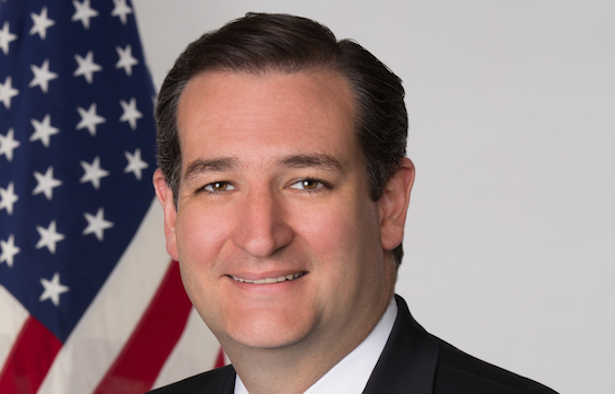
Sen. Ted Cruz, R-Texas.
But despite the volume and intensity of such rhetoric we hear very little about exactly how they would use force differently and even less about how any different measures should be expected to work. Even systematic efforts to catalog what candidates have said on the subject yield mostly spotty and vaguely phrased results.
The public mood being exploited is clear enough. A recent Monmouth University poll showed 78 percent of respondents believing ISIS to be “a major threat to U.S. security” and 68 percent saying that the U.S. Government is “not doing enough to defeat ISIS.” When asked whether ISIS can be stopped without U.S. troops, can be stopped only with U.S. troops, or cannot be stopped, a plurality (47 percent) said only with U.S. troops.
President Obama has felt it necessary to join in some of the public chorus on this topic. After a televised address from the Oval Office did not receive good enough…