Fetid floodwaters in the “chemical coast” carry toxins and disease
The incalculable human health consequences of Hurricane Harvey
By
Gary Joad
2 September 2017
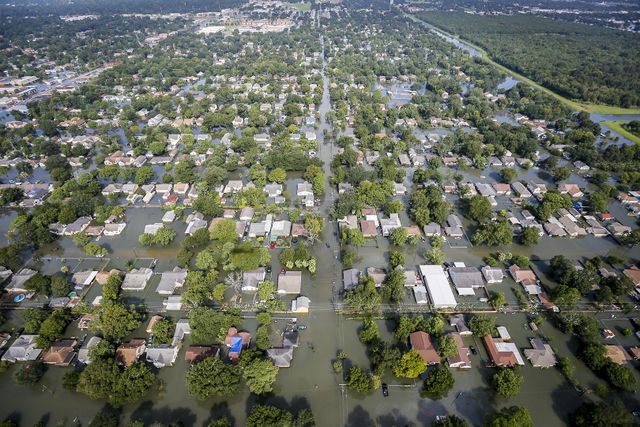
The human health consequences from Hurricane and Tropical Storm Harvey will be long lasting and all but incalculable. Houston, Texas and the surrounding Gulf communities comprise the acknowledged petrochemical capital of the world. The Texas, Louisiana and Mississippi Gulf Coasts are commonly referred to as the “chemical coast,” where almost half of all the refining of gasoline and natural gas in the US is done.
Houston proper, 30 miles from the coastline, is situated in Harris County, and is also home to at least 12 Superfund sites, the most of any county in the state. These are sites designated by the US Environmental Protection Agency (EPA) as polluted locations requiring a long-term response to clean up hazardous material contamination.
“The number one thing we’re concerned with in a flood is chemicals,” Renee Funk of the Centers for Disease Control and Prevention (CDC) told Reuters. Funk was recommending what has been unfeasible for most of the flooded area residents since the onset of the catastrophic storm: to bathe immediately after flood water contact. The EPA was recommending that people avoid skin contact with chemical containing water altogether.
But for those trapped by and wading through the fetid floodwaters, such recommendations are all but impossible to heed. Dr. Richard Bradley, chief of Emergency Medicine and Disaster Medicine at McGovern Medical School at University of Texas Health Science Center in Houston, told Time, “Flood water mixes with everything below it. If it covers a field with pesticides, it picks…