In 2016, American voters faced a painful dilemma, electing a proven war hawk or a climate-change denier – and somehow the climate denier won – as Donald Trump just reminded the world, notes ex-CIA analyst Paul R. Pillar.
By Paul R. Pillar
Donald Trump’s inexcusable withdrawal from the Paris climate change agreement was widely expected and amply telegraphed by Trump himself, of course. And yet, there were reasonable grounds for hope that this might have been one place where Trump would move from being a demagogic campaigner to being a real president, one who deals not just with applause lines but with real U.S. interests and with America’s place in the world.
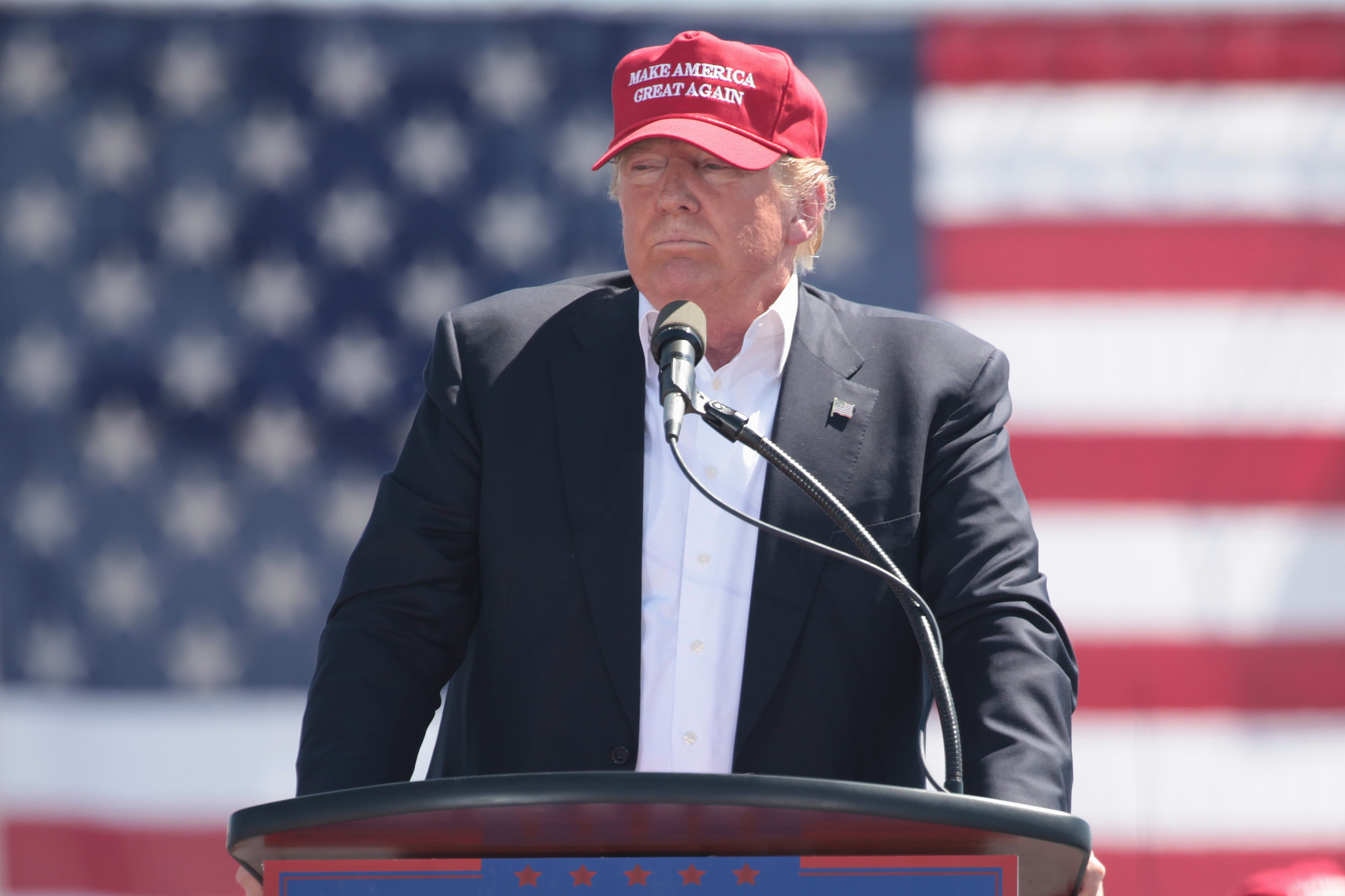
Donald Trump speaking with supporters at a campaign rally at Fountain Park in Fountain Hills, Arizona. March 19, 2016. (Flickr Gage Skidmore)
The substantive importance of the issue is unsurpassed, involving the fate of the planet. The main reasons to stay with the agreement are compelling, involving not only the habitability of Earth but also economic dynamism, U.S. leadership, and U.S. credibility. The non-binding nature of the agreement meant that there was not some unbearable onus that could be removed only through withdrawal.
And even though Trump has made much of fulfilling campaign promises, he already has allowed himself to be deflected from some such promises when they have collided with reality. He has not torn up the nuclear agreement with Iran, in the face of Iran’s compliance with that accord. And on the very day Trump announced the pull-out from the Paris agreement, he signed a paper that keeps the U.S. embassy to Israel in Tel Aviv, in the face of what would be certain uproar, deleterious to any prospects for peace, if he had moved the embassy as promised to Jerusalem.
The withdrawal from the Paris agreement is indefensible, and thus Trump’s statement announcing the move has much hot air, foreshadowing the increased hot air that everyone will be feeling without increased efforts to arrest global warming. There is, for example, the usual Trumpian assertion about being able to get a better deal, as if this were possible with an agreement that has 195 signatories and…