We all want to live as long as possible. Eighty years, 90, maybe a little over 100? Daily life may be boring and challenging, but when it comes to negotiating our actual time on Earth, we all want just a bit more than we get. But it’s not just the quantity of years that matters. It’s the quality of life that makes it or breaks it. A long life of good health and ever-lasting energy is significantly different than a long life of ailments and chronic fatigue.
We’ve all seen these examples in life. An eighty-year-old woman with a vibrant life, an energy supply enough to get her through a day of household chores and a night of social activities, looking not a year older than sixty. And, in contrast, a fifty-five-year-old woman constantly complaining about one ailment or another, struggling to get through the day at the office and not having energy for anything else once she gets home. Why are people so different? What makes some people so young-looking and strong, and others so fragile and disease-prone? (Your best defense against the #1 cause of aging.)
Of course, one side of the story is the body and health that we inherit from our parents. There are families with chronic diseases running across generations, and there are clans of longevity champions who live far into their 80s and 90s. How we live and what we do also matters. Take any health condition—some of the risk factors are modifiable and completely depend on the lifestyle you have. This gives some hope that longevity is, somewhat, with our reach.
Reversing the genetics of aging
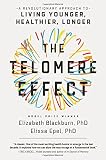
The Telomere Effect: A…
Best Price: $13.61
Buy New $16.75

If you follow aging research, you should be familiar with telomeres, which are caps at the end of each…