Some of President-elect Trump’s national security appointees are part of Official Washington’s “we-hate-Iran” group think, raising concerns about another Mideast war, notes ex-CIA analyst Paul R. Pillar.
By Paul R. Pillar
The direct stakes in whether the Trump administration adheres to the agreement that restricts the Iranian nuclear program are important enough, in terms of nuclear nonproliferation. Also important are the opportunities to build on that agreement constructively to address problems of concern to both Iran and the United States.
But at stake as well, as the new administration makes policy toward Iran, is the need to avoid a potentially disastrous turn, highly costly to U.S. interests, in the U.S.-Iranian relationship.
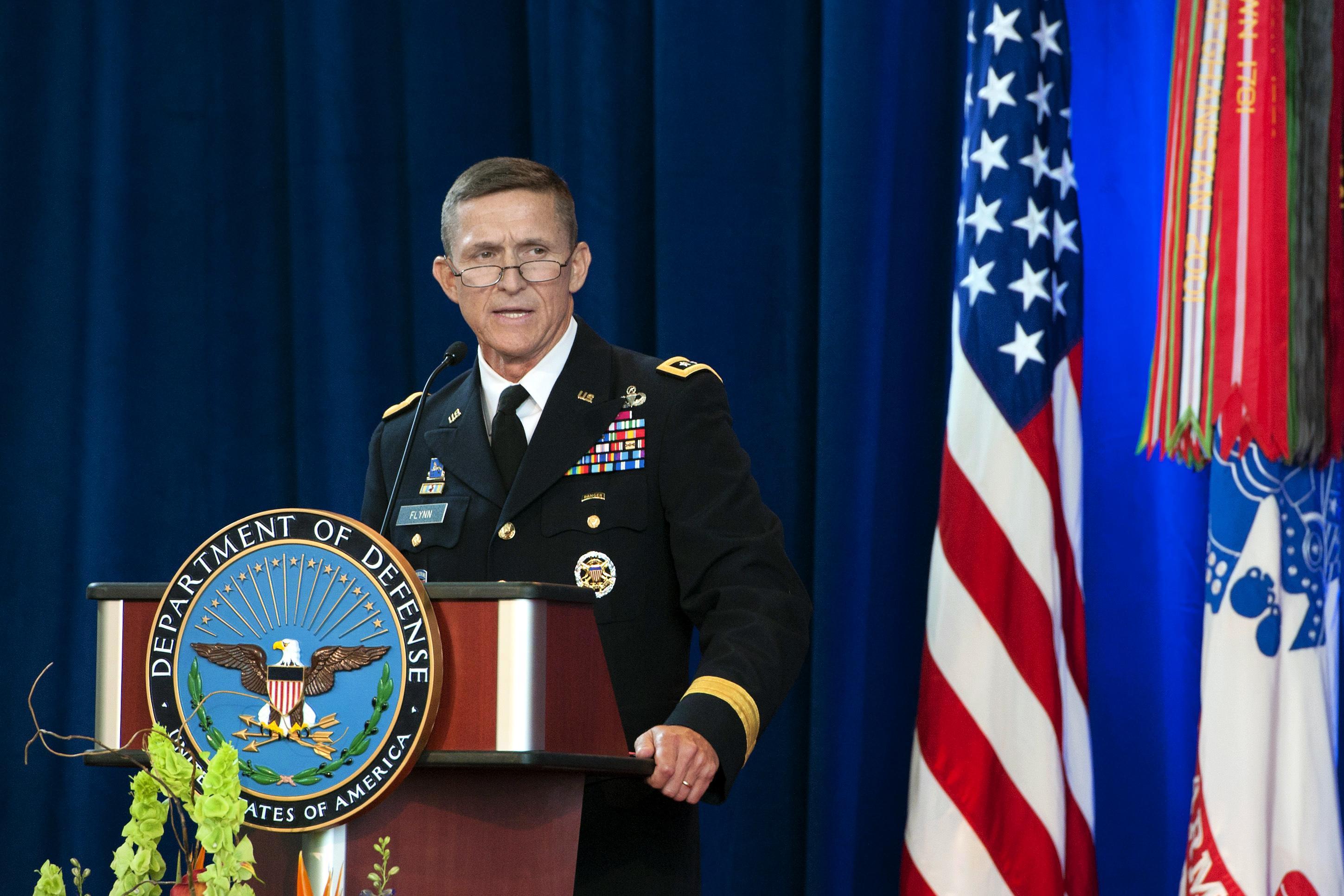
Army Lieutenant General Michael Flynn, now retired and President-elect Donald Trump’s choice for National Security Advisor. (DoD photo by Erin A. Kirk-Cuomo)
Recall how the policy options were being framed in American public debate as of about four years ago, before the negotiations that produced the nuclear agreement got under way. Amid much alarmist talk about an Iranian nuclear weapon being just around the corner, the “military option” was repeatedly and seriously discussed as the principal alternative to negotiations. In other words, people were talking about starting a war with Iran — although that is not how the option was commonly phrased.
A military attack, intended to damage the mere potential for producing weapons that others, including the attacker, already have would have been a naked and illegal act of aggression. It also would have been counterproductive in probably stimulating a decision by Iran to make a nuclear weapon that it had not previously decided to make.
But that is how the alternatives were nevertheless discussed. Some who talked up the alternative of a military attack may have regarded it as more of a bluff, but for others war was an actual objective.
So in addition to the other setbacks to U.S. interests that would ensue from the United States reneging on the agreement, a U.S.-Iranian war is a potential, and highly costly, additional possible consequence. The looming…