The Little Havana celebrations of Fidel Castro’s death last month had a touch of mean-spirited delusion since perhaps Castro’s greatest achievement was defying American power and living to die of old age, observes Greg Maybury.
By Greg Maybury
Considering the deluge of bitterness and pique oozing from many in the U.S. political establishment in response to the death recently of Cuba’s former leader Fidel Castro, even some folks with more than a passing knowledge of key world events and history in general, might’ve been left wondering what all the fuss was about. Castro — a man as reviled as he was revered — led that country’s 1959 revolution, one of the most portentous tipping points in the Cold War, if not in modern history.
The following might serve at the outset to give such people an idea as to why his passing provoked such a bilious response from Washington. As Wayne Smith, a former U.S. diplomat and ambassador to Cuba in the early years of Castro’s reign under President Dwight Eisenhower (Smith was later President Jimmy Carter’s Cuban representative), once memorably opined, “Cuba seems to have the same effect on US administrations as the full moon has on werewolves.”
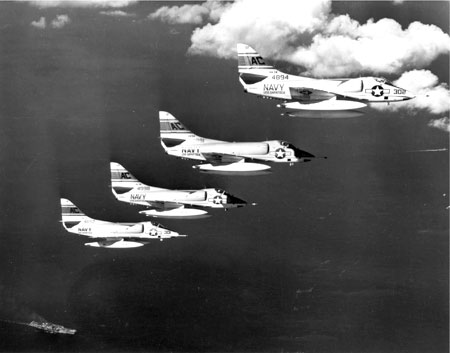
U.S. warplanes flying over the combat area during the Bay of Pigs invasion.
Now Smith might’ve said this almost three decades ago, but as the reaction to the Cuban leader’s death indicated, this reality persists, despite the recent thaw in official relations initiated by President Obama. To be sure, there’s rarely been a shortage of countries that could lay claim to having this transformative effect on the collective psyche of U.S. political establishment, Iran being a prime example.
But it is Cuba that stands out as an exemplar, and so much of that has to do with Castro himself. Put simply, among the iconic revolutionary’s many talents was an unerring ability to get up Uncle Sam’s nose, and get away with it so often for so long. Suffice to say, since they seem to have inherited the same basic instincts as their forebears, the bulk of present-day Washington’s “Werewolves” must’ve been privately “howling at the moon” as it were at the…