Before the invention of artificial lighting, the sun was our primary source of light. This meant that people mostly spent their evenings in darkness — a reality most of us can no longer fathom, as it has become second nature to flip on the switch when we walk in the house upon returning home in the evening. It’s true that we have become accustomed to taking such effortless illumination for granted, but does it matter?
The overuse of electricity is one of the leading sources of greenhouse gas emissions in the United States alone. Such revelations have led us to transition toward using LED lighting, a more energy efficient option, as a primary indoor light source. This switch has reduced energy requirements by as much as 95% in comparison to the typical incandescent thermal analog sources of lighting.
But we lost something through this trade as well: infrared radiation. Generated by incandescent light bulbs, it’s actually beneficial to your health, and, in that respect, worth the extra cost.
Instant Access to Current Spot Prices & Interactive Charts
According to Dr. Alexander Wunsch, a prominent expert on photobiology, near-infrared radiation is critical for mitochondrial and eye health, plays an important role in biological energy production, and aids with wound healing and anti-aging.
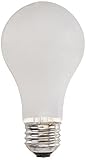
GE Lighting 41028 60-W…
Buy New $18.99

More worrisome still, as we miss out on these benefits we also incur added dangers. Wunsch notes:
I call these LEDs Trojan horses because they appear so practical to us. They appear to have so many advantages. They save energy; are solid state and very robust,. So we invited them into our homes. But we are not aware that they have many stealth health-robbing properties, which are harmful to your biology, harmful to your…