By Dr. Mercola
A wonderfully zesty condiment to add to prime rib or other cuts of grass fed beef, horseradish has an unmistakable heat that radiates not so much in your mouth as in your nose.
While its exact origin isn’t certain, horseradish probably originated in Mediterranean, Europe, and Asian regions, which alludes to its long, rich history. Greek mythology, for instance, considered horseradish to be worth its weight in gold.
Cooks and healers continued making use of this root veggie in 15th century England, and centuries later the earliest American presidents grew it in their gardens. Today, about 85 percent of the world’s horseradish production comes from the U.S.
Myths, Misunderstandings and Outright lies about owning Gold. Are you at risk?
One rule of culinary thumb recommends that horseradish be red when it’s used for shrimp (typically mixed with a tomato base) and white when it’s made into a sauce to spread on beef. But as is true with many plant-based foods, both in ancient times and now, part of this pungent root’s value has been its medicinal capability.
Clinical evidence has indicated that horseradish has worked just as well or better than chemically concocted medicines. Horseradish has been successful in helping to prevent diseases, as well. Healthy and Natural World notes:
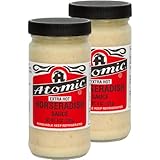
Atomic Horseradish – E…
Buy New $11.98

“Empirical research has now proved what our ancestors intuitively already knew. When treating certain conditions, horseradish is just as effective as chemically-synthesized antibiotics and it can sometimes even be superior to over-the-counter drugs.
Horseradish is particularly potent in the treatment of sinusitis and it clears upper respiratory passages, which helps with cold, influenza and lung congestion … When used…