Democratic Party fury toward President-elect Trump has led some progressives to suggest a rash scheme for invoking an archaic law to punish his deviation from foreign policy orthodoxy, warns Norman Solomon.
By Norman Solomon
Heading into the last week of the Obama administration, 35 Democrats in the House sent a letter to Attorney General Loretta Lynch urging her to appoint an independent Special Counsel because Donald Trump “has repeatedly engaged in actions constituting unauthorized foreign policy in violation of the Logan Act.”
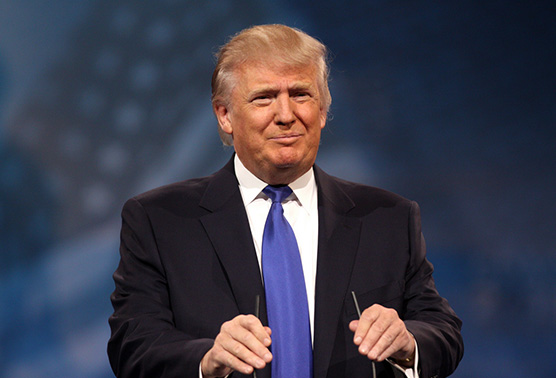
President-elect Donald Trump. (Photo credit: donaldjtrump.com)
Dating back to 1799, the law has resulted in a grand total of one indictment (during Thomas Jefferson’s presidency) and no conviction. But the Logan Act remains a convenient statute to brandish against disruptors of foreign-policy orthodoxies.
The Jan. 12 letter — relying on an arcane and wobbly relic of a law — is an example of opportunism that isn’t even opportune. Worse, it’s an effort to spur Justice Department action that would establish a dangerous precedent.
When the letter charges that “in several cases Mr. Trump’s actions directly contravene and undermine official positions of the United States government,” the complaint rings hollow. In our lifetimes, countless private citizens — and quite a few members of Congress — have sought to contravene and undermine official U.S. positions. Often that has been for the better.
The members of Congress who signed the letter should know that. Many are ostensibly aligned with the kind of dissent that has been — and will be — essential to pull this country away from disastrous wars overseas. More than half of the letter’s signers — 19 of the 35 — are in the Congressional Progressive Caucus.
It should be obvious that the Logan Act is antithetical to free speech and other vital liberties. The law provides for up to three years in prison for “any citizen of the United States” who — without authorization from the U.S. government — “directly or indirectly commences or carries on any correspondence or intercourse with any foreign government,” with intent to influence that…