Henry IV of Spain – known as “The Impotent” for his weakness, both on the throne and (allegedly) in the marriage chamber – died in 1474. A long and inconclusive war of succession ensued, pitting supporters of Henry’s 13-year-old heir, Juana de Trastámara, against a faction led by Princess Isabel of Castile and her husband, Ferdinand of Aragon. Portugal, Spain’s much smaller antagonist for centuries already, sided with the loyalists.
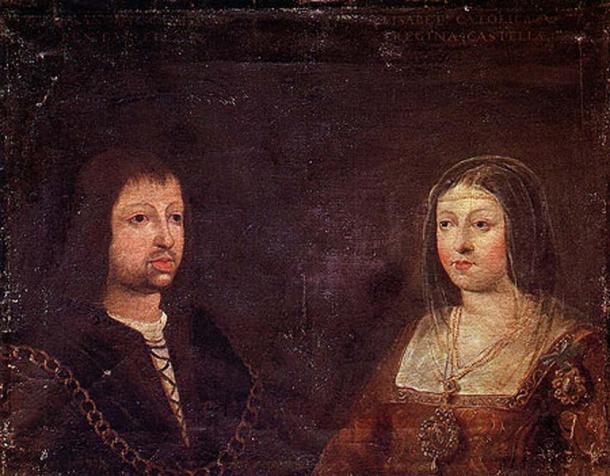
Wedding portrait of King Ferdinand II of Aragón and Queen Isabella of Castile. (Public Domain)
The civil war ended in 1480, with the Treaty of Alcáçovas/Toledo, whereby Portugal withdrew support for Juana; in exchange, Isabel and Fernando promised not to encroach on South Atlantic trade routes that Portugal had long been exploring and wished to monopolize.
Treaty Not Worth Much
Spain immediately began to violate the Treaty of Alcáçovas. Portugal’s gold trade with Ghana was a powerful enticement, but the Spanish were also lured by the priceless knowledge that Portugal had painstakingly gathered about the currents, territories, winds and heavenly bodies relative to the Atlantic regions. The Portuguese were far advanced in the sciences of geography and navigation pertaining to the Atlantic Ocean, both south and west of Portugal itself.
Meanwhile, John II ascended to the throne of Portugal in 1481, reversing the policies of his father, another weak, late-Medieval ruler who’d surrendered excessive estates and privileges to the nobility.
Large swaths of the noble class rebelled, but John II was an astute diplomat, with powerful alliances among the military and religious orders across Europe, along with an extensive network of spies. He sprang a trap on his adversaries, capturing and executing the ring leader.
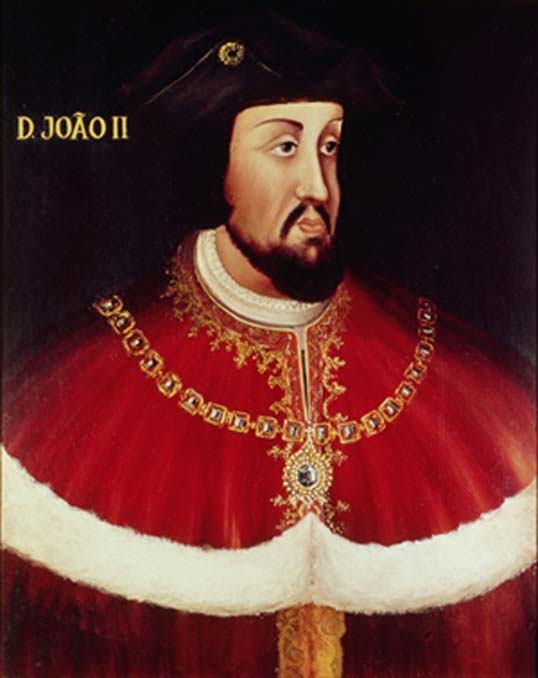
John II of Portugal….